Physical Address
304 North Cardinal St.
Dorchester Center, MA 02124
Physical Address
304 North Cardinal St.
Dorchester Center, MA 02124

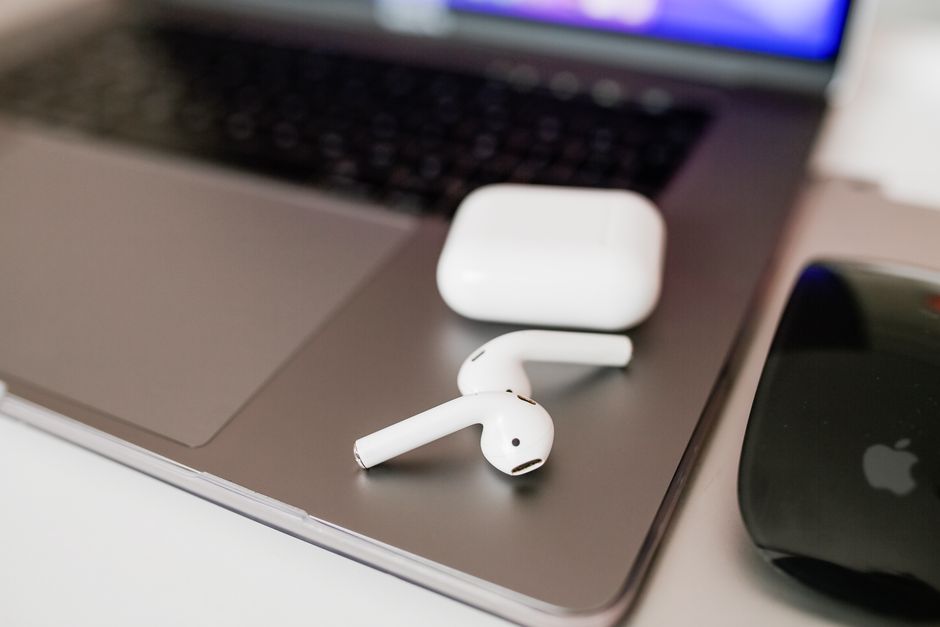
We compare the Sony WF-1000XM6 and Apple AirPods Pro 3. Explore specs, ANC performance, prices, and smart health features to find the best earbud in 2026.
The battle for the title of the world’s best wireless earbuds has reached a thrilling climax. In September 2025, Apple launched the highly anticipated AirPods Pro 3, introducing revolutionary wellness features and an IP57 durability rating. Sony didn’t make consumers wait long to see its response. In February 2026, the audio titan launched the WF-1000XM6, packing its brand-new QN3e processor and class-leading high-resolution audio support.
Choosing between these two audio giants has never been more challenging. Sony has traditionally appealed to audiophiles, prioritizing raw acoustic performance and customizable noise cancellation. Meanwhile, Apple has dominated the landscape of convenience, offering unmatched integration with its own hardware ecosystem and outstanding spatial audio. In 2026, both brands have heavily crossed into each other’s territories, making this comparison vital for any consumer looking to invest in a pair of premium earbuds.
We have spent months testing both the Sony WF-1000XM6 and the Apple AirPods Pro 3 across daily commutes, gym workouts, intense work sessions, and long flights. This in-depth comparison from ComparisonMath will dissect their design, active noise cancellation (ANC), sound quality, battery life, and smart features. By the end of this guide, you will know exactly which pair of premium earbuds deserves a place in your ears.
To give you an immediate overview of how these two flagship earbuds stack up, here is a detailed breakdown of their technical specifications, launch pricing, and primary pros and cons in 2026:
| Specification / Feature | Apple AirPods Pro 3 | Sony WF-1000XM6 |
|---|---|---|
| Launch Price | $249.00 (Often discounted to $189 – $199) | $329.99 (Often discounted to $298) |
| Release Date | September 19, 2025 | February 12, 2026 |
| Earbud Weight (Each) | 5.55 grams | 6.50 grams |
| Processors | Apple H2 (Buds) & U2 Ultra Wideband (Case) | Sony QN3e Proprietary HD Noise Cancelling Processor |
| IP Durability Rating | IP57 (Dust, sweat, and water-resistant for both buds and case) | IPX4 (Sweat and splash-resistant for earbuds only) |
| Battery Life (ANC On) | Up to 8 hours (Up to 30 hours total with case) | Up to 8 hours (Up to 24 hours total with case) |
| Bluetooth Version & Codecs | Bluetooth 5.3; AAC, SBC | Bluetooth 5.3; LDAC, LC3, AAC, SBC |
| Fitness & Health Sensors | In-ear Heart Rate Sensor, skin-detect sensor, accelerometers | None (Standard wear-detection only) |
| Special Features | Live Translation, FDA-Authorized Hearing Aid, Personalized Spatial Audio | DSEE Extreme, Speak-to-Chat, Battery Care, Sound Connect App |
| Pros | Superior ecosystem integration, phenomenal IP57 protection, integrated heart rate tracking, comfortable open-style fit. | Exquisite high-res audio (LDAC), highly customizable EQ, industry-leading adaptive ANC, excellent passive sound isolation. |
| Cons | No high-res Bluetooth codec (AAC only), limited functionality on non-Apple devices, capacitive pairing can feel finicky. | Bulkier case design, earbuds are heavier, charging case is not water-resistant, higher retail price. |
The physical footprint and comfort of premium earbuds remain highly subjective, but both manufacturers have made notable refinements. The Apple AirPods Pro 3 continue to refine the iconic stem design, trimming the overall size and adjusting the stem angle slightly for better in-ear stability. Crucially, Apple now packages five ear tip sizes (ranging from XXS to L), infusing a proprietary foam material into the silicone tips to establish a more airtight, comfortable seal. At 5.55 grams per earbud, they feel practically weightless, making them comfortable to wear for hours.
In terms of durability, the AirPods Pro 3 set a new standard by achieving an IP57 rating. This means both the earbuds and their MagSafe charging case are highly resistant to dust ingress and can survive complete immersion in shallow water. For fitness enthusiasts or outdoor adventurers, this level of ruggedness provides immense peace of mind.
Sony’s WF-1000XM6, on the other hand, embraces a heavier, more substantial architecture. Weighing 6.5 grams per earbud, these oval-shaped buds are chunkier and protrude slightly more from the ear than Apple’s stems. While Sony has improved the ergonomic contouring and optimized the airflow to relieve ear pressure, they still rely on a tighter, deeper fit using insulated foam ear tips. This design is fantastic for blockading external noise passively, but it can induce minor ear fatigue during long listening sessions.
Additionally, Sony’s WF-1000XM6 earbuds carry only an IPX4 splash-resistance rating, and their charging case features no water protection whatsoever. The WF-1000XM6 case is also notably boxier, with sharper corners and a matte plastic finish that feels slightly less premium and pocketable than the AirPods Pro 3’s sleek, ultra-compact case.
Another design departure is the pairing mechanism. Apple has completely removed the physical setup button from the back of the AirPods Pro 3 case, replacing it with a capacitive “invisible” sensor on the front. To pair with non-Apple devices, users must open the lid and double-tap the front capacitive zone. While sleek, some users find this transition finicky compared to Sony’s traditional multi-device pairing buttons or simple app-based connections.
Active Noise Cancellation has become a primary selling point for premium earbuds, and both models deliver absolute masterclasses in engineering. The AirPods Pro 3 leverage Apple’s custom H2 chip, which now processes sound up to twice as effectively as the previous generation. Apple claims the Pro 3 can remove up to twice as much ambient noise compared to the AirPods Pro 2, and in real-world testing, the results are stunning. Low-frequency rumbles from airplane engines or subway cars are reduced to a whisper, while high-frequency human chatter is attenuated far better than before.
Apple’s Transparency Mode remains the undisputed champion of the industry. It passes environmental sounds through so naturally that you easily forget you are wearing earbuds. Features like Adaptive Audio and Conversation Awareness automatically transition between ANC and Transparency depending on your surroundings, rendering manual adjustments almost unnecessary.
Sony, however, fights back with the WF-1000XM6 and its new QN3e processor. Sony claims this chip is three times faster than the processor inside the WF-1000XM5, allowing the earbuds to analyze and cancel noise at an incredibly rapid rate. The WF-1000XM6 inherits its adaptive noise-canceling algorithms directly from Sony’s legendary over-ear line.
When combined with the excellent passive isolation of Sony’s polyurethane foam tips, the WF-1000XM6 excels at creating an absolute sensory deprivation chamber. It handles unpredictable, high-frequency noises (such as office keyboard clicks or clattering coffee shops) slightly better than the AirPods Pro 3. However, Sony’s Ambient Sound Mode, while highly functional, still has a slightly artificial, processed tone when compared to Apple’s crystal-clear transparency.
For audiophiles, the debate between Sony and Apple comes down to codec support and sonic philosophy. The Sony WF-1000XM6 is built for high-fidelity purists. It features redesigned 8.4mm drivers and fully supports LDAC, a high-resolution Bluetooth codec capable of transmitting up to 990 kbps of audio data. It also supports LC3, AAC, and SBC.
Out of the box, the WF-1000XM6 delivers a remarkably warm, musical, and detailed sound signature. The bass is deep and physical without muddying the mids, while the treble sparkles with immaculate clarity. Through the newly renamed Sony Sound Connect app, users have access to a fully customizable five-band equalizer, allowing them to sculpt the sound profile to their exact preferences. Additionally, Sony’s DSEE Extreme upscaling technology breathes new life into highly compressed, low-quality audio files.
Apple approaches sound quality with a more clinical, universally balanced tuning. The AirPods Pro 3 utilize a rebuilt custom high-excursion driver and high-dynamic-range amplifier that deliver rich, tight bass and crisp vocals. The soundstage is remarkably wide and benefits immensely from Personalized Spatial Audio with dynamic head tracking, which maps your ear anatomy via your iPhone’s camera to create a customized three-dimensional audio environment.
However, Apple’s continued refusal to support high-resolution or lossless Bluetooth codecs on the AirPods Pro 3 remains a disappointing omission for 2026. Because they are limited to the standard AAC codec, they cannot match the raw detail retrieval and texture of the Sony WF-1000XM6 when playing high-res files from services like Tidal or Qobuz. Apple relies heavily on Adaptive EQ to continuously tune the music to the shape of your ear in real time, which sounds excellent for casual listening but lacks the physical warmth and customizability that audiophiles crave.
The true division between these earbuds lies in their feature sets. The Apple AirPods Pro 3 are no longer just audio devices—they have successfully transitioned into health and communication wearables. For the first time, Apple has integrated an active heart rate sensor into the earbuds. During workouts, the Pro 3 monitor your heart rate and calories burned across more than 50 workout types, feeding this data seamlessly to your iPhone’s Fitness app and Apple Intelligence.
Furthermore, Apple has introduced on-device Live Translation. Powered by Apple Intelligence, this feature allows users to engage in face-to-face conversations across different languages with near real-time, in-ear audio translation. Add in the FDA-authorized clinical-grade Hearing Aid capabilities, automatic Conversation Boost for mild-to-moderate hearing loss, and Hearing Protection, and the AirPods Pro 3 double as highly advanced health tools.
Sony’s WF-1000XM6 avoids health tracking to focus entirely on platform-agnostic convenience. Sony’s Speak-to-Chat feature automatically pauses your music and activates ambient sound the moment you start speaking, which is incredibly convenient for brief office interactions. The Quick Attention mode lets you place a finger over the earbud to immediately lower the volume.
Unlike Apple, which restricts features like automatic switching and spatial audio head-tracking to its own hardware ecosystem, Sony’s WF-1000XM6 is incredibly cross-compatible. Its Multipoint Connection allows you to connect to an Android phone and an iPad simultaneously without any fuss. The Sound Connect app is available on both iOS and Android, offering identical features on both platforms. Sony also introduces a dedicated “Battery Care” feature, which limits charging to 80% or 90% to prolong the long-term chemical lifespan of the internal lithium-ion cells.
Battery performance is vital for daily users, and both brands offer impressive longevity. In our standardized real-world tests with active noise cancellation enabled, the Sony WF-1000XM6 achieved an outstanding 9 hours and 41 minutes of continuous playback on a single charge (exceeding Sony’s conservative 8-hour spec). The boxier charging case provides two additional charges, bringing the total playback time to approximately 24 hours. A 3-minute quick charge delivers up to an hour of battery life, making it easy to juice up on the go.
The Apple AirPods Pro 3 also boast an improved 8 hours of continuous playback with ANC enabled. However, Apple’s compact MagSafe charging case is much more efficient than Sony’s, holding enough reserve power to push the total combined battery life to a stellar 30 hours.
Apple’s charging case also features superior utility. It includes an integrated speaker that emits a loud chime when using the Find My network, and it houses a second-generation U2 Ultra-Wideband chip, allowing you to use Precision Finding on your iPhone to locate the case down to the exact inch. It charges via USB-C, MagSafe, or even an Apple Watch charger, offering unparalleled charging versatility.
With both earbuds representing the absolute pinnacle of 2026 audio technology, your final choice should be guided by your specific hardware ecosystem, primary use cases, and budget:
1. Do the Apple AirPods Pro 3 support high-resolution or lossless audio formats?
No. Despite its rebuilt acoustic driver and custom amplifier, the AirPods Pro 3 do not support high-resolution Bluetooth codecs like LDAC or aptX Adaptive in 2026. They remain limited to Apple’s highly optimized AAC codec over Bluetooth. For true high-res playback, the Sony WF-1000XM6 is the superior choice.
2. Can I use the Sony WF-1000XM6 with an iPhone, and will I lose any features?
Yes, the Sony WF-1000XM6 works flawlessly with iPhones via the Sony Sound Connect app. You will have access to all sound profiles, EQ customization, ANC controls, and firmware updates. However, you will miss out on Apple-exclusive conveniences like automatic audio switching across Apple devices, audio sharing, and Siri-specific integrations.
3. How accurate is the heart rate sensor on the AirPods Pro 3?
In real-world testing, the in-ear heart rate sensor on the AirPods Pro 3 is exceptionally accurate, performing on par with leading smartwatches during workouts. Because the ear canal is rich with blood vessels, in-ear optical sensing is highly reliable for measuring heart rate and tracking calorie burn during aerobic activities.
4. Is the charging case of the Sony WF-1000XM6 waterproof?
No. While the Sony WF-1000XM6 earbuds carry an IPX4 rating for sweat and splash resistance, their charging case has no water resistance rating. In contrast, the Apple AirPods Pro 3 case is rated IP57, meaning both the case and the earbuds can handle heavy exposure to dust and brief submersions in water.
In 2026, the premium earbud landscape has divided into two distinct paths: advanced health-focused convenience and pure, platform-agnostic audio high-fidelity.
For the vast majority of consumers—especially those who own an iPhone—the Apple AirPods Pro 3 emerge as the overall winner. At an MSRP of $249 (often discounted further at major retailers), they offer a far superior value proposition. Apple has managed to integrate a heart rate monitor, Live Translation, a highly durable IP57 dust-and-waterproof rating, and clinical-grade hearing aid features into a lightweight, comfortable design without raising the price. They are the ultimate daily companion.
However, if sound quality is your absolute highest priority, the Sony WF-1000XM6 remains the undisputed king of acoustics. If you are willing to pay the premium retail price of $329.99, you are rewarded with pristine high-resolution LDAC support, rich and deeply customizable sound, and a QN3e processor that delivers unmatched isolation from the outside world.
Ultimately, if you want your earbuds to track your health and simplify your daily life, buy the AirPods Pro 3. If you want to lose yourself entirely in high-fidelity music, buy the Sony WF-1000XM6.
Prices and features mentioned are accurate as of the date of publication. Always check the official provider website for the most current pricing and availability.




