Physical Address
304 North Cardinal St.
Dorchester Center, MA 02124
Physical Address
304 North Cardinal St.
Dorchester Center, MA 02124

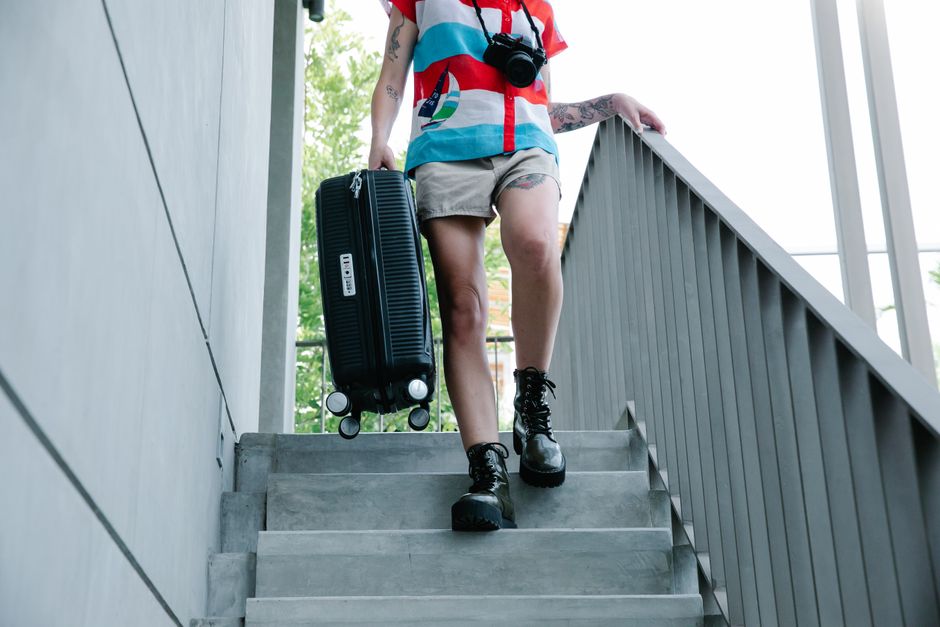
Compare Away, Monos, and July carry-on luggage. We break down the specs, prices, durability, and tech features of the best hardshell suitcases in 2026.
Navigating an airport terminal in 2026 has become an exercise in strategic planning. With global airlines enforcing stricter weight limits and deploying automated gate sizers, your choice of carry-on luggage is no longer just about fashion—it is about avoiding unexpected gate-check fees and protecting your valuable gear. Hardshell carry-ons remain the gold standard for frequent travelers who want structural protection without the bulk of traditional softside suitcases.
In this premium hardshell arena, three direct-to-consumer (DTC) giants dominate the conversation: Away, Monos, and July. Away is the classic trailblazer that redefined modern travel aesthetics. Monos represents the pinnacle of quiet luxury with its ultra-minimalist, scratch-resistant philosophy. Meanwhile, Australia-based July has shaken up the market with bold engineering, reinforced corners, and integrated tracking technology.
But which of these three premium suitcases actually deserves a spot in the overhead compartment for your next trip? In this comprehensive comparison, we pit the Away Carry-On, the Monos Carry-On Classic, and the July Carry-On with CaseSafe head-to-head. We analyzed their current 2026 specifications, real-world durability, packing structures, and tech upgrades to help you make an informed investment.
Before diving into the detailed breakdown of each suitcase, here is an at-a-glance look at how the standard hardshell carry-on models from Away, Monos, and July stack up against each other in 2026.
| Feature | Away: The Carry-On | Monos: The Carry-On Classic | July: The Carry-On (With CaseSafe) |
|---|---|---|---|
| Retail Price (USD) | $275 | $275 | $295 |
| Exterior Dimensions | 21.7″ x 14.4″ x 9″ | 22″ x 14″ x 9″ | 21.5″ x 15″ x 8.5″ |
| Internal Capacity | 41 Liters | 39.9 Liters | 42 Liters |
| Weight | 7.5 lbs | 7.01 lbs | 7.4 lbs |
| Shell Material | 100% Polycarbonate | Aerospace-grade Polycarbonate | Polycarbonate with Aluminum Corners |
| Wheels | 360-degree spinners | Whisper-quiet spinners | SilentMove series 2 double spinners |
| Smart Tech Features | None (classic hardshell) | None (classic hardshell) | CaseSafe tracking (Apple Find My / Google Find Hub) |
| Warranty | Limited Lifetime | Limited Lifetime | Limited Lifetime |
To truly understand how these bags perform in active travel, we must look beyond the specification sheet. Each brand has focused its design efforts on different types of travelers, resulting in unique internal packing systems, trolley configurations, and technological integrations.
Away’s classic model, simply named “The Carry-On,” continues to be a crowd-favorite in 2026. Priced at $275, this suitcase offers a sturdy 100% polycarbonate shell that bends slightly under pressure to absorb impact without cracking. With exterior measurements of 21.7″ x 14.4″ x 9″, it is specifically designed to meet the strict sizer requirements of almost all major airlines worldwide, minimizing gate-checking anxiety.
The standout feature of Away’s carry-on is its internal organization. It features a clamshell opening with a robust double-buckle compression pad on one side. This pad allows you to pack bulky items like jackets or thick denim and compress them flat, maximizing the bag’s 41-liter capacity. The opposite side is enclosed by a zippered mesh compartment, ideal for shoes and harder items. Additionally, it comes with a water-resistant drawstring laundry bag to keep clean and dirty clothes separate.
While Away’s 360-degree spinner wheels glide effortlessly across smooth airport floors, the outer shell is somewhat prone to cosmetic scuffing, particularly on lighter matte colors. It lacks advanced built-in tracking technology but relies on a simple, dependable design that has stood the test of time. If you require more space, Away also sells “The Bigger Carry-On” for $295 and “The Carry-On Flex” for $325, which features a zipper expansion system.
Monos focuses heavily on a high-end, minimalist aesthetic, positioning “The Carry-On Classic” as a piece of quiet luxury. Retailing at $275, it is the lightest of the three competitors at just 7.01 pounds. The outer shell is constructed from aerospace-grade polycarbonate, featuring a beautiful matte texture that resists fingerprints and masks minor scratches better than its competitors.
The defining element of the Monos experience is the quietness of its journey. Monos custom-built spinner wheels are exceptionally quiet and roll smoothly over rough pavement, cobblestones, and carpeted airport lounges. Inside, the bag features dual compression pads and a series of zippered mesh pockets made from premium water-resistant fabrics. The lining has a luxurious feel, accented by subtle vegan leather detailing.
The telescopic handle is remarkably sturdy, featuring a button on the underside to prevent accidental releases. The main drawback to the standard Monos Carry-On is its slightly lower capacity of 39.9 liters and the lack of an expandable option unless you step up to their dedicated expandable line. For business travelers, the “Carry-On Pro” ($295) adds a built-in front compartment for a laptop, making security checks a breeze.
Australian-born July has quickly earned a reputation for clever engineering and rugged durability. Sized at 21.5″ x 15″ x 8.5″, their signature Carry-On retails at $295. While it weighs 7.4 pounds, it manages to squeeze out an impressive 42-liter capacity. This is achieved through its unique curved, eggshell-like corners, which maximize internal packing volume.
July’s biggest advantage in 2026 is its technological and structural innovation. The standard Carry-On now features CaseSafe™ tracking technology. This integrated system is fully compatible with Apple’s Find My and Google’s Find Hub networks, allowing you to track your suitcase in real-time without buying external AirTags. Structurally, July stands out by reinforcing the corners of its polycarbonate shell with heavy-duty anodized aluminum bumpers. These bumpers take the brunt of drops and collisions, solving the common issue of hardshell suitcases cracking at the corners.
Inside, July uses a unique Y-Strap compression system rather than a standard flat pad, pulling down from the corners to secure your clothes tightly. The SilentMove series 2 double spinner wheels glide beautifully, and the telescoping handle offers 20 different height stops, making it highly customizable for travelers of all heights. However, travelers should note that the 15-inch width is slightly wider than the standard 14 inches specified by some strict domestic sizers, though it easily fits in standard overhead bins on major carriers.
With three incredibly strong options, choosing the right suitcase comes down to identifying your personal travel habits and pain points. Consider the following factors before making your purchase:
If your travel involves a lot of transfers, cobblestone streets, or occasional gate-checking, durability is paramount. While polycarbonate is naturally impact-resistant, July’s aluminum-reinforced corners offer a massive structural advantage. If you want a pristine exterior, the matte finish on the Monos Carry-On Classic does the best job of hiding scuffs and scratches over time, whereas Away’s shell tends to display travel “battle scars” more quickly.
Airlines in 2026 are increasingly strict about dimensional sizers at the gate. If you frequently fly budget carriers (especially in Europe or Asia), the Away Carry-On and Monos Carry-On Classic are safer bets due to their standard 14-inch width. If you prioritize packing maximum volume for major domestic carriers (like Delta or United), July’s 42-liter capacity and unique curved profile will let you fit more outfits with ease.
For tech-savvy travelers, July is the undisputed leader. Having CaseSafe tracking built directly into the suitcase’s hardware provides incredible peace of mind when you are forced to gate-check a bag. While Away previously offered ejectable power banks, both Away and Monos have shifted toward pure, non-electric hardshell designs for their standard models, leaving July as the primary choice for those seeking integrated tech.
How you pack matters. If you love to overpack and compress your clothes flat, Away’s double-buckle compression pad is legendary for its cinching power. Monos offers a similar, elegant dual-pad layout. July’s Y-Strap compression system is excellent for securing odd-shaped items but may require a bit more effort to pull tight compared to standard flat pads.
Yes, all three carry-ons are designed to fit in the overhead compartments of major international and domestic airlines. However, European budget carriers like Ryanair or EasyJet have incredibly strict limits that may require you to pay a premium or gate-check bags with a 15-inch width (like the July Carry-On) or a 22-inch height. For absolute safety on ultra-budget airlines, check the specific airline dimensions prior to boarding.
Yes. July’s CaseSafe tracking operates on low-power Bluetooth networks (similar to an Apple AirTag) and is fully compliant with FAA, TSA, and international airline regulations. If you choose a July model that includes their ejectable power bank, you simply need to pop the battery out of its slot if you are ever forced to check the bag at the gate, as lithium-ion batteries are not allowed in the cargo hold.
All three brands—Away, Monos, and July—offer limited lifetime warranties. These warranties cover functional damage to the suitcase, including cracked shells, broken wheels, broken zippers, and non-functioning telescoping handles. They do not cover cosmetic wear and tear, such as scuffs, scratches, or stains. In 2026, some brands also offer premium warranty add-ons (like Monos’s LifetimeCare Pro) that extend coverage to accidental airline handling damage.
After stress-testing these suitcases through multiple flights and evaluating their current 2026 offerings, a clear picture emerges for each brand. If you want a timeless, reliable suitcase with the best interior compression pad on the market, Away’s The Carry-On remains an outstanding classic that will not disappoint.
If your priority is whisper-quiet mobility, a lightweight feel, and a gorgeous minimalist aesthetic, the Monos Carry-On Classic is the ultimate option for quiet luxury. It handles beautifully and remains the lightest option of the three, making it easy to lift into high overhead compartments.
However, the overall winner for the best hardshell carry-on in 2026 is the July Carry-On (With CaseSafe). By integrating native Apple Find My and Google Find Hub tracking, and protecting the vulnerable corners of the bag with heavy-duty aluminum bumpers, July has solved the two biggest anxieties of modern travel: lost luggage and cracked hardshells. Combined with its generous 42-liter capacity and premium wheels, it is the most innovative and durable carry-on you can buy today.
Prices and features mentioned are accurate as of the date of publication. Always check the official provider website for the most current pricing and availability.