Physical Address
304 North Cardinal St.
Dorchester Center, MA 02124
Physical Address
304 North Cardinal St.
Dorchester Center, MA 02124

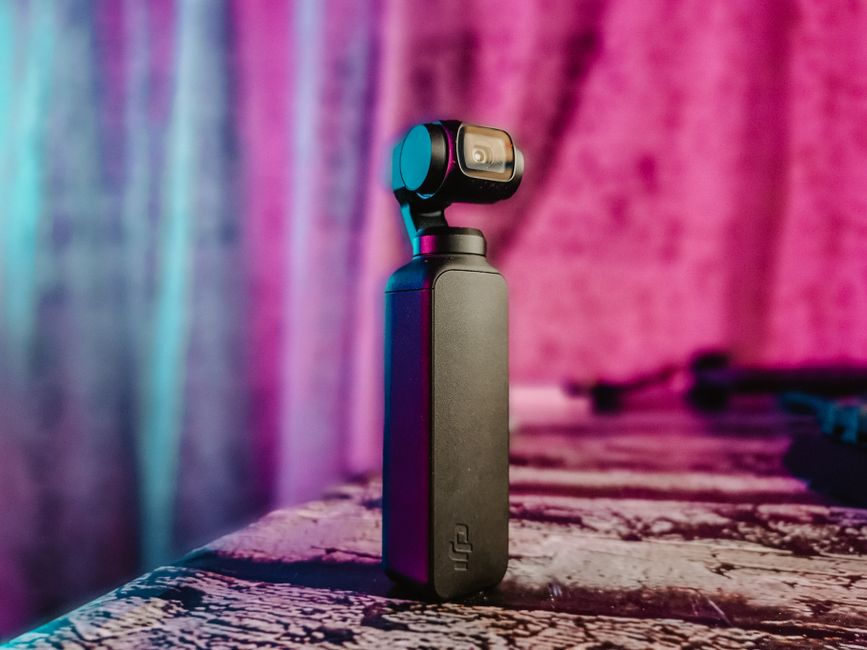
We compare the dual-lens DJI Osmo Pocket 4P vs Insta360 Luna Ultra. Discover current specs, prices, and features of these flagship gimbal cameras.
For years, DJI maintained an absolute monopoly over the handheld pocket gimbal camera market. From the original Osmo Pocket to the wildly successful Osmo Pocket 3, solo creators, travel vloggers, and everyday filmmakers knew exactly where to go for ultra-smooth, stabilized footage. However, the landscape in 2026 has undergone a seismic shift. Insta360, historically known for its action cameras and 360-degree rigs, has confidently stepped onto DJI’s home turf with the release of the Insta360 Luna Ultra on June 10, 2026. In response, DJI fired back with the official launch of the dual-lens DJI Osmo Pocket 4P on June 29, 2026.
This is no longer a simple race of incremental specification bumps. Both companies have completely re-engineered their flagship pocket gimbals into dual-lens beasts, bringing mirrorless-style optical versatility directly into the palm of your hand. From high-end cinema-grade sensors and massive dynamic range gains to wireless display setups and a complex backdrop of U.S. regulatory restrictions affecting DJI, choosing between these two flagships is harder than ever. In this comprehensive comparison, we break down the hardware, workflows, pricing, and real-world performance to help you decide which pocket powerhouse deserves a spot in your creative kit.
Before diving into the intricate hardware features, here is a high-level overview of how the DJI Osmo Pocket 4P and the Insta360 Luna Ultra compare on paper in 2026.
| Feature / Spec | DJI Osmo Pocket 4P | Insta360 Luna Ultra |
|---|---|---|
| Official Release Date | June 29, 2026 | June 10, 2026 |
| Starting Price (USD) | ~$560 (Standard) / ~$635 (Vlog Combo) | $769.99 (Standard Combo) |
| Primary Wide-Angle Lens | 1-inch Stacked LOFIC CMOS (20mm equiv., f/2.0) | 1-inch Leica CMOS (20mm equiv., f/1.8) |
| Telephoto / Portrait Lens | 3x Dedicated Medium-Tele (60mm equiv., f/1.8) | 3x Dedicated Leica Summicron (f/1.8) |
| Max Video Resolution | 4K at 120fps (240fps in slow-motion) | 8K at 30fps / 4K at 120fps |
| Dynamic Range | 17 Stops (via LOFIC hardware) | 14 Stops (Standard/I-Log) |
| Color Profiles | 10-bit D-Log 2 / HLG | 10-bit I-Log / Leica Profiles |
| Display / Interface | 2-inch Rotating Touchscreen (Fixed) | 2-inch Detachable OLED Touchscreen (Wireless Remote) |
| Internal Storage | 103 GB | 47 GB |
| Tracking Technology | ActiveTrack 8.0 / Registered Subject Focus | AI Deep Track / Rapid Focus |
| Audio Formats | Zoom-In Sound, DJI Mic 3 Native | 32-bit Float Audio, Mic Pro Native |
| Battery Life | ~1.5 to 2 hours | Up to 4 hours (1550 mAh) |
| U.S. Availability | Extremely restricted / Import-only | Fully available nationwide |
The DJI Osmo Pocket 4P is a specialized tool that heavily prioritizes high-end image processing and professional filmmaking workflows over raw resolution. The primary wide-angle camera is built around a massive 1-inch stacked CMOS sensor that introduces LOFIC (Lateral Overflow Integration Capacitor) technology. LOFIC acts at a hardware level to prevent highlights from clipping, even in extremely bright conditions, giving this pocket device a staggering 17 stops of dynamic range. Combined with DJI’s new 10-bit D-Log 2 color profile, the footage captured on this main lens offers color grading flexibility that rivals professional mirrorless systems.
On the dual-lens front, DJI has integrated a dedicated 60mm equivalent medium-telephoto lens with an incredibly bright f/1.8 aperture. Unlike digital zoom, which stretches pixels and introduces noise, this physical telephoto lens yields genuine compression and soft, natural optical bokeh for portraits. For high-speed action, the Pocket 4P is a speed demon, capturing buttery smooth slow-motion footage up to 4K at 240fps.
DJI has also integrated several thoughtful features designed directly for professional travel creators. It includes 103 GB of ultra-fast internal storage (so you are safe even if you forget your microSD card), a lens defogging mode that uses micro-heaters to prevent moisture buildup, and Registered Subject Focus. This intelligent autofocus profile allows you to pre-register a specific target’s face, ensuring the ActiveTrack 8.0 system keeps them in focus, even if they temporarily turn away or walk behind obstacles.
However, the Pocket 4P is not without its limitations. Its rotating 2-inch touchscreen remains fixed to the handle, meaning you have to stay within arm’s reach of the device to control settings or monitor yourself. It also lacks 8K support, topping out at 4K resolution. Most importantly for North American creators, DJI is currently facing severe geopolitical regulatory scrutiny and import bans in the United States, meaning that purchasing a Pocket 4P requires tedious grey-market importing with no local warranty coverage.
While DJI went the cinema route, Insta360 engineered the Luna Ultra to be the ultimate, highly versatile “everything” camera for solo creators. This flagship device introduces a dual Leica-engineered Summicron lens setup. The primary wide-angle lens utilizes a 1-inch CMOS sensor that captures breathtaking 8K resolution video at 30fps, making it the highest-resolution pocket gimbal on the market. It also natively supports Dolby Vision HDR, offering stunning vibrant colors straight out of the box.
For zoom, the Luna Ultra pairs its main camera with a dedicated 1/1.3-inch sensor that acts as a 3x telephoto (60mm equivalent) lens. Supported by a proprietary triple AI processing chip (with two chips dedicated solely to real-time image cleaning), it handles up to 6x lossless zoom and 12x digital zoom with minimal noise, making it incredibly effective for catching far-off action or shooting telephoto macros.
The absolute showstopper of the Luna Ultra, however, is its detachable 2-inch OLED touchscreen. The display physically snaps off the gimbal handle and communicates wirelessly over high-frequency channels. This means a solo creator can plant the Luna Ultra on a tripod, walk yards away, and use the detached screen in their hand as a wireless remote viewfinder to frame shots, adjust parameters, and guide the AI Deep Track framing system.
For audio, the Luna Ultra features an exceptional onboard microphone setup that records 32-bit float audio, completely eliminating clipping issues during sudden loud noises. It is natively compatible with the wireless Insta360 Mic Pro or Mic Air systems and comes with a physical, detachable windshield. The device is fueled by a massive 1550 mAh battery that charges to 80% in just 23 minutes and lasts up to 4 hours in basic operating modes. Most importantly, the Luna Ultra has no regulatory hurdles in the United States and is widely available at major electronics retailers for $769.99.
When deciding between these two elite 2026 gimbal cameras, the choice relies on your workflow, location, and aesthetic preferences rather than purely looking at the numbers. Here is how to navigate the purchasing decision:
If you live in the United States, your choice may be decided for you. The Insta360 Luna Ultra is fully available nationwide at major retailers like B&H, Costco, and Best Buy, with full warranty support. The DJI Osmo Pocket 4P, while officially launched, is heavily restricted due to regulatory import limitations. If you are uncomfortable importing grey-market electronics, paying scalper markup prices, or navigating foreign server workarounds for updates, the Luna Ultra is the stress-free way to go.
For solo creators who act as their own camera operators, the Insta360 Luna Ultra is a dream come true. Its detachable OLED screen acts as a wireless monitor, giving you complete confidence when framing yourself from a distance. DJI’s fixed display means you are constantly walking back and forth to check your focus and frame. However, if you are a traditional filmmaker shooting b-roll or working with a small crew, the Pocket 4P’s superior physical button layout and mature system feedback will feel far more comfortable.
Are you looking for absolute sharpness, or do you crave cinema-grade light and shadow retention? The Luna Ultra’s 8K sensor delivers breathtaking landscape detail and allows for substantial post-crop framing. However, if you shoot in harsh backlighting, high-contrast cityscapes, or moody low-light conditions, the DJI Osmo Pocket 4P’s LOFIC sensor is unmatched. Its 17 stops of dynamic range ensure your highlights never blow out, and shadows remain exceptionally clean.
If you shoot heavy action, sports, or dreamlike slow-motion travel montages, the DJI Pocket 4P’s 4K/240fps slow-motion is a clear winner over the Luna Ultra’s 4K/120fps cap. Furthermore, DJI’s 10-bit D-Log 2 color profile integrates perfectly with high-end color grading workflows. Meanwhile, while the Luna Ultra’s 10-bit I-Log is highly capable, some users report that its default processing can look slightly over-sharpened, requiring a bit more work in DaVinci Resolve or Premiere Pro to dial in a natural filmic look.
No, the DJI Osmo Pocket 4P tops out at 4K resolution. However, it focuses heavily on speed and dynamic range, offering up to 4K at 120fps (and 240fps in dedicated slow-motion mode) alongside its hardware-enabled 17 stops of dynamic range. If you absolutely require native 8K, the Insta360 Luna Ultra is the only option.
Yes. The 2-inch OLED touchscreen physically detaches from the gimbal body and acts as a fully functional wireless remote control. You can monitor your live video feed, start/stop recording, adjust exposure settings, and control the physical rotation of the gimbal from yards away.
LOFIC stands for Lateral Overflow Integration Capacitor. It is a physical sensor design that places a micro-capacitor alongside each pixel to collect excess light before it can overflow and cause highlight clipping. This hardware-level approach results in an incredible 17 stops of dynamic range, allowing the camera to seamlessly resolve bright sunlit skies and dark shadow details in the exact same frame without artificial HDR ghosting.
Yes, both cameras offer fast-charging capabilities over USB-C. The Insta360 Luna Ultra is particularly impressive, supporting up to 45W fast-charging that can juice its 1550 mAh battery from empty to 80% in approximately 23 minutes. Both gimbals can also be operated continuously while plugged into an external power bank.
In 2026, the pocket gimbal camera market has reached its absolute peak. Selecting a winner depends entirely on your target audience and location.
For the elite filmmaker, high-end commercial shooter, and professional colorist who demands the absolute best image quality, the DJI Osmo Pocket 4P technically wins the specs game. Its 1-inch stacked LOFIC sensor, 17 stops of breathtaking dynamic range, 4K/240fps slow-motion capabilities, and professional 10-bit D-Log 2 profile create a compact cinema-camera experience that fits in your pocket.
However, for 90% of content creators, solo travel vloggers, and mainstream consumers—especially those based in the United States—the Insta360 Luna Ultra is the far more practical and superior overall purchase. Its revolutionary detachable wireless OLED display screen solves the ultimate pain point of solo shooting. When you combine that with native 8K video resolution, worry-free 32-bit float audio, a massive 4-hour battery life, and effortless local retail availability, the Luna Ultra sets the gold standard for what a modern creator tool should be.
Prices and features mentioned are accurate as of the date of publication. Always check the official provider website for the most current pricing and availability.