Physical Address
304 North Cardinal St.
Dorchester Center, MA 02124
Physical Address
304 North Cardinal St.
Dorchester Center, MA 02124

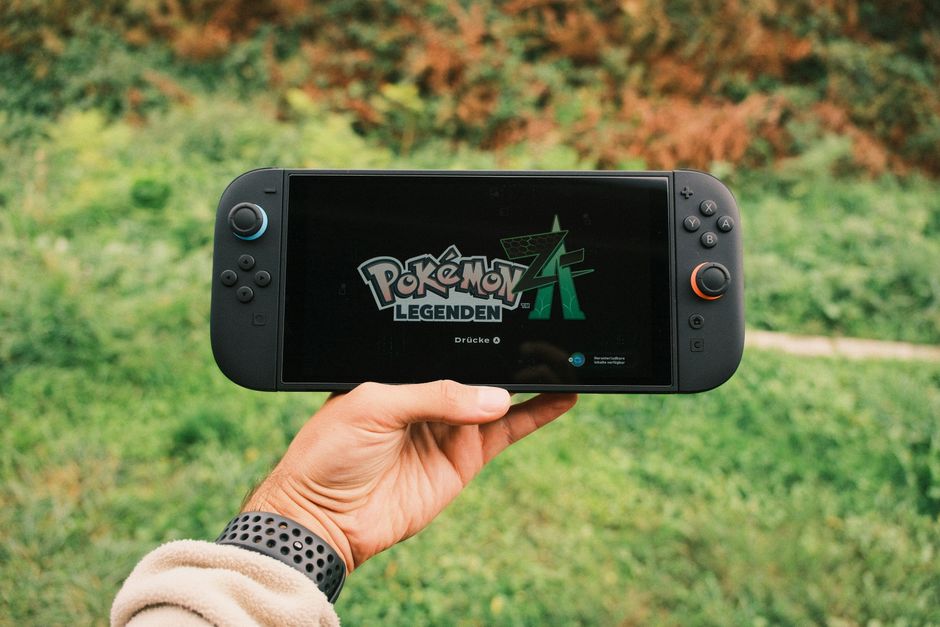
Comparing Nintendo Switch 2 and Steam Deck OLED in 2026. Discover specs, prices, game libraries, and which handheld gaming console wins our shootout.
The handheld gaming landscape has shifted dramatically over the past few years, culminating in a fierce rivalry in 2026 between two powerhouse devices: the Nintendo Switch 2 and the Valve Steam Deck OLED. When Nintendo released the Switch 2 on June 5, 2025, it modernized portable console gaming with its custom Nvidia Tegra T239 “Drake” processor, a larger screen, and a revamped dock outputting up to 4K resolution. On the other side, Valve’s Steam Deck OLED, originally launched in late 2023, remains the gold standard for portable PC gaming, boasting a brilliant HDR display and seamless access to the massive Steam game library.
However, comparing these two handhelds in 2026 is a very different conversation than it was just a year ago. Both manufacturers have recently implemented major price adjustments that shake up the value equation for prospective buyers. Nintendo of America announced a price increase from its launch price of $449.99 to $499.99, effective September 1, 2026, due to rising storage and memory costs. Meanwhile, Valve stunned consumers in late May 2026 by raising the prices of its Steam Deck OLED models by over 40% due to industry-wide RAM shortages—driving the 512GB model to $789 and the 1TB model to $949. With these dramatic pricing shifts, choosing the right handheld console requires a deep look at performance, libraries, and what your money actually gets you today.
To give you an immediate overview of how these two heavy hitters stack up, we have compiled their key technical specifications, operating systems, and current 2026 retail prices in the table below.
| Feature | Nintendo Switch 2 | Valve Steam Deck OLED |
|---|---|---|
| Base Price (2026) | $449.99 (Increasing to $499.99 on Sept 1, 2026) | $789.00 (512GB) / $949.00 (1TB) |
| Display | 7.9-inch 1080p LCD (up to 120Hz, HDR10, VRR) | 7.4-inch 1280×800 HDR OLED (up to 90Hz, 1000 nits) |
| Processor (SoC) | Custom NVIDIA Tegra T239 “Drake” (8-core ARM) | 6nm AMD APU “Sephiroth” (4-core/8-thread Zen 2) |
| Graphics Power | 1,536 Ampere CUDA Cores (3.072 TFLOPS docked) | 8 RDNA 2 Compute Units (1.6 TFLOPS) |
| Memory (RAM) | 12 GB LPDDR5X | 16 GB LPDDR5X (6400 MT/s) |
| Internal Storage | 256 GB UFS 3.1 (expandable up to 2 TB) | 512 GB or 1 TB NVMe SSD (expandable) |
| Operating System | Proprietary Nintendo Switch System Software | SteamOS (Linux-based with Proton compatibility) |
| Weight | Estimated 0.95 lbs (with Joy-Con 2 attached) | 1.41 lbs (640 grams) |
Let us dive deeper into the technical, practical, and financial aspects of these devices. We will break down how they stack up in performance, screen quality, ecosystem flexibility, and general usability to help you make an informed decision.
The Nintendo Switch 2 is built around a custom Nvidia Tegra T239 processor, codenamed “Drake”. This octa-core ARM Cortex-A78C chip is paired with 12 GB of LPDDR5X memory, representing an enormous leap forward from the original Switch. In handheld mode, it targets a crisp 1080p output at up to 120Hz, while docking the console unleashes up to 4K resolution at 60Hz. Thanks to its modern NVIDIA Ampere graphics architecture, the Switch 2 features hardware-accelerated ray tracing and leverages NVIDIA’s Deep Learning Super Sampling (DLSS) to upscale lower-resolution render targets into gorgeous, smooth 4K outputs on your home television.
Valve’s Steam Deck OLED takes a different approach by packing a custom 6nm AMD APU, codenamed “Sephiroth”. This chip features an x86 Zen 2 CPU with 4 cores and 8 threads, backed by 8 RDNA 2 graphics Compute Units and 16 GB of high-speed LPDDR5X RAM. While the Switch 2 holds a higher raw TFLOP count when docked, the Steam Deck OLED is a full-fledged portable PC capable of running complex desktop-class games. Steam Deck uses Valve’s Proton translation layer to run Windows games natively on its Linux-based SteamOS, delivering impressive stability and performance for titles like Elden Ring and Baldur’s Gate 3 at medium-to-low settings. However, the Steam Deck’s x86 architecture is more power-hungry, whereas the Switch 2’s ARM-based chip is highly optimized for mobile efficiency.
One of the most surprising design decisions from Nintendo was opting for a 7.9-inch LCD panel on the Switch 2 rather than launching with an OLED screen. This larger display is highly responsive, sporting a dense 279 pixels per inch (ppi), support for HDR10, and a smooth 120Hz variable refresh rate. Games look incredibly sharp and smooth on the larger canvas, and the thin bezels represent a massive aesthetic improvement over the original Switch models. However, because it is an LCD screen, it still relies on a backlight, which means you will not get the pure black levels or infinite contrast that OLED technology provides.
This is where Valve’s handheld excels. The Steam Deck OLED features a slightly smaller 7.4-inch HDR OLED display with a resolution of 1280×800. While the resolution is lower than the Switch 2’s 1080p, the visual impact of the OLED panel is unmatched. It features a peak brightness of 1,000 nits in HDR, an infinite 1,000,000:1 contrast ratio, and covers an outstanding 110% of the DCI-P3 color gamut. Dark scenes are truly black, colors pop with incredible saturation, and the sub-0.1ms response time virtually eliminates motion blur. If you prioritize deep contrast and rich, vibrant colors over raw resolution, the Steam Deck OLED wins this category comfortably.
The battle of the game libraries boils down to proprietary magic versus open-source freedom. The Nintendo Switch 2 is home to Nintendo’s world-class first-party exclusives. With blockbuster titles like Mario Kart World, next-generation Zelda adventures, and new Pokémon installments, this is the only platform where you can play these beloved titles legally and portably. Additionally, the console offers full backward compatibility, allowing you to play your existing original physical Nintendo Switch game cards and digital purchases. Nintendo has also introduced a unique format-split pricing model for first-party games, charging $59.99 for digital copies while physical copies command a $69.99 premium.
Valve’s Steam Deck OLED relies on the gargantuan Steam catalog, housing tens of thousands of PC games. The open nature of SteamOS means you are not locked into a single digital storefront; you can install alternative launchers, run retro emulation programs, and even use the device as a standard Linux desktop. Furthermore, PC games are historically much cheaper than console games. Frequent Steam sales, bundle sites, and the lack of a paywall for online multiplayer make gaming on the Steam Deck incredibly cost-effective over time. If you already have an extensive Steam library on PC, those games are instantly accessible on the Steam Deck OLED at no extra cost.
For true on-the-go play, portability and comfort are crucial. The Nintendo Switch 2 maintains the sleek, lightweight hybrid profile of its predecessor. Weighing under a pound with the magnetic Joy-Con 2 controllers attached, it easily slips into a backpack. The new Joy-Con 2 controllers feature improved magnetic connectors and can even be configured to act as an on-screen mouse pointer in compatible games. While highly portable, the flat design can still lead to hand cramps during extended play sessions, though the tabletop kickstand and detachable controllers offer excellent alternative play styles.
The Steam Deck OLED is a much larger and heavier device, weighing 1.41 pounds (640 grams). It is wide and bulky, making it less convenient to pack for travel. However, Valve has engineered what is widely considered the most ergonomic handheld on the market. Its contoured grips naturally fit the shape of your hands, and the inclusion of dual trackpads, analog triggers, and four assignable back buttons provides unparalleled control customization for PC games. In terms of battery life, both devices perform admirably. The Steam Deck OLED features an efficient 6nm APU and a massive 50Whr battery, yielding anywhere from 3 to 12 hours of gameplay depending on the game’s intensity. The Switch 2 matches this endurance well, leveraging its power-efficient ARM architecture to deliver consistent, long-lasting sessions on first-party titles.
Historically, the Steam Deck was praised as the ultimate budget-friendly value king. However, 2026 has flipped the script. Due to ongoing global RAM and component shortages, Valve implemented a staggering 40% price increase on its OLED models in late May 2026. The 512GB Steam Deck OLED now costs $789, while the 1TB model has climbed to a premium $949. This hefty price tag pushes the Steam Deck OLED out of reach for casual budget-conscious gamers, positioning it as a luxury enthusiast device alongside high-end Windows handhelds.
Conversely, Nintendo has managed to keep the Switch 2 remarkably competitive. Despite its own upcoming $50 price adjustment on September 1, 2026—which will raise the base console price from $449.99 to $499.99—it remains hundreds of dollars cheaper than Valve’s offerings. The lower cost of entry, combined with physical backward compatibility, makes the Nintendo Switch 2 a far more accessible purchase for families and casual gamers in 2026.
Since both handhelds represent top-tier engineering but cater to vastly different audiences, your choice will depend heavily on your budget, gaming habits, and technical preferences.
Yes, the Nintendo Switch 2 features complete backward compatibility. You can play your existing digital purchases downloaded from the Nintendo eShop, and the console features a cartridge slot that accepts original physical Nintendo Switch game cards as well as new Switch 2 game cards.
In late May 2026, Valve raised the prices of the Steam Deck OLED models by over 40% (bringing the 512GB to $789 and the 1TB to $949). Valve cited severe, industry-wide shortages of high-speed LPDDR5X RAM and other storage components, along with rising global logistical costs, as the primary reasons for the pricing adjustment.
While the Switch 2 is immensely powerful compared to its predecessor—delivering up to 3.072 TFLOPS when docked and utilizing NVIDIA DLSS to output in 4K—it is still built on a mobile ARM architecture. It cannot match the raw horsepower of a dedicated desktop gaming PC, but it punches well above its weight for a compact, energy-efficient hybrid device.
No, the Steam Deck OLED is a completely digital device. It does not have a physical card or disc slot. All games must be downloaded digitally via Steam or alternative PC game launchers, though you can expand the storage via its high-speed microSD card slot.
In 2026, the battle between the Nintendo Switch 2 and the Steam Deck OLED is no longer just a question of hardware specs—it is a question of economics. Before the recent price hikes, the Steam Deck OLED was the easy recommendation for overall value. However, with the 512GB model now sitting at $789, it has officially transitioned into a premium enthusiast product. For most gamers, the Nintendo Switch 2 is the better overall buy in 2026. At $449.99 (and even at its upcoming $499.99 price point), it offers an accessible, powerful, plug-and-play experience complete with Nintendo’s legendary first-party library and full backward compatibility.
That being said, if budget is not an obstacle and you demand the absolute best portable visual experience, the Steam Deck OLED remains a masterpiece of handheld engineering. Its breathtaking HDR OLED screen, deep physical customization, and massive library of cheap PC games make it an incredible companion for tech enthusiasts and PC gamers alike. Ultimately, choose the Switch 2 for pure console convenience and legendary exclusives, or invest in the Steam Deck OLED if you want an open, gorgeous portable PC experience.
Prices and features mentioned are accurate as of the date of publication. Always check the official provider website for the most current pricing and availability.




