Physical Address
304 North Cardinal St.
Dorchester Center, MA 02124
Physical Address
304 North Cardinal St.
Dorchester Center, MA 02124

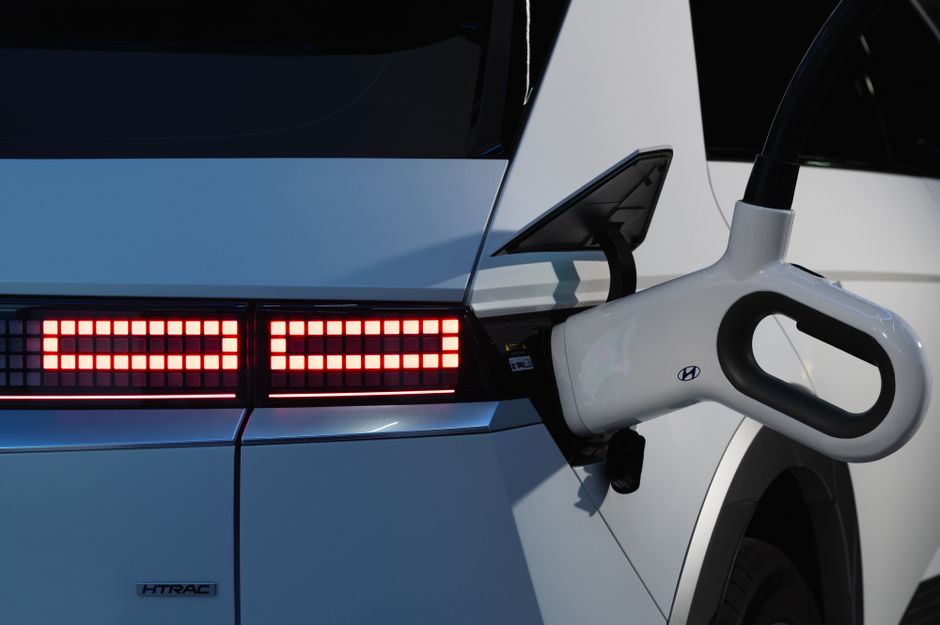
Can the refreshed 2026 Tesla Model Y Juniper defeat the deeply discounted Hyundai Ioniq 5? Read our comprehensive comparison of specs, range, and value.
In 2026, the midsize electric crossover segment is more competitive than it has ever been. For years, the Tesla Model Y reigned supreme as the undisputed global sales king, thanks to its high-tech ecosystem, unmatched Supercharging network, and exceptional efficiency. However, as the electric vehicle market matures, legacy automakers have caught up, forcing both industry leaders and rising challengers to dramatically up their game.
This year, the rivalry has reached a fever pitch. Tesla has finally delivered its highly anticipated Model Y “Juniper” refresh to volume buyers, addressing long-standing criticisms regarding ride quality, cabin noise, and exterior styling. It represents the most significant overhaul in the vehicle’s history, refining the formula that made it a household name.
At the same time, Hyundai has launched an aggressive counter-offensive with the 2026 Hyundai Ioniq 5. Rather than completely redesigning their award-winning EV, Hyundai made several critical under-the-skin updates, including standard North American Charging Standard (NACS) ports and upgraded battery packs. Most importantly, Hyundai implemented a dramatic pricing realignment, slashing MSRPs by up to $9,800 across the lineup. This massive price drop has positioned the Ioniq 5 as an incredibly compelling value proposition.
Whether you are prioritizing cutting-edge software, lightning-fast public charging times, maximum cargo space, or simply getting the absolute most car for your hard-earned money, this detailed comparison between the 2026 Tesla Model Y Juniper and the 2026 Hyundai Ioniq 5 will help you decide which electric SUV belongs in your garage.
To help you get an immediate overview of how these two industry leaders stack up, here is a quick breakdown of their key technical specifications, pricing structures, and core features for the 2026 model year.
| Feature | Tesla Model Y “Juniper” (2026) | Hyundai Ioniq 5 (2026) |
|---|---|---|
| Base Price (MSRP) | $39,990 – $57,490 | $36,600 – $47,875 (Down to $27,850 after incentives) |
| Max Driving Range | 357 miles (Premium RWD) | 318 miles (Long Range RWD) |
| Charging System | 400-Volt Architecture (250 kW peak) | 800-Volt Architecture (260 kW peak) |
| 10% to 80% Charge Time | ~30 minutes on Supercharger | ~20 minutes on 800V DC Fast Charger |
| Charging Port Type | Native NACS | Native NACS |
| CarPlay & Android Auto | No (Proprietary Tesla Interface) | Yes (Wireless standard across all trims) |
| Max Cargo Volume | 76.0 cubic feet | 59.3 cubic feet |
| Core Strengths | Acoustic quietness, stellar app integration, class-leading cargo, Autopilot maturity | Unbeatable discounted pricing, ultra-fast 800V charging, classic ergonomics, Apple CarPlay |
The “Juniper” refresh is the defining milestone of the second-generation Tesla Model Y. For the 2026 model year, Tesla has taken the incredibly popular crossover and polished its rough edges, turning it into a much more premium vehicle. From an aesthetic standpoint, the exterior upgrades are immediately noticeable. The vehicle features a lower, more aerodynamic front profile that mimics the refreshed Model 3. On the front and rear, Tesla has replaced the old light enclosures with sleek, full-width LED lightbars. These changes drop the vehicle’s drag coefficient down to an impressive 0.22, resulting in significant efficiency gains on the highway.
This aerodynamic work translates directly to superior range. The 2026 Model Y lineup in the United States is structured around five main trims:
One of the most dramatic improvements in the Juniper model is its ride quality. Older Model Y iterations were frequently criticized for having a stiff, jittery ride. To correct this, Tesla completely reworked the suspension system, installing frequency-dependent passive dampers on standard models and electronic continuously variable shock absorbers on premium and performance models. Combined with dual-pane acoustic glass on all side windows and enhanced soundproofing materials throughout the chassis, the cabin is whisper-quiet, shielding passengers from harsh road impacts and wind noise.
The interior has also undergone a massive minimalist transformation. Tesla has completely eliminated physical steering-column stalks, replacing them with haptic steering-wheel buttons for turn signals and relying on the center touchscreen for gear selection. While this change is polarizing for some drivers, the rest of the cabin upgrades are universally praised. The dashboard now sports a customizable ambient LED lightbar wrapping around the front cabin, premium textured materials, and an upgraded 16-inch Quad HD main infotainment screen. Rear passengers now get their own 8-inch entertainment display integrated into the back of the center console, allowing them to adjust climate controls or stream video content independently.
While Tesla went the route of a major visual and interior overhaul, Hyundai’s strategy for the 2026 Ioniq 5 focused heavily on value, practical upgrades, and software optimization. The biggest headline for the 2026 model year is the massive price realignment. In a move that shocked the EV industry, Hyundai slashed MSRPs across the entire Ioniq 5 lineup by up to $9,800, with an average price drop of over $9,100 per vehicle. The result is an electric crossover that completely disrupts the market, particularly when factoring in standard manufacturer incentives:
These prices make the 2026 Ioniq 5 one of the most affordable high-quality EVs on the market. For instance, you can buy a top-tier Limited trim with ventilated seats, a head-up display, and a panoramic roof for less than the starting price of a mid-tier Tesla Model Y.
Beyond pricing, the 2026 model benefits from a larger 84 kWh battery pack (up from 77.4 kWh in older models), raising the maximum RWD range to 318 miles. Hyundai has also introduced the rugged, off-road-focused XRT trim to appeal to outdoor enthusiasts. The XRT boasts standard dual-motor all-wheel drive, a 23mm suspension lift, terrain driving modes, unique bumper designs, and black 18-inch wheels wrapped in all-terrain tires.
Perhaps the most vital hardware upgrade for 2026 is the native North American Charging Standard (NACS) port. Built right into the car, this port allows Ioniq 5 owners to plug directly into the vast Tesla Supercharger network without needing awkward adapters. Once connected, the Ioniq 5’s advanced 800-volt battery architecture continues to shine. While Tesla’s 400-volt system peaks at 250 kW, the Ioniq 5 can accept power at up to 260 kW with a remarkably flat charging curve. This allows the Hyundai to charge from 10% to 80% in just 20 minutes on a compatible 350 kW DC fast charger—beating the Tesla Model Y by roughly 10 minutes on a typical road trip stop.
Selecting between the Tesla Model Y Juniper and the Hyundai Ioniq 5 comes down to prioritizing what matters most to your daily driving routine. Both of these crossovers are exceptional vehicles, but they cater to very different types of drivers. Here are the primary factors to consider when making your decision.
In 2026, the charging playing field is flatter than ever because the Hyundai Ioniq 5 now features a native NACS port, granting it seamless access to Tesla’s Supercharger network. However, the charging experiences are still distinct. If you frequently take road trips and have access to 350 kW high-speed chargers, the Hyundai Ioniq 5’s 800-volt architecture is a game-changer. It can gain hundreds of miles of range in just 20 minutes. The Tesla Model Y, operating on a 400-volt platform, takes closer to 30 minutes. That said, Tesla’s software integration remains unmatched; the car preconditions the battery automatically as you navigate to a Supercharger, and the plug-and-charge process is incredibly reliable.
Your preference for user interface will likely be the biggest deciding factor. Tesla’s Model Y Juniper relies entirely on its single 16-inch screen. With the elimination of physical stalks, you must get used to pressing buttons on the steering wheel to signal turns. Furthermore, Tesla famously refuses to support Apple CarPlay or Android Auto, forcing you to use its built-in navigation and entertainment apps. While Tesla’s software is fast and intuitive, many drivers prefer the convenience of mirroring their smartphones.
The Hyundai Ioniq 5, on the other hand, features standard wireless Apple CarPlay and Android Auto across all trims. It utilizes dual 12.3-inch screens that present information clearly, while retaining physical buttons and knobs for climate controls and audio volume. If you prefer a more traditional, ergonomic, and user-friendly driving experience without a steep learning curve, the Ioniq 5 is the clear winner.
If cargo capacity is your top concern, the Tesla Model Y Juniper is hard to beat. Because it was designed from the ground up as a utility vehicle, it offers a massive 76.0 cubic feet of maximum cargo space, including a deep sub-trunk floor compartment and a highly usable front trunk (frunk). Tesla also offers a tight 7-seat configuration on certain trims for families who occasionally need to haul small children.
The Hyundai Ioniq 5 is designed more like a giant hatchback. Its wheelbase is exceptionally long, meaning it offers outstanding legroom for front and rear passengers. The flat rear floor and sliding center console create an airy, lounge-like atmosphere. However, this passenger-first design cuts into cargo space; the Ioniq 5 offers 59.3 cubic feet of maximum cargo volume (behind the first row) and has a very small front trunk that is only suitable for charging cables.
Financially, the landscape in 2026 favors Hyundai. Thanks to the massive $9,800 price cuts, a mid-tier Ioniq 5 SEL or top-tier Limited is significantly cheaper than a comparable Model Y, especially when factoring in Hyundai’s aggressive national incentives. On the other hand, the Tesla Model Y remains eligible for the $7,500 federal EV tax credit at the point of sale, which can bring the price of a standard Model Y down significantly. Be sure to calculate your local tax incentives and dealer discounts to determine which vehicle provides the best bottom-line value for your household budget.
Yes. Starting in the late 2025 and 2026 model years, the Hyundai Ioniq 5 comes equipped with a native NACS charging port. This allows Ioniq 5 drivers to plug directly into Tesla Superchargers across North America without needing a CCS-to-NACS adapter.
Yes, the 2026 Tesla Model Y Juniper is eligible for the full $7,500 federal EV tax credit for qualified buyers, provided the vehicle’s MSRP falls below the government’s $80,000 threshold for SUVs and the buyer meets the income requirements.
No. Following the design language of the refreshed Model 3 “Highland,” the 2026 Model Y Juniper has completely eliminated steering column stalks. Turn signals are now operated via haptic press buttons located on the left side of the steering wheel, and shifting gears is handled through the central touchscreen.
While previous iterations of the Model Y were known for a stiff and loud ride, the 2026 Juniper refresh has significantly closed the gap by adding frequency-dependent dampers and dual-pane acoustic glass. However, the Hyundai Ioniq 5’s longer wheelbase and softer suspension tuning still offer a slightly more relaxed, plush, and comfortable ride over poorly maintained city streets.
Both the 2026 Tesla Model Y Juniper and the 2026 Hyundai Ioniq 5 represent the absolute best of what the midsize electric SUV market has to offer. They are highly efficient, safe, fast, and incredibly practical vehicles that prove electric cars are ready for mainstream adoption.
The Tesla Model Y Juniper remains the ultimate Tech and Utility Powerhouse. If you want maximum cargo space, the option for a third row of seats, a highly polished native app, and class-leading highway range, the Model Y is still the gold standard. Its recent suspension and cabin noise upgrades have successfully fixed the car’s legacy weaknesses, making it a more complete package than ever before.
However, the Hyundai Ioniq 5 takes the crown as our Smart Value Champion for 2026. By slashing prices across the entire lineup by up to $9,800 and adding native NACS charging capability, Hyundai has eliminated Tesla’s biggest competitive advantages. With standard wireless Apple CarPlay, traditional physical dashboard controls, a smoother ride, and an ultra-fast 800V charging system that beats Tesla on the highway, the 2026 Ioniq 5 is the better overall vehicle for the majority of mainstream buyers.
If you are looking to maximize your budget without sacrificing premium features, high-end charging speed, or daily driving comfort, the 2026 Hyundai Ioniq 5 is the best electric SUV you can buy today.
Prices and features mentioned are accurate as of the date of publication. Always check the official provider website for the most current pricing and availability.