Physical Address
304 North Cardinal St.
Dorchester Center, MA 02124
Physical Address
304 North Cardinal St.
Dorchester Center, MA 02124

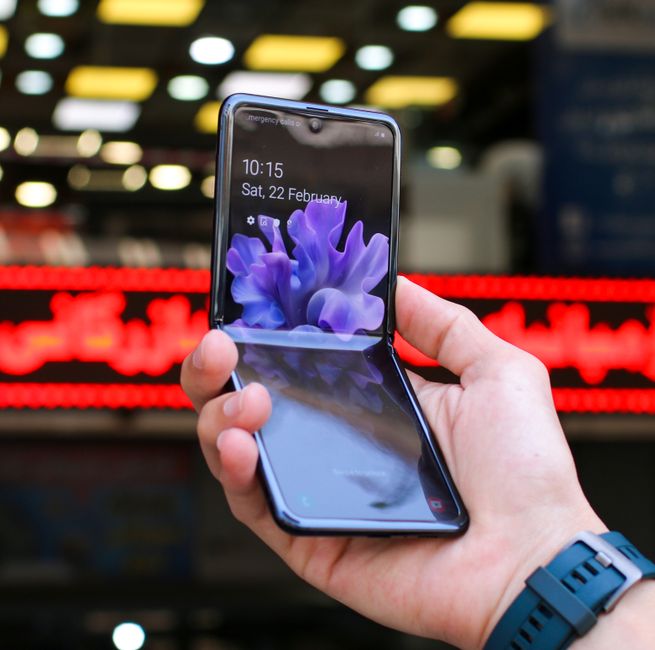
We compare Samsung's revolutionary 2026 foldables: Galaxy Z Fold 8 vs Galaxy Z Fold 8 Ultra. Discover specs, cameras, designs, prices, and pre-order details.
The foldable smartphone landscape has reached a historic turning point in 2026. For the first time in its history, Samsung is expanding its book-style foldable lineup by launching two distinct devices side-by-side at its Galaxy Unpacked event in London on July 22, 2026. This bold move introduces both the standard Galaxy Z Fold 8 and the ultra-premium Galaxy Z Fold 8 Ultra.
This release is not just a standard upgrade cycle. Samsung has fundamentally split the form factors, offering two entirely different physical designs for different user preferences. While the standard Galaxy Z Fold 8 features a wider, passport-style design, the Galaxy Z Fold 8 Ultra serves as the direct, tall successor to the Galaxy Z Fold 7.
Whether you are looking to upgrade or choosing your first foldable, the decision has never been more complex. With major upgrades to screens, processing power, and hinge durability, both phones represent the pinnacle of 2026 mobile technology. In this ComparisonMath guide, we break down every specification, design choice, and pricing detail to help you make the right choice.
To help you understand the core differences between these two cutting-edge devices, we have compiled an at-a-glance comparison. This table highlights how Samsung has diversified its flagship lineup for the 2026 model year. From screen proportions to camera sensors, these specifications represent the latest leaked data ahead of the August 5 retail release.
| Specification | Galaxy Z Fold 8 (Standard) | Galaxy Z Fold 8 Ultra |
|---|---|---|
| Form Factor Style | Short & Wide (Passport Style) | Tall & Narrow (Book Style) |
| Inner Screen | 7.6-inch Dynamic AMOLED 2X (4:3 ratio) | 8.0-inch Dynamic AMOLED 2X (500 ppi) |
| Cover Screen | 5.5-inch Dynamic AMOLED 2X (16:10 ratio) | 6.5-inch Dynamic AMOLED 2X |
| Rear Camera Setup | Dual: 50MP Wide + 50MP Ultrawide | Triple: 200MP + 50MP + 10MP Telephoto (3x Zoom) |
| Processor | Snapdragon 8 Elite Gen 5 for Galaxy | Snapdragon 8 Elite Gen 5 for Galaxy |
| Battery & Charging | 4,800mAh, 45W Fast Charging | 5,000mAh, 45W Fast Charging |
| Unfolded Thickness | Approx. 4.5mm | Approx. 4.1mm |
| Weight | 201g | 218g |
| Hinge Tech | Standard Slim Hinge | Flex Titanium Hinge Technology |
| Est. Starting Price | $1,799 – $1,899 | $2,099 – $2,199 |
The most immediate difference you will notice between these two foldables is their physical footprint. The standard Galaxy Z Fold 8 features a shorter, squarer passport design that feels incredibly natural to hold in one hand. It measures just 4.5mm thick when unfolded and weighs a remarkably light 201 grams, making it one of the thinnest and most pocket-friendly foldables on the market.
Conversely, the Galaxy Z Fold 8 Ultra maintains the traditional tall-format book style of its predecessor, the Z Fold 7. However, it pushes engineering boundaries by shaving its unfolded thickness down to an astonishing 4.1mm. Despite its ultra-thin profile, it weighs 218 grams due to its larger screen size and heavier titanium-infused internals.
The Ultra also introduces Samsung’s brand-new Flex Titanium hinge technology to the market. This mechanism uses a durable titanium alloy film coupled with a reinforced titanium plate to reduce the thickness of the hinge spine. This design dramatically reduces the visibility of the inner screen crease, a premium structural improvement missing from the standard Z Fold 8.
Samsung continues to lead the industry in screen quality, equipping both devices with stunning Dynamic AMOLED 2X panels that support variable 120Hz refresh rates. However, the physical dimensions of these displays create two very different user experiences. The standard Z Fold 8’s inner screen measures 7.6 inches with a boxier 4:3 aspect ratio, making split-screen multitasking feel like a breeze.
The Galaxy Z Fold 8 Ultra boasts a gorgeous 8-inch inner canvas with a pixel density of roughly 500 ppi. This expansive screen is ideal for immersive media consumption, gaming, and detailed productivity work. The cover screens also contrast sharply, with the standard Z Fold 8 offering a comfortable 5.5-inch (16:10) display and the Ultra utilizing a taller 6.5-inch panel.
Furthermore, the Ultra’s Flex Titanium screen backing does wonders for eliminating the notorious center crease. When you swipe your finger across the Ultra’s unfolded screen, you will barely feel the transition compared to previous models. The standard model still features a slight crease, though it has been refined over last year’s hardware.
Under the hood, both devices share the same top-of-the-line silicon: the Qualcomm Snapdragon 8 Elite Gen 5 for Galaxy. This highly optimized processor handles intensive mobile gaming, complex on-device Galaxy AI tools, and massive spreadsheet processing with ease. Out of the box, both devices run Samsung’s clean One UI 9.0 operating system, which is built on top of Android 17.
However, 2026 has brought a major challenge to the mobile industry in the form of a global memory component crisis. Due to skyrocketing material costs, Samsung has configured both base models with 12GB of RAM and 256GB of onboard storage. To get a 16GB RAM configuration, buyers will need to step up to the expensive 1TB storage tier.
This hardware crisis has also impacted Samsung’s legendary pre-order incentives. Reports indicate that the highly popular free double storage offer will be replaced in many markets with a less generous 50% discount on the storage price tier difference. Despite these hurdles, the performance on both the Fold 8 and Ultra remains incredibly snappy and future-proof.
If photography is your primary focus, the choice between these two devices becomes immediately obvious. In an effort to keep the standard Galaxy Z Fold 8 incredibly thin and light, Samsung made the controversial decision to use a dual-camera system. It features a 50MP primary sensor and a 50MP ultrawide sensor, completely omitting a physical telephoto lens.
While the standard model still takes beautiful, crisp landscape shots and supports impressive digital zoom, it cannot compete with dedicated optical zoom. The Galaxy Z Fold 8 Ultra, by contrast, is a powerhouse camera flagship. It features a massive 200MP main camera sensor, a 50MP ultrawide lens, and a 10MP telephoto lens with 3x optical zoom.
This 200MP main sensor on the Ultra captures an unbelievable level of detail, allowing you to crop in on photos without losing clarity. For selfie duties, both phones utilize a pair of 10MP front-facing cameras, ensuring your video calls remain sharp regardless of which screen you use. Ultimately, the Ultra stands head and shoulders above the standard model for content creators.
A thinner chassis usually means a smaller battery, but Samsung has managed to push battery capacities to new heights for 2026. The standard Galaxy Z Fold 8 features a highly capable 4,800mAh battery split across two physical cells. This is more than enough to get the average business professional through a demanding workday without hunting for an outlet.
The Galaxy Z Fold 8 Ultra takes battery life a step further by packing a massive 5,000mAh battery into its 4.1mm frame. Samsung’s internal testing claims this cell provides up to 27 hours of continuous video playback on a single charge. This represents a significant leap forward in efficiency, thanks in large part to the custom power management of the Snapdragon 8 Elite Gen 5 processor.
When it comes time to power back up, both foldables are on an even playing field. Both the standard Fold 8 and the Ultra support up to 45W wired fast charging. Users can expect to charge their devices from empty to roughly 65% in just over half an hour using a compatible charger.
These cutting-edge foldables represent some of the most premium consumer electronics on the market today. The shorter and wider standard Galaxy Z Fold 8 is expected to start at approximately $1,799 to $1,899 for the 256GB base model. Meanwhile, the ultra-premium Galaxy Z Fold 8 Ultra will likely start between $2,099 and $2,199.
Pre-orders for both devices are expected to open on July 22, 2026, immediately following the live Galaxy Unpacked event in London. Devices will officially land on store shelves and start shipping to customers on August 5, 2026. Early adopters should pay close attention to carrier promotions, as those deals might offset the increased base pricing.
The standard model will be offered in Graphite, Cream, Lavender, and Pistachio, providing a fun and colorful selection. The Ultra opts for a more sophisticated palette, including Cream, Graphite, Green Shadow, and Violet Shadow, alongside exclusive online-only colorways. This allows buyers to express their personal style regardless of which tier they select.
Choosing between the Galaxy Z Fold 8 and the Galaxy Z Fold 8 Ultra comes down to how you plan to use your device and your tolerance for carrying a heavier phone. The standard Galaxy Z Fold 8 is the ideal choice for users who have historically disliked the tall, narrow cover screens of older Samsung foldables. Its passport-style proportions make it feel like a normal smartphone when closed, while remaining incredibly thin and lightweight in the pocket.
You should buy the standard model if you want a wider, highly readable cover screen and do not mind the lack of a telephoto camera. It is also the smart choice if you want to save roughly $200 to $300 while still enjoying top-tier Snapdragon performance. It represents a highly practical, modern evolution of the classic book-style foldable.
On the other hand, you should choose the Galaxy Z Fold 8 Ultra if you demand the absolute best technology money can buy. The Ultra is designed for power users who want an expansive 8-inch workspace, a top-tier 200MP camera setup, and maximum battery life. It is also the only choice if you want a virtually creaseless display, thanks to the pioneering Flex Titanium hinge mechanism.
Both devices are scheduled for their official debut at the Galaxy Unpacked event in London on July 22, 2026. Pre-orders will go live immediately after the presentation, with retail shipping and store availability expected on August 5, 2026. This quick two-week window follows Samsung’s traditional summer release cycle.
Yes, both devices are fully compatible with Samsung’s S Pen on their primary inner displays. However, neither phone features a built-in slot to store the stylus inside the device’s chassis. If you plan to use the S Pen frequently, you will need to purchase a specialized case designed to hold the stylus securely.
Flex Titanium is Samsung’s latest structural innovation, combining a titanium alloy film with a titanium plate inside the hinge area to minimize the screen crease and increase durability. This premium technology is currently exclusive to the Galaxy Z Fold 8 Ultra to help justify its higher price tag. The standard Z Fold 8 uses a highly refined but traditional hinge mechanism that still has a slightly noticeable crease.
In 2026, Samsung has successfully shaken up the foldable market by giving consumers two distinctly different paths. The standard Galaxy Z Fold 8 is our recommendation for the vast majority of consumers. Its wider, passport-style form factor solves the cover screen issues of the past, while its incredibly thin profile and lower price tag make it a highly practical daily driver.
However, if you are a tech enthusiast who refuses to compromise, the Galaxy Z Fold 8 Ultra remains the undisputed king of foldables. With its massive 8-inch screen, groundbreaking Flex Titanium hinge, and professional-grade 200MP camera system, the Ultra is worth the extra investment for those who want the absolute peak of mobile innovation. Assess your priorities and budget, but rest assured that either choice represents a monumental leap forward for foldable technology in 2026.
Prices and features mentioned are accurate as of the date of publication. Always check the official provider website for the most current pricing and availability.




