Physical Address
304 North Cardinal St.
Dorchester Center, MA 02124
Physical Address
304 North Cardinal St.
Dorchester Center, MA 02124

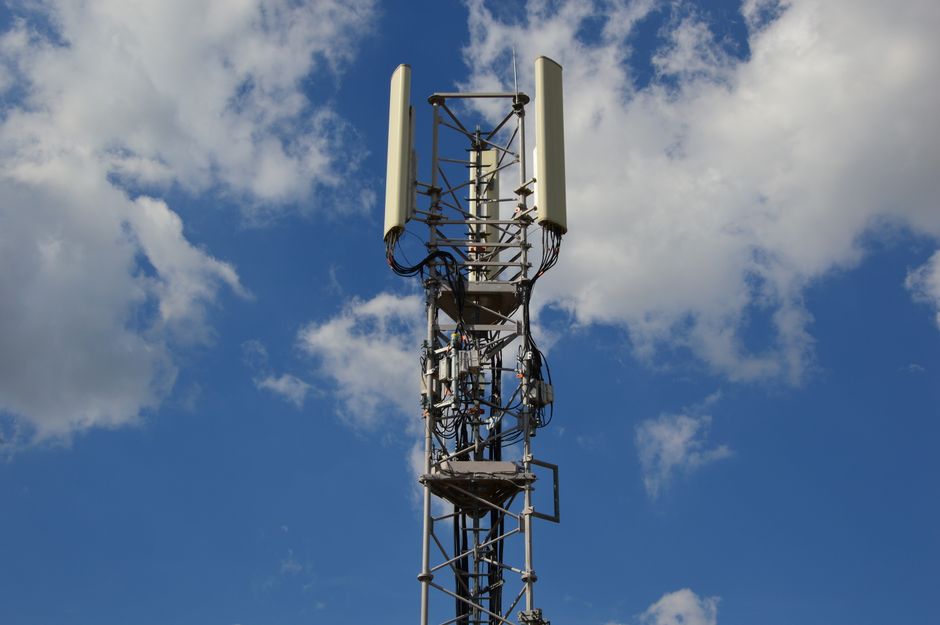
Compare T-Mobile, Verizon 5G Home Internet, and AT&T Internet Air in 2026. Find the best plans, pricing, speeds, and bundles for your home.
The traditional home internet market is undergoing its most radical transformation in a decade. Gone are the days when consumers were forced to choose between the localized monopolies of legacy cable giants and the sluggish speeds of aging copper DSL lines. As we move through 2026, 5G Fixed Wireless Access (FWA) has firmly established itself as a robust, high-speed, and incredibly cost-effective alternative to wired broadband. For millions of households, “ditching the cord” no longer just applies to cable television—it now means cutting the physical internet line entirely.
With massive spectrum rollouts, upgraded hardware, and aggressive pricing wars, three dominant carriers have emerged as the standard-bearers of FWA: T-Mobile, Verizon, and AT&T. Each provider leverages its nationwide mobile network to deliver high-speed wireless data directly to a smart gateway in your living room. This device then broadcasts strong Wi-Fi throughout your home, bypassing the need for professional installation, drilling, or cable technician visits.
However, choosing the best 5G home internet in 2026 is no longer as simple as picking the lowest sticker price. The market has matured, bringing tiered speed plans, artificial bandwidth caps, and complex bundle discounts that make direct comparisons tricky. If you are looking to switch this year, this comprehensive guide will break down the speeds, pricing, perks, and fine print for T-Mobile 5G Home Internet, Verizon 5G Home Internet, and AT&T Internet Air.
To help you compare the base realities of each service, the table below outlines the core specifications, entry-level pricing structures, and speed expectations as of mid-2026.
| Provider & Plan | Standalone Price (w/ AutoPay) | Bundled Price (w/ Mobile Plan) | Download Speed Range | Upload Speed Range | Price Guarantee | Key Equipment Included |
|---|---|---|---|---|---|---|
| T-Mobile Rely | $50/mo | $35/mo | Up to 354 Mbps (Capped) | 12 – 55 Mbps | 5-Year Guarantee | Basic 5G Gateway |
| T-Mobile Amplified | $60/mo | $45/mo | 170 – 498 Mbps (Uncapped) | 12 – 55 Mbps | 5-Year Guarantee | High-Performance Gateway |
| T-Mobile All-In | $70/mo | $55/mo | 170 – 498 Mbps (Uncapped) | 12 – 55 Mbps | 5-Year Guarantee | Wi-Fi Gateway + Mesh Extender |
| Verizon 5G Home | $50/mo | $35/mo | 85 – 300 Mbps | Up to 20 Mbps | 3-Year Guarantee | Standard 5G Receiver |
| Verizon 5G Home Plus | $60/mo | $45/mo | 200 – 500 Mbps | Up to 35 Mbps | 4-Year Guarantee | Premium Router & Whole-Home Wi-Fi |
| Verizon 5G Home Ultimate | $75/mo | $60/mo | 300 – 1,000 Mbps | Up to 75 Mbps | 5-Year Guarantee | Ultimate Router + Extender Upgrade |
| AT&T Internet Air | $55/mo | $35 – $40/mo | 75 – 225 Mbps | 8 – 30 Mbps | No Contract (No 12-mo hikes) | All-Fi Hub Gateway |
Note that the prices shown above require enrollment in AutoPay and paperless billing. Standard rates are generally $5 to $10 higher per month if AutoPay is disabled. Furthermore, your actual speeds will depend heavily on local network congestion, weather, and physical proximity to the nearest cellular tower.
T-Mobile has long been the volume leader in 5G fixed wireless. In 2026, the Un-carrier utilizes three distinct plan structures to segment its home internet customer base: Rely, Amplified, and All-In. This tier system represented a major strategic shift, introducing the company’s first artificial speed cap on an entry-level plan.
The entry-level Rely Home Internet plan is highly affordable, starting at $35 per month when bundled with an eligible T-Mobile voice plan ($50 per month standalone). However, as of a June 2026 update, T-Mobile hard-caps Rely download speeds at 354 Mbps. While this is more than enough for streaming 4K video and working from home, power users must look to the higher tiers.
The mid-tier Amplified Home Internet plan removes the speed cap, allowing download speeds to range between 170 Mbps and 498 Mbps. It costs $45 per month bundled ($60 standalone) and includes a superior high-performance gateway designed to manage more simultaneous devices. At the peak is All-In Home Internet ($55 bundled, $70 standalone). All-In provides the same uncapped speeds but bundles in a physical Wi-Fi mesh access point, 24/7 interactive video customer support via the PocketGeek app, advanced cybersecurity features, and streaming perks like T-Mobile Tuesdays.
Pros: Excellent price guarantee (5 years lock-in); highly consistent nationwide mid-band 5G coverage; Wi-Fi 6 and Wi-Fi 7 gateway configurations.
Cons: Artificial speed cap on the cheapest plan; network priority is lower than mobile voice lines during peak congestion hours.
Verizon’s strategy focuses on network speed customization and high-value promotional perks. Operating on its lightning-fast C-band and millimeter-wave (mmWave) networks, Verizon offers three myHome plan tiers: 5G Home, 5G Home Plus, and 5G Home Ultimate.
The standard 5G Home tier ($35 bundled, $50 standalone) supports download speeds from 85 to 300 Mbps, optimized for 1080p HD video streaming, and carries a 3-year price lock. 5G Home Plus ($45 bundled, $60 standalone) ups the download speed range to 200–500 Mbps and extends the price lock to 4 years. This tier also includes premium Whole-Home Wi-Fi router coverage.
The flagship 5G Home Ultimate tier ($60 bundled, $75 standalone) is designed to rival high-speed fiber lines. Utilizing mmWave spectrum where available, Ultimate delivers blistering download speeds of 300 to 1,000 Mbps (1 Gbps) and up to 75 Mbps upload. It comes with a 5-year price lock, a guaranteed router upgrade after 3 years, and whole-home mesh extenders. Most notably, Verizon includes blockbuster promotional giveaways with this plan; for the 2026 regular season, switching to the Ultimate tier nets you NFL Sunday Ticket on YouTube on Verizon’s dime (a massive $480 value).
Pros: Gigabit speed potential on the Ultimate plan; massive premium perks like NFL Sunday Ticket; solid 3 to 5-year price locks.
Cons: Ultra-fast mmWave speeds are highly limited to urban dense pockets; standalone pricing without a mobile bundle is on the higher end.
AT&T entered the FWA race slightly later than its rivals, initially positioning its Internet Air service as a quick fix for customers transitioning off aging DSL networks. However, by mid-2026, AT&T has put major marketing muscle behind the service, crossing 2 million active subscribers.
Unlike T-Mobile and Verizon, AT&T keeps things incredibly straightforward with a single, uncomplicated plan. AT&T Internet Air is priced at a flat $55 per month with AutoPay and paperless billing. If you bundle the service with a qualifying AT&T mobile plan (including their popular customized Build-A-Plan wireless tiers), the price falls to an attractive $35 to $40 per month.
From a hardware perspective, AT&T provides the sleek All-Fi Hub, a gateway that can be self-installed in under ten minutes using the Smart Home Manager app. While AT&T initially lagged in raw speeds, 2026 brought major network upgrades. Following a significant integration of mid-band spectrum acquired from EchoStar, AT&T Internet Air customers are seeing download speeds up to 55% faster than in prior years. Typical download speeds now sit comfortably between 75 Mbps and 225 Mbps (with peaks up to 300 Mbps in optimal conditions), with upload speeds averaging 8 to 30 Mbps.
Pros: Zero equipment fees or hidden contract hikes; the AT&T Guarantee automatically issues bill credits for network downtime lasting over 20 minutes; stable, straightforward pricing structure.
Cons: Slower peak download and upload speeds than Verizon or T-Mobile’s premium tiers; network footprint is still somewhat restricted compared to T-Mobile’s vast FWA reach.
With three stellar options on the table, finding the right provider depends on several personal household factors. Use this quick buying checklist to guide your decision:
Because FWA services are heavily discounted when bundled with a postpaid mobile phone line, your current cell phone carrier should be your starting point. Saving $15 to $20 every single month on your internet bill makes an enormous financial impact over time. If you are already an active Verizon, T-Mobile, or AT&T mobile customer, check their in-house FWA availability first.
Consider what your family actually does online. If your household is small and mostly streams movies or browses social media, T-Mobile Rely or Verizon’s standard 5G Home plan is plenty. However, if you have a smart home packed with security cameras, multiple remote workers, or teenagers downloading massive game files, you will want the uncapped bandwidth of T-Mobile Amplified/All-In or the gigabit capabilities of Verizon’s 5G Home Ultimate.
While 5G download speeds have caught up with cable, cellular latency (ping) is still more volatile than fiber optic or hardwired coaxial networks. On average, expect ping rates of 20–40ms on Verizon, and 25–50ms on AT&T and T-Mobile. If you are a competitive gamer playing twitch-reaction multiplayer shooters, wired fiber remains superior; however, for casual multiplayer games, all three 5G providers perform admirably in 2026.
Q: Do T-Mobile, Verizon, or AT&T 5G home internet plans have data caps?
A: No, none of these three major carrier plans impose hard monthly data caps or overage charges. However, keep in mind that FWA data is treated with lower priority on the cell towers than mobile phone data, meaning your speeds may temporarily slow down during peak localized network congestion.
Q: Can I take my 5G gateway with me when traveling or moving?
A: No. Standard home gateways are tied directly to the address registered on your account to prevent tower overloading. Moving the gateway to a non-registered address can result in service suspension. If you need portable internet, T-Mobile offers a dedicated, travel-friendly tier called “AWAY” specifically designed for RVs and travel.
Q: How does bad weather affect 5G home internet?
A: Extreme weather conditions like heavy rain, dense fog, or thick snow can occasionally degrade high-frequency 5G signals, leading to minor temporary speed drops. However, in 2026, modern gateways utilize advanced beamforming and lower-frequency mid-band spectrum, making the connection vastly more resilient to weather fluctuations than old satellite dish setups.
Q: Is 5G home internet truly better than traditional fiber?
A: If fiber-to-the-home (FTTH) is available at your address, it is almost always the superior choice in terms of reliability, lower latency, and symmetrical upload/download speeds. However, 5G home internet is generally much cheaper, requires zero installation fees, and is far more widely available in rural or suburban areas where fiber has yet to expand.
The crown for the best 5G home internet in 2026 depends entirely on your address eligibility and mobile carrier alignment. However, when looking at the overall national landscape, T-Mobile 5G Home Internet remains the best choice for the vast majority of suburban and rural households. Even with its newly introduced speed cap on the Rely tier, T-Mobile’s mid-band 5G network is incredibly robust, consistently offering the widest and most reliable high-speed footprint in the country.
That said, if you reside in a major metro area with access to Verizon’s Ultra Wideband network, Verizon 5G Home Ultimate is the undisputed king of raw speed. Reaching gigabit speeds alongside premium perks like NFL Sunday Ticket, Verizon is a power user’s dream. Finally, AT&T Internet Air stands out as the ultimate set-and-forget option—its simple, single-plan pricing, uptime guarantees, and massive EchoStar-driven speed boost make it an outstanding choice for existing AT&T cellular subscribers.
Prices and features mentioned are accurate as of the date of publication. Always check the official provider website for the most current pricing and availability.




