Physical Address
304 North Cardinal St.
Dorchester Center, MA 02124
Physical Address
304 North Cardinal St.
Dorchester Center, MA 02124
A 2026 comparison of Opus Clip, Submagic, and Captions. Find the best AI short-form video editor for your workflow, pricing, and features.
In 2026, the battle for digital attention is fought entirely in the short-form video arena. With social media platforms like TikTok, YouTube Shorts, and Instagram Reels continuously updating their algorithms, creators must post high-retention content daily just to stay visible. Simply uploading a raw recording and hoping for the best is a strategy of the past.
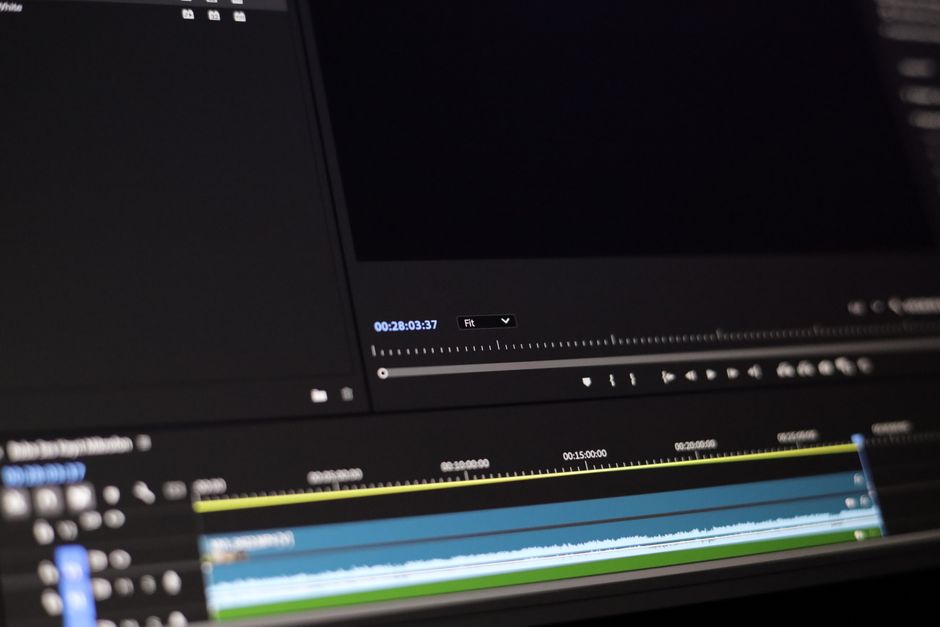
To succeed in this landscape, modern video editing requires speed, style, and extreme efficiency. Traditional manual editing in professional software like Adobe Premiere Pro is powerful but incredibly slow. Spending hours searching for hooks, cropping aspect ratios, and syncing kinetic subtitles is no longer viable for high-volume creators.
This is where AI short-form video editors come in, automating the most tedious parts of video production. Currently, three major platforms dominate the AI video editing market: Opus Clip, Submagic, and Captions. Each software claims to be the ultimate companion for content creators, but they serve completely different needs.
While one tool specializes in slicing long podcasts into viral clips, another focuses on premium aesthetic styling, and the third acts as a virtual AI camera crew. Choosing the wrong tool can lead to unexpected credit bills, rigid formatting limits, and low-retention videos. This deep dive will compare Opus Clip, Submagic, and Captions to help you find your perfect 2026 editor.
To help you make an immediate, informed decision, we have compiled an at-a-glance comparison. This table highlights their target audiences, starting price points, and core advantages for the current calendar year.
| Feature | Opus Clip | Submagic | Captions (Captions.ai) |
|---|---|---|---|
| Primary Focus | Long-to-short video repurposing and clip extraction. | Short-form video enhancement, styling, and B-roll automation. | All-in-one AI-driven talking-head creation and face correction. |
| Best For | Podcasters, webinar hosts, and long-form creators. | Agencies, marketing teams, and high-retention editors. | Solo creators, vloggers, and mobile-first influencers. |
| 2026 Price Range | $0 (Free) to $29/mo (Pro plan); custom Business tier. | $0 (Free) to $69/mo (Business plan); annual discounts up to 41%. | $9.99/mo (Pro) to $69.99/mo+ (Scale plans); pay-per-credit AI features. |
| Mobile App | No, web browser-based platform. | No, web browser-based platform. | Yes, native iOS and Android apps alongside Web editor. |
| Key Advantage | AI-driven virality scoring, speaker tracking, and bulk clipping. | Automatic premium B-roll (Storyblocks), sound effects, and auto-zoom. | Generative AI Twins, Eye Contact correction, and voice dubbing. |
Let us take a detailed, technical look at how these three platforms perform in practice. By looking under the hood, we can see exactly what you are paying for in each package.
Opus Clip is the undisputed market leader for turning massive long-form recordings into bite-sized viral assets. If you regularly host a video podcast, record webinars, or upload long YouTube tutorials, this is your primary tool. You simply paste a link or upload a file, and the AI handles the rest.
The magic of Opus Clip lies in its ‘ClipAnything’ algorithm and moment detection systems. Instead of just reading text transcripts, the AI looks at both visual and audio context to find logical, self-contained story hooks. It automatically ranks each extracted segment with a ‘Virality Score,’ predicting how well it will perform on modern social feeds.
Once the clips are selected, Opus Clip‘s active speaker detection takes over. It automatically tracks faces and reframes the video into a vertical 9:16 aspect ratio, making multi-speaker interviews look natural. The platform also applies dynamic, color-coded captions and can automatically insert context-relevant AI B-roll overlays to keep viewers hooked.
However, you must be aware of how Opus Clip‘s credit-based pricing operates in 2026. One credit is consumed for every single minute of source video processed, regardless of how many short clips you end up exporting. If you process a 60-minute podcast, you lose 60 credits, even if the AI only finds two usable 30-second clips.
In terms of cost, Opus Clip offers a basic Free plan with 60 credits per month, though exports contain watermarks and expire in three days. The Starter plan begins at $15 per month, providing watermark-free downloads and basic editing tools. The Pro plan at $29 per month (or $14.50 per month billed annually) is the sweet spot, providing 300 credits, a social scheduler, and AI B-roll.
Be careful when managing your subscription limits with Opus Clip. If you decide to cancel your plan, the platform will completely delete all of your active projects and saved clips after three days. This forces creators into a continuous billing cycle or requires them to immediately download all finished assets.
While Opus Clip focuses on extracting multiple clips from long videos, Submagic specializes in perfecting individual short clips. It is designed under the assumption that you already have a short video that needs professional-level polish. This makes it a massive favorite for digital marketers, aesthetic content creators, and social media agencies.
Submagic is globally recognized for its ‘Hormozi-style’ animated captions, which are highly optimized to maximize viewer retention. The engine automatically transcribes voiceovers, highlights crucial keywords with vibrant colors, and inserts contextually accurate emojis. It supports flawless transcription across more than 48 languages.
Beyond basic subtitles, Submagic acts as an automated post-production suite. It uses AI to seamlessly insert premium, context-relevant B-roll directly from Storyblocks. It also automates the addition of dynamic zooms, background music, and professional sound effects like whooshes and pops to keep the audience’s attention.
Submagic also includes a ‘Magic Clips’ feature for long-to-short clipping, but its core strength remains high-quality aesthetic styling. It is an excellent fit for solo creators who record short-form talking-head videos on their phones and need them edited instantly. The automated B-roll selection saves creators from hours of searching through stock footage websites.
In 2026, Submagic operates on a video-based subscription model rather than a minute-based credit system. The Free plan allows you to style 3 videos per month with a watermark. The Starter plan costs $19 per month (or $12/month annually) and allows 15 video uploads of up to 2 minutes each.
The Pro plan is priced at $39 per month (or $23/month annually), giving you 40 video uploads of up to 5 minutes, premium B-roll, and auto-zoom. The Business plan costs $69 per month (or $41/month annually) for 100 uploads of up to 30 minutes in up to 4K resolution. If you edit in short bursts rather than consistent monthly volumes, you may find the video upload limits frustrating since unused limits do not roll over.
Captions (commonly known as Captions.ai) is not just a subtitle generator; it is a full-scale creative studio. Available as an online web editor and a native mobile application for iOS and Android, it is highly optimized for solo creators. It is built to make talking-head videos look like they were filmed in a professional studio with a multi-camera setup.
Captions stands out from the competition by offering futuristic, generative AI tools. Its famous ‘Eye Contact’ correction feature automatically adjusts your gaze, making it look like you are staring directly at the lens even if you are reading a script. It also features ‘AI Twin,’ which generates a highly realistic digital avatar of your face and voice to create new videos from simple text.
The ‘AI Edit’ feature automatically cuts out long pauses, reduces distracting background noise, and overlays synchronized B-roll. Additionally, its AI Dubbing and Lip-Sync engine can translate your spoken words into over 100 languages. Crucially, the translated voice still sounds like you, and your lips are digitally morphed to match the new language.
Captions features a highly intuitive, chat-based editor that lets you make advanced timeline adjustments using simple text prompts. If you want to change a style, add a sound effect, or crop a scene, you simply type a command to the AI. This eliminates the steep learning curve associated with traditional timeline-based video editing software.
Pricing for the Captions ecosystem is highly approachable but relies on a credit-meter system for heavy generative tasks. The basic Pro subscription on mobile starts at $9.99 per month, which removes watermarks and gives access to 100+ caption templates. The Max plan, priced at $24.99 per month, is highly recommended as it unlocks the AI Twin, AI actors, and text-to-video tools.
For teams and businesses, the Scale plan starts at $69.99 per month and scales upward based on your required volume of AI credits. Each credit for heavy AI operations costs exactly $0.05, meaning you only pay for the precise amount of rendering power you use. While this keeps entry costs low, heavy reliance on digital avatars can quickly scale up your monthly invoice.
Selecting the right AI editor in 2026 comes down to identifying your biggest creative bottleneck. Since these platforms specialize in different parts of the video production pipeline, the right choice depends on your starting material.
If your primary bottleneck is content discovery and volume, Opus Clip is your ideal match. If you are a podcaster or live streamer with hours of raw footage, you need a tool that can instantly find the best moments. Opus Clip‘s bulk clipping and virality scoring will save you from spending hours scrubbing through timelines.
If your bottleneck is video design, retention, and aesthetic appeal, Submagic is the clear winner. If you already record highly structured, short-form scripts, you do not need a clip-discovery tool. Instead, you need Submagic’s best-in-class captions, automatic Storyblocks B-roll, and synchronized sound effects to maximize your viewer retention.
If your bottleneck is filming, accessibility, and native mobile editing, Captions is the superior choice. Solo creators who want to shoot, script, and edit entirely on an iPhone will find Captions’ native app indispensable. Furthermore, its Eye Contact correction and AI Twin avatars allow you to produce content even when you do not have the time to film.
Q: Can I use these AI video editors for free?
A: Yes, both Opus Clip and Submagic offer completely free tiers, though they both apply watermarks to your exported videos. Opus Clip gives you 60 processing credits per month, while Submagic allows you to edit 3 videos per month. Captions requires a paid subscription starting at $9.99 per month to export watermark-free videos, though you can test features within the app.
Q: Do my unused video limits or credits roll over to the next month?
A: Generally, no. On Submagic, your monthly upload limits reset at the end of each billing cycle, meaning any unused video allocations are lost. On Opus Clip, monthly subscription credits do not roll over, though their annual plans provide a 12-month credit window to use your balance. Captions features a rollover ceiling for its Scale plans, but standard monthly plans reset.
Q: Which tool is best for multi-speaker podcasts?
A: Opus Clip is far and away the best tool for multi-speaker podcasts and interviews. Its active speaker detection uses facial tracking to instantly switch between speakers or create a split-screen layout. Submagic and Captions are optimized for single talking-head videos and struggle to naturally frame multi-speaker conversations.
Q: Are these editors available as mobile applications?
A: Captions is the only tool of the three that features a robust, fully native mobile application for both iOS and Android. Opus Clip and Submagic are web-based platforms, meaning you must access them via a desktop or mobile browser. For creators who prefer to edit, polish, and publish directly from their smartphones, Captions is the superior option.
The title of the best AI short-form video editor in 2026 does not belong to a single software. Instead, the crown is split based on your specific production pipeline.
If you are a podcaster or long-form creator, Opus Clip is the absolute winner for bulk clipping and instant content generation.
If you are a marketing agency or aesthetic creator looking for high-retention subtitles and automatic B-roll, Submagic takes the gold.
If you are a solo mobile creator who wants advanced generative tools like digital twins and eye contact correction, Captions is your clear champion.”
3.9].
Prices and features mentioned are accurate as of the date of publication. Always check the official provider website for the most current pricing and availability.