Physical Address
304 North Cardinal St.
Dorchester Center, MA 02124
Physical Address
304 North Cardinal St.
Dorchester Center, MA 02124

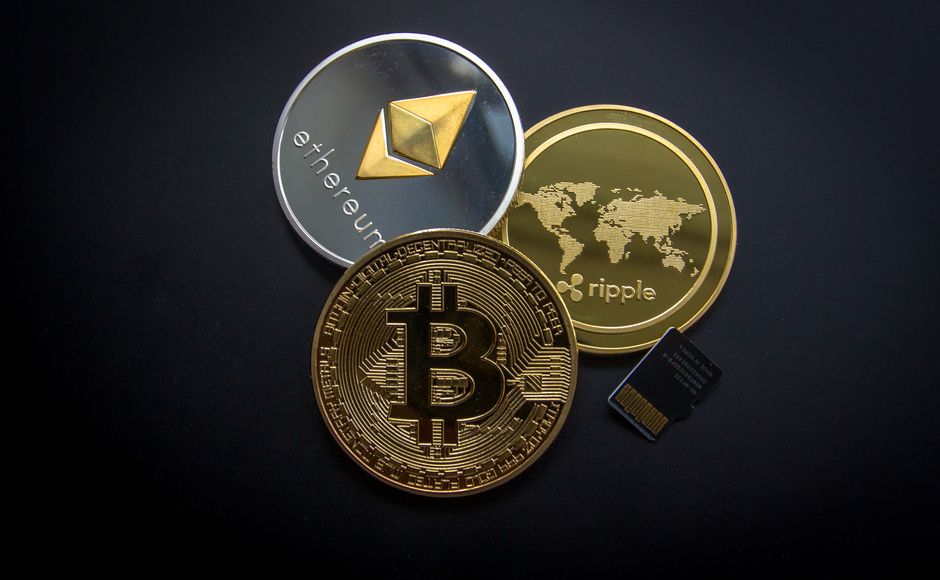
Our in-depth 2026 cold wallet comparison: Tangem, Ledger, and Trezor. Discover specs, safety, and prices to find the best hardware crypto wallet.
In 2026, self-custody of digital assets has evolved from a technical choice to a fundamental necessity. With the crypto landscape maturing rapidly, users are no longer willing to leave their financial freedom in the hands of centralized exchanges or custodial platforms. Hardware wallets—commonly known as cold wallets—have become the gold standard for safeguarding cryptocurrencies. However, choosing the right wallet in 2026 is vastly different than it was a few years ago, as technology has leaped forward with touchscreen interfaces, wireless connectivity, and even wearable form factors.
Today, the market is dominated by three giants, each representing a fundamentally different philosophy of convenience, physical design, and security: Tangem, Ledger, and Trezor. Tangem has disrupted the industry by offering completely screenless, card-shaped and ring-shaped cold storage. Ledger has leaned heavily into premium, highly secure E-Ink touchscreen devices that prioritize visual confirmation. Meanwhile, Trezor has bridged the gap between pure open-source hardware and modern convenience with its brand-new flagship models.
This comprehensive comparison will guide you through the 2026 offerings of Tangem, Ledger, and Trezor. We will analyze their physical specifications, security architectures, ease of use, and pricing models. Whether you are looking for an affordable backup wallet or a high-end device to secure a massive multi-chain portfolio, this guide will help you make an informed decision.
To help you see the big picture immediately, we have compiled the core specifications, prices, and features of the leading models from all three manufacturers for 2026. This table highlights how each brand balances portability, interface clarity, and trust assumptions.
| Wallet Brand / Model | Form Factor & Screen | Connection Type | Key Security Chip | Retail Price (2026) | Key Management Model |
|---|---|---|---|---|---|
| Tangem Wallet 2.0 | Credit-card sized, No Screen | NFC Only | Samsung EAL6+ Certified | $54.90 (2-Pack) / $69.90 (3-Pack) | Seedless (NFC Multi-Card Cloning) or Optional Seed Phrase |
| Tangem Ring | Hypoallergenic Smart Ring, No Screen | NFC Only | Samsung EAL6+ Certified | $160.00 (Ring + 2 Backup Cards) | Seedless (NFC Multi-Device Cloning) |
| Ledger Flex | 2.84-inch E-Ink Touchscreen | USB-C, Bluetooth, NFC | ST33K1M5 (CC EAL6+) | $249.00 | Traditional BIP-39 (12/24 words) or Optional Ledger Recover |
| Ledger Stax | 3.7-inch Curved E-Ink Touchscreen | USB-C, Bluetooth, NFC, Qi Wireless | ST33K1M5 (CC EAL6+) | $399.00 | Traditional BIP-39 (12/24 words) or Optional Ledger Recover |
| Trezor Safe 5 | 1.54-inch Color Touchscreen | USB-C, MicroSD | EAL6+ Certified Secure Element | $169.00 | Standard BIP-39 or Shamir Secret Sharing Backup |
| Trezor Safe 7 | 2.5-inch Color Touchscreen, Aluminum | USB-C, Bluetooth, Qi2 Wireless | Dual Secure Element (TROPIC01 + EAL6+) | $249.00 | Quantum-Ready BIP-39 or Shamir Secret Sharing Backup |
Each of these hardware wallet manufacturers has designed its products with a specific user profile in mind. Below, we dive deep into the unique technologies, hardware designs, security certifications, and exact pricing for Tangem, Ledger, and Trezor as of 2026.
Tangem has challenged the traditional notion of what a cold wallet must look like. Its primary products, the Tangem Wallet 2.0 and the innovative Tangem Ring, completely eliminate screens, buttons, batteries, and charging ports. The Tangem Wallet 2.0 comes as a set of plastic cards resembling standard credit cards, priced at $54.90 for a two-card pack and $69.90 for a three-card pack. The Tangem Ring, priced at $160.00, offers the world\’s first wearable smart ring cold wallet, crafted from hypoallergenic zirconia ceramic and bundled with two backup cards.
Under the hood, Tangem relies on a Samsung EAL6+ certified Secure Element chip. Instead of utilizing cables or Bluetooth, the device communicates with your iOS or Android smartphone via short-range Near Field Communication (NFC). The defining feature of Tangem is its seedless security architecture. During setup, the secure chip inside the first card generates a completely unique private key. To create a backup, you use the Tangem mobile app to securely clone that private key onto your backup cards or ring over an encrypted, localized NFC transfer. This means you do not have to write down or secure a physical seed phrase, eliminating the risks of paper recovery sheet theft or keyboard keyloggers.
The physical durability of Tangem\’s products is legendary. Lacking internal batteries, ports, or delicate glass screens, the cards and ring boast IP68 and IP69 environmental protection ratings. They are completely waterproof, dustproof, and capable of operating in extreme temperatures ranging from -25°C to 50°C. The major trade-off of Tangem\’s design is the lack of an on-device display. Because there is no screen, you must verify the destination address of your transactions on your smartphone\’s display. While the Tangem mobile application is open-source and highly secure, purists who demand isolated physical confirmation of transaction data may find the screenless design a drawback.
Ledger remains the heavyweight champion of commercial cold storage, known for its polished aesthetic designs and deep integration with Web3 applications. In 2026, Ledger\’s product lineup is defined by its touchscreen devices: the mid-range Ledger Flex ($249.00) and the premium Ledger Stax ($399.00). Ledger also continues to offer the classic Ledger Nano X ($149.00) and the budget-friendly Ledger Nano S Plus ($79.00) for users who prefer compact, button-operated form factors.
The Ledger Flex features a 2.84-inch flat, 16-grayscale E-Ink touchscreen with a resolution of 480 x 600 pixels. The Ledger Stax steps up the luxury with a massive 3.7-inch curved E-Ink display that wraps around the side of the device, alongside Qi wireless charging compatibility. Both touchscreen models are built around the ST33K1M5 Secure Element chip, which carries a Common Criteria (CC) EAL6+ certification. E-Ink displays are highly energy-efficient, allowing the batteries of the Flex and Stax to last for weeks or even months on a single charge while retaining an customizable always-on lockscreen to showcase your favorite NFTs.
Ledger’s primary security advantage is a feature called \”Clear Signing\”. Because the touchscreen is driven directly by the certified secure chip, the screen itself is isolated from potential host compromises. When you review a transaction on a Ledger Flex or Stax, you are seeing the raw data processed by the secure element, protecting you from screen-spoofing and malicious smart contract modifications. However, Ledger\’s proprietary operating system (Ledger OS) is closed-source. Additionally, the optional Ledger Recover service—which allows users to back up encrypted fragments of their seed phrase with three separate custodians—continues to draw criticism from hardcore decentralized privacy advocates who prefer zero corporate involvement.
Trezor, produced by SatoshiLabs, is the original hardware wallet brand and has built its reputation on strict open-source software and open-hardware designs. In 2026, Trezor\’s lineup is anchored by the budget-conscious Trezor Safe 3 ($79.00), the touchscreen-enabled Trezor Safe 5 ($169.00), and the brand-new, ultra-premium Trezor Safe 7 ($249.00).
The Trezor Safe 3 utilizes a traditional 0.96-inch OLED screen and physical buttons, while the Trezor Safe 5 upgrades the experience with a highly responsive 1.54-inch color touchscreen and haptic feedback. The crown jewel of Trezor\’s engineering in 2026 is the Trezor Safe 7. Retailing for $249.00, the Safe 7 features a premium aluminum unibody, a 2.5-inch Gorilla Glass touchscreen, built-in Bluetooth connectivity, and Qi2 wireless charging. What truly sets the Safe 7 apart is its Dual Secure Element architecture. It pairs an industry-standard EAL6+ secure chip with Trezor\’s custom-designed, fully open-source TROPIC01 secure element. This represents the world\’s first auditable, transparent secure chip, allowing independent cryptographers to verify its design at the physical silicon level.
Trezor’s devices are fully \”quantum-ready,\” designed to support highly advanced post-quantum cryptographic standards via future firmware updates. Trezor also natively supports Shamir Secret Sharing, allowing users to split their recovery backup into multiple physical shares (e.g., three of five shares required to recover the wallet). While older Trezor devices required wired connections to a computer, the Safe 7’s Bluetooth capabilities allow it to pair seamlessly with the mobile Trezor Suite app on iOS and Android. Trezor remains the top choice for users who refuse to use closed-source security hardware.
Selecting the best cold wallet in 2026 depends on how you value physical durability, software transparency, Web3 integration, and your budget. By evaluating these key parameters, you can identify which device perfectly matches your investment style.
Portability and Daily Convenience: If you are looking for a highly portable wallet that fits in your physical card holder or on your finger, Tangem is the clear winner. The Tangem Wallet 2.0 cards and the Tangem Ring require zero charging, have no fragile glass screens, and operate with a simple tap against your phone. This makes Tangem the ideal companion for travel and quick mobile transactions.
DeFi and Web3 Power Users: If your portfolio includes complex smart contracts, NFTs, and frequent interactions with decentralized exchanges, you should prioritize a device with an on-board screen. The Ledger Flex and Trezor Safe 7 provide a massive security advantage through on-device address verification. By clear-signing your transactions on a secure display, you can spot malicious addresses before approving them, which is a critical defense mechanism when interacting with the Web3 ecosystem.
The Open-Source vs. Closed-Source Choice: This is the ultimate philosophical divide. If you believe in the decentralized maxim of \”don’t trust, verify,\” Trezor’s open-source ethos is unmatched. The Trezor Safe 7’s auditable TROPIC01 secure chip provides absolute peace of mind. Conversely, if you prefer premium aesthetics, a highly polished native software app (Ledger Live), and do not mind trusting a leading corporation’s closed-source secure element, the Ledger Flex offers an exceptional user experience.
Value and Budget Constraints: For investors looking to get the maximum security for the lowest price, the Tangem Wallet 2.0 3-pack ($69.90) and the Trezor Safe 3 ($79.00) represent the best value-for-money options. They offer military-grade EAL6+ protection without the high price tags of premium touchscreens. If you have a larger portfolio and want the absolute best hardware available, the Ledger Flex ($249.00) and the Trezor Safe 7 ($249.00) are well worth the investment.
Yes. Tangem’s default seedless model is highly secure. When you configure the wallet, your private key is generated directly inside the Samsung EAL6+ secure element chip and cloned onto your backup cards via an encrypted, localized NFC connection. Because the private key never leaves the physical chips, there is no paper seed phrase that can be stolen, photographed, or lost. However, this means that if you lose all of your physical backup cards, your funds are permanently unrecoverable. For users who prefer traditional backups, Tangem 2.0 does offer the option to generate a standard 12- or 24-word seed phrase during setup.
Clear Signing is a security protocol that ensures you can see and verify the exact details of a blockchain transaction on a secure, isolated hardware screen before you sign it. Devices like the Ledger Flex, Ledger Stax, and the Trezor Safe series utilize secure screens driven directly by their Secure Element chips. This prevents screen-spoofing malware on your computer or phone from tricks like showing you a benign transaction details on your app while sending a malicious smart contract to your wallet for signing. If your hardware wallet does not have a screen (like Tangem), you must trust that your smartphone’s display has not been compromised by malware.
No, Ledger devices are not fully open-source. While Ledger has open-sourced many of its developer tools, client applications, and integration libraries on GitHub, its core operating system (Ledger OS) and the firmware running on its ST33K1M5 Secure Element chips are proprietary and closed-source. Ledger asserts that this is necessary to comply with non-disclosure agreements required by secure chip manufacturers. If fully open-source software and hardware are a requirement for you, Trezor is the superior option.
Yes, but compatibility varies by model. The premium Trezor Safe 7 supports both iOS and Android platforms wirelessly via built-in Bluetooth, linking directly with the mobile Trezor Suite application. The Trezor Safe 3 and Trezor Safe 5 do not feature Bluetooth; they connect to Android smartphones and desktop computers via a USB-C cable. Due to historical iOS operating system limitations on wired data transfers, wired Trezor devices have extremely limited functionality on iPhones, making the Bluetooth-equipped Safe 7 the best choice for Apple users.
In 2026, the cold wallet market has matured to offer excellent, battle-tested options for every type of cryptocurrency investor. The \”best\” choice is no longer universal—it is the one that aligns with your specific budget and security values.
The Overall Winner for Usability & Value: Tangem Wallet 2.0. For the vast majority of everyday crypto holders, Tangem offers the most elegant, frictionless self-custody experience on the market. Its credit-card-sized form factor, absolute physical durability, and incredibly affordable price point ($69.90 for a 3-card pack) remove all barriers to cold storage. By eliminating the anxiety of writing down and securing a 24-word seed phrase, it makes cold custody accessible to beginners and veterans alike without sacrificing EAL6+ secure element security.
The Winner for Open-Source Purists & High-Net-Worth Investors: Trezor Safe 7. If you are securing a large portfolio and demand absolute transparency, the Trezor Safe 7 is the finest hardware wallet available in 2026. Its groundbreaking Dual Secure Element architecture, featuring the verifiable and open-source TROPIC01 chip, sets a new industry standard. Combined with a 2.5-inch Gorilla Glass touchscreen, Bluetooth convenience, and a quantum-ready foundation, the Safe 7 represents the absolute peak of auditable security.
The Winner for Web3 Aesthetics and clear signing: Ledger Flex. If your primary focus is a gorgeous, premium user interface for daily Web3 and DeFi interactions, the Ledger Flex ($249.00) is a phenomenal piece of engineering. Its E-Ink touchscreen and secure \”Clear Signing\” ecosystem provide an incredibly smooth, visually intuitive, and secure experience for interacting with decentralized applications.
Prices and features mentioned are accurate as of the date of publication. Always check the official provider website for the most current pricing and availability.