Physical Address
304 North Cardinal St.
Dorchester Center, MA 02124
Physical Address
304 North Cardinal St.
Dorchester Center, MA 02124

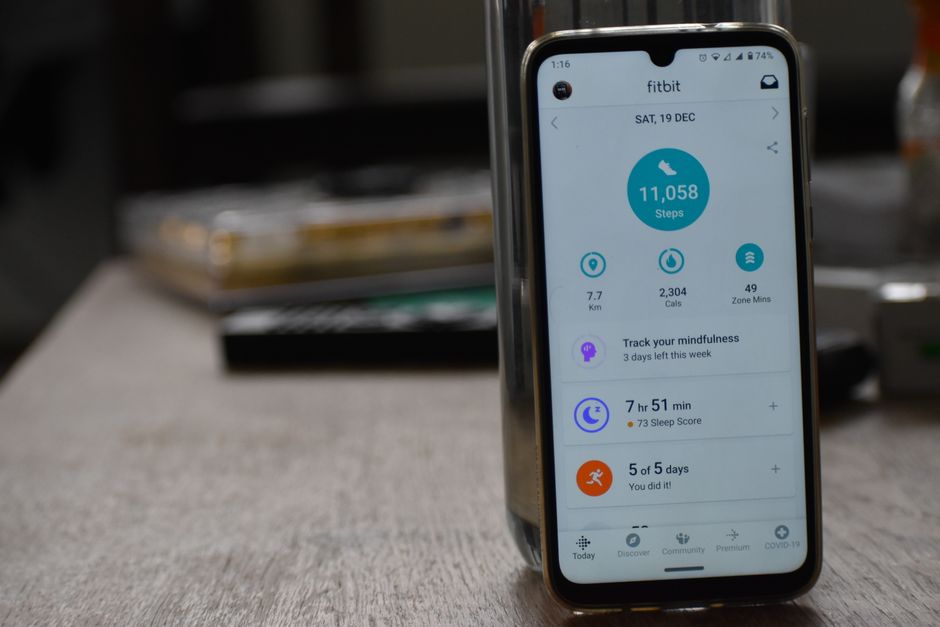
Compare Google Fitbit Air vs Whoop 5.0. Read our detailed 2026 breakdown of screenless fitness tracker specs, pricing, battery life, and features.
The wearable technology landscape of 2026 is undergoing a profound paradigm shift. For years, smartwatches with ultra-bright displays and noisy push notifications dominated our wrists, demanding constant attention. However, everyday users and high-performance athletes alike are increasingly experiencing screen fatigue. Many are now seeking a return to digital presence, leading to a massive surge in the popularity of screenless fitness trackers. These low-distraction wearables monitor biometrics silently in the background, allowing you to live in the moment while keeping a precise, continuous record of your health.
This movement has culminated in a direct head-to-head battle between two distinct philosophies of screenless health tracking: the newly launched Google Fitbit Air and the newly updated Whoop ecosystem, which features the Whoop 5.0 and the medical-grade Whoop MG. Launched in May 2026, the Google Fitbit Air is a sleek, ultra-lightweight wearable designed to bring conversational AI health coaching to the masses at a highly competitive, one-time price of $99.99. Meanwhile, Whoop continues to dominate the elite athletic tier with its premium, subscription-only platform, which was recently overhauled with customized membership tiers to target both athletic recovery and long-term healthspan.
Choosing between these two screenless giants requires looking past their minimal physical designs and diving deep into their subscription costs, sensor capabilities, battery lives, and software ecosystems. In this comprehensive comparison, we break down how the Google Fitbit Air and Whoop match up in 2026, analyzing which device is truly worthy of a spot on your wrist.
At a quick glance, the Fitbit Air and Whoop serve very different types of fitness enthusiasts. The table below outlines their key hardware specifications, subscription models, and physical dimensions as of 2026.
| Feature / Spec | Google Fitbit Air (2026) | Whoop 5.0 / Whoop MG (Current Gen) |
|---|---|---|
| Upfront Hardware Price | $99.99 | $0 (Included with annual subscription) |
| Mandatory Subscription | No (Free core tracking; optional Premium) | Yes (Starting at $199/year) |
| Battery Life | Up to 7 days | 14+ days |
| Dimensions (Module) | 35 mm x 17 mm x 8.3 mm | 34.7 mm x 24 mm x 10.6 mm |
| Weight (with Band) | ~12 grams | ~26.5 grams |
| Key Sensors | Optical HR, SpO2, Skin Temp, HRV, Accelerometer | High-fidelity PPG, Skin Temp, Accelerometer, ECG (MG Only) |
| Water Resistance | 50 meters | IP68 (submersible to 10 meters) |
| Charging Method | USB-C Quick-Charge Cable (5 mins = 1 day) | Slide-on Waterproof PowerPack |
Google’s introduction of the Fitbit Air in May 2026 marked a major milestone for affordable health tech. Designed to resemble a tiny, discreet pebble, this tracker is the smallest and lightest wearable Fitbit has ever produced. It weighs an incredibly light 12 grams with its Performance Loop band. Because of its microscopic form factor and thin, screenless profile, the Fitbit Air is remarkably comfortable to wear 24/7. It sits silently on the wrist, making it an exceptional tracker for overnight sleep monitoring, as you completely forget it is there.
Despite its modest $99.99 price tag, the Fitbit Air does not compromise on core sensor capabilities. It houses advanced optical sensors that monitor your continuous heart rate, heart rhythm (with automated Afib detection), resting heart rate, heart rate variability (HRV), blood oxygen saturation (SpO2), skin temperature variations, and detailed sleep stages. These sensors are incredibly power-efficient, allowing the device to last up to 7 days on a single charge. If you run low on power, Google’s fast-charging system delivers a full day of battery life in a rapid 5-minute charge, with a 100% top-up taking roughly 90 minutes.
What makes the Fitbit Air particularly disruptive is its software integration. The device works alongside the newly redesigned Google Health app. Unlike competitors that lock core health features behind paywalls, the Fitbit Air offers basic activity tracking, heart rate history, sleep scores, steps, and wellness logging entirely for free. If you want to level up, you can subscribe to Google Health Premium for $9.99 per month or $99.99 per year. This unlocks the “Google Health Coach,” an advanced, personal health companion built with Gemini AI. It designs customized workouts, tracks your physical readiness, and allows you to log meals simply by taking photos. As a major bonus, Google Health Premium is also bundled for free with the Google AI Pro and Ultra subscription tiers, making it incredibly cost-effective for Android and Pixel power users.
Whoop remains the gold standard for hardcore fitness enthusiasts, professional athletes, and performance-oriented biohackers. Rather than selling its physical hardware outright, Whoop uses a subscription-based platform. When you join, the hardware itself is included, but you must commit to an annual membership plan. Currently, Whoop offers three distinct membership tiers designed to meet various health and athletic goals:
The Whoop 5.0 and Whoop MG hardware modules are engineering marvels. Measuring 34.7 mm x 24 mm x 10.6 mm and weighing approximately 26.5 grams, Whoop is thicker than the Fitbit Air but boasts a massive 14+ day battery life. This is double the battery performance of the older Whoop 4.0. Whoop’s charging method remains unmatched: you slide a pocket-sized, waterproof battery pack directly onto the device while wearing it. This ensures you never have to take the tracker off, facilitating truly gapless, 24/7 biometric recording.
In terms of data depth, Whoop is vastly superior for physical training. Its high-fidelity PPG sensor captures physiological data points every single second. Whoop’s proprietary algorithms calculate your Daily Strain—a cumulative measure of cardiovascular and muscular load—and compare it against your Recovery score, which is built on deep HRV, resting heart rate, and respiratory tracking. In 2026, Whoop also rolled out an upgraded heart rate algorithm that significantly boosts accuracy during dynamic activities like weightlifting, functional training, and high-intensity interval workouts (HIIT), addressing a historical weak point of wrist-based tracking.
Deciding between the Fitbit Air and Whoop in 2026 ultimately comes down to your budget, your training intensity, and how you want to interact with your health data. Here are the core factors you should consider before making your purchase:
1. Financial Commitment: The Google Fitbit Air is the clear winner for cost efficiency. For $99.99 upfront, you get a premium, screenless tracker with free access to sleep tracking, heart rate metrics, and activity logging forever. Whoop, on the other hand, is a continuous financial commitment. Even at its cheapest tier, Whoop One costs $199 per year, meaning that over three years of ownership, you will spend roughly $600. For casual gym-goers and step-counters, subscription fatigue makes Whoop difficult to justify.
2. Training Intensity and Muscle Strain: If you are training for a marathon, lifting heavy weights, or trying to avoid overtraining, Whoop is far superior. The Fitbit Air is excellent for step counting and cardio zone tracking, but it does not have an answer to Whoop’s robust Strain and Recovery metrics. Whoop’s strength training features, muscular load metrics, and continuous high-frequency sampling make it a highly specialized tool for athletic optimization.
3. Sleep and Longevity Tracking: Both trackers excel at sleep tracking, but they approach sleep data differently. The Fitbit Air is incredibly lightweight (12g) and comfortable for side sleepers, and it pairs your sleep data with conversational Gemini AI coaching. Whoop, specifically at the Peak and Life tiers, looks at the bigger picture. It uses your sleep and cardiovascular data to track your “Healthspan” and physiological age, helping you make daily lifestyle adjustments to optimize your long-term longevity.
4. Form Factor and Wearability: If you hate wearing bands on your wrist, Whoop is the more versatile option. Through Whoop’s specialized accessory line, the Whoop 5.0 sensor can be removed from its wrist strap and worn in bicep bands, smart underwear, or compression garments. The Fitbit Air, while incredibly small, is primarily limited to wristband wear, although its tiny pebble size means it is easily hidden under clothing.
No, the Fitbit Air does not require a subscription for basic tracking. You can monitor your daily steps, heart rate, sleep duration and stages, blood oxygen levels (SpO2), skin temperature, and daily readiness score entirely for free within the Google Health app. The optional Google Health Premium subscription ($9.99/month) is only required if you want to use the conversational Gemini AI Health Coach and follow personalized workout plans.
The Whoop 5.0 has an outstanding battery life of 14+ days on a single charge, which is a major upgrade from previous models. You charge the Whoop 5.0 using a slide-on, waterproof battery pack. This unique design allows you to charge the device while continuing to wear it on your wrist or bicep, ensuring you never miss a second of physiological tracking.
The Whoop 5.0 is the standard tracker used for the WHOOP One and WHOOP Peak membership tiers, focusing on standard athletic metrics, sleep, and longevity tracking. The Whoop MG is an advanced hardware module exclusive to the premium WHOOP Life tier ($359/year). The Whoop MG features built-in contact pads that enable medical-grade, FDA-cleared ECG heart screenings and daily blood pressure insights directly from your wrist.
Neither the Fitbit Air nor the Whoop 5.0 / MG contains built-in, on-board GPS. Because both devices are designed to be as small, screenless, and battery-efficient as possible, they rely on connected GPS via your smartphone to map outdoor runs, walks, or cycling routes.
In 2026, the screenless fitness tracker market is no longer a one-horse race. The choice between these two exceptional systems depends entirely on your fitness profile and financial preferences.
The Google Fitbit Air is the best screenless fitness tracker for the everyday consumer. For just $99.99 upfront, Google has delivered an incredibly comfortable, featherlight device that tracks all your essential health biometrics without holding your data hostage behind a mandatory paywall. Combined with a 7-day battery life, blazing-fast charging, and helpful (albeit developing) Gemini AI coaching features, the Fitbit Air represents the best overall balance of value, comfort, and functionality for 90% of users.
However, if you are a competitive athlete, a dedicated weightlifter, or a biohacker focused on longevity and medical-grade metrics, Whoop (Whoop 5.0 or Whoop MG) remains the champion. While its annual subscription model is expensive, Whoop’s continuous second-by-second data collection, gapless charging, muscular strain tracking, and advanced healthspan metrics provide a level of athletic depth that the Fitbit Air simply cannot match. If you want the absolute best performance metrics money can buy, Whoop is well worth the investment.
Prices and features mentioned are accurate as of the date of publication. Always check the official provider website for the most current pricing and availability.




