Physical Address
304 North Cardinal St.
Dorchester Center, MA 02124
Physical Address
304 North Cardinal St.
Dorchester Center, MA 02124

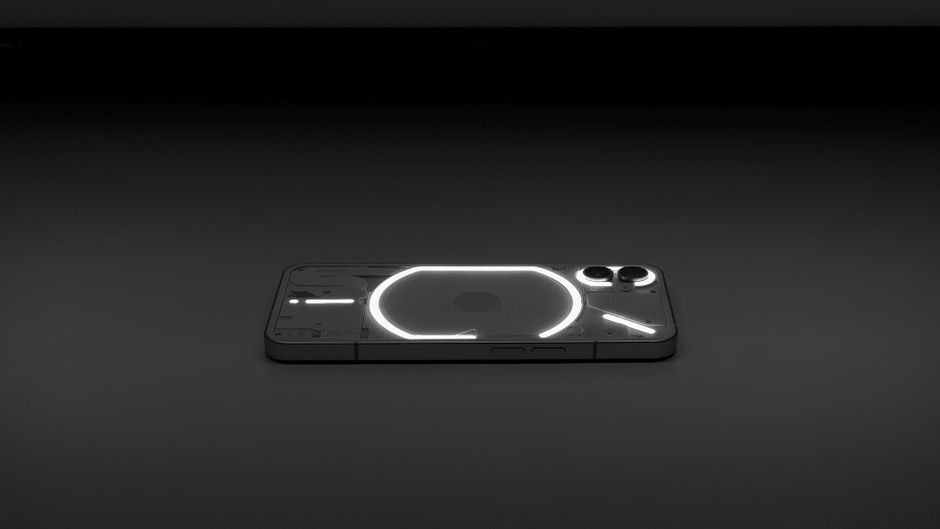
In-depth comparison of the Nothing Phone 4a and Google Pixel 10a. Discover which 2026 mid-range titan wins on display, cameras, battery, and AI features.
The mid-range smartphone landscape has undergone a radical transformation in 2026. No longer defined by sluggish chipsets, dim screens, or cheap plastic builds, today’s sub-$500 phones deliver flagship-level experiences at a fraction of the cost. Two brands stand at the absolute forefront of this movement: Nothing and Google. With the launches of the Nothing Phone (4a) and the Google Pixel 10a in early 2026, the competition has reached a fever pitch.
These two devices represent fundamentally different philosophies of what a mid-range phone should be. Nothing, led by tech disruptor Carl Pei, has doubled down on design aesthetics, raw hardware specs, and screen real estate. On the other side, Google offers its iconic software-first approach, baking advanced Gemini AI features directly into a compact form factor that promises unparalleled longevity.
For consumers shopping in 2026, choosing between these two devices is no easy task. Both retail near the $450 to $500 mark, yet they cater to very different types of users. Whether you prioritize a cinematic display and ultra-fast charging, or if you prefer industry-leading photo processing and seven years of software support, this comprehensive head-to-head comparison will help you decide which device deserves a spot in your pocket.
Before diving into the detailed breakdown, let us take a high-level look at how the Nothing Phone (4a) and the Google Pixel 10a stack up on paper. This side-by-side comparison highlights the key hardware and pricing differences as of mid-2026.
| Feature | Nothing Phone (4a) | Google Pixel 10a |
|---|---|---|
| Launch Price | $449 USD | $499 USD (frequently discounted to $424) |
| Display | 6.78-inch AMOLED, 1.5K, 120Hz, 4,500 nits peak | 6.3-inch Actua P-OLED, 120Hz, 3,000 nits peak |
| Processor | Qualcomm Snapdragon 7s Gen 4 (4nm) | Google Tensor G4 (4nm) |
| RAM / Storage | 8GB or 12GB RAM | 128GB or 256GB storage | 8GB RAM | 128GB or 256GB storage |
| Rear Cameras | 50MP Main (OIS) + 50MP Telephoto + 8MP Ultrawide | 48MP Main (OIS) + 13MP Ultrawide |
| Front Camera | 32MP | 13MP |
| Battery & Charging | 5,080 mAh battery | 50W wired charging | 5,100 mAh battery | standard fast charging |
| Water Resistance | IP64 dust and splash resistant | IP68 dust and water resistant |
| Software Support | 3 years OS updates | 4 years security updates | 7 years of OS and security updates |
Nothing has always excelled at capturing public attention, and the Nothing Phone (4a) is no exception. Released in March 2026, this device is the spiritual successor to the wildly popular Phone (3a). Carl Pei’s design-led firm has addressed several historical bottlenecks in their budget lineup, elevating the Phone (4a) to feel less like a compromise and more like a junior flagship.
The first thing you will notice about the Nothing Phone (4a) is its striking physical presence. It features a large, gorgeous 6.78-inch AMOLED display with a sharp 1.5K resolution (2720×1224 pixels). This screen can reach an incredible peak brightness of 4,500 nits under direct sunlight, making it one of the brightest panels in its class. Wrapped in a lightweight yet premium polycarbonate frame and protected by Gorilla Glass 7i, the phone manages to feel both futuristic and durable.
The signature transparent back panel remains the phone’s visual calling card, complete with an upgraded Glyph Bar lighting system. This year, Nothing has refined the mini-LED strips on the back, allowing users to customize lighting sequences for specific contacts, track ride-share progress, or even use the LEDs as a camera self-timer countdown.
Under the hood, the Nothing Phone (4a) is powered by the Qualcomm Snapdragon 7s Gen 4 processor. Built on a highly efficient 4nm process, this chip delivers exceptionally snappy daily performance, easily gliding through the animations of Nothing OS 4.1 (which is based on Android 16). Gamers will appreciate the thermal stability of this chipset compared to previous generations. To complement the hardware, Nothing has packed a robust 5,080 mAh battery into the chassis, which supports 50W wired fast charging, taking you from zero to 100% in roughly an hour.
On the camera front, Nothing has surprisingly opted for a triple-lens system: a 50MP main sensor with Optical Image Stabilization (OIS), a secondary 50MP telephoto lens with 2x optical zoom, and an 8MP ultrawide sensor. Photos from the main sensor are sharp and natural, steering clear of the over-saturated look common in other mid-rangers.
Google’s A-series has long been the gold standard for budget-conscious consumers who want elite camera performance without paying premium prices. Announced in February 2026 and released the following month, the Google Pixel 10a refines this legacy. Google has focused on structural elegance, massive software support, and unmatched AI integration.
Design-wise, the Pixel 10a represents a major shift from previous generations. Google has completely flattened the rear camera bar, offering a flush back design that looks modern and slips easily into pockets without snagging. It is built with an aluminum frame, a plastic back, and a 6.3-inch Actua P-OLED display. While the display is smaller than Nothing’s, the 120Hz refresh rate and 3,000 nits peak brightness ensure that media consumption and outdoor visibility remain top-tier.
Internally, the Pixel 10a utilizes Google’s custom Tensor G4 chipset. While the Tensor G4 may not win raw gaming benchmark battles against Qualcomm’s highest-tier chips, its absolute strength lies in processing machine learning tasks. The Pixel 10a is a pocket-sized AI powerhouse. It handles Gemini-driven tasks locally, offering advanced features like “Add Me” (which lets you insert yourself into group photos), “Camera Coach” (which guides your photography framing in real-time), and real-time live translation.
The camera setup continues to be Google’s crown jewel. Despite having only two rear lenses—a 48MP main sensor with OIS and a 13MP ultrawide—the computational photography capabilities of the Tensor G4 ensure that the Pixel 10a consistently captures better low-light shots, skin tones, and high-contrast scenes than virtually any other mid-range competitor.
In terms of longevity, the Pixel 10a is practically unmatched. Google ships the device with Android 16 and promises a massive seven years of full OS and security updates. This means your Pixel 10a will remain officially supported and secure until 2033. Additionally, the phone includes an IP68 dust and water resistance rating, giving it a distinct durability advantage over the IP64-rated Nothing Phone (4a).
Choosing between the Nothing Phone (4a) and the Google Pixel 10a ultimately comes down to your personal priorities as a user. Because these devices excel in completely different areas, evaluating them through the lens of your daily habits will point you toward the correct purchase.
Choose the Nothing Phone (4a) if:
Choose the Google Pixel 10a if:
1. Does either phone come with a charger in the box?
No. Following modern environmental trends, neither the Nothing Phone (4a) nor the Google Pixel 10a includes a wall charger in the retail packaging. Both come with a USB-C to USB-C cable, but you will need to purchase a compatible fast-charging brick separately to get the best speeds.
2. Can I use eSIM on both devices?
Yes and no. The Google Pixel 10a fully supports dual-SIM configurations using a physical Nano-SIM alongside an eSIM. However, the global variant of the Nothing Phone (4a) is strictly a dual physical Nano-SIM device and does not support eSIM, which is an important consideration for international travelers.
3. Which phone is better for mobile gaming?
The Nothing Phone (4a) takes the lead here. While both processors are highly capable for daily tasks, the Snapdragon 7s Gen 4 inside the Nothing Phone offers superior thermal management during prolonged gaming sessions. Google’s Tensor G4 is heavily optimized for artificial intelligence, but it tends to throttle performance and run warmer under heavy graphics loads.
4. How much do these phones actually cost in mid-2026?
The Nothing Phone (4a) starts at a very competitive retail price of $449. The Google Pixel 10a launched at $499. However, as of August 2026, major retailers like Amazon frequently discount the Pixel 10a down to $424, making both phones virtually identical in price.
Declaring an absolute winner in the battle of the 2026 mid-range titans requires evaluating which phone offers the most complete, stress-free daily experience for the average user. While the Nothing Phone (4a) wins on hardware flair, offering a larger and brighter screen, faster charging, and a unique visual aesthetic, the Google Pixel 10a emerges as the smarter overall purchase for most people.
The Pixel 10a is a masterclass in long-term value. By offering an IP68-rated build, an incredibly reliable point-and-shoot camera, and a stellar seven-year software support window, Google has created a mid-range phone that is built to last. When you add in the heavy discount trends that bring the Pixel 10a’s price down to just $424, it becomes an unbeatable deal in the 2026 smartphone market.
However, if you are a media enthusiast who craves a massive display, faster 50W charging, and enjoys the customizable LED Glyph design, the Nothing Phone (4a) remains an outstanding, highly competitive alternative that easily outperforms standard mid-range expectations.
Prices and features mentioned are accurate as of the date of publication. Always check the official provider website for the most current pricing and availability.




