Physical Address
304 North Cardinal St.
Dorchester Center, MA 02124
Physical Address
304 North Cardinal St.
Dorchester Center, MA 02124

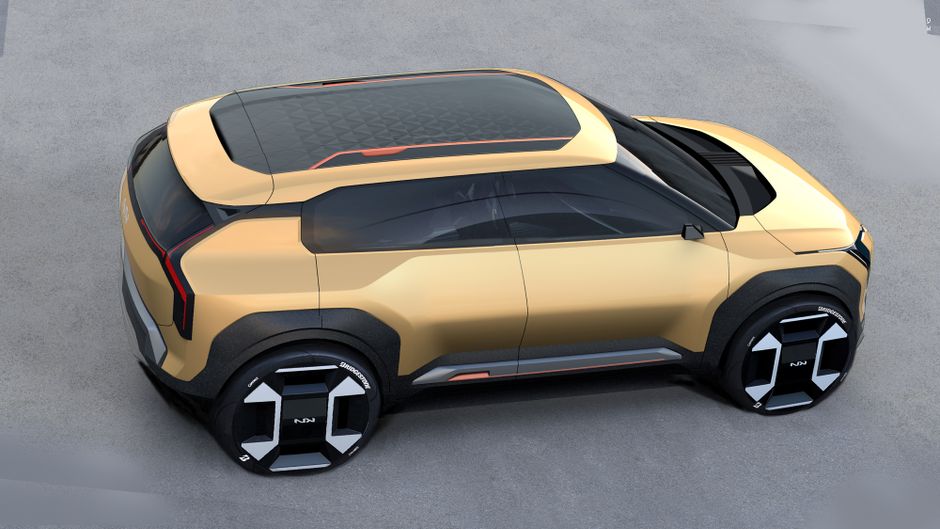
Compare the 2026 Honda Prologue vs Chevy Blazer EV. Discover specs, ranges, pricing, and why Honda's price cuts and Apple CarPlay make it the best value.
The midsize electric SUV market has reached a fever pitch in 2026, offering drivers more choices than ever before. Among the most closely watched battles of the year is the head-to-head matchup between the 2026 Honda Prologue and the 2026 Chevrolet Blazer EV. This comparison is uniquely fascinating because these two vehicles share a common mechanical lineage. Both are built on General Motors’ flexible Ultium platform, meaning they share the same under-the-skin battery packaging, suspension structures, and fundamental electric architecture. Yet, despite sharing the same corporate DNA, Honda and Chevrolet have taken radically different paths in their final execution.
Honda’s approach with the 2026 Prologue focuses on traditional comfort, user-friendly layouts, and familiar packaging. They target everyday drivers who want an uncomplicated transition to electric driving without feeling like they are piloting a futuristic spaceship. Conversely, Chevrolet has leaned heavily into bold, muscular styling, jaw-dropping high-performance trims, and a cutting-edge, tech-first cabin.
In 2026, the gap between these siblings has widened significantly. Honda has implemented aggressive price cuts for the Prologue, making it one of the most accessible midsize electric SUVs on the market. Meanwhile, Chevrolet has refined the Blazer EV lineup by dropping rear-wheel-drive (RWD) variants and fully unleashing the monstrous, 615-horsepower SS trim. Whether you prioritize pure value, raw performance, software integration, or daily comfort, this detailed comparison will reveal which electric SUV deserves a spot in your driveway.
To help you see how these two midsize electric SUVs stack up at a glance, here is a breakdown of their key specifications, pricing, and features for the 2026 model year:
| Feature / Specification | 2026 Honda Prologue | 2026 Chevy Blazer EV |
|---|---|---|
| Starting MSRP | $39,900 (EX FWD) | $44,600 (LT FWD) |
| Premium Trim Pricing | $50,400 (Elite AWD) | $60,600 (SS AWD) |
| Max EPA-Estimated Range | Up to 308 miles (FWD) | Up to 312 miles (FWD) |
| AWD Range Rating | 294 miles (EX/Touring AWD); 283 miles (Elite) | 283 miles (LT/RS AWD); 303 miles (SS) |
| Max Horsepower | 300 hp (Dual-Motor AWD) | 615 hp (SS Performance AWD) |
| Infotainment Screen Size | 11.3-inch Center Display | 17.7-inch Infotainment Touchscreen |
| Apple CarPlay & Android Auto | Yes (Wireless standard) | No (Google built-in only) |
| Hands-Free Driving Assist | No (Standard Adaptive Cruise only) | Yes (Super Cruise available/standard on SS) |
| Standard Charging Equipment | Portable Charging Kit & Home installation incentives | Dual Level Charge Cord standard (120V/240V) |
The most shocking news in this segment for 2026 is Honda’s aggressive price restructuring. Honda has implemented a massive $7,500 MSRP price cut across the entire Prologue lineup. This means the entry-level 2026 Honda Prologue EX FWD now starts at an incredibly low MSRP of just $39,900. Moving up, the comfort-oriented Touring trim starts at $44,200, while the range-topping, fully loaded Elite AWD trim lands at an impressive $50,400. Because both vehicles are built in North America using qualified battery materials, they generally qualify for the $7,500 federal clean vehicle tax credit, making the Prologue an absolute bargain for buyers or lessees looking to maximize their savings.
In contrast, the 2026 Chevrolet Blazer EV targets a slightly higher market position. The base LT trim starts at $44,600, while the sporty RS trim begins at $50,400. If you desire the peak of electric performance, the range-topping Blazer EV SS commands a starting MSRP of $60,600. When comparing these lineups, the price differences are stark: Honda’s base model is nearly $4,700 cheaper than Chevy’s base model, and the flagship Prologue Elite AWD is over $10,200 more affordable than the Blazer EV SS. If budget and pure value are your primary concerns, Honda takes a commanding lead in 2026.
While both SUVs ride on GM’s Ultium battery platform, they utilize different capacities and configurations to achieve their range ratings. Every 2026 Honda Prologue is equipped with an 85 kWh lithium-ion battery. In front-wheel-drive (FWD) configurations on the EX and Touring trims, this battery delivers an excellent EPA-estimated range of 308 miles. Opting for the dual-motor all-wheel-drive (AWD) upgrade drops the range slightly to 294 miles. The premium Elite trim, which comes standard with larger 21-inch wheels and dual-motor AWD, carries an EPA-estimated range of 283 miles.
The 2026 Chevrolet Blazer EV offers a broader range of battery options. The standard LT and RS trims also utilize an 85 kWh battery pack, with the FWD configurations achieving a maximum EPA-estimated range of 312 miles, slightly edging out the Prologue. Choosing AWD on the LT or RS trims drops the range rating to 283 miles. However, the high-performance Blazer EV SS is equipped with a much larger 102 kWh battery pack. Despite powering a high-performance drivetrain, this larger pack manages to deliver an impressive 303 miles of EPA-estimated range.
For charging, both vehicles support public DC fast charging. The Honda Prologue maxes out at a 150 kW charge rate, which adds roughly 65 miles of range in 10 minutes and charges from 20% to 80% in about 35 minutes. Honda also includes an incredibly generous home charging incentive: buyers can choose a Home Charging Package that comes with a $1,250 installation credit, or opt for a $500 public charging credit. The Chevy Blazer EV can charge slightly faster depending on the battery size, adding up to 80 miles in 10 minutes. For 2026, Chevrolet has made its Dual Level Charge Cord standard on all trims, allowing buyers to plug into standard 120V or 240V outlets right out of the box. Both vehicles also feature expanding access to Tesla’s Supercharger network via NACS adapters, ensuring peace of mind on long-distance road trips.
The shared platform means both vehicles provide a smooth, quiet, and highly composed ride, but their individual tuning sets them apart. In their standard FWD formats, both the Prologue and the Blazer EV produce 220 horsepower and 243 lb-ft of torque. These models excel as daily commuters, providing immediate, quiet power delivery that makes highway merging and navigating city traffic effortless. The ride in the Honda Prologue is tuned extensively for comfort. Its multi-link front and rear suspension system is designed to soak up road imperfections, delivering a plush, soft, and isolated cabin experience that will feel highly familiar to anyone transitioning from a traditional gasoline-powered Honda SUV.
Chevrolet, however, has leaned heavily into the “Sport” aspect of the SUV. For 2026, Chevrolet has officially discontinued the rear-wheel-drive (RWD) option for the RS trim, focusing the lineup entirely on FWD and AWD models. While standard AWD variants of both vehicles produce around 300 horsepower, the Blazer EV SS is a completely different animal. Armed with a performance-tuned dual-motor AWD system, the Blazer EV SS pumps out a jaw-dropping 615 horsepower and 650 lb-ft of torque. When you activate Chevy’s “Wide Open Watts” (WOW) launch control mode, this heavy SUV rockets from 0 to 60 mph in a blistering 3.4 seconds. Supported by high-performance Brembo brakes and a stiffer, sport-tuned suspension, the Blazer EV SS offers sports-car levels of excitement that the comfort-focused Honda Prologue simply cannot replicate.
Perhaps the most significant differentiator between these two electric SUVs lies in their dashboard technology and software integration. Chevrolet made a highly publicized and controversial decision to eliminate Apple CarPlay and Android Auto compatibility across its entire modern EV fleet, including the Blazer EV. Instead, the 2026 Blazer EV features a massive, class-leading 17.7-inch infotainment touchscreen running a proprietary Google built-in operating system. While the native Google interface is exceptionally fast, beautiful, and deeply integrated with Google Maps and Spotify, drivers who rely heavily on mirroring their smartphones will find the lack of Apple CarPlay or Android Auto a major hurdle.
Honda took a completely different approach. The 2026 Prologue features a slightly smaller, more traditional 11.3-inch center touchscreen alongside an 11-inch digital driver display. While the Prologue also includes Google built-in for native navigation and voice controls, Honda preserved standard wireless Apple CarPlay and Android Auto integration. This allows drivers to seamlessly connect their smartphones and use their preferred phone-mirroring ecosystems, avoiding the learning curve of an entirely proprietary system.
However, Chevrolet clawed back a massive victory in the driver-assistance category. The 2026 Blazer EV is available with GM’s award-winning Super Cruise hands-free driving technology (standard on the SS trim and available on the RS). Super Cruise allows for hands-free highway driving on over 400,000 miles of compatible roads across the United States and Canada, managing vehicle speed, lane positioning, and even automatic lane changes. The Honda Prologue comes standard with Honda Sensing, a robust safety suite that includes Adaptive Cruise Control, Lane Keep Assist, and Blind Zone Steering Assist, but it does not offer any true hands-free highway driving capability.
Deciding between the 2026 Honda Prologue and the 2026 Chevy Blazer EV ultimately depends on your personal lifestyle, tech preferences, and budget. Both are exceptional electric SUVs, but they target very different types of drivers.
You should choose the 2026 Honda Prologue if:
You should choose the 2026 Chevy Blazer EV if:
Yes, both vehicles are built on GM’s Ultium platform and share the same core battery technology. The standard configurations of both vehicles utilize an 85 kWh lithium-ion battery pack. However, the high-performance Chevy Blazer EV SS utilizes a larger 102 kWh battery pack to support its 615-horsepower output while maintaining over 300 miles of driving range.
No. Chevrolet has completely eliminated Apple CarPlay and Android Auto from its electric vehicle lineup, including the 2026 Blazer EV. Instead, the vehicle relies on a highly integrated Google built-in system. If you want wireless Apple CarPlay and Android Auto, you should choose the 2026 Honda Prologue, which fully supports both systems standard.
Yes, because both the 2026 Honda Prologue and 2026 Chevy Blazer EV are assembled in North America and utilize compliant battery components through GM’s domestic supply chain, both models generally qualify for the full $7,500 federal clean vehicle tax credit for eligible buyers and lessees.
The Chevy Blazer EV LT FWD holds the ultimate range crown in this comparison with an EPA-estimated range of 312 miles. However, the Honda Prologue EX and Touring FWD models are right behind it with a highly practical EPA-estimated range of 308 miles.
The 2026 Honda Prologue and the 2026 Chevy Blazer EV demonstrate how two different automotive brands can take identical structural bones and create completely distinct vehicles. Both are highly competitive midsize electric SUVs, but they target entirely different driving philosophies.
If you are looking for a practical, highly comfortable, and incredibly affordable family commuter, the 2026 Honda Prologue is our overall recommendation. Thanks to Honda’s massive $7,500 price cuts for the 2026 model year, a highly accessible starting MSRP of $39,900, standard wireless Apple CarPlay, and incredible home charging incentives, the Prologue delivers an unbeatable value proposition that makes the transition to electric driving absolutely seamless.
However, if your budget is more flexible and you want a vehicle that pushes the boundaries of performance and technology, the 2026 Chevy Blazer EV is an absolute standout. For tech-focused buyers who want the futuristic 17.7-inch display, the safety of Super Cruise hands-free driving, or the sheer adrenaline of the 615-horsepower SS performance trim, the Blazer EV delivers a bold and exciting experience that is well worth its premium price tag.
Prices and features mentioned are accurate as of the date of publication. Always check the official provider website for the most current pricing and availability.