Physical Address
304 North Cardinal St.
Dorchester Center, MA 02124
Physical Address
304 North Cardinal St.
Dorchester Center, MA 02124

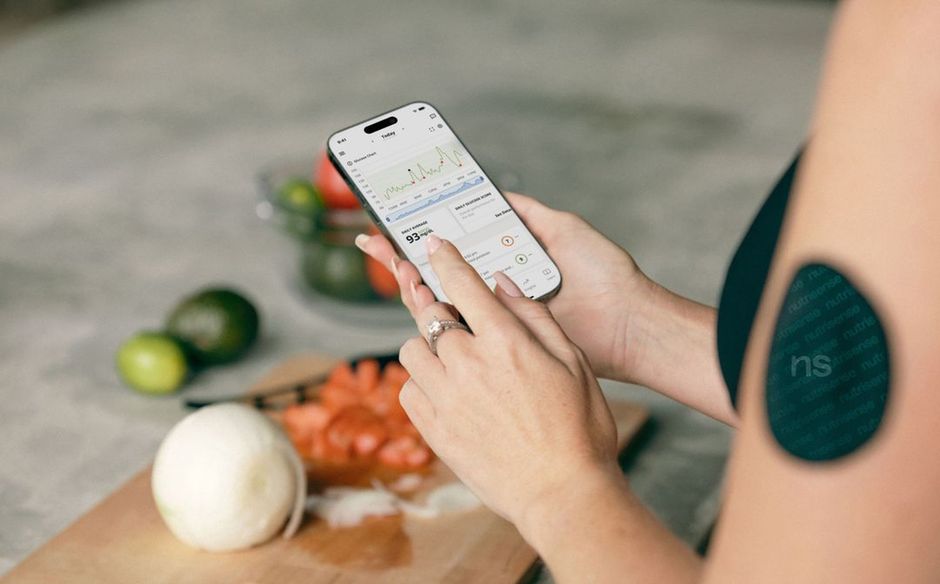
Compare Dexcom Stelo vs Abbott Lingo in 2026. Discover the best over-the-counter CGM for your metabolic health with current pricing, specs, and features.
The consumer health landscape in 2026 has officially entered the era of the continuous biowearable. For years, Continuous Glucose Monitors (CGMs) were strictly medical devices locked behind prescription gates, reserved primarily for individuals managing Type 1 or insulin-dependent Type 2 diabetes. However, a major paradigm shift occurred with the FDA clearance of over-the-counter (OTC) glucose biosensors. Today, anyone curious about their metabolic health, striving for weight loss, or managing prediabetes can easily purchase a CGM online or at local retailers without a doctor’s note.
For anyone looking to take control of their metabolic health in 2026, two heavyweight systems dominate the over-the-counter landscape: the Dexcom Stelo and the Abbott Lingo. Developed by the two undisputed giants of glucose sensing technology, these devices represent the absolute state-of-the-art in consumer biotechnology. While they share the same fundamental goal of tracking blood sugar fluctuations, they target completely different audiences and utilize drastically different software philosophies. One is a sleek, data-focused companion that lets your numbers speak for themselves, while the other is an active, gamified coach designed to retrain your metabolism through behavior change.
In this comprehensive head-to-head comparison, we will unpack the technical specifications, pricing models, real-world performance, and application ecosystems of the Dexcom Stelo and the Abbott Lingo. Whether you are looking for a deep biohacking tool or a guided lifestyle accountability partner, our comparison will help you determine which of these market-leading biowearables belongs on your arm.
To help you see the core differences at a glance, here is a side-by-side comparison of the Dexcom Stelo and the Abbott Lingo across all essential metrics in 2026.
| Feature | Dexcom Stelo | Abbott Lingo |
|---|---|---|
| Manufacturer | Dexcom, Inc. | Abbott Laboratories |
| Sensor Wear Time | Up to 15 days | Up to 14 days |
| Warm-Up Time | 30 minutes | 60 minutes |
| Measurement Interval | Every 5 minutes | Every 1 minute |
| Accuracy (MARD) | 9.0% | 9.3% |
| One-Time Price (2026) | $99 for 2 sensors (30-day supply) | $54 for 1 sensor (14 days) or $91 for 2 sensors (28 days) |
| Subscription Price | $89 per month (2 sensors) | No strict subscription, flexible pack purchases |
| Water Resistance | IP68 (up to 1 meter for 30 mins) | IP68 (up to 1 meter for 30 mins) |
| Wearable Integrations | Apple Health, Google Fit, Oura Ring, Levels | Apple Health, Android companion app |
| Key Software Features | Glucose Response Score (1-10), minimalist graphing | Lingo Count (spike limits), meal photo-logging, AI coaching |
To understand which of these biosensors fits into your daily routine, we must examine how each product performs in real-world scenarios, how they are priced, and what the user experience feels like in 2026.
Dexcom is a legendary name in the CGM industry, renowned for its medical-grade G-series monitors. The Dexcom Stelo is the company’s first consumer-facing, prescription-free product. Built on the highly accurate G7 hardware platform, the Stelo is designed specifically for adults who do not take insulin—such as those managing Type 2 diabetes through diet and exercise, individuals with prediabetes, or biohackers wanting deep metabolic insights.
Technically speaking, the Stelo is an absolute powerhouse. It boasts a Mean Absolute Relative Difference (MARD) of 9.0%, representing top-tier accuracy for an over-the-counter device. It is incredibly easy to apply using a painless, single-use applicator that inserts a tiny flexible filament just beneath your skin. Once applied, the Stelo offers an industry-leading wear time of 15 days, which is currently the longest lifespan of any mainstream OTC sensor. Furthermore, its ultra-fast 30-minute warm-up means you will start seeing glucose readings almost instantly.
The Stelo streams your blood sugar levels to your smartphone via Bluetooth, updating its trend graph every 5 minutes. To avoid the constant, stressful alarm fatigue associated with medical CGMs, Dexcom deliberately removed low and high audible alerts. Instead, Stelo focuses on a streamlined glucose range of 70 to 250 mg/dL, showing gentle pattern notifications when your sugar rises or drops.
Where the Stelo truly shines in 2026 is its outstanding integration with third-party fitness ecosystems. Rather than forcing you to stay within a single proprietary app, Dexcom allows you to sync your Stelo data directly with Apple Health, Google Fit (Health Connect), and the Oura Ring. If you are an Oura user, this integration is a game-changer, overlaying your sleep quality, physical activity, and heart rate variability with your real-time glucose spikes. Additionally, the Stelo app features the Glucose Response Score, a 1-to-10 metric that rates your body’s specific reaction to meals without requiring tedious manual entries.
In terms of cost, Dexcom keeps Stelo remarkably affordable. A one-time purchase of a two-pack (covering 30 days) costs $99. If you commit to a monthly subscription, the price drops to $89 per month (just under $45 per sensor), making it one of the most cost-effective continuous biosensors available in 2026.
On the other side of the ring sits the Abbott Lingo, powered by the globally trusted FreeStyle Libre 3 architecture. While Dexcom targets prediabetics and data-centric users, Abbott has positioned the Lingo squarely as a wellness and lifestyle biowearable. It is designed for healthy adults who want to optimize their metabolism, increase daily energy, retrain their eating habits, or supercharge their weight-loss journeys.
The Lingo hardware is remarkably small—often described as being as thin as two stacked pennies—making it slightly more discreet than the Stelo. It measures interstitial glucose every single minute, streaming real-time, minute-by-minute updates to your phone via Bluetooth. Each sensor lasts for up to 14 days and requires a standard 60-minute warm-up period. Like the Stelo, the Lingo boasts an impressive MARD of 9.3%, ensuring that you are getting reliable, highly calibrated data without needing any painful fingerstick tests.
Where Abbott truly sets itself apart is in the software design. The Lingo app is not just a digital graph; it is a highly engaging, gamified health coach. Rather than expecting you to decipher complex glucose waves, Lingo introduces the concept of the Lingo Count. Think of this as an automated daily points allowance, similar to tracking calories or trying to close your activity rings on an Apple Watch. Whenever your blood sugar spikes above your baseline, you accumulate Lingo points. The app’s primary goal is to teach you how to keep your Lingo Count as low as possible.
To help you achieve this, the Lingo app features built-in food photo-logging, allowing you to easily snap photos of your meals to track how specific dishes impact your curves. Its built-in AI coach analyzes your data, delivering personalized lifestyle nudges—such as suggesting a quick 10-minute walk if it detects a post-lunch spike. It also organizes virtual nutritional sessions and personalized metabolic challenges to keep you motivated.
Abbott’s pricing is highly competitive and built for flexibility. A starter package consisting of a single 14-day biosensor costs $54, allowing curious users to test the waters with no long-term commitment. For ongoing use, a double-sensor package covering 28 days retails for approximately $91. There are no mandatory monthly membership fees, and the sensor is fully HSA/FSA eligible.
With both the Dexcom Stelo and the Abbott Lingo offering world-class hardware and clinical-grade accuracy, choosing between them comes down to your personal health goals, your existing tech setup, and your preferred learning style.
You should choose the Dexcom Stelo if:
You should choose the Abbott Lingo if:
Q: Do I need a doctor’s prescription to purchase Dexcom Stelo or Abbott Lingo in 2026?
A: No. Both the Dexcom Stelo and the Abbott Lingo are FDA-cleared as over-the-counter (OTC) medical devices. Anyone aged 18 or older in the United States can purchase them directly online or from major retailers without a doctor’s prescription or pre-authorization.
Q: Can these over-the-counter CGMs be used by people with Type 1 diabetes or those on insulin?
A: No. Both Stelo and Lingo are designed specifically for individuals who do not use insulin and are not at risk of severe hypoglycemia. Because these consumer-focused devices lack the critical, medical-grade urgent low-glucose alarms required for safe insulin dosing, they are not intended for managing insulin-dependent diabetes.
Q: Are these OTC devices covered by health insurance or Medicare?
A: Generally, health insurance plans and Medicare do not cover OTC continuous glucose monitors like Stelo and Lingo because they are categorized as wellness and lifestyle biowearables. However, both products are fully HSA/FSA eligible, allowing you to use tax-free health savings accounts to fund your purchase.
Q: Are these sensors waterproof? Can I swim or shower with them?
A: Yes, both sensors feature an IP68 water-resistance rating. They are designed to withstand everyday water exposure, meaning you can shower, exercise, sweat, and swim up to a depth of 1 meter for 30 minutes without damaging the hardware or losing your continuous connection.
In 2026, the over-the-counter CGM market has reached a level of maturity where both Dexcom and Abbott offer incredibly reliable, life-changing devices. Deciding which is the “best” ultimately depends on what you want from your biowearable experience.
If we must name an overall winner, the crown goes to the Dexcom Stelo. For the vast majority of consumers, the Stelo offers the superior technical package: an industry-leading 15-day wear time, a remarkably quick 30-minute warm-up, and native integrations with popular wearables like the Oura Ring. At $89 per month under its subscription plan, it is also the most cost-effective way to get high-fidelity metabolic tracking on a continuous, long-term basis.
However, if you are a wellness novice who feels overwhelmed by raw charts and demands an engaging, highly guided pathway to dietary change, the Abbott Lingo remains an exceptional alternative. Its innovative ‘Lingo Count’ points system, built-in meal photo-logging, and active AI coaching turn a complex physiological variable into an intuitive, gamified health habit. Ultimately, whether you choose the data-driven Stelo or the coaching-centric Lingo, you are taking a massive, scientifically backed step toward mastering your metabolic health.
Prices and features mentioned are accurate as of the date of publication. Always check the official provider website for the most current pricing and availability.




