Physical Address
304 North Cardinal St.
Dorchester Center, MA 02124
Physical Address
304 North Cardinal St.
Dorchester Center, MA 02124

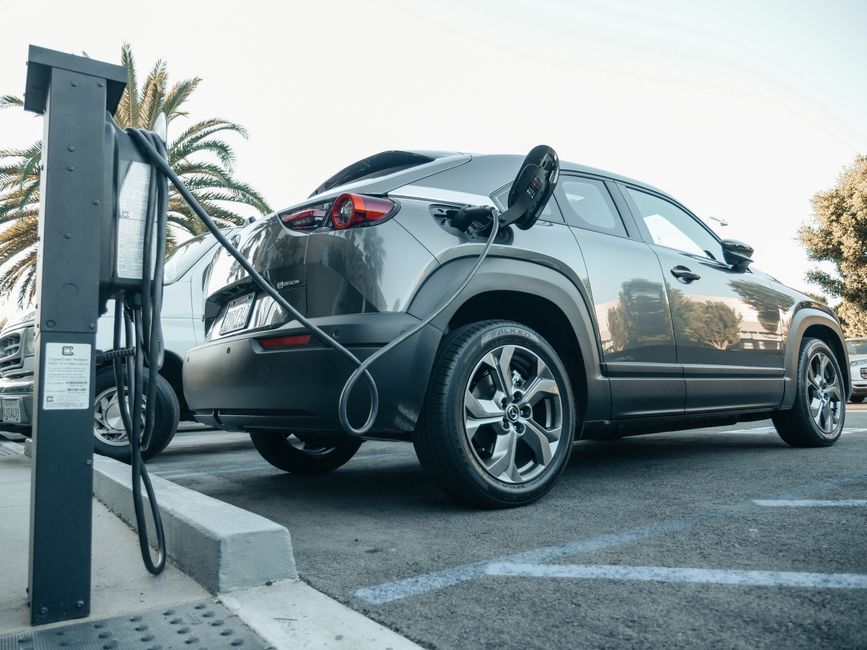
Discover the top compact plug-in hybrid SUVs for 2026. Our expert buying guide covers current models, specs, prices, and tips to find your perfect PHEV SUV.
As we navigate the ever-evolving automotive landscape of September 2026, the compact plug-in hybrid SUV (PHEV SUV) segment stands out as a beacon of practicality, efficiency, and environmental consciousness. These versatile vehicles offer the best of both worlds: a substantial electric-only range for daily commutes and hybrid gasoline power for extended journeys without range anxiety. With fuel prices continuing to fluctuate and an increasing global focus on reducing carbon emissions, the appeal of a PHEV SUV has never been stronger.
For many drivers, a fully electric vehicle isn’t yet a practical solution due to charging infrastructure concerns or long-distance travel habits. This is precisely where compact PHEV SUVs shine, providing a seamless transition to electrified driving. They offer significant fuel savings, potential tax incentives, and the familiar convenience of an SUV body style, making them an ideal choice for families, urban commuters, and adventure seekers alike. ComparisonMath is here to help you cut through the noise and identify the leading models in this competitive 2026 market.
In this comprehensive buying guide, we’ll dive deep into the best compact PHEV SUVs available today, September 2026. We’ll compare their latest specifications, discuss current pricing, highlight their strengths and weaknesses, and provide essential tips to help you make an informed decision. Our goal is to equip you with all the knowledge needed to drive away in the perfect compact plug-in hybrid SUV that meets your lifestyle and budget.
Here’s an at-a-glance look at some of the top compact plug-in hybrid SUVs for 2026, featuring their estimated starting MSRPs, electric ranges, and key attributes.
| Model | Starting MSRP (2026) | Electric Range (miles) | Combined MPG-e | Total HP | Cargo (cu ft) | Key Pro | Key Con |
|---|---|---|---|---|---|---|---|
| Toyota RAV4 Prime (2026) | $45,500 | 48 | 98 | 315 | 37.6 | Class-leading range, Toyota reliability | Higher starting price, less engaging interior |
| Hyundai Tucson Plug-in Hybrid (2026) | $39,800 | 36 | 84 | 270 | 38.7 | Bold design, strong warranty, feature-rich | Slightly less electric range than rivals |
| Kia Sportage Plug-in Hybrid (2026) | $40,200 | 36 | 84 | 270 | 39.5 | Spacious interior, cutting-edge tech, value | Similar range to Tucson, firm ride |
| Mitsubishi Outlander PHEV (2026) | $43,000 | 42 | 78 | 260 | 33.5 (3rd row folded) | Standard AWD, unique DC fast charging | Less refined interior, lower MPG-e |
| Ford Escape Plug-in Hybrid (2026) | $42,500 | 40 | 105 | 225 | 34.4 | Excellent MPG-e, comfortable ride | Lower horsepower, less distinctive styling |
The 2026 Toyota RAV4 Prime continues its reign as a benchmark in the compact PHEV SUV segment, building on its reputation for efficiency and reliability. For this model year, Toyota has subtly refined its powertrain and infotainment system, pushing the envelope slightly further. Its starting MSRP is around $45,500 for the SE trim.
Under the hood, the RAV4 Prime features a 2.5-liter four-cylinder engine paired with an advanced electric motor system, delivering a robust 315 total horsepower. This enables a quick 0-60 mph sprint in just 5.7 seconds, making it surprisingly peppy for a compact SUV. The most impressive aspect remains its class-leading electric range, now estimated at 48 miles on a single charge. When the battery is depleted, it still achieves an impressive 38 MPG combined as a hybrid, with a combined MPG-e rating of 98.
Charging the RAV4 Prime takes approximately 2.5 hours using a Level 2 (240V) charger. Standard features for 2026 include a 10.5-inch touchscreen infotainment system with wireless Apple CarPlay and Android Auto, a 12.3-inch digital instrument cluster, and the latest Toyota Safety Sense 3.0 suite. Cargo space remains competitive at 37.6 cubic feet behind the second row. While its interior design is functional, it can feel less premium than some rivals.
Hyundai’s 2026 Tucson Plug-in Hybrid maintains its striking, futuristic design and compelling value proposition. With a starting MSRP of approximately $39,800 for the SEL trim, it offers a sophisticated package at a competitive price point. The Tucson PHEV is a strong contender for those prioritizing style and a modern cabin.
Powered by a 1.6-liter turbocharged four-cylinder engine combined with an electric motor, the Tucson PHEV generates a healthy 270 total horsepower. This powertrain offers smooth acceleration, reaching 60 mph in around 7.5 seconds. Its estimated electric range for 2026 is 36 miles, making it suitable for most daily commutes. Once the battery is used, it delivers an excellent 37 MPG combined, resulting in a combined MPG-e of 84.
Recharging the 13.8-kWh battery takes about 3 hours with a Level 2 charger. The 2026 model boasts an updated 10.25-inch infotainment screen, a fully digital instrument cluster, and enhanced voice recognition. Cargo capacity is generous at 38.7 cubic feet behind the rear seats, easily accommodating family gear. Hyundai’s industry-leading warranty continues to be a major selling point, providing peace of mind for years to come.
The 2026 Kia Sportage Plug-in Hybrid shares its platform with the Tucson but carves out its own identity with distinct styling and a slightly more spacious, design-forward interior. Starting at around $40,200 for the X-Line AWD trim, it offers immense value, especially in its technology offerings.
Like its Hyundai sibling, the Sportage PHEV utilizes a 1.6-liter turbocharged engine and an electric motor to produce 270 total horsepower, achieving a 0-60 mph time similar to the Tucson. It also provides an estimated 36 miles of all-electric range, which is perfectly adequate for many drivers. Its hybrid fuel economy stands at 37 MPG combined, contributing to a combined MPG-e of 84. The Sportage’s robust powertrain offers a confident driving experience, especially with its standard all-wheel drive.
Charging times are identical to the Tucson at approximately 3 hours on a Level 2 charger. Kia equips the 2026 Sportage PHEV with dual 12.3-inch panoramic displays for infotainment and instrumentation, creating a truly modern cockpit. Rear passenger legroom is exceptional for the class, and cargo space is class-leading at 39.5 cubic feet behind the second row. The interior features premium materials and a user-friendly layout, though some might find the ride slightly firm on rougher roads.
The 2026 Mitsubishi Outlander PHEV continues to be a unique offering in the compact segment, distinguishing itself with standard all-wheel drive and a rare-for-PHEVs DC fast-charging capability. Its starting MSRP hovers around $43,000 for the ES trim, offering a lot of capability for the price. Mitsubishi has focused on refining its ride comfort and interior materials for this model year.
Powering the Outlander PHEV is a 2.4-liter four-cylinder engine combined with twin electric motors, delivering a combined 260 horsepower. This setup provides confident acceleration, though it’s not as quick as the RAV4 Prime, with a 0-60 mph time of about 8.5 seconds. Its electric range is a respectable 42 miles. When the battery runs out, it operates as a hybrid, achieving 26 MPG combined, for a combined MPG-e of 78. While the hybrid MPG is lower, the electric range helps offset daily fuel consumption.
One of the Outlander PHEV’s standout features is its ability to DC fast charge, allowing for an 80% charge in about 38 minutes, a significant advantage for road trips. Level 2 charging takes roughly 6.5 hours for a full charge. The 2026 model includes an updated 9-inch infotainment screen, enhanced driver-assist features, and available third-row seating – a rarity in this compact class. However, the third row is very small and cargo space with it folded (33.5 cu ft) is less than rivals, though usable. Its interior, while improved, still lags behind some competitors in terms of premium feel.
The 2026 Ford Escape Plug-in Hybrid offers a compelling blend of efficiency, comfort, and value, starting at approximately $42,500 for the ST-Line Elite trim. Ford has subtly updated the Escape’s infotainment system and refined its suspension tuning for a more engaging yet comfortable ride for this model year.
The Escape PHEV employs a 2.5-liter four-cylinder engine paired with an electric motor, generating a combined 225 horsepower. This makes it less powerful than some rivals, leading to a 0-60 mph time of around 8.7 seconds. However, its efficiency is stellar: an estimated 40 miles of all-electric range and a combined 40 MPG as a hybrid, resulting in an impressive 105 MPG-e. This makes it one of the most fuel-efficient options when operating in hybrid mode.
Charging the Escape PHEV’s 14.4-kWh battery pack takes about 3.5 hours with a Level 2 charger. The 2026 model features Ford’s SYNC 4 infotainment system with a large 13.2-inch touchscreen and improved voice commands. Ford Co-Pilot360 driver-assist technologies are standard across the lineup. Cargo capacity behind the second row is 34.4 cubic feet, which is adequate for most needs. The Escape’s ride is particularly smooth and composed, making it a comfortable daily driver, though its styling is less adventurous than some competitors.
Selecting the ideal compact plug-in hybrid SUV involves evaluating several key factors against your personal needs and driving habits. Given the diverse offerings in 2026, understanding these considerations will help narrow down your choice.
First, consider your daily commute and electric range needs. If your daily drives are typically under 30 miles, even a model with 35-40 miles of range, like the Hyundai Tucson or Kia Sportage PHEV, will allow you to complete most commutes on electric power alone. If you frequently exceed this, or simply want more buffer, the Toyota RAV4 Prime’s 48-mile range becomes highly attractive. Maximizing electric driving will significantly reduce your gasoline consumption.
Next, evaluate charging capabilities and access. Most PHEVs charge fully overnight on a Level 2 (240V) home charger, which is highly recommended for convenience. Public charging infrastructure is also expanding rapidly, though less essential for PHEVs than for full EVs. The Mitsubishi Outlander PHEV stands out as one of the few compact PHEVs offering DC fast charging, a valuable feature if you anticipate frequent long trips and need quick top-ups on the go.
Performance and driving dynamics are also crucial. If you prioritize quick acceleration and a more spirited driving experience, the Toyota RAV4 Prime with its 315 horsepower will be a clear frontrunner. For a comfortable and smooth ride, the Ford Escape PHEV excels. The Hyundai Tucson and Kia Sportage PHEVs strike a good balance, offering ample power and responsive handling with distinct styling cues.
Cargo space and versatility are paramount for SUV buyers. The Kia Sportage PHEV leads the pack in behind-the-rear-seat cargo volume, making it an excellent choice for families or those who frequently haul gear. The Mitsubishi Outlander PHEV offers a (small) third row, which can be a game-changer for occasional extra passenger capacity. Assess how much space you genuinely need for passengers and cargo before making a decision.
Technology and safety features have become standard expectations. Look for models that offer intuitive infotainment systems, wireless smartphone integration, and comprehensive driver-assistance suites like adaptive cruise control, lane-keeping assist, and automatic emergency braking. Most 2026 models include advanced safety tech as standard or readily available options, but some interfaces are more user-friendly than others.
Finally, consider pricing and potential incentives. Starting MSRPs vary significantly, but remember to factor in potential federal tax credits for PHEVs, which can reduce the effective purchase price. As of September 2026, many PHEV models still qualify for some level of federal incentive, although criteria can change. Additionally, keep an eye out for dealer incentives or special financing offers, such as 0% APR deals that some manufacturers offer periodically to boost sales, as highlighted in recent market news.
A standard hybrid vehicle uses its electric motor and gasoline engine in tandem to improve fuel efficiency, but it cannot be plugged in to charge its battery. It relies solely on regenerative braking and the gasoline engine to recharge. A plug-in hybrid (PHEV), however, has a larger battery pack that can be charged by plugging into an external power source. This allows it to drive significant distances (typically 20-50 miles) solely on electric power before the gasoline engine even turns on, offering much greater fuel savings and reduced emissions for daily driving.
Yes, many plug-in hybrid electric vehicles are still eligible for federal tax credits in 2026, though the specific amount and eligibility criteria can vary based on battery capacity, vehicle manufacturing location, and consumer income limits. As of September 2026, most compact PHEVs with battery capacities exceeding 7 kWh still qualify for some credit, often ranging from $3,750 to $7,500. It’s crucial to consult the latest IRS guidelines or a tax professional when purchasing, as rules are subject to change and model-specific eligibility is often updated.
The frequency of charging a PHEV depends entirely on your driving habits and the vehicle’s electric range. To maximize fuel efficiency and environmental benefits, it’s recommended to charge your PHEV as often as possible, ideally daily. If your daily commute falls within your vehicle’s electric range, you could potentially go weeks or even months without using gasoline. For longer trips, you might only charge the battery at home and rely on the hybrid system for the rest of the journey.
PHEV batteries are designed for durability and are generally expected to last the lifetime of the vehicle, often 8 to 15 years or more. Most manufacturers offer extensive warranties on their hybrid and PHEV batteries, typically covering them for 8 years/100,000 miles or even 10 years/150,000 miles, depending on the brand and state regulations. While battery degradation occurs over time, it’s usually gradual and may not significantly impact performance or range for many years.
Maintenance costs for PHEVs can be a mixed bag. They typically require less frequent oil changes due to less reliance on the gasoline engine and experience less wear and tear on brakes due to regenerative braking. However, they do have two powertrains (electric and gasoline) and a high-voltage battery, which could lead to more specialized repairs if issues arise outside of warranty. Overall, many studies suggest that PHEV maintenance costs are comparable to, or slightly lower than, traditional gasoline vehicles over the long term, especially when factoring in fuel savings.
After a thorough examination of the best compact plug-in hybrid SUVs for 2026, it’s clear that the market offers exceptional variety and capability. Each model presents a compelling case, tailored to different priorities and lifestyles. However, for the discerning buyer seeking the optimal blend of electric range, performance, and long-term reliability, the 2026 Toyota RAV4 Prime emerges as our clear winner.
The RAV4 Prime’s class-leading 48 miles of electric range means more daily commutes can be completed without a drop of gasoline, translating to significant fuel savings. Its robust 315 horsepower provides exhilarating acceleration that few compact SUVs can match, and Toyota’s renowned reputation for reliability ensures peace of mind for years to come. While its starting price of $45,500 is higher than some rivals, the potential for federal tax credits and its strong resale value make it a smart investment.
For those prioritizing cutting-edge design, a feature-rich interior, and outstanding value, the Hyundai Tucson Plug-in Hybrid and Kia Sportage Plug-in Hybrid are formidable runners-up. Both offer impressive tech, spacious cabins, and compelling warranties at a more accessible starting MSRP around $40,000. Their 36 miles of electric range will satisfy most urban and suburban drivers.
If you frequently embark on longer journeys and appreciate the flexibility of rapid charging, the Mitsubishi Outlander PHEV deserves serious consideration, thanks to its unique DC fast-charging capability and standard AWD. Meanwhile, the Ford Escape Plug-in Hybrid stands out for its exceptionally high combined MPG-e and comfortable ride, making it an excellent choice for efficiency-focused drivers who prioritize a smooth driving experience.
Ultimately, the best compact plug-in hybrid SUV for you will depend on your specific needs, budget, and driving preferences. We recommend test-driving your top contenders and carefully considering how each model aligns with your daily routine before making your final decision in this exciting 2026 market.
Prices and features mentioned are accurate as of the date of publication. Always check the official provider website for the most current pricing and availability.




