Physical Address
304 North Cardinal St.
Dorchester Center, MA 02124
Physical Address
304 North Cardinal St.
Dorchester Center, MA 02124
Comparing Fiber, 5G Home, and Cable internet in 2026. Discover which technology offers the best speeds, reliability, and value for your home internet needs.
In the rapidly evolving digital landscape of September 2026, a fast and reliable internet connection is no longer a luxury – it’s a fundamental necessity. From high-definition streaming and immersive online gaming to remote work, smart home ecosystems, and virtual reality experiences, our bandwidth demands are constantly surging. Choosing the right internet service provider (ISP) and technology can significantly impact your daily life and productivity.
The market today presents three dominant contenders vying for the title of ‘Best Internet for Speed’: Fiber Optic, 5G Home, and traditional Cable internet. Each technology offers distinct advantages and caters to different user needs and locations. This comprehensive comparison will dive deep into their performance, pricing, availability, and overall value in 2026, helping you make an informed decision for your home or business.
We’ll cut through the marketing jargon and provide concrete facts and figures to guide you. Our goal is to empower you with the knowledge to select the optimal internet solution that aligns with your specific speed requirements and budget, ensuring you’re future-proofed for the rest of the decade.
| Technology | Pros | Cons |
|---|---|---|
| Fiber Optic Internet | Symmetrical speeds (same upload/download), highest speeds (up to 10 Gbps and beyond), extremely low latency, superior reliability, future-proof. | Limited availability in some regions, installation can be complex, potentially higher initial costs for multi-gig plans. |
| 5G Home Internet | Wireless convenience, easy self-setup, competitive pricing, good speeds for many households, increasing availability. | Speeds can be inconsistent due to network congestion/line of sight, higher latency than fiber, not ideal for heavy power users/gamers in all areas, deprioritization risks. |
| Cable Internet | Widespread availability, generally good speeds (up to 2 Gbps+ with DOCSIS 4.0), familiar technology, competitive pricing for entry/mid-tier plans. | Asymmetrical speeds (slower uploads), higher latency than fiber, shared network can lead to slowdowns during peak hours, older infrastructure. |
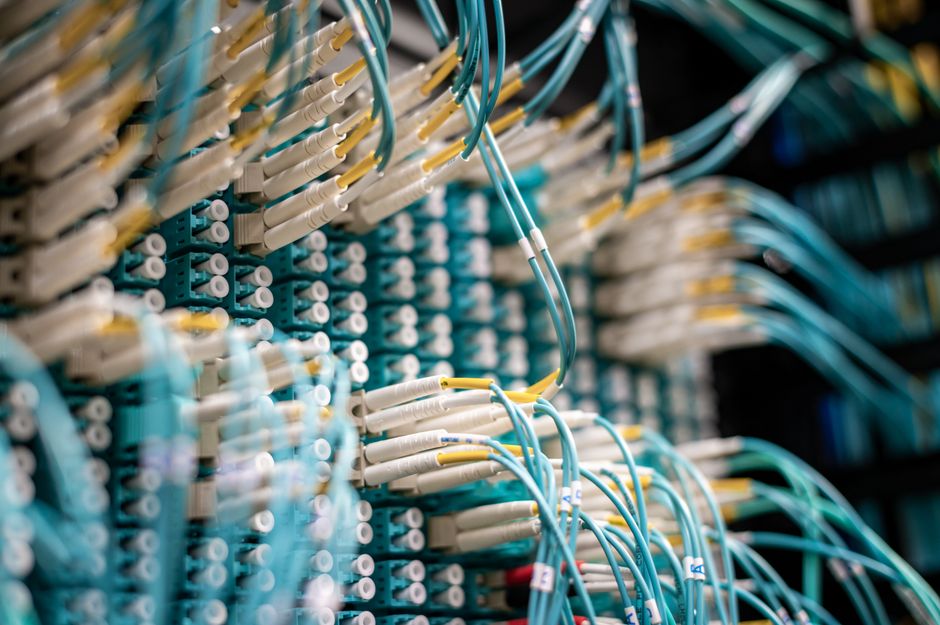
Fiber optic internet remains the undisputed champion for raw speed, reliability, and low latency in 2026. This technology transmits data using light signals through thin glass strands, allowing for unprecedented bandwidth and symmetrical upload and download speeds. This symmetry is crucial for activities like video conferencing, cloud backups, and content creation, where upload speed is just as vital as download.
Leading providers like AT&T Fiber and Verizon Fios have significantly expanded their footprints and now offer multi-gigabit speeds as standard. AT&T Fiber, in particular, has been recognized for its superior performance and customer satisfaction in 2026, often outperforming rivals. Many urban and suburban areas can now access speeds of 2 Gbps, 5 Gbps, and even 10 Gbps.
For instance, AT&T Fiber’s popular plans in September 2026 include 500 Mbps symmetrical for around $65/month, 1 Gbps symmetrical for $80/month, and their impressive 5 Gbps symmetrical plan for about $125/month. Cutting-edge 10 Gbps services are available in select markets, priced around $180/month, catering to the most demanding users and small businesses. These prices often include equipment and unlimited data, making fiber an excellent long-term value.
Fiber’s reliability is another significant advantage. It’s less susceptible to electrical interference, weather conditions, and network congestion compared to copper-based cable. For households with multiple users, 4K/8K streaming, VR gaming, and extensive smart home devices, fiber offers an unparalleled, consistent experience. The low latency makes it ideal for competitive online gaming and real-time applications.
5G Home Internet has rapidly emerged as a compelling alternative, especially for those in areas without robust fiber infrastructure or looking for flexible, easy-to-install solutions. This technology leverages the cellular 5G network to provide fixed wireless internet to your home via a dedicated modem/router.
Providers like T-Mobile 5G Home Internet, Verizon 5G Home Internet, and AT&T Internet Air have aggressively expanded their services across the nation. In 2026, typical download speeds for 5G Home Internet range from 100 Mbps to 300 Mbps, with some premium plans and prime locations achieving up to 1 Gbps. Upload speeds are generally 20 Mbps to 50 Mbps, though they can vary more widely than fiber.
A significant draw of 5G Home Internet is its straightforward setup. Users typically receive a self-install kit, plugging in the device and connecting to their home Wi-Fi within minutes, eliminating the need for professional installation appointments. Pricing is also highly competitive; T-Mobile Home Internet often costs around $50/month with autopay, while Verizon 5G Home Internet plans start from $35-$60/month depending on existing mobile plans and speed tiers.
While 5G Home Internet offers a great value proposition and decent speeds for most browsing, streaming, and even light gaming, it does have limitations. Performance can be subject to network congestion, signal strength, and line-of-sight to the nearest 5G tower. Latency, while improved over previous wireless technologies, is generally higher than fiber, which can be noticeable for latency-sensitive applications like competitive online gaming or precise remote work. Some providers also implement deprioritization during peak hours, potentially slowing speeds for fixed wireless users.
Cable internet, the long-standing workhorse of home connectivity, continues to evolve and remain a significant player in 2026, primarily through providers like Xfinity, Cox, and Spectrum. Utilizing existing coaxial cable infrastructure, cable internet offers widespread availability across much of the U.S., making it a go-to option where fiber is not yet deployed.
In 2026, cable internet speeds have seen substantial improvements, particularly with the rollout of DOCSIS 4.0 technology. This latest standard allows for much faster speeds, with many providers now offering download speeds up to 1.2 Gbps, 1.5 Gbps, and even 2 Gbps or 2.5 Gbps in select, upgraded markets. While impressive, these speeds remain largely asymmetrical, meaning upload speeds are significantly slower – often in the range of 50 Mbps to 200 Mbps for multi-gig plans, a stark contrast to fiber’s symmetrical offerings.
Pricing for cable internet remains competitive. For example, Xfinity offers a 1.2 Gbps download plan for approximately $80/month, while Cox’s Gigablast (1 Gbps) might be around $90/month. Mid-tier plans like 500 Mbps for $60-$70/month are common and provide ample speed for many households. Cable’s major advantage is its vast reach, often available in areas where fiber hasn’t penetrated, and 5G signal might be inconsistent.
However, cable internet still carries some inherent drawbacks. Because it operates on a shared network, speeds can occasionally dip during peak usage hours when many neighbors are online simultaneously. Its latency, while generally acceptable for most uses, is typically higher than fiber. For users who rely heavily on upload speeds for professional tasks or competitive gaming, the asymmetrical nature of cable can be a significant limitation.
Selecting the best internet service for your home in 2026 involves weighing several crucial factors beyond just the advertised ‘up to’ speed.
Q: What is the fastest internet type in 2026?
A: Fiber optic internet is unequivocally the fastest internet type in 2026, offering symmetrical speeds up to 10 Gbps and beyond in many major markets. Providers like AT&T Fiber and Verizon Fios lead the charge with these multi-gigabit offerings.
Q: Is 5G Home Internet good for gaming in 2026?
A: 5G Home Internet can be adequate for casual gaming, but it’s generally not the best choice for competitive online gaming due to potentially higher and less consistent latency compared to fiber or even well-implemented cable. Performance can vary significantly based on your location and network congestion.
Q: How much internet speed do I need in 2026?
A: For a single user, 100-200 Mbps is usually sufficient. A household of 2-4 people with multiple devices and streaming will typically benefit from 300-500 Mbps. For large families, heavy gamers, remote workers, or smart home enthusiasts, 1 Gbps (or more) is increasingly becoming the standard for optimal performance.
Q: Is cable internet still relevant in 2026?
A: Absolutely. Cable internet remains highly relevant in 2026, especially with advancements like DOCSIS 4.0 pushing download speeds up to 2.5 Gbps in upgraded areas. Its widespread availability and competitive pricing for many tiers make it a strong option where fiber isn’t available or for users not needing symmetrical multi-gig speeds.
Q: What are the main downsides of 5G Home Internet?
A: The main downsides of 5G Home Internet include variable speeds based on network congestion and signal strength, generally higher latency than fiber, and potentially slower upload speeds compared to symmetrical fiber. Some plans may also be subject to deprioritization during peak usage times.
As of September 2026, if ultimate speed, unparalleled reliability, and future-proof performance are your top priorities, Fiber Optic Internet is the undisputed champion. Its symmetrical multi-gigabit speeds and ultra-low latency make it the superior choice for demanding users, large households, and anyone seeking the best possible online experience. Providers like AT&T Fiber consistently lead in performance and customer satisfaction, making them a prime recommendation where available.
However, the ‘best’ internet isn’t one-size-fits-all. 5G Home Internet offers incredible value, ease of setup, and competitive speeds for many everyday users, especially in areas where fiber hasn’t arrived or for those seeking a cost-effective alternative to traditional broadband. Its flexibility makes it a strong contender for many modern homes.
Cable Internet, particularly with the ongoing DOCSIS 4.0 upgrades, remains a highly viable and widely available option. It provides excellent download speeds for the majority of users and can be a fantastic choice in areas without fiber access. While its asymmetrical speeds and potential for peak-hour congestion mean it doesn’t quite match fiber’s raw performance, it still offers robust connectivity for most households.
Ultimately, the best internet for speed in 2026 will be the fastest available technology that meets your specific usage needs and fits within your budget. For peak performance and the least compromise, always prioritize fiber optic internet. For a balance of convenience and good speeds, 5G Home Internet is a strong consideration. And for reliable, widespread connectivity with improving speeds, cable internet remains a solid choice.
Prices and features mentioned are accurate as of the date of publication. Always check the official provider website for the most current pricing and availability.