Physical Address
304 North Cardinal St.
Dorchester Center, MA 02124
Physical Address
304 North Cardinal St.
Dorchester Center, MA 02124

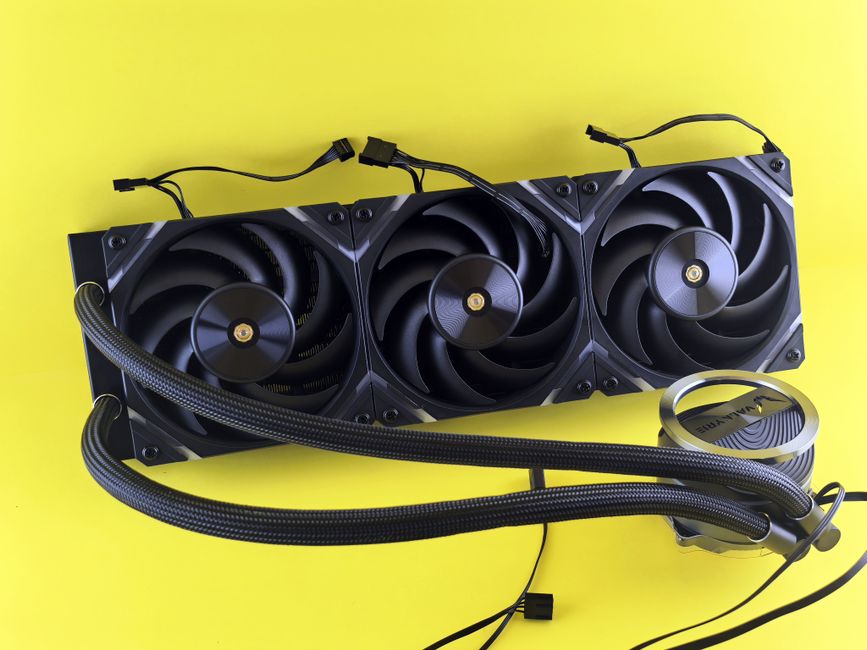
Choosing the best CPU cooler for gaming in 2026? Compare top air and AIO liquid coolers, review specs, prices, and find the perfect cooling solution for your rig. Expert guide.
In the fiercely competitive world of PC gaming, every frame per second counts, and the stability of your system under load is paramount. Modern CPUs, especially those from Intel’s 15th Gen Core series or AMD’s Zen 6 architecture, push performance boundaries like never before, generating significant heat in the process. Without adequate cooling, these powerful processors can throttle, leading to reduced performance and a less-than-optimal gaming experience.
Choosing the right CPU cooler is a critical decision that impacts not only your system’s performance but also its longevity and acoustic profile. The perennial debate between air cooling and All-In-One (AIO) liquid cooling continues to evolve with new technologies and market offerings. As we stand in September 2026, both cooling methods offer impressive solutions, each with distinct advantages and considerations.
This article by ComparisonMath delves deep into the best CPU coolers available today, providing an exhaustive comparison between the leading air and AIO liquid cooling solutions. We’ll examine current-generation products, their specifications, pricing, and help you determine which cooling philosophy best suits your gaming rig and budget for 2026.
| Feature | Air Coolers (2026) | AIO Liquid Coolers (2026) |
|---|---|---|
| Cooling Performance | Excellent for most CPUs, competitive with mid-range AIOs. Top-tier models handle high TDPs. | Superior for extreme overclocking and high-end CPUs. Better heat dissipation capacity. |
| Complexity/Parts | Heatsink, fan(s), mounting bracket. Relatively simple. | Radiator, pump, block, tubes, fans, mounting. More components. |
| Installation | Can be cumbersome due to size; generally straightforward once motherboard is accessible. | More involved; requires radiator mounting, cable routing for pump/fans. |
| Noise Levels | Varies; generally quiet at idle, noticeable under load. Top models are very quiet. | Pump noise can be a factor; fan noise similar to air coolers. Overall, often quieter under heavy load. |
| Maintenance | Dust cleaning every few months. | Check for dust on radiator, occasional inspection for leaks (rare). No liquid top-ups needed. |
| Aesthetics | Can be large and imposing; some models offer sleek designs or RGB fans. | Sleeker profile over CPU socket, often with RGB lighting and customizable LCD screens. |
| Price Range | $40 – $120+ | $80 – $300+ |
| Risk Factor | Minimal to none. | Extremely low but potential for leaks (covered by warranty). |
| Longevity | Very long lifespan, only fans prone to wear. | Generally long, but pump is a mechanical part that can fail. |
Air coolers have come a long way, evolving from simple aluminum blocks to sophisticated towers featuring multiple heatsinks, high-pressure fans, and advanced heat pipe technology. In 2026, they remain a formidable force, offering excellent cooling capabilities without the complexities of liquid. They excel in reliability and often provide a better performance-per-dollar ratio, especially in the mid-range.
Noctua NH-D16 Chromax.black
The successor to the legendary NH-D15, the Noctua NH-D16 Chromax.black sets the benchmark for air cooling in 2026. This dual-tower behemoth features a redesigned fin stack and two updated NF-A15 Gen 2 PWM fans, pushing its thermal dissipation capabilities beyond 280W TDP. Its all-black aesthetic makes it a sleek addition to any build, and Noctua’s renowned low-noise operation is maintained even under heavy loads. Available for approximately $120, it’s a premium investment for those prioritizing quiet, top-tier air cooling with unmatched reliability.
DeepCool AK620 Digital SE
DeepCool continues to impress with its innovative designs, and the AK620 Digital SE is a prime example in 2026. This dual-tower cooler, priced around $75, offers exceptional value. Its key feature is the integrated real-time temperature and CPU usage display on the top cover, a popular aesthetic and functional addition. With two high-performance FDB fans and a 260W TDP rating, it easily handles high-end CPUs like Intel’s Core i7-15700K or AMD’s Ryzen 7 8800X, providing excellent cooling at a competitive price point.
Cooler Master Hyper 212X Spectrum
The Hyper 212 series has been a staple for budget-conscious builders for over a decade, and the 2026 Hyper 212X Spectrum continues this legacy. Priced at an accessible $45, this single-tower cooler features four direct-contact heat pipes, an optimized fin design, and a vibrant RGB 120mm fan. It offers a TDP rating of 180W, making it perfect for mainstream CPUs like the Intel Core i5-15400 or AMD Ryzen 5 8600. It’s a reliable, no-frills option for those seeking a significant upgrade over stock coolers without breaking the bank.
AIO liquid coolers have become increasingly popular due to their superior thermal performance, especially for heavily overclocked or extremely hot CPUs. They also offer a cleaner aesthetic around the CPU socket, often featuring vibrant RGB lighting and customizable LCD screens, making them a centerpiece in many modern gaming rigs.
NZXT Kraken Elite 360 RGB
For the ultimate blend of performance and visual customization, the NZXT Kraken Elite 360 RGB remains a top contender in 2026. Retailing around $280, this 360mm AIO features a brilliant 2.36-inch LCD screen on the pump block, capable of displaying system info, custom images, or animated GIFs. Its updated Gen 8 Asetek pump combined with three F120 RGB Core fans delivers exceptional cooling for CPUs with TDPs exceeding 350W, making it ideal for the most demanding processors like Intel’s Core i9-15900K or AMD’s Ryzen 9 8950X.
Arctic Liquid Freezer III 280 A-RGB
Arctic continues to focus on raw cooling performance with its Liquid Freezer III 280 A-RGB. Priced competitively at $130, this 280mm AIO is renowned for its robust cooling capabilities. It features an innovative VRM fan on the pump housing to cool surrounding motherboard components and a thicker radiator for enhanced heat dissipation. The Freezer III 280 can comfortably handle CPUs up to 300W TDP, making it an excellent choice for performance enthusiasts who prioritize cooling efficiency over flashy aesthetics (though it does include addressable RGB fans). It’s often considered the best value for pure performance in the AIO segment.
Corsair iCUE H100i ELITE LCD XT
Corsair’s iCUE H100i ELITE LCD XT (240mm) offers a powerful and integrated cooling solution for users invested in the iCUE ecosystem. At approximately $180, it provides a balance of strong performance and aesthetic appeal. The 2.1-inch IPS LCD screen on the pump block, synchronized with Corsair’s Capellix RGB fans, allows for extensive customization and monitoring. With a thermal rating of around 270W TDP, it’s a fantastic choice for high-end gaming CPUs in cases where a 360mm radiator might not fit, offering both cooling prowess and premium visual effects.
Selecting the perfect CPU cooler involves balancing several factors specific to your individual needs and system configuration. Here’s a comprehensive guide to help you make an informed decision in 2026:
CPU Thermal Design Power (TDP) and Overclocking Intentions: This is arguably the most crucial factor. Check your CPU’s TDP (e.g., Intel 15th Gen, AMD Zen 6) and consider if you plan to overclock. Higher TDPs and aggressive overclocking demand more robust cooling. For enthusiast-tier CPUs like the Core i9-15900K or Ryzen 9 8950X, especially when overclocked, a high-end 280mm or 360mm AIO is often necessary to prevent throttling. Mid-range CPUs (Core i5, Ryzen 5) can often be adequately cooled by a quality single-tower air cooler or a 240mm AIO.
Case Compatibility:
Air Coolers: Pay attention to your case’s CPU cooler height clearance. Large dual-tower coolers like the Noctua NH-D16 can be very tall (e.g., 165mm+), and many mid-tower cases may struggle to accommodate them. Always measure before purchasing.
AIO Liquid Coolers: Check for radiator mounting points (front, top, rear) and available space. A 360mm radiator is much larger than a 240mm or 280mm one. Ensure there’s sufficient clearance for the radiator itself and its fans, especially with RAM modules or VRM heatsinks. Top-mounting a radiator is generally preferred for optimal longevity.
Budget: CPU coolers range from $40 to over $300. Air coolers generally offer better cooling performance per dollar, especially in the sub-$100 range. AIOs typically start higher and scale up significantly for larger radiators and premium features like LCD screens.
Noise Levels: While both types of coolers have improved significantly in terms of acoustics, some users are more sensitive to noise. High-quality air coolers like Noctua are renowned for their quiet operation. AIOs introduce pump noise, which can be a subtle hum, in addition to fan noise. Read reviews specifically addressing acoustics if this is a primary concern.
Aesthetics and RGB: If a clean, minimalist build or a vibrant RGB spectacle is your goal, AIOs often provide more flexibility with customizable lighting and integrated screens on the pump block. Air coolers tend to be more functional in appearance, though many now include RGB fans or all-black finishes.
Installation Difficulty: Air coolers can be straightforward but may require removing the motherboard or maneuvering a large heatsink in a tight case. AIOs involve mounting a radiator, routing tubes, and connecting several cables, which can be more involved for a first-time builder. Always watch an installation video for your specific model.
Maintenance: Air coolers primarily require dusting of the heatsink fins and fans every few months. AIOs are largely maintenance-free; periodic dusting of the radiator is usually sufficient. There is no need to refill liquid in modern AIO units.
Q1: Do I really need an aftermarket CPU cooler for gaming in 2026?
A: For most modern gaming CPUs, especially those from the mid-range and high-end tiers (e.g., Core i5/i7/i9, Ryzen 5/7/9), an aftermarket cooler is highly recommended. While some CPUs come with stock coolers, these are often barely adequate for sustained loads and definitely not sufficient for overclocking. An aftermarket cooler will provide better thermal performance, reduce noise, and prevent thermal throttling, ensuring your CPU performs at its best during demanding gaming sessions.
Q2: How often should I maintain my CPU cooler, whether it’s air or AIO?
A: For air coolers, the primary maintenance is dust removal. Depending on your environment, you should clean the heatsink fins and fan blades with compressed air every 3-6 months. For AIO liquid coolers, maintenance is minimal. Periodically dust the radiator fins, similar to an air cooler. The liquid inside is sealed, so no refilling is needed. Occasionally check tubes for kinks or the pump for unusual noises, though issues are rare with modern AIOs.
Q3: Is RGB lighting on CPU coolers worth the extra cost?
A: RGB lighting on CPU coolers, whether on fans or pump blocks, is purely an aesthetic feature. It adds no performance benefit to your cooling. The “worth” depends entirely on your personal preference and budget. If you enjoy customizing your build’s look and creating a cohesive lighting scheme, then the extra cost for RGB components might be justified. If you prioritize raw performance and value, non-RGB or subtly lit options will save you money.
Q4: Which type of cooler is best for a compact ITX or Small Form Factor (SFF) gaming PC?
A: For compact ITX/SFF builds, choosing a cooler requires careful consideration of space. Low-profile air coolers, such as the Noctua NH-L9a or Thermalright AXP90, are excellent for extremely tight cases. However, if your ITX case supports it, a 120mm or 240mm AIO liquid cooler can often provide superior cooling performance for high-TDP CPUs without occupying much space above the CPU socket. Always check your case’s specific clearances for both cooler height and radiator support.
As of September 2026, the landscape of CPU cooling offers outstanding options across both air and AIO liquid categories. The “best” cooler ultimately hinges on your specific needs, budget, and aesthetic preferences.
For the vast majority of gamers and PC enthusiasts, including those with high-end CPUs and moderate overclocking, a premium air cooler like the Noctua NH-D16 Chromax.black or the value-packed DeepCool AK620 Digital SE offers a compelling blend of silent operation, exceptional cooling performance, and rock-solid reliability. Air coolers continue to deliver fantastic performance-per-dollar, requiring minimal maintenance and boasting unparalleled longevity.
However, if you’re chasing the absolute limits of overclocking, running the hottest CPUs on the market (e.g., Intel Core i9-15900K or AMD Ryzen 9 8950X at max boost), or if a sleek aesthetic with dynamic RGB lighting and integrated LCD screens is a top priority, then a high-performance AIO liquid cooler is the superior choice. The NZXT Kraken Elite 360 RGB is our top recommendation for those seeking peak performance combined with premium visual customization, while the Arctic Liquid Freezer III 280 A-RGB takes the crown for best performance-per-dollar among AIOs.
In conclusion, for ultimate reliability and excellent all-round performance, air coolers remain a steadfast choice. For bleeding-edge thermal management and eye-catching aesthetics, modern AIO liquid coolers stand ready to elevate your 2026 gaming PC to the next level.
Prices and features mentioned are accurate as of the date of publication. Always check the official provider website for the most current pricing and availability.