Physical Address
304 North Cardinal St.
Dorchester Center, MA 02124
Physical Address
304 North Cardinal St.
Dorchester Center, MA 02124

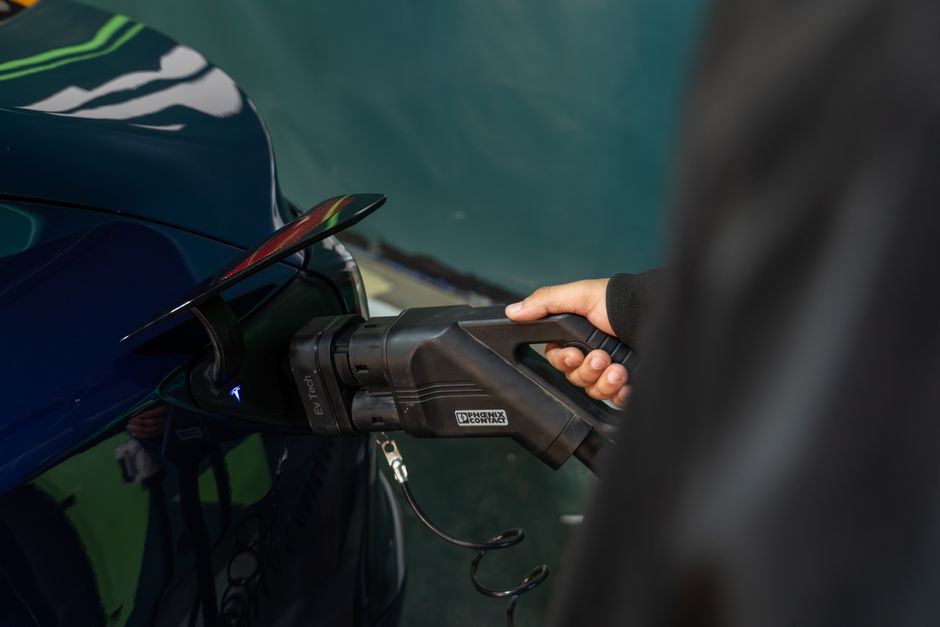
Comparing EV Paint Protection Film (PPF) vs. Ceramic Coating in 2026. Discover the ultimate car surface protection options, current prices, and expert recommendations for your electric vehicle.
As of September 2026, electric vehicles (EVs) continue their rapid ascent in the automotive market, captivating drivers with their silent power and sustainable promise. However, investing in a cutting-edge EV means protecting that investment, especially its pristine paintwork. The advanced finishes and unique material compositions of modern EVs often require a superior level of care compared to traditional internal combustion engine vehicles.
The quest for ultimate car surface protection often narrows down to two titans: Paint Protection Film (PPF) and Ceramic Coating. Both promise to safeguard your EV’s exterior, but they employ distinct mechanisms and offer different benefits. Understanding the nuances of each, especially with the latest 2026 product innovations and market offerings, is crucial for any EV owner looking to preserve their vehicle’s aesthetic and resale value.
This comprehensive comparison from ComparisonMath dives deep into the world of EV paint protection in 2026. We’ll explore the current state of PPF and ceramic coating technologies, their specific advantages and disadvantages, up-to-date pricing, and ultimately, help you decide which solution is best for your electric pride and joy.
| Feature | Paint Protection Film (PPF) | Ceramic Coating |
|---|---|---|
| Primary Protection | Superior physical barrier against chips, scratches, abrasions, swirl marks, light impacts. | Enhanced gloss, hydrophobicity, UV protection, chemical resistance, easier cleaning. |
| Material | Transparent thermoplastic urethane (TPU) film. | Liquid polymer (typically SiO2/TiO2 based) that chemically bonds with paint. |
| Lifespan (Professional) | 8-12+ years with proper care. | 2-9 years, depending on product layers and type. |
| Self-Healing Properties | Yes, most premium 2026 PPFs feature advanced self-healing for minor scratches. | No inherent self-healing; some advanced coatings offer limited scratch resistance. |
| Appearance | Virtually invisible, preserves factory finish. Gloss or matte options available. | Deepens gloss and adds a ‘wet look’ shine. |
| Maintenance | Regular washing; no waxing needed. | Regular washing; requires specific pH-neutral soaps and periodic topper applications. |
| Cost (2026, Professional) |
Full Front: $2,800 – $5,500 Full Vehicle: $6,000 – $12,000+ |
Entry-level (2-3yr): $700 – $1,500 Premium (5-9yr): $1,800 – $3,500+ |
| Installation Time | 2-5 days (full front to full vehicle). | 1-3 days (multi-stage paint correction, application, curing). |
| DIY Option | Extremely difficult, not recommended for quality results. | DIY kits available, but professional application yields vastly superior results and longevity. |
Paint Protection Film, often referred to as clear bra, is a transparent, durable, thermoplastic urethane film applied to painted surfaces of a vehicle. Its primary function is to act as a physical barrier against external damage. The latest generation of PPF, prevalent in 2026, boasts advanced self-healing properties, exceptional clarity, and robust impact resistance, making it an ideal choice for high-wear areas on EVs.
Leading manufacturers like XPEL, STEK, and Suntek continue to dominate the market with their cutting-edge products. XPEL Ultimate Plus 10, for instance, offers a thicker 10-mil film for enhanced protection against rock chips and abrasions, alongside its renowned 10-year warranty. The global expansion of companies like XPEL, notably accelerating their dealer networks in major cities across India as early as April 2026, underscores the growing demand and accessibility of premium PPF solutions worldwide.
STEK’s DYNOshield and DYNOmatte lines are popular for their comprehensive protection and aesthetic versatility, offering both high-gloss and factory-match matte finishes. Suntek’s Reaction series combines the benefits of PPF with hydrophobic top-coat technology, providing both physical protection and ceramic-like water-beading properties in a single product. These films are engineered to protect against environmental contaminants, UV exposure, and chemical stains, maintaining the EV’s factory finish underneath.
The cost of professional PPF installation in 2026 varies significantly based on the coverage area and film brand. For a full front package (hood, fenders, bumper, mirrors, headlights), EV owners can expect to pay between $2,800 and $5,500. A full vehicle wrap, which offers comprehensive protection, typically ranges from $6,000 to upwards of $12,000 for complex EV designs and premium films. While a significant investment, the longevity (8-12+ years) and the superior physical protection often justify the expense, especially for luxury EVs like the Lucid Air Sapphire or Porsche Taycan models.
Ceramic coating is a liquid polymer solution, primarily composed of silicon dioxide (SiO2) or titanium dioxide (TiO2), that is applied by hand to a vehicle’s exterior. It chemically bonds with the factory paint, creating a semi-permanent, sacrificial layer. Unlike PPF, ceramic coating doesn’t offer robust physical impact protection; instead, it excels in enhancing gloss, providing exceptional hydrophobicity, UV protection, and resistance to chemical etching and environmental contaminants.
The 2026 market offers an array of sophisticated ceramic coating products. Professional-grade coatings from brands such as Gtechniq (Crystal Serum Ultra), Feynlab (Ceramic Ultra), and CarPro (CQuartz SiC) are highly regarded for their durability and performance. Gtechniq’s Crystal Serum Ultra, often layered with an EXO V5 top coat, promises up to nine years of protection, delivering unparalleled gloss and slickness.
Feynlab’s self-healing ceramic coatings, while not offering PPF-level impact resistance, provide a degree of micro-scratch repair, showcasing an evolving frontier in coating technology. CarPro’s CQuartz SiC, with its silicon carbide formulation, is praised for its extreme hardness, chemical resistance, and ease of maintenance, making it a favorite among professional detailers in places like Melbourne and NYC, where mobile car detailing services for busy professionals are increasingly popular in 2026.
Pricing for professional ceramic coating applications in 2026 ranges widely based on the product’s longevity and the extent of paint correction required beforehand. An entry-level, 2-3 year ceramic coating can cost between $700 and $1,500, often including a single-stage paint polish. For premium, multi-layer coatings offering 5-9 years of protection, prices typically fall between $1,800 and $3,500+, which usually involves extensive multi-stage paint correction to achieve a flawless finish before application. DIY ceramic kits are available for $50-$200, but professional installation ensures proper surface preparation, even application, and full curing, leading to significantly better longevity and performance.
Deciding between PPF and ceramic coating, or even opting for a combination, requires careful consideration of your EV, driving habits, budget, and desired level of protection. Here’s a breakdown to help you make an informed decision in 2026:
Driving Environment: If your daily commute involves highway driving, frequent travel on gravel roads, or areas prone to road debris, PPF is the superior choice for mitigating rock chips and scratches. For urban driving with less direct impact risk, a ceramic coating might suffice for gloss and ease of cleaning.
Budget: PPF represents a higher upfront investment, often 2-3 times that of a premium ceramic coating for similar coverage areas. If budget is a primary constraint, a high-quality ceramic coating offers excellent value for money in terms of gloss and ease of maintenance. Consider partial PPF coverage (e.g., front bumper and hood) combined with ceramic coating for the rest of the vehicle as a balanced approach.
Desired Protection Level: For maximum physical protection against dings, scratches, and swirl marks, PPF is unmatched. It forms a resilient shield. If your priority is a deep, glossy finish, effortless cleaning, and chemical stain resistance, ceramic coating is the clear winner. Many premium EV owners choose to combine both: PPF on high-impact areas like the front fascia, side skirts, and mirrors, followed by ceramic coating over the entire vehicle (including the PPF) for ultimate hydrophobicity and shine.
Maintenance Commitment: Both options simplify car cleaning, but ceramic coatings typically require specific pH-neutral car soaps and periodic ‘topper’ or maintenance sprays to ensure maximum longevity and performance. PPF generally requires less specialized maintenance, primarily regular washing. Neither solution eliminates the need for washing, but they make it significantly easier.
Vehicle Value and Longevity: For high-value EVs or those you plan to keep for many years, the investment in PPF can significantly preserve the paintwork, potentially leading to a higher resale value. A well-maintained ceramic coating also adds value through its aesthetic appeal and protection from environmental degradation.
Absolutely, and it’s a popular choice for ultimate protection in 2026. Applying a ceramic coating over PPF enhances the film’s hydrophobic properties, making it even easier to clean and providing an added layer of UV protection and gloss. Many high-end detailing shops offer this combined service, recommending specific ceramic products designed to bond effectively with PPF surfaces.
Professional PPF installation, even for a full front, typically takes 1-3 days, while a full vehicle wrap can extend to 3-5 days. Ceramic coating application, including essential paint correction, usually requires 1-3 days. This timeframe allows for thorough surface preparation, precise application, and adequate curing periods for optimal results. It’s not a rush job if you want quality.
Generally, neither PPF nor ceramic coating installation is covered by your EV manufacturer’s warranty, as they are aftermarket services. However, reputable PPF brands like XPEL offer their own product warranties (e.g., 10 years against yellowing, cracking, staining). Professional ceramic coating installations may come with a warranty from the installer or coating manufacturer covering the product’s longevity under normal use conditions.
While DIY ceramic coating kits are widely available and have improved in ease of application by 2026, achieving professional-grade results requires meticulous paint preparation and a controlled environment. Small mistakes can lead to streaking or high spots. DIY PPF application, however, is extremely difficult and almost universally unrecommended due to the precision, specialized tools, and expertise required to avoid bubbles, creases, and misalignment. For both, professional installation yields vastly superior results and longevity.
The added weight of PPF or ceramic coating is negligible, typically adding only a few ounces to the vehicle’s total mass. This will have no measurable impact on your EV’s range, acceleration, or overall performance. In fact, a smoother, cleaner surface from these protections might even slightly improve aerodynamics, though this effect is also practically imperceptible.
For the discerning EV owner in 2026, the choice between Paint Protection Film and Ceramic Coating hinges on prioritizing physical impact resistance versus cosmetic enhancement and ease of cleaning. If your primary concern is safeguarding your EV’s paint from rock chips, scratches, and minor abrasions, especially if you frequently drive on highways or in challenging environments, Paint Protection Film (PPF) is the undisputed champion. Its self-healing capabilities and robust physical barrier offer peace of mind that no coating can match.
However, if your focus is on achieving a dazzling, deep gloss, exceptional hydrophobicity, UV protection, and making your EV incredibly easy to wash, a premium Ceramic Coating is an outstanding investment. It transforms your paint’s surface, repelling water and contaminants, and maintaining a showroom shine for years.
For ultimate, no-compromise protection of your valuable electric vehicle, ComparisonMath highly recommends a hybrid approach: combining PPF on high-impact areas with a full vehicle ceramic coating (applied over the PPF and exposed paint). This strategy leverages the best of both worlds, providing superior physical defense where it’s most needed, alongside a stunning, easy-to-maintain finish across the entire car. Whichever path you choose, investing in professional paint protection for your EV in 2026 is a smart decision that will preserve its beauty and value for years to come.
Prices and features mentioned are accurate as of the date of publication. Always check the official provider website for the most current pricing and availability.