Physical Address
304 North Cardinal St.
Dorchester Center, MA 02124
Physical Address
304 North Cardinal St.
Dorchester Center, MA 02124

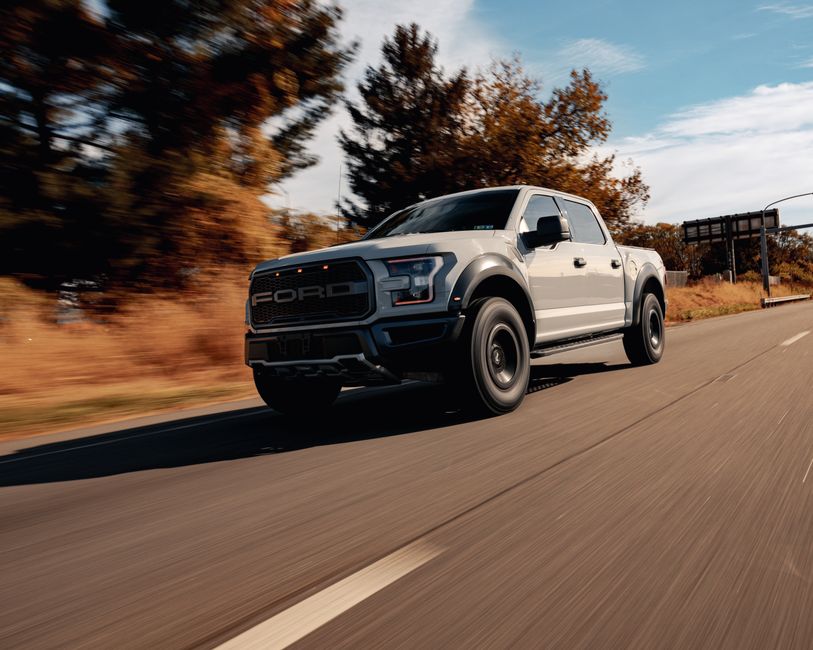
Compare the 2026 Ford F-150's EcoBoost and PowerBoost Hybrid engines. Get specs, pricing, and expert advice to choose the right truck for your needs.
The Ford F-150 has long been a benchmark in the full-size pickup truck segment, and the 2026 model year continues this legacy with a range of potent and efficient engine options. For truck buyers navigating the choices for 2026, two powertrains stand out: the ever-reliable EcoBoost family and the innovative PowerBoost Hybrid. This comparison is crucial for anyone looking to maximize performance, fuel efficiency, and capability in their next truck. As gas prices remain a significant consideration for truck owners, understanding the nuances between these two distinct approaches to power delivery is more important than ever. We’ll dive deep into the specifications, real-world performance, and cost implications of the 2026 F-150’s EcoBoost and PowerBoost Hybrid engines to help you make an informed decision.
| Feature | 2026 Ford F-150 EcoBoost (e.g., 2.7L) | 2026 Ford F-150 PowerBoost Hybrid |
|---|---|---|
| Engine Type | Twin-Turbocharged V6 Gasoline | 3.5L Twin-Turbocharged V6 + Electric Motor |
| Horsepower | ~325 hp | ~430 hp |
| Torque | ~400 lb-ft | ~570 lb-ft |
| Transmission | 10-Speed Automatic | 10-Speed Automatic with Integrated Electric Motor |
| Fuel Economy (Est. MPG Combined) | ~23 MPG | ~25 MPG |
| Towing Capacity (Max) | Up to 10,100 lbs | Up to 12,700 lbs |
| Payload Capacity (Max) | Up to 2,000 lbs | Up to 1,900 lbs |
| Pros | Lower initial cost, robust performance, widely available, good fuel economy for its class. | Higher horsepower and torque, superior towing/hauling potential, better fuel economy, Pro Power Onboard generator functionality, smoother acceleration. |
| Cons | Lower peak power and torque than PowerBoost, less fuel-efficient than PowerBoost, no electric-only driving mode. | Higher initial cost, complex powertrain, slightly lower max payload, added weight from hybrid components. |
Ford’s EcoBoost technology has revolutionized the truck engine landscape, offering robust performance from smaller displacement engines through the use of turbocharging and direct injection. For the 2026 F-150 lineup, the EcoBoost options continue to be a popular choice for their balance of power and efficiency. While Ford is exploring new engine options for future iterations, the current staples like the 2.7L and potentially an updated 3.5L EcoBoost are expected to carry significant market share. The 2.7L EcoBoost V6, a favorite for its spirited acceleration and impressive fuel economy for a V6 gasoline engine, typically produces around 325 horsepower and 400 lb-ft of torque. This setup, paired with Ford’s smooth 10-speed automatic transmission, makes for a capable daily driver and workhorse.
The 2.7L EcoBoost is a fantastic option for those who prioritize a blend of capability and economy without venturing into hybrid territory. Its twin-turbochargers provide immediate boost response, mimicking the feel of a larger displacement engine while maintaining better fuel efficiency. Expect a combined EPA estimated fuel economy in the ballpark of 23 MPG for the 2026 model year, depending on configuration. Towing capacity for trucks equipped with the 2.7L EcoBoost typically reaches up to 10,100 pounds, with a maximum payload rating around 2,000 pounds. These figures are more than sufficient for many consumer and light commercial needs.
For those needing a bit more grunt without stepping up to the PowerBoost, Ford often offers a more powerful EcoBoost variant, such as the 3.5L EcoBoost. This engine typically ups the ante significantly, often producing in the range of 400 horsepower and 500 lb-ft of torque. This higher output translates to increased towing and payload capabilities, pushing the F-150 further into heavy-duty territory within the half-ton class. Fuel economy will naturally see a slight decrease compared to the 2.7L, perhaps settling around 21 MPG combined, but the trade-off is substantial gains in power for more demanding tasks. The pricing for EcoBoost-equipped 2026 F-150 models generally starts lower than their hybrid counterparts, making them an attractive entry point into the F-150 ownership experience.
The 2026 Ford F-150 PowerBoost Hybrid represents a significant leap in powertrain technology for the best-selling truck. It combines a 3.5-liter twin-turbocharged V6 gasoline engine with a powerful electric motor and a robust battery pack, creating a system that delivers exceptional performance and efficiency. This setup is engineered to provide the best of both worlds: the raw power and torque expected from a full-size truck, augmented by the smooth, instant torque of electric propulsion.
The headline figures for the PowerBoost Hybrid are impressive. Ford engineers have pushed its output to approximately 430 horsepower and a colossal 570 lb-ft of torque. This makes the PowerBoost Hybrid the most powerful engine option available for the F-150 in 2026. The electric motor assists the gasoline engine during acceleration, leading to incredibly responsive and smooth power delivery. This surge of torque is particularly beneficial for towing and hauling heavy loads, allowing the PowerBoost Hybrid to achieve impressive maximum towing capacities of up to 12,700 pounds. Payload capacity remains strong, though typically slightly less than the most potent gasoline-only models, usually around 1,900 pounds due to the added weight of the hybrid components.
Where the PowerBoost Hybrid truly shines is in its fuel efficiency and unique functionalities. Despite its immense power, it achieves a remarkable EPA estimated combined fuel economy of around 25 MPG, surpassing even the most efficient EcoBoost gasoline engines. This is achieved through regenerative braking, electric-only driving at lower speeds, and the synergistic operation of the electric motor and gasoline engine. Beyond its mechanical prowess, the PowerBoost Hybrid integrates the Pro Power Onboard system, turning the truck into a mobile generator. With outlets providing significant electrical output (up to 7.2 kW in higher trims), it can power job sites, campsites, or even homes during outages. The initial purchase price for a PowerBoost Hybrid F-150 is higher than for an equivalent EcoBoost model, reflecting the advanced technology and performance it offers.
As of October 2026, pricing for the 2026 Ford F-150 varies significantly based on trim level, configuration (cab size, bed length, drive type), and engine choice. A base model 2026 F-150 XL with the 2.7L EcoBoost engine might start in the ballpark of $37,000. Moving up to the popular XLT trim with the same engine could push the price to around $42,000. The more powerful 3.5L EcoBoost would add a premium of approximately $1,500-$2,500 over comparable 2.7L models.
The 2026 F-150 PowerBoost Hybrid is positioned as a premium powertrain option. Consequently, it’s typically available starting from the Lariat trim and above, or as a distinct package on other trims. Expect the starting MSRP for an F-150 Lariat equipped with the PowerBoost Hybrid to be in the range of $60,000, with higher trims like the King Ranch, Platinum, and Limited pushing prices well into the $70,000s and beyond. The Pro Power Onboard feature, while integrated into the PowerBoost, offers different power output levels which can influence the final cost. Availability for both EcoBoost and PowerBoost models is widespread through Ford dealerships nationwide, though specific configurations and options may be subject to production lead times and dealer inventory.
The most critical factor in choosing between the EcoBoost and PowerBoost Hybrid is how you intend to use your F-150. If your daily driving involves city commutes, occasional highway trips, and light-duty hauling or towing (e.g., a small trailer for home improvement supplies or recreational gear), the EcoBoost engines, particularly the 2.7L, offer an excellent balance of performance, efficiency, and affordability. They provide ample power for most scenarios without the added complexity or cost of a hybrid system.
However, if your work or lifestyle demands significant towing of heavy loads, such as large campers, boats, or construction equipment, the superior torque and horsepower of the PowerBoost Hybrid become invaluable. Its 12,700-pound max towing capacity is a significant advantage. Furthermore, if you frequently need a reliable power source at remote locations, on job sites, or as a backup during power outages, the Pro Power Onboard system integrated with the PowerBoost is a game-changer that the EcoBoost engines cannot replicate.
While the PowerBoost Hybrid offers better overall fuel economy (around 25 MPG combined) than the EcoBoost engines (around 23 MPG combined for the 2.7L), the higher upfront cost must be factored into the total cost of ownership. The PowerBoost Hybrid typically commands a premium of several thousand dollars over equivalent EcoBoost models. You’ll need to calculate how many miles you plan to drive annually and at current fuel prices to determine if the fuel savings from the hybrid system will offset its higher purchase price over the life of the vehicle.
Consider also the long-term maintenance and repair costs. Hybrid powertrains are more complex, potentially leading to higher repair bills down the line, though Ford’s extensive experience with hybrids suggests reliability is a strong suit. Conversely, EcoBoost engines are well-established and have a vast service network. For many, the simplicity and lower entry price of the EcoBoost may be more appealing, especially if they don’t drive a high enough annual mileage to fully capitalize on the hybrid’s fuel savings.
If sheer power and a smoother, more responsive acceleration feel are paramount, the PowerBoost Hybrid is the clear winner. Its combined output of 430 hp and 570 lb-ft of torque provides an exhilarating driving experience and unmatched capability for demanding tasks. The integrated hybrid system also contributes to a quieter and more refined ride, particularly at lower speeds where it can operate on electric power alone.
Beyond raw power, the PowerBoost Hybrid offers unique features like Pro Power Onboard, which is a significant differentiator for contractors, outdoor enthusiasts, or those who value emergency preparedness. If these advanced features and the ultimate in F-150 performance are within your budget, the PowerBoost Hybrid offers a compelling package. If your needs are more standard and you prioritize a lower initial investment, the dependable and capable EcoBoost engines remain an excellent choice.
Both the EcoBoost and PowerBoost Hybrid powertrains are built by Ford with reliability in mind. The EcoBoost engines, particularly the 2.7L, have a proven track record over several model years. The PowerBoost Hybrid is a more complex system, but Ford has invested heavily in its development and testing. As of October 2026, real-world data on long-term PowerBoost Hybrid reliability is still accumulating, but initial reports and Ford’s engineering suggest strong durability. Maintenance schedules are crucial for both; the hybrid system has specific considerations for its battery and electric components.
While EPA estimates suggest the PowerBoost Hybrid (around 25 MPG combined) is more fuel-efficient than the EcoBoost engines (around 23 MPG combined for the 2.7L, slightly less for the 3.5L), real-world results can vary. In city driving and moderate conditions, the PowerBoost Hybrid often achieves its EPA estimates or even exceeds them by leveraging its electric-only mode. On the highway at sustained high speeds, the difference may narrow. EcoBoost engines, especially the 2.7L, are also very efficient for their power output. Your driving habits, load, and terrain will significantly impact observed MPG for both.
Yes, the Pro Power Onboard system is a standard integrated feature of the 2026 Ford F-150 PowerBoost Hybrid. It offers different power output levels, typically ranging from 2.4 kW up to 7.2 kW, depending on the specific configuration and trim level. This allows users to power tools, lights, and other equipment directly from the truck, making it an exceptionally versatile tool for work and recreation. EcoBoost models do not offer this integrated generator functionality.
The justification for the PowerBoost Hybrid’s higher cost depends on individual priorities. If you require the absolute highest towing/hauling capacity, benefit significantly from the mobile generator functionality of Pro Power Onboard, or prioritize the smoothest and most powerful acceleration, then the added expense is likely worthwhile. For drivers who primarily use their truck for lighter duties and want to minimize upfront cost, an EcoBoost engine might offer better value. Perform a cost-benefit analysis based on your expected mileage, towing needs, and desired features to determine if the premium is justified for your situation.
For the 2026 Ford F-150, the choice between the EcoBoost and PowerBoost Hybrid engines comes down to a clear prioritization of needs and budget. The EcoBoost engines, particularly the 2.7L, remain an outstanding choice for the vast majority of truck buyers. They offer a compelling blend of robust performance, good fuel efficiency for their class, and a lower entry price point, making them the sensible, value-driven option for daily driving, moderate towing, and general utility. The widespread availability and proven nature of these powertrains add to their appeal.
However, for those who demand the pinnacle of capability, efficiency, and innovative features from their pickup truck, the 2026 Ford F-150 PowerBoost Hybrid is the superior choice. Its class-leading horsepower and torque, impressive towing capacity, enhanced fuel economy, and the revolutionary Pro Power Onboard system elevate it beyond a mere work vehicle to a versatile, high-performance tool. While it comes with a higher initial investment, the benefits in terms of raw power, efficiency, and unique functionalities make it the clear winner for serious truck enthusiasts, heavy-duty users, and those who want the most advanced powertrain Ford offers in its iconic F-150 for 2026.
Prices and features mentioned are accurate as of the date of publication. Always check the official provider website for the most current pricing and availability.




