Physical Address
304 North Cardinal St.
Dorchester Center, MA 02124
Physical Address
304 North Cardinal St.
Dorchester Center, MA 02124

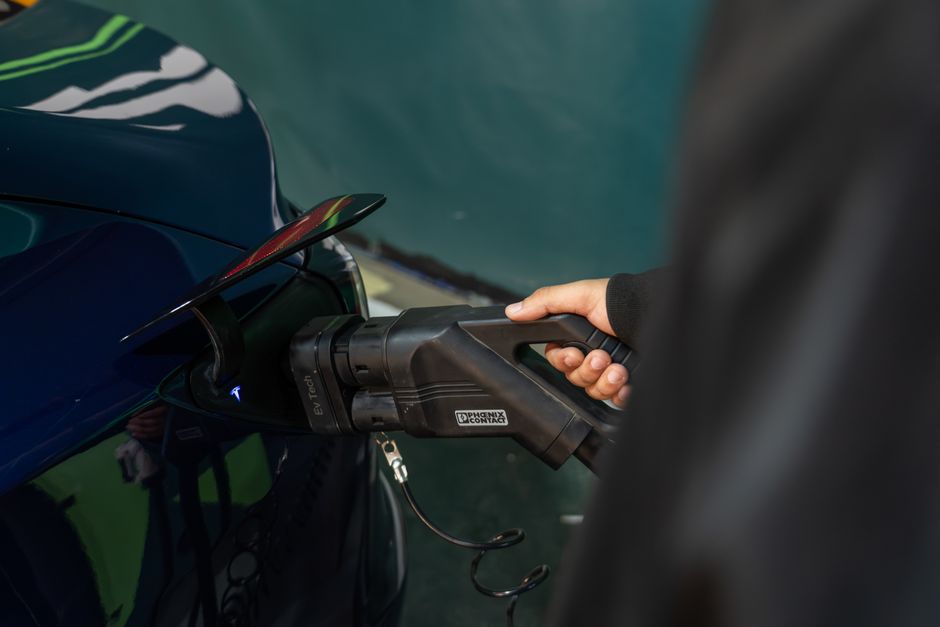
Explore the top EV battery swapping services of 2026 â Nio, CATL EVOGO, and Aulton â compared for speed, cost, and network. Find your ideal solution.
The electric vehicle revolution continues its unstoppable march, and as adoption rates soar in 2026, so does the demand for seamless, efficient charging solutions. While ultra-fast charging technology has made significant strides â with breakthroughs like BYDâs 5-minute Blade charging making headlines â battery swapping remains a compelling alternative for many EV owners. This innovative approach promises instant full charges, circumventing the waiting times associated with traditional charging stations and offering unparalleled convenience.
Battery swapping addresses several critical pain points for EV users: range anxiety, battery degradation concerns, and the desire for quick refueling comparable to gasoline cars. In 2026, the landscape of EV battery swapping services has matured significantly, with a few dominant players vying for market leadership. Understanding their offerings is crucial for any current or prospective EV owner.
This comprehensive comparison by ComparisonMath delves into the leading EV battery swapping services of 2026: Nio, CATLâs EVOGO, and Aulton. We will analyze their current technological advancements, network reach, pricing models, and overall user experience to help you determine which service best fits your driving needs. As of October 2026, these three companies represent the forefront of the battery swapping industry, each bringing unique strengths to the table.
Hereâs an at-a-glance comparison of Nio, CATL EVOGO, and Aulton:
| Feature | Nio | CATL (EVOGO) | Aulton New Energy |
|---|---|---|---|
| Target Market | Premium Nio vehicle owners | Broad EV market, multi-brand partnerships | Multi-brand, commercial fleets, urban consumers |
| Swapping Speed | Approx. 3-5 minutes | Approx. 1-3 minutes | Approx. 3-5 minutes |
| Network Size (Oct 2026 Est.) | Over 5,000 PSS globally | 1,500+ stations in major Chinese cities, expanding | 1,200+ stations in China, rapid expansion post-IPO |
| Battery Type/System | Proprietary Nio Power Pack (75kWh, 100kWh, 150kWh) | Choco-Cell modular battery system | Standardized battery packs, multi-OEM focus |
| Pricing Model (Est. 2026) | Battery as a Service (BaaS) subscription, pay-per-swap | Pay-per-swap, battery rental options | Pay-per-swap, fleet contracts |
| Key Advantage | Seamless integration, premium experience, significant network | Universal compatibility ambition, high efficiency, modularity | Multi-brand approach, rapid independent growth, cost-effective |
| Key Disadvantage | Nio-exclusive, higher premium cost | Still expanding network for universal adoption | Less consumer brand recognition compared to Nio |
Nio remains the undisputed leader in proprietary battery swapping, having established a robust ecosystem around its Power Swap Stations (PSS) globally by October 2026. With over 5,000 PSS units deployed across China, Europe (including Norway, Germany, Sweden, and the Netherlands), and piloting in the Middle East, Nio offers its owners an unparalleled convenience. The latest PSS 4.0 stations, introduced earlier this year, boast enhanced capacity, able to complete over 400 swaps per day and store up to 21 battery packs.
Nioâs Battery as a Service (BaaS) model is a cornerstone of its offering. By subscribing to BaaS, Nio owners can purchase their vehicle without the battery, significantly reducing the initial purchase price. As of October 2026, BaaS subscriptions typically range from Â¥980 (approx. $135 USD) per month for a 75 kWh battery pack to Â¥1,680 (approx. $230 USD) for a 100 kWh pack. This subscription includes access to the swapping network, battery maintenance, and the flexibility to upgrade or downgrade battery capacities on demand, a major advantage for fluctuating travel needs.
The swapping process itself is remarkably swift, taking approximately 3 to 5 minutes â faster than a typical gasoline refuel. Nio users benefit from the comfort of knowing their battery health is managed by Nio, mitigating degradation concerns. While Nioâs system is exclusive to its own vehicles, its expansive and consistently upgraded network, coupled with premium service, justifies its position as a top-tier solution for Nio drivers. However, it’s worth noting the emerging challenge from ultra-fast charging technologies like BYDâs 5-minute Blade charging, which seeks to match Nio’s speed without the need for swapping infrastructure.
Contemporary Amperex Technology Co. Limited (CATL), the world’s largest battery manufacturer, entered the swapping arena with its EVOGO service, aiming for a more universal, multi-brand approach. By October 2026, EVOGO has made significant inroads, particularly in China, with over 1,500 stations operating in more than 30 major cities. CATLâs innovation lies in its modular battery pack, the âChoco-cell,â which is designed for broad compatibility across various EV models and manufacturers.
The Choco-cell concept allows for flexible battery configurations, where vehicles can be fitted with one or more standard modules based on their range requirements. This modularity is key to EVOGO’s vision of widespread adoption beyond a single OEM. Swapping times for a Choco-cell pack are impressively quick, often completed in just 1 to 3 minutes thanks to highly automated stations. This efficiency makes EVOGO a highly competitive option for drivers prioritizing speed and flexibility.
EVOGO’s pricing model is generally pay-per-swap, with average costs for a full charge in the range of Â¥40-Â¥60 (approx. $5.50-$8.50 USD), alongside potential battery rental options for longer-term use. CATLâs strategy is to foster partnerships with multiple automakers, allowing a wider range of vehicles to utilize its swapping network. While its network is not yet as vast as Nioâs proprietary system, its growth trajectory and commitment to standardization position EVOGO as a strong contender for the future of multi-brand battery swapping, especially for urban commuting and last-mile logistics.
Aulton New Energy has emerged as a formidable, independent player in the battery swapping landscape, even while receiving Nio’s backing in its early stages. By October 2026, Aulton has successfully completed its second HKEX listing test, poised for a significant IPO that is expected to fuel its ambitious expansion plans. This capital infusion allows Aulton to rapidly grow its network, which currently stands at over 1,200 stations across key Chinese provinces.
Aultonâs primary focus is on developing standardized battery swapping solutions for a diverse range of electric vehicles, including passenger cars, ride-hailing fleets, and light commercial vehicles. Unlike Nio’s exclusive model, Aulton actively seeks partnerships with multiple OEMs to integrate its universal battery packs and swapping technology. This multi-brand strategy is crucial for addressing market fragmentation and offering broader accessibility to EV owners who don’t drive a Nio.
The swapping experience at an Aulton station is designed for efficiency, typically taking 3 to 5 minutes, similar to Nio. Aultonâs pricing structure primarily involves a pay-per-swap model, often complemented by tailored subscription or fleet management packages for commercial partners. With Nio being both a backer and a top competitor, Aulton navigates a unique position, leveraging initial support while aggressively carving out its own market share. Its post-IPO growth is anticipated to see Aulton significantly expand its footprint and solidify its standing as a major force in independent battery swapping.
Selecting the best EV battery swapping service in 2026 depends heavily on your specific needs, vehicle, and geographical location. Consider these factors when making your decision:
First, **Vehicle Compatibility** is paramount. If you own a Nio vehicle, then Nio Power Swap Stations are your primary and most integrated option. The BaaS model is specifically designed for Nio owners, offering unmatched flexibility and service. For owners of other EV brands, CATL’s EVOGO or Aulton New Energy are the viable choices, provided their vehicle model is compatible with the respective standardized battery packs.
Next, **Network Availability** in your typical driving areas is crucial. While all three services are expanding rapidly, their coverage can vary significantly by region. Nio boasts the most extensive network for its ecosystem, especially in major Chinese cities and growing European markets. CATL’s EVOGO is strong in many Chinese urban centers, while Aulton is rapidly increasing its footprint post-IPO, focusing on high-density areas and commercial routes. Always check the service map before committing.
Consider your **Usage Patterns and Cost Sensitivity**. If you are a high-mileage driver or frequently embark on long journeys, the convenience and speed of swapping may outweigh the costs. Nioâs BaaS subscription offers predictable monthly costs and the benefit of not owning the battery. CATL and Aulton typically offer pay-per-swap options, which might be more cost-effective for sporadic use. Compare the overall cost per kilowatt-hour swapped against home charging or public fast-charging rates in your area.
Finally, think about **Future-proofing and Technology**. Battery swapping offers inherent advantages in allowing for technology upgrades without buying a new vehicle, as you can swap for newer, more efficient battery packs as they become available. CATL’s modular ‘Choco-cell’ design shows strong potential for future-proofing and wider industry adoption. Aulton’s push for multi-OEM standardization also contributes to a more sustainable, adaptable ecosystem.
Yes, typically. While ultra-fast charging technologies have improved significantly, capable of adding hundreds of kilometers in 15-20 minutes, a full battery swap usually takes only 1 to 5 minutes. This makes swapping a considerably faster “refueling” experience compared to even the quickest direct charging solutions available in 2026.
The biggest challenge remains battery standardization across different vehicle manufacturers. Nio operates a proprietary system, while CATL (EVOGO) and Aulton are actively working towards universal or multi-OEM compatible battery pack designs. Lack of a unified industry standard hinders broader interoperability and requires significant infrastructure investment from each provider.
While China is the global leader in battery swapping infrastructure and adoption, Nio has notably expanded its PSS network into several European countries by 2026, including Norway, Germany, and the Netherlands. CATL and Aulton are primarily focused on the Chinese market but are exploring pilot programs and partnerships for international expansion, especially in Asia and emerging EV markets.
Generally, no. When you use a reputable battery swapping service like Nio, CATL EVOGO, or Aulton, the batteries are owned, maintained, and managed by the service provider. This often means you receive a healthy, fully charged battery, and the provider takes on the responsibility for battery degradation and warranty. For Nio’s BaaS users, it’s a core benefit of the service.
No, not currently. Each swapping service requires specific vehicle compatibility. Nio’s service is exclusive to Nio vehicles. CATL EVOGO and Aulton aim for broader OEM partnerships, but only vehicles designed or adapted to use their specific modular or standardized battery packs can utilize their services. Always check for compatibility before considering a swapping service.
As of October 2026, the EV battery swapping market is vibrant and competitive, offering compelling alternatives to traditional charging. For **Nio owners**, the choice is clear: Nioâs Power Swap Stations deliver a premium, seamless, and extensive swapping experience, backed by the flexibility of its BaaS model. Its continued global expansion and technological upgrades solidify its leadership within its own ecosystem.
For the broader EV market, **CATLâs EVOGO** stands out for its ambitious vision of universal compatibility and highly efficient, modular Choco-cell system. Its rapid expansion and focus on OEM partnerships make it a strong contender for a multi-brand future, offering impressive speed and flexibility to a wider range of drivers. EVOGO is arguably the most forward-thinking solution for addressing standardization.
**Aulton New Energy**, having successfully navigated its IPO by mid-2026, is a rapidly growing force, particularly for urban consumers and commercial fleets seeking multi-brand solutions. Despite Nioâs early backing, Aulton has distinguished itself as an independent, competitive entity focused on cost-effective standardization. Its aggressive growth trajectory makes it a significant player to watch.
Ultimately, while ultra-fast charging continues to evolve, battery swapping, championed by Nio, CATL, and Aulton, offers unique benefits of speed, convenience, and battery management. Nio remains the gold standard for its own ecosystem, but CATL and Aulton are pushing the boundaries for universal adoption, making 2026 a pivotal year for this innovative EV solution. The ‘best’ service will depend entirely on your car, location, and driving habits, but all three are pushing the boundaries of EV convenience.
Prices and features mentioned are accurate as of the date of publication. Always check the official provider website for the most current pricing and availability.




