Physical Address
304 North Cardinal St.
Dorchester Center, MA 02124
Physical Address
304 North Cardinal St.
Dorchester Center, MA 02124

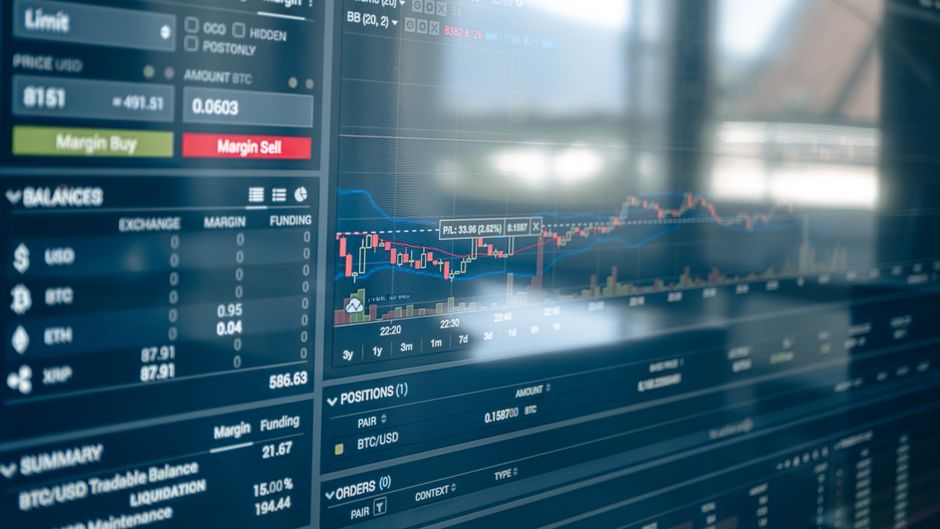
Compare the top centralized crypto futures trading platforms of 2026. Find the best for low fees, high leverage, security, and advanced features.
The cryptocurrency market continues its rapid evolution in 2026, with derivatives trading, particularly futures, playing an increasingly pivotal role. For sophisticated traders and institutional investors alike, centralized crypto futures platforms offer the liquidity, leverage, and advanced tools necessary to capitalize on market movements, whether bullish or bearish. Understanding the nuances of these platforms – from fee structures and security protocols to available assets and regulatory compliance – is paramount for successful trading.
Trading crypto futures involves speculating on the future price of a cryptocurrency without owning the underlying asset. This allows for significant capital efficiency through leverage, amplifying both potential gains and losses. As of October 2026, the landscape of centralized crypto futures platforms has matured considerably, offering robust infrastructure, competitive fees, and enhanced user experiences designed for both retail and professional traders.
This comprehensive guide from ComparisonMath dives deep into the best centralized crypto futures trading platforms of 2026. We’ve rigorously analyzed and compared the top contenders based on critical factors such as security, fee structures, maximum leverage, available trading pairs, user interface, and customer support. Our goal is to equip you with the knowledge needed to make an informed decision, ensuring you select a platform that aligns with your trading strategy and risk tolerance.
| Platform | Key Feature | Max Leverage | Maker Fee (Tier 1) | Taker Fee (Tier 1) | Security Score (1-5) | Best For |
|---|---|---|---|---|---|---|
| Binance Futures | Deepest Liquidity, Vast Altcoin Selection | 125x | 0.015% | 0.03% | 5 | High-volume & Altcoin Traders |
| Bybit Derivatives | Fast Execution, USDC Contracts | 100x | 0.01% | 0.05% | 4 | Perpetual & Mobile Traders |
| OKX Futures | Advanced Trading Tools, Portfolio Margin | 100x | 0.015% | 0.035% | 4 | Professional & API Traders |
| Kraken Pro Derivatives | Regulatory Compliance, High Trust | 50x | 0.02% | 0.05% | 5 | US Users & Security-Focused Traders |
| Bitget Futures | Leading Copy Trading, Diverse Pairs | 125x | 0.02% | 0.06% | 4 | Copy Trading & Community Users |
As of October 2026, Binance Futures firmly maintains its position as the world’s largest crypto derivatives exchange by trading volume and open interest. It continues to offer unparalleled liquidity, ensuring minimal slippage even for large orders. The platform boasts an extensive selection of perpetual and traditional futures contracts, covering everything from major cryptocurrencies like Bitcoin and Ethereum to a vast array of mid-cap and even emerging altcoins, totaling over 350 distinct pairs.
Binance’s fee structure remains highly competitive, featuring a base maker fee of 0.015% and a taker fee of 0.03% for its lowest tier. Traders can further reduce these fees by holding BNB tokens or by achieving higher VIP tiers through increased trading volume. The platform provides up to 125x leverage on major pairs, alongside a sophisticated unified margin account system that allows for greater capital efficiency across spot, margin, and futures trading.
Security is a top priority, with Binance maintaining its industry-leading SAFU (Secure Asset Fund for Users) insurance fund, currently valued at over $1 billion. The platform employs advanced multi-party computation (MPC) wallets, rigorous KYC/AML procedures, and multi-factor authentication to protect user assets. Its intuitive interface caters to both beginners and seasoned professionals, while its robust API is favored by algorithmic traders. Binance has also significantly strengthened its regulatory compliance across various global jurisdictions, providing enhanced operational clarity for its users.
Bybit has solidified its reputation as a leading platform for crypto derivatives, particularly known for its fast execution speeds and user-centric design. In 2026, Bybit Derivatives offers a strong selection of USDT-settled and USDC-settled perpetual contracts, alongside inverse perpetuals, catering to a diverse range of trading strategies. The platform supports over 180 different futures pairs, focusing on major and well-established altcoins.
Bybit’s fee structure is highly attractive for makers, with a base maker fee of 0.01% and a taker fee of 0.05%. These rates are further reducible through volume-based tiers and holding the platform’s native token, MNT. Traders can access up to 100x leverage on major pairs like BTC/USDT and ETH/USDT, providing ample opportunity for leveraged trading. The platform’s ‘Copy Trading 2.0’ feature has seen significant enhancements, allowing users to effortlessly replicate the strategies of top traders.
Security measures at Bybit include a dedicated $200 million insurance fund, comprehensive cold storage solutions for the majority of client funds, and robust 2FA protocols. The user interface is celebrated for its clean, modern aesthetic and ease of use, particularly on mobile. Bybit has also expanded its fiat on/off-ramp options, making it easier for global users to access its derivatives products.
OKX continues to be a top choice for professional and high-volume traders, distinguishing itself with a comprehensive suite of advanced trading tools and deep liquidity. As of 2026, OKX Futures offers an impressive array of perpetual, quarterly, and even options contracts, providing sophisticated hedging and speculative opportunities across over 250 crypto pairs. Its unified trading account system allows for flexible margin management across different product types.
The platform’s fee structure is competitive, with a base maker fee of 0.015% and a taker fee of 0.035%. OKX token (OKB) holders and high-volume traders benefit from substantial fee discounts. Traders can utilize up to 100x leverage on their trades, coupled with advanced order types and a highly customizable trading interface. OKX’s portfolio margin mode is particularly beneficial for experienced traders seeking maximum capital efficiency.
OKX prioritizes security with multi-layer cold and hot wallet separation, a dedicated risk management system, and regular security audits. While the platform’s advanced features can be intimidating for novices, its robust analytics and API capabilities are highly valued by experienced market participants. OKX has also been actively expanding its global footprint, enhancing its regulatory standing in key growth markets.
Kraken, long respected for its strong regulatory compliance and unwavering commitment to security, has significantly bolstered its Kraken Pro Derivatives offering by October 2026. This platform is particularly appealing to traders prioritizing trust, security, and a regulated environment, especially those in jurisdictions like the United States where regulatory clarity is paramount. Kraken Pro Derivatives offers a focused selection of futures contracts on major cryptocurrencies such as BTC, ETH, and LTC, with an emphasis on reliability over sheer quantity, currently supporting over 70 pairs.
Kraken Pro’s fee schedule is transparent and competitive for its market segment, with a base maker fee of 0.02% and a taker fee of 0.05%. Volume-based discounts are available, aligning with its appeal to more serious traders. While its maximum leverage of 50x for BTC/ETH and 20x for other assets is lower than some offshore competitors, it is deliberately set to align with best practices for risk management and regulatory adherence, providing a safer trading environment for its users.
Security is a cornerstone of Kraken’s operations. It boasts 100% cold storage for all derivatives collateral, regular proof-of-reserves attestations, and a decade-long track record of never being hacked. The platform also offers excellent 24/7 customer support and a clean, professional interface designed for serious trading. Its strong regulatory standing makes it an ideal choice for institutional clients and retail traders who prioritize compliance and peace of mind.
Bitget has emerged as a formidable player in the crypto derivatives space by October 2026, primarily recognized for its innovative social trading features and a rapidly expanding selection of altcoin futures. The platform offers a diverse range of perpetual contracts across more than 280 cryptocurrencies, appealing to traders looking beyond just the major assets. Bitget’s ‘Copy Trading’ feature, which allows users to automatically mirror the trades of expert strategists, remains a significant draw, fostering a vibrant community.
Bitget’s fee structure includes a base maker fee of 0.02% and a taker fee of 0.06%, with substantial discounts available for users who hold BGB, the platform’s native token. Traders can access high leverage of up to 125x on BTC/USDT and other major pairs, providing significant speculative power. Beyond copy trading, Bitget also offers grid trading bots and various staking opportunities within its ecosystem, enhancing its appeal to active users.
The platform maintains a robust $300 million Protection Fund to safeguard user assets against unforeseen events, alongside audited proof-of-reserves and multi-signature wallets. While its liquidity may not always match that of Binance for niche altcoins, Bitget has made significant strides in improving its order book depth. Its user-friendly interface makes it accessible to a broad audience, from beginners exploring copy trading to experienced individuals seeking diverse altcoin exposure.
Selecting the best centralized crypto futures trading platform in 2026 requires a careful evaluation of several key factors tailored to your individual trading style and risk appetite. The market is diverse, and what works for one trader may not be ideal for another.
Firstly, **Fees** are paramount. Compare maker/taker fees, funding rates, and withdrawal fees. While a few basis points may seem small, they can significantly impact profitability, especially for high-frequency or high-volume traders. Look for platforms that offer tiered discounts or native token benefits, like Binance’s BNB or Bitget’s BGB, to optimize costs.
Secondly, **Security and Regulation** cannot be overstated. Prioritize platforms with strong insurance funds, proven cold storage solutions, multi-factor authentication, and a clear track record of protecting user assets. For peace of mind, platforms like Kraken Pro, with robust regulatory compliance, offer an added layer of trust, particularly for traders in regulated markets.
Thirdly, **Liquidity and Available Assets** are crucial for efficient trading. High liquidity ensures that your orders are filled quickly and at competitive prices, minimizing slippage. Consider the range of futures contracts offered – whether you’re focused on major cryptocurrencies or seeking exposure to a wide array of altcoins. Binance and Bitget excel in altcoin selection, while OKX provides deep order books for various contract types.
Fourthly, assess the **Leverage Options and Risk Management Tools**. While high leverage can amplify profits, it also magnifies losses. Choose a platform that offers leverage levels appropriate for your strategy and provides robust risk management features like stop-loss/take-profit orders, liquidation protocols, and unified margin accounts to manage collateral effectively.
Finally, consider the **User Interface and Features** that align with your trading proficiency. Beginners might prefer a simpler, more intuitive design like Bybit’s, while advanced traders may benefit from the extensive charting tools, API capabilities, and portfolio margin options offered by OKX or Binance. Features like copy trading (Bitget) or educational resources can also be significant differentiators. Evaluate customer support availability and responsiveness, as timely assistance is vital when trading fast-moving markets.
Centralized crypto futures trading platforms are exchanges that allow users to speculate on the future price of cryptocurrencies without owning the actual assets. They act as intermediaries, matching buyers and sellers, and providing features like leverage, advanced order types, and robust security. These platforms manage the order books, collateral, and liquidation processes, offering a streamlined experience compared to decentralized alternatives.
The legality of crypto futures trading in 2026 varies significantly by jurisdiction. In many regions, such as parts of Europe and Asia, they are legal and regulated, allowing platforms like Binance and Bybit to operate. However, in countries like the United States, direct retail access to crypto futures is often restricted to CFTC-regulated exchanges (like CME Group for institutional access) or limited to specific platforms like Kraken Pro Derivatives, which adhere to strict compliance standards. Always verify local regulations before trading.
Trading crypto futures carries substantial risks due to high volatility and the use of leverage. While leverage can amplify profits, it can also lead to rapid and significant losses, potentially exceeding your initial investment. Other risks include market manipulation, technical glitches, liquidation risk (where your position is automatically closed due to insufficient margin), and regulatory changes. It’s crucial to understand these risks and use robust risk management strategies.
To minimize fees, consider several strategies. Firstly, aim for maker orders (limit orders that add liquidity to the order book) as they often have lower fees or even rebates compared to taker orders (market orders that remove liquidity). Secondly, many platforms offer fee discounts for holding their native tokens (e.g., BNB on Binance, MNT on Bybit, OKB on OKX, BGB on Bitget) or for achieving higher trading volumes. Finally, some platforms have specific promotions or VIP programs that can significantly reduce your trading costs.
The main difference lies in their expiry. Traditional futures contracts have a specific settlement date, meaning they expire and are cash-settled or physically delivered on a predetermined future date. Perpetual futures, on the other hand, do not have an expiry date. They are designed to mimic spot market prices using a ‘funding rate’ mechanism, where traders periodically pay or receive fees based on the difference between the perpetual contract price and the underlying asset’s spot price. This allows traders to hold positions indefinitely without the need for rolling over contracts.
As of October 2026, the centralized crypto futures trading landscape offers an array of sophisticated platforms, each excelling in different aspects. After a thorough review, **Binance Futures** stands out as the overall top choice, particularly for traders seeking unmatched liquidity, an extensive selection of altcoin contracts (over 350 pairs), and competitive fees. Its robust security infrastructure, combined with advanced trading features and a comprehensive ecosystem, caters to both high-volume professionals and active retail traders.
For those prioritizing a more user-friendly interface, fast execution, and a strong focus on perpetuals, **Bybit Derivatives** is an excellent runner-up. Its innovative USDC-settled contracts and enhanced copy trading features make it highly appealing. Meanwhile, **OKX Futures** remains the ideal platform for professional traders who demand the most advanced tools, portfolio margin, and deep liquidity across a diverse range of contract types, including options.
If regulatory compliance and unwavering security are your primary concerns, especially for traders in highly regulated regions like the United States, **Kraken Pro Derivatives** offers an unparalleled level of trust and a proven track record. Its focus on institutional-grade security and transparent operations provides a secure environment, albeit with lower leverage. Lastly, for traders interested in social trading and accessing a broad spectrum of altcoin futures through innovative features like copy trading, **Bitget Futures** presents a compelling option, supported by a significant protection fund.
Ultimately, the ‘best’ platform depends on your individual trading needs. Consider your experience level, risk tolerance, desired leverage, preferred assets, and geographical location. All platforms reviewed here represent the pinnacle of centralized crypto futures trading in 2026, offering reliable and powerful tools to navigate the dynamic crypto markets.
Prices and features mentioned are accurate as of the date of publication. Always check the official provider website for the most current pricing and availability.




