Physical Address
304 North Cardinal St.
Dorchester Center, MA 02124
Physical Address
304 North Cardinal St.
Dorchester Center, MA 02124

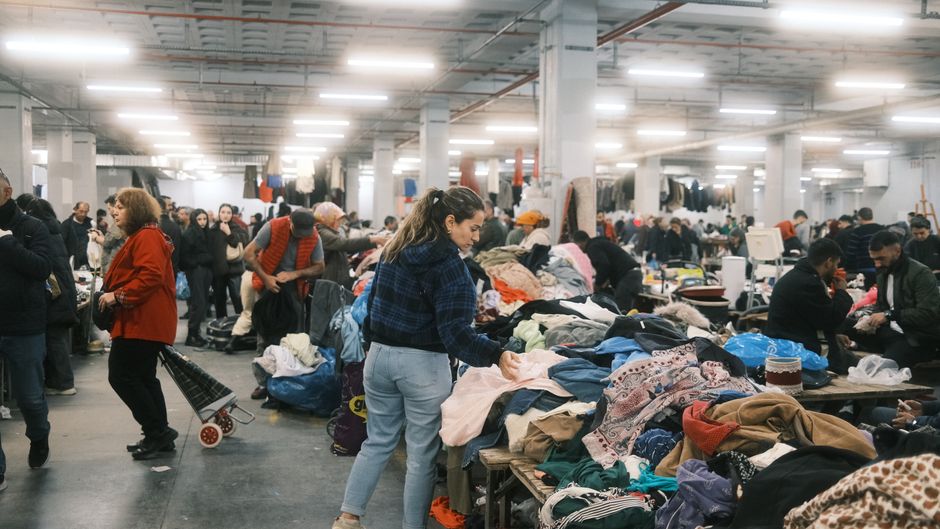
Compare Vinted, Depop, & Poshmark in 2026 for buying & selling second-hand fashion. Find the best marketplace for your style, budget, & sustainability goals. Updated October 2026.
In October 2026, the second-hand fashion market continues its meteoric rise, driven by increasing consumer demand for sustainability, unique styles, and cost-effective shopping. With global economic shifts and a heightened environmental consciousness, buying and selling pre-loved clothes isn’t just a trendâit’s a mainstream movement. This flourishing ecosystem offers fantastic opportunities for both savvy shoppers looking for bargains and individuals aiming to declutter their closets while earning extra cash.
However, navigating the multitude of online platforms can be daunting. Each marketplace boasts distinct features, fee structures, and communities, catering to different niches and user preferences. Understanding these nuances is crucial for optimizing your experience, whether you’re hunting for a specific vintage gem or offloading last season’s wardrobe.
Today, we pit three giants of the second-hand fashion world against each other: Vinted, Depop, and Poshmark. These platforms have evolved significantly in 2026, introducing new features and refining their services to stay competitive in a rapidly expanding market. Our comprehensive comparison will dissect their current offerings, helping you decide which platform is the ultimate destination for your second-hand fashion endeavors.
| Feature | Vinted | Depop | Poshmark |
|---|---|---|---|
| Target Audience | Budget-conscious, everyday fashion, bundles | Gen Z, streetwear, unique vintage, trend-focused | Broad, social sellers, mid-to-luxury, curated closets |
| Seller Fees | 0% | 10% of sale price + payment processing | $2.95 (sales under $15), 20% (sales $15+) |
| Buyer Protection Fee | ~5% of item price + $0.99 fixed fee (US) | Included in Depop Payments processing fee | Included in seller fee |
| Shipping | Integrated labels, buyer pays, competitive rates (e.g., from $4.99 standard in US) | Seller choice (integrated or own), buyer pays, varies by weight/carrier (e.g., from $7.50 standard) | Buyer pays flat rate $7.97 (up to 5 lbs) via USPS Priority Mail |
| Style Focus | Casual, everyday wear, mainstream brands, practical bundling | Trend-driven, Y2K, vintage, streetwear, unique designer pieces | Diverse, from fast fashion to luxury, community-curated, brand-focused |
| Key Differentiator | Zero seller fees, strong bundling feature, rapidly expanding global presence | Social commerce, aesthetic-driven listings, direct seller-buyer interaction, live auctions | Community-centric, Posh Parties (virtual events), simplified flat-rate shipping, seller authentication |
| Authentication Service (2026) | Vinted Authenticate ($15-$25 for items >$200) | Third-party integrations for high value items (seller initiated) | Posh Authenticate (free for items >$500) |
Vinted, a European powerhouse, has truly made its mark in the U.S. and other international markets by 2026. Its aggressive expansion strategy, often dubbed ‘Manifest Destiny’ by industry analysts, has cemented its position as a major contender. The platform’s core appeal remains its groundbreaking seller-fee-free model, a significant draw for anyone looking to maximize their earnings from pre-loved items. This approach has resonated deeply with casual sellers and those with large inventories.
Selling on Vinted: As of October 2026, Vinted continues to charge zero selling fees. Sellers list items for free and keep 100% of their sale price. This clarity is a major advantage. To list an item, sellers simply snap a few photos, write a description, and set a price. The process is streamlined, taking just minutes. Vinted’s integrated shipping system is a standout feature; sellers print a pre-paid, tracked shipping label directly from the app, with costs typically covered by the buyer. Standard small package shipping (under 1 lb) in the US starts at a competitive $4.99.
For higher-value items, Vinted introduced “Vinted Authenticate” in early 2026. For a flat fee of $15-$25 (depending on item value), items priced over $200 can undergo professional authentication before being sent to the buyer, offering peace of mind for both parties. This service has been particularly popular for designer handbags and high-end apparel, addressing a critical need in the second-hand luxury market.
Buying on Vinted: Buyers benefit from a vast and constantly growing catalog of items, from everyday wear to emerging brands. The platform excels in its bundling feature, allowing buyers to purchase multiple items from the same seller in a single transaction, often saving on shipping costs and unlocking seller-offered discounts. Vinted’s search functionality is robust, with filters for size, brand, condition, and price. Buyers pay a Buyer Protection Fee, which in the US in 2026 is approximately 5% of the item price plus a fixed fee of $0.99. This fee covers secure payments, Vinted’s refund policy, and customer support.
While Vintedâs model encourages frequent transactions, some critics note the ‘Vinted Paradox’ â whether the ease of buying leads to increased consumption rather than purely sustainable recycling. Nevertheless, for budget-conscious shoppers and those looking for mainstream brands, Vinted offers unparalleled value and convenience.
Depop continues to dominate the Gen Z and millennial market, functioning less like a traditional marketplace and more like a social media platform for fashion. By 2026, its vibrant community and focus on unique aesthetics, vintage finds, and streetwear have solidified its niche. Depop has consistently innovated, enhancing its social features to foster direct engagement between buyers and sellers, often turning sellers into micro-influencers.
Selling on Depop: Depop charges a flat 10% commission fee on the total sale price, which is automatically deducted when an item sells. In addition to this, sellers also incur a payment processing fee (typically 2.9% + $0.30 for Depop Payments, similar to PayPal). Sellers have significant control over their listings, including elaborate photo shoots and creative descriptions that reflect their personal brand. Shipping is flexible: sellers can either use Depop’s integrated label service (e.g., standard small packages starting at $7.50 with tracking) or arrange their own shipping. Many experienced sellers prefer managing their own shipping to offer customized rates or eco-friendly options.
A significant 2026 update is the “Depop Live Auctions” feature, rolled out in late 2025. This allows sellers to host real-time virtual auctions for their items, creating an interactive and exciting shopping experience that has proved immensely popular for rare vintage pieces and sought-after streetwear drops. Furthermore, Depop’s “Seller Hub Analytics” have been expanded, providing pro sellers with deeper insights into their shop performance, trending items, and buyer demographics.
Buying on Depop: For buyers, Depop is a treasure trove of unique, often trend-setting items. The platform’s ‘Explore’ page is highly curated, showcasing trending aesthetics and top sellers. Direct messaging between buyers and sellers is common for negotiating prices, asking questions about items, or even commissioning custom pieces. Buyer protection is integrated into Depop Payments and PayPal, ensuring secure transactions and dispute resolution processes. While prices can sometimes be higher due to the curated nature and seller branding, the unique finds and direct interaction are key draws.
Depop’s strong emphasis on visual storytelling and community makes it the go-to platform for fashion-forward individuals who appreciate individuality and the thrill of discovery. It’s a dynamic platform where trends are not just followed but often set.
Poshmark remains a stalwart in the second-hand fashion space, celebrated for its strong community, social selling features, and simplified shipping. By 2026, Poshmark has evolved beyond its initial focus on women’s fashion, now boasting extensive categories including menswear, kids’ clothing, home goods, and even pet accessories. Its community-driven approach fosters interaction, making shopping feel more like browsing a friend’s closet at a virtual party.
Selling on Poshmark: Poshmark’s fee structure is straightforward: a flat $2.95 fee for all sales under $15, and a 20% commission for sales $15 and over. This comprehensive fee covers Poshmarkâs services, including payment processing and customer support. Listing an item is quick and intuitive, often taking less than 60 seconds. Sellers simply upload photos, write a description, and set a price. Poshmark’s shipping model is incredibly simple: once an item sells, Poshmark provides a pre-paid, pre-addressed USPS Priority Mail shipping label. The buyer pays a flat rate of $7.97 (as of October 2026) for shipping, covering packages up to 5 lbs.
The “Posh Parties” feature continues to be a central pillar of the platform, with theme-based virtual shopping events where users share and discover items. In 2026, “Posh Parties 2.0” introduced enhanced interactive features, including integrated live video feeds and direct-to-party listing capabilities. The “Posh Authenticate” service, free for buyers on items over $500, has expanded its reach, covering more luxury brands and offering faster verification times.
Buying on Poshmark: Buyers on Poshmark enjoy a highly social shopping experience. Users can ‘like,’ ‘comment,’ and ‘share’ listings, fostering a lively community. The flat-rate shipping simplifies cost calculations, making it easy to see the final price upfront. Posh Protect provides strong buyer protection, ensuring refunds for items not as described. Poshmark’s search filters are comprehensive, allowing buyers to narrow down items by brand, size, color, and more. A notable 2026 enhancement is “Posh Stories 2.0,” which allows sellers to create short, shoppable video clips, offering a more dynamic way to showcase items and engage potential buyers.
Poshmark is ideal for those who value community, enjoy social interaction while shopping, and prefer a hassle-free, predictable shipping experience. Its broad inventory makes it a versatile choice for many fashion needs.
Selecting the best second-hand fashion marketplace in 2026 depends entirely on your specific needs as either a buyer or a seller. There isn’t a one-size-fits-all answer, so consider these factors before diving in.
For Sellers: If maximizing profit is your top priority and you’re selling everyday, mid-range items, Vinted‘s zero seller fees are unbeatable. Itâs also excellent if you have many items and want to encourage bundling. If you’re selling unique, vintage, or streetwear pieces, particularly to a younger, trend-conscious audience, Depop offers a vibrant platform where you can build a brand and interact directly with buyers. Be mindful of their 10% commission. For those with a diverse closet, including mid-to-high-end brands, who value community engagement and simplified shipping, Poshmark provides a robust environment despite its 20% commission (for sales over $15).
For Buyers: If you’re budget-conscious and looking for a wide variety of everyday fashion or keen to purchase multiple items from the same seller, Vinted offers great value, especially with its competitive shipping rates and strong bundling options. For unique finds, vintage treasures, or the latest streetwear trends, Depop is your go-to. Be prepared for a more curated and potentially higher-priced selection. If you appreciate a social shopping experience, easy-to-understand shipping costs, and a broad selection ranging from fast fashion to luxury, Poshmark provides a user-friendly and community-rich platform.
Consider the type of items you plan to buy or sell, your comfort level with different fee structures, and the kind of shopping/selling experience you prefer. Each platform has refined its offerings by 2026 to cater to distinct segments of the booming second-hand market.
Vinted unequivocally has the lowest seller fees in 2026, charging 0% commission on sales. This means sellers keep 100% of their listed item price, making it highly attractive for maximizing profits, especially on lower-priced items.
Yes, all three platforms have significantly improved their buyer protection and authentication services by 2026. Poshmark offers “Posh Authenticate” free for items over $500. Vinted introduced “Vinted Authenticate” for a fee ($15-$25) on items over $200. Depop sellers may utilize third-party authentication services. Always check seller reviews, request detailed photos, and understand the platform’s specific buyer protection policies when purchasing luxury goods.
Generally, the buyer pays for shipping on all three platforms. Vinted offers integrated labels with competitive rates (e.g., from $4.99 in the US). Depop allows sellers to choose between integrated labels or arranging their own shipping, with costs varying (e.g., from $7.50). Poshmark has a simple flat-rate shipping fee ($7.97 for up to 5 lbs) via USPS Priority Mail, paid by the buyer, making it highly predictable.
Absolutely. The second-hand market is thriving in 2026. With the right strategyâhigh-quality photos, detailed descriptions, competitive pricing, and understanding each platform’s fee structure and audienceâyou can make substantial income. Many users have turned selling pre-loved fashion into a profitable side hustle or even a full-time business, especially on platforms like Depop and Poshmark where branding and community engagement are key.
In October 2026, the choice of the ‘best’ second-hand fashion marketplace truly depends on individual priorities. Each of these platforms has refined its niche and offerings, catering to specific segments of the market with impressive efficiency.
For the **casual seller or budget-conscious buyer** focusing on everyday wear, bundles, and maximizing profit, **Vinted** is the undisputed champion thanks to its 0% seller fees and aggressive global expansion. Its straightforward process and value-driven approach make it incredibly appealing.
If you’re a **trendsetter, a Gen Z fashionista, or a seller of unique vintage and streetwear**, **Depop** offers an unparalleled social commerce experience. Its vibrant community, aesthetic focus, and new features like Live Auctions create a dynamic and engaging environment, albeit with higher seller fees.
For those who appreciate a **strong community, simplified shipping, and a broad range of fashion from mid-tier to luxury**, **Poshmark** remains a fantastic choice. Its social selling features, like Posh Parties, make shopping and selling feel like a collaborative, fun event.
Ultimately, there’s no single winner; the best platform is the one that aligns most closely with your personal style, selling goals, and shopping habits. Consider experimenting with a few to see which community and interface best suit your needs in the ever-evolving world of second-hand fashion.
Prices and features mentioned are accurate as of the date of publication. Always check the official provider website for the most current pricing and availability.




