Physical Address
304 North Cardinal St.
Dorchester Center, MA 02124
Physical Address
304 North Cardinal St.
Dorchester Center, MA 02124

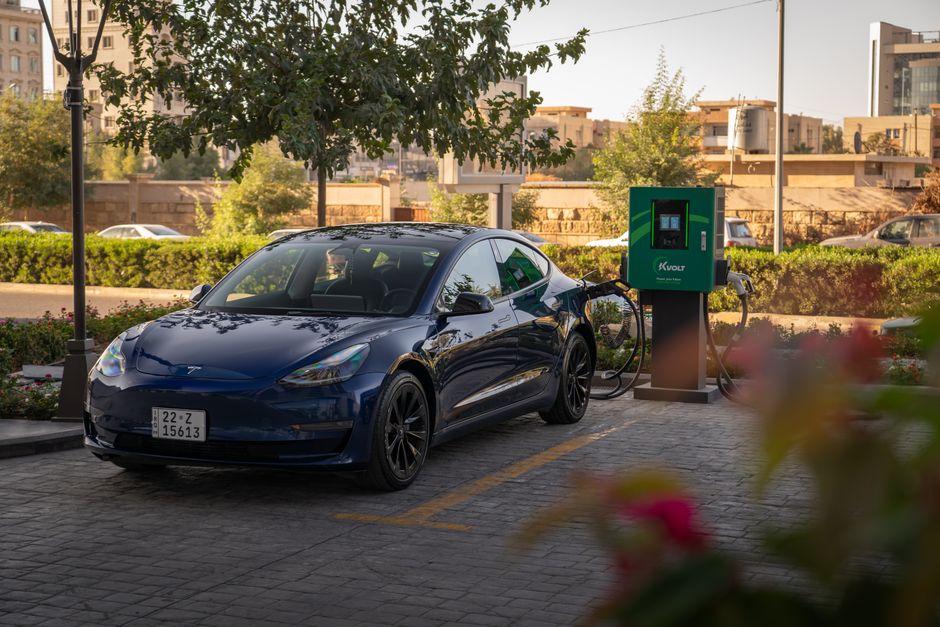
Discover the best used electric vehicles under $20,000 in 2026. Our guide covers depreciation, reliability, and top picks like the Leaf, Bolt, and Ioniq Electric.
As October 2026 rolls around, the automotive landscape continues its rapid shift towards electrification. While brand-new electric vehicles (EVs) often carry a premium price tag, the secondary market has matured significantly, presenting incredible value for budget-conscious buyers. For many, the idea of owning an EV has shifted from a distant dream to an attainable reality, especially when targeting the robust segment of used EVs under $20,000.
This segment isn’t just about saving money; it’s about smart investment. The steep initial depreciation seen in early EV models has stabilized, making them an excellent proposition for those seeking reliable, efficient transportation without breaking the bank. Our comprehensive guide for 2026 dives deep into the best used electric vehicles available for under $20,000, focusing on critical factors like long-term reliability, battery health, and real-world depreciation trends.
We understand that purchasing a used EV involves unique considerations, from battery degradation to charging infrastructure. ComparisonMath is here to equip you with the knowledge needed to make an informed decision, ensuring your journey into electric ownership is both smooth and satisfying. Let’s explore the top contenders that combine affordability with lasting performance in today’s market.
Here’s an at-a-glance comparison of our top picks for used electric vehicles under $20,000 in October 2026:
| Model | Approx. Used Price (2026) | Original EPA Range | Expected 2026 Range (Est.) | Key Pros | Key Cons |
|---|---|---|---|---|---|
| Nissan Leaf (2018-2020 40 kWh) | $10,500 – $16,500 | 150 miles | 100-130 miles | Very affordable, simple, reliable powertrain | Passive battery cooling, significant range degradation |
| Chevrolet Bolt EV (2017-2019) | $14,000 – $19,000 | 238 miles | 200-225 miles | Excellent range for price, post-recall battery confidence | Modest interior quality, early models had battery recall |
| Hyundai Ioniq Electric (2018-2020) | $13,500 – $18,000 | 124-170 miles | 110-160 miles | Exceptional efficiency, active battery cooling, reliable | Lower range compared to Bolt (older models), modest trunk space |
| BMW i3 (2017-2019 BEV/REx) | $12,500 – $19,500 | 114-153 miles (BEV) | 90-145 miles (BEV) | Premium interior, unique design, agile handling | High parts cost, polarizing design, REx adds complexity |
The Nissan Leaf has long been synonymous with affordable electric mobility, and as of October 2026, models from 2018-2020 with the 40 kWh battery pack represent incredible value. These vehicles typically range from $10,500 to $16,500, depending on mileage, condition, and crucial battery health.
When new, these Leaf models offered an EPA-estimated range of 150 miles. In 2026, a well-maintained 40 kWh Leaf can be expected to deliver a real-world range of 100-130 miles. This variation is largely due to the Leaf’s passive battery cooling system, which can lead to more pronounced battery degradation, especially in warmer climates or with frequent DC fast charging.
Depreciation for these Leaf models has been significant, which is precisely why they’re so attractive in the used market. Their powertrain, outside of battery capacity concerns, is robust and reliable, requiring minimal maintenance compared to internal combustion engine (ICE) vehicles. Charging supports both Level 2 AC and CHAdeMO DC fast charging, though CHAdeMO stations are becoming less prevalent than CCS.
The Leaf offers a comfortable, albeit unexciting, driving experience, making it an excellent urban commuter or a reliable second car. Potential buyers must prioritize a thorough battery health check (State of Health, or SoH) during inspection to ensure the remaining range meets their daily needs. Despite the degradation concerns, its low entry price and proven electric architecture make it a compelling choice for first-time EV owners.
The Chevrolet Bolt EV, particularly the 2017-2019 model years, stands out in the under-$20,000 category in 2026, with prices typically falling between $14,000 and $19,000. These Bolts offered an impressive original EPA range of 238 miles, which was class-leading at their debut. By 2026, many of these vehicles have received new battery packs or comprehensive software updates under GM’s widespread recall campaign.
This recall, initiated for fire risk, resulted in most affected vehicles receiving completely new battery modules or packs by late 2023 or early 2024. Consequently, a used 2017-2019 Bolt often boasts a battery with significantly reduced degradation, effectively resetting a major reliability concern. Owners can expect a real-world range of 200-225 miles, making it an excellent option for varied driving needs.
The Bolt features active thermal management for its battery, which helps maintain battery health over time, distinguishing it from rivals like the earlier Leaf. Depreciation was initially steep, particularly during the recall period, but values have stabilized. Its driving dynamics are surprisingly spry, and the cabin is spacious for its footprint, though interior material quality can be basic.
Reliability of the non-battery components is generally strong. Charging supports Level 2 AC and CCS DC fast charging, which is now the dominant fast-charging standard in North America. For those prioritizing range and a refreshed battery, the Bolt EV is arguably one of the best values on the used EV market today.
The Hyundai Ioniq Electric from model years 2018-2020 offers a compelling package of efficiency, reliability, and value, with prices in October 2026 ranging from $13,500 to $18,000. These early Ioniq Electric models (2018-2019) came with a 28 kWh battery, providing an EPA-estimated range of 124 miles, while the updated 2020 model bumped that to 38 kWh and 170 miles of range.
The Ioniq Electric is renowned for its exceptional energy efficiency, meaning its smaller battery delivers more real-world miles per kWh than many competitors. Owners of the 28 kWh models can typically expect 110-120 miles of range in 2026, while 38 kWh models will likely achieve 150-160 miles. Crucially, the Ioniq Electric benefits from active thermal management for its battery, leading to excellent long-term battery health and minimal degradation.
Depreciation has been steady and less dramatic than some other early EVs, reflecting its solid build quality and efficiency. Hyundai’s reputation for reliability extends to its EV components, making the Ioniq Electric a low-maintenance choice. It supports Level 2 AC and CCS DC fast charging, ensuring compatibility with modern charging infrastructure.
Driving the Ioniq Electric is a pleasant experience, with a comfortable ride and intuitive controls. While its trunk space is somewhat compromised by the battery placement, its overall practicality, efficiency, and proven reliability make it an excellent choice for urban and suburban commuters seeking a no-fuss EV experience under $20,000.
For buyers seeking a more distinctive and premium used EV experience under $20,000 in October 2026, the BMW i3 (2017-2019 model years) offers a unique proposition. Prices for these models generally fall between $12,500 and $19,500, varying based on battery size (94 Ah or 120 Ah) and whether it’s a Battery Electric Vehicle (BEV) or a Range Extender (REx) model.
The 94 Ah BEV offered an original EPA range of 114 miles, while the 120 Ah BEV (from late 2018 onwards) stretched that to 153 miles. REx versions added a small gasoline generator to eliminate range anxiety. By 2026, expected real-world range for a 94 Ah BEV is 90-105 miles, and for a 120 Ah BEV, 130-145 miles. The i3’s active thermal management system has generally preserved battery health well.
The i3 experienced significant initial depreciation, a common trait for premium EVs, making it accessible at this price point today. Its construction features a carbon fiber reinforced plastic (CFRP) passenger cell, contributing to its lightweight and agile handling. While reliable, being a BMW means that certain specialized repairs or parts can be more expensive than mainstream brands. REx models introduce the added complexity of a small gasoline engine, requiring oil changes and fuel system maintenance.
The interior is a minimalist, avant-garde design using sustainable materials, offering a refreshing departure from traditional car cabins. Charging is supported via Level 2 AC and CCS DC fast charging. The i3 is ideal for those who appreciate unique design, premium materials, and nimble city driving, provided they are comfortable with the specific maintenance considerations of a BMW and potentially a REx system.
Selecting the best used electric vehicle under $20,000 in 2026 requires careful consideration of several factors unique to EVs. This isn’t just about price; it’s about matching the vehicle’s capabilities with your lifestyle and ensuring long-term satisfaction.
First and foremost, prioritize a **battery health check (SoH – State of Health)**. This is crucial for any used EV. Many dealerships and independent shops can provide a report detailing the battery’s current capacity relative to its original capacity. A higher SoH means more available range and a healthier battery. Avoid vehicles with an SoH below 70-75% unless the price reflects significant depreciation and your range needs are minimal.
Consider your **daily charging needs and driving habits**. Do you have access to home charging (Level 1 or Level 2)? How many miles do you drive daily? If you commute 50 miles, a car with 100 miles of usable range might be sufficient. If longer trips are frequent, prioritize models with higher original range and better battery health, like the Bolt EV. Evaluate public charging infrastructure availability in your area, noting whether it supports CCS or CHAdeMO.
While EVs generally have lower maintenance costs than ICE cars, factor in **potential specialized maintenance**. For instance, the BMW i3, while reliable, may incur higher costs for specific parts or bodywork due to its unique construction. Always get a pre-purchase inspection from an EV-specialized mechanic to uncover any hidden issues, just as you would with any used car.
Finally, investigate **state and local incentives**. In 2026, the federal used clean vehicle tax credit (up to $4,000, or 30% of the sale price, whichever is less) may still apply to certain used EVs purchased from a dealer, provided specific income and vehicle criteria are met. Additionally, some states or utilities offer rebates for home charger installation or used EV purchases. These incentives can further reduce your effective cost.
The cost of an EV battery replacement has steadily decreased, but it remains a significant expense. In October 2026, a full battery pack replacement for models like the Nissan Leaf or Chevrolet Bolt could range from $6,000 to $12,000, depending on the model, labor, and whether it’s a new or reconditioned pack. However, most older EV batteries are covered by an 8-year/100,000-mile (or more) warranty, so check the vehicle’s history for warranty claims if degradation is severe. Many manufacturers are also offering modular repairs, where only faulty sections of the battery are replaced, further reducing costs.
The expected lifespan of an EV battery is generally 10 to 20 years or 100,000 to 200,000 miles, though performance (range) will gradually degrade over time. Modern EV batteries with active thermal management (like those in the Bolt, Ioniq Electric, and i3) tend to degrade more slowly than those with passive cooling (like the older Leaf). By 2026, battery recycling and re-manufacturing technologies are also more advanced, potentially extending the useful life of components.
Yes, the Inflation Reduction Act of 2022 established a federal tax credit for used clean vehicles. As of 2026, eligible used EVs purchased from a dealer may qualify for a credit of up to $4,000, or 30% of the sale price, whichever is less. Specific requirements apply, including vehicle age (at least two years old), purchase price cap ($25,000), seller registration, and buyer income limitations. Always consult a tax professional or the IRS guidelines for the most current information.
The primary reliability concern with older EVs, particularly those around 5-8 years old, is **battery degradation**. This manifests as a reduction in the vehicle’s maximum range and charging speed over time. Other common, though less critical, concerns include issues with the 12V auxiliary battery (which still powers many vehicle systems), charging port faults, or occasional software glitches. The core electric motor and power electronics generally prove to be extremely reliable with very few moving parts.
After a thorough analysis of the best used electric vehicles under $20,000 in October 2026, considering depreciation, reliability, and real-world performance, the **Chevrolet Bolt EV (2017-2019)** emerges as the clear winner.
Its exceptional original range of 238 miles, coupled with the widespread battery recall resolutions that have revitalized many units with new or updated battery packs, provides unparalleled value. Buyers can confidently acquire a Bolt EV expecting a strong real-world range of 200-225 miles, which is significantly higher than its competitors in this price bracket. The active thermal management system further ensures long-term battery health and peace of mind.
While the Nissan Leaf offers the absolute lowest entry point, its passive battery cooling and resultant range degradation make it a compromise best suited for very specific, low-range commuting needs. The Hyundai Ioniq Electric is a superb contender for its efficiency and reliability, but its older models have a lower range ceiling than the Bolt. The BMW i3, while offering a premium experience, comes with the potential for higher specialized maintenance costs and a polarizing design.
For the average consumer seeking a reliable, practical, and highly capable used EV under $20,000, the Chevrolet Bolt EV provides the best blend of range, modern charging compatibility, and post-recall battery confidence, making it the smartest investment in October 2026.
Prices and features mentioned are accurate as of the date of publication. Always check the official provider website for the most current pricing and availability.




