Physical Address
304 North Cardinal St.
Dorchester Center, MA 02124
Physical Address
304 North Cardinal St.
Dorchester Center, MA 02124

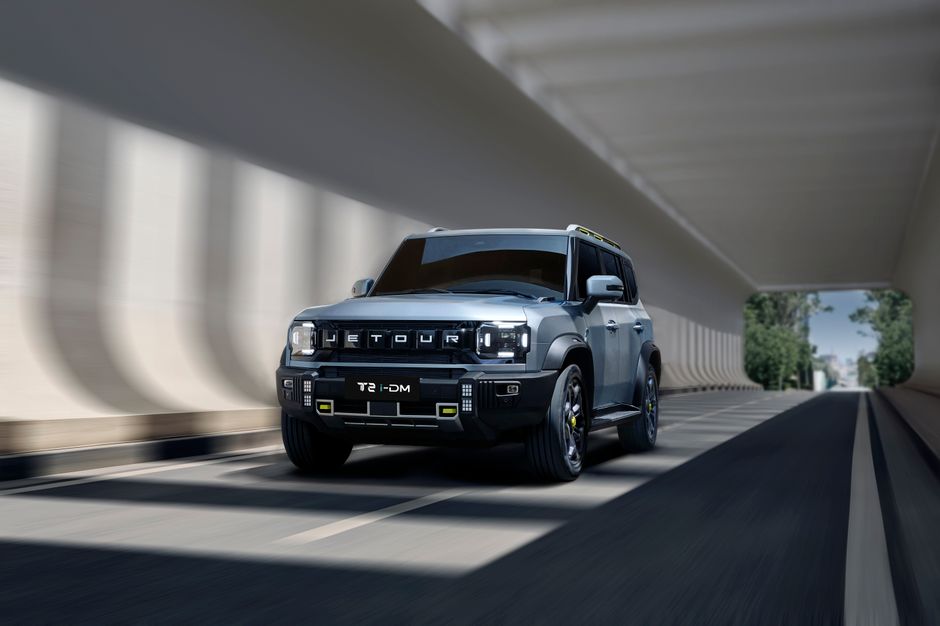
Compare the Scout Traveler and Jeep Recon for 2027. Discover specs, range, pricing, and capabilities to find the best off-road electric SUV.
The electric vehicle market has officially entered its rugged, trail-conquering era. For years, the EV revolution focused heavily on sleek aerodynamics, city commutes, and highway efficiency. Today, drivers demand utility, rugged styling, and genuine off-road capability without burning a drop of gasoline. Two heavy hitters dominate the conversation as we look toward the automotive landscape of 2027: the revived Scout Traveler and the aggressive Jeep Recon.
Both vehicles represent entirely different corporate philosophies toward electric overlanding. Scout, backed by Volkswagen, is reviving an iconic American nameplate as a dedicated, purpose-built body-on-frame electric utility vehicle. Meanwhile, Jeep brings its decades of legendary trail-rated heritage to the table with the Recon, a mid-size electric SUV designed from the ground up to tackle the Rubicon Trail with removable doors and open-air freedom. This clash of titans sets up one of the most anticipated showroom rivalries in recent memory.
If you are trying to decide which electric machine deserves a spot in your garage, you need to look past the marketing hype. This comprehensive breakdown evaluates the Scout Traveler and Jeep Recon across design, capability, pricing, range, and everyday usability. By the end of this comparison, you will have the clarity needed to make an informed buying decision for your next off-road adventure.
Here is a high-level overview of how the Scout Traveler and Jeep Recon stack up against each other across key metrics and ownership considerations.
| Feature | Scout Traveler | Jeep Recon |
|---|---|---|
| Platform Architecture | Custom Body-on-Frame EV Platform | STLA Large Platform |
| Starting Price (Est.) | Around $50,000 – $60,000 | Around $60,000 – $75,000 |
| Electric Range | Up to 350 miles (EV) / 500+ miles (EREV) | Up to 300 miles (BEV) |
| Powertrain Layout | Dual-Motor AWD (Optional Range Extender) | Dual-Motor 4xe AWD |
| Ground Clearance | Up to 12+ inches | Approx. 8.5 to 10+ inches |
| Roof & Doors | Open-air roof options, fixed frame | Removable doors, power-top roof |
| Standout Feature | Optional gas range extender (Harvester) | Authentic Jeep trail-rated capability |
To truly understand which vehicle reigns supreme, we must examine the engineering, specifications, and market positioning of both the Scout Traveler and the Jeep Recon. Each vehicle approaches electrification with a distinct set of priorities designed to capture the hearts of outdoor enthusiasts.
The Scout Traveler enters the market with serious retro-modern styling that pays heavy homage to the classic International Harvester Scouts of the 1970s. Beneath its rugged exterior lies a robust body-on-frame platform built specifically for heavy-duty utility and off-road abuse. Scout is offering the Traveler with an impressive array of specifications, targeting up to 350 miles of pure electric range for the all-electric battery variants. More importantly, Scout plans to offer an Extended Range Electric Vehicle (EREV) powertrain option, dubbed the Harvester, which integrates a small gas generator to push total driving range past 500 miles. This addresses the core anxiety of long-distance overlanding where charging infrastructure remains sparse.
Inside, the Scout Traveler focuses on durability paired with modern technology. Physical switches are thoughtfully retained for essential climate and off-road controls, acknowledging that touchscreen-only interfaces fail when you are wearing muddy gloves on a bumpy trail. Towing capacity is another massive selling point for the Traveler, with projections aiming for a massive towing limit that easily surpasses standard mid-size electric SUVs. With heavy-duty solid rear axles or sophisticated independent setups, locking differentials, and massive all-terrain tires, the Traveler is engineered to carry heavy gear deep into the wilderness.
Switching gears to the Jeep Recon, this SUV is built on Stellantis’s flexible STLA Large platform, yet it retains the unmistakable DNA of the Jeep Wrangler family. While not a direct replacement for the Wrangler, the Recon is designed to complement it in the EV era. It features removable doors, a power-top roof, and rugged exterior cladding that screams adventure. Jeep has engineered the Recon with authentic trail-rated capabilities, featuring advanced electronic locking differentials, underbody protection, robust tow hooks, and impressive water-fording depths.
Performance-wise, the Jeep Recon relies on a potent dual-motor all-wheel-drive system capable of instant torque vectoring. This allows the vehicle to crawl over boulders and maneuver through tight trail switchbacks with surgical precision. The battery pack provides an estimated range of up to 300 miles per charge, which is plenty for weekend trail excursions near established charging corridors. Furthermore, the Recon leverages Jeep’s extensive software ecosystem for off-roading, including pre-loaded trail maps and real-time vehicle telemetry displayed on a crisp central touchscreen.
When it comes to pricing, both vehicles occupy the premium adventure space. The Scout Traveler targets a competitive entry point starting around $50,000 to $60,000 before federal tax incentives, making it an attractive proposition for buyers looking for maximum utility per dollar. The Jeep Recon generally slots into a slightly higher bracket depending on trim levels, with well-equipped off-road packages pushing closer to the mid-$70,000 range. Both manufacturers are targeting production milestones that align with consumer deliveries throughout 2027.
Choosing between the Scout Traveler and the Jeep Recon ultimately boils down to how you plan to use your electric SUV and what features matter most to your lifestyle. Because both vehicles target outdoor enthusiasts, your decision should hinge on range requirements, customization preferences, and utility needs.
If your adventures involve long-distance overlanding where charging stations are completely nonexistent, the Scout Traveler becomes the clear front-runner. The availability of the EREV range extender option gives you the safety net of gasoline refueling when venturing hundreds of miles off the grid. Additionally, if you require heavy-duty hauling capability, large cargo volumes, and a traditional SUV body style with immense towing capacity, the Traveler is tailored specifically for your needs.
On the other hand, if your weekend plans involve rock crawling, tight trail navigation, and pure open-air convertible driving, the Jeep Recon is unmatched. The ability to completely remove the doors and roll back the power top delivers a visceral connection to nature that traditional SUV layouts simply cannot match. If you are already part of the Jeep community and value legendary trail-rated pedigree, electronic lockers, and nimble mid-size dimensions, the Recon will fit your garage like a glove.
Are the Scout Traveler and Jeep Recon fully electric?
The Jeep Recon is a pure battery-electric vehicle (BEV). The Scout Traveler is primarily designed as a pure EV, but it also offers an optional range-extender (EREV) variant that includes a small internal combustion engine to recharge the battery on the go.
When will these vehicles be available for purchase?
Both vehicles are slated for production rollouts with customer deliveries ramping up through 2027. Reservations and pre-orders opened ahead of production to secure early delivery slots.
What kind of charging speeds can I expect?
Both SUVs utilize modern 400V and 800V electrical architectures capable of fast DC public charging. Drivers can typically replenish from 10% to 80% battery capacity in roughly 20 to 30 minutes at compatible high-speed charging stations.
Can these electric SUVs handle serious off-roading?
Yes. Both the Scout Traveler and Jeep Recon are engineered specifically for off-road environments. They feature high ground clearance, robust underbody skid plates, all-terrain tires, and advanced all-wheel-drive torque vectoring systems designed to tackle mud, rocks, and sand.
The 2027 Scout Traveler and Jeep Recon prove that the electric vehicle future is rugged, capable, and incredibly exciting. However, they serve slightly different masters in the off-road community.
The Jeep Recon wins the award for pure recreational capability and open-air adventure. It captures the authentic Jeep spirit, offering removable doors and nimble trail-scaling prowess that traditional SUV buyers crave. If you want a dedicated trail toy that lets you feel the wind in your hair while navigating technical rock gardens, the Recon is the vehicle to get.
However, the overall winner for versatility, long-distance overlanding, and utility is the Scout Traveler. By offering a massive battery range alongside an optional range-extender powertrain, Scout eliminates the anxiety of remote exploration while delivering superior cargo and towing capacity. For the ultimate blend of daily drivability, heavy-duty utility, and cross-country capability, the Scout Traveler takes the crown as the best overall off-road electric SUV for 2027.
Prices and features mentioned are accurate as of the date of publication. Always check the official provider website for the most current pricing and availability.