Physical Address
304 North Cardinal St.
Dorchester Center, MA 02124
Physical Address
304 North Cardinal St.
Dorchester Center, MA 02124

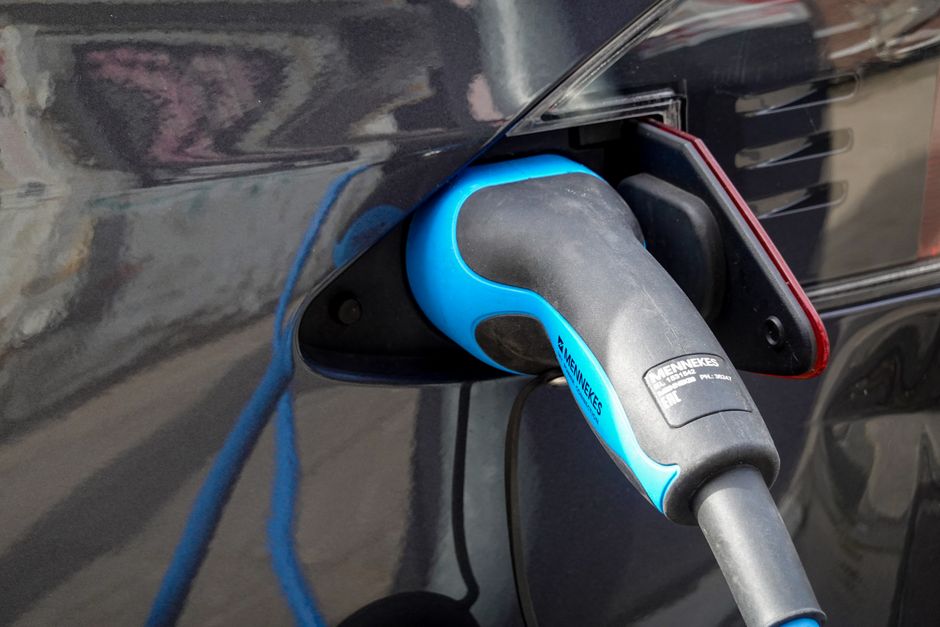
Compare the top commercial hydrogen fuel cell equipment marketplaces in 2026. In-depth analysis of Nel, Plug Power, and Ballard Power Systems.
The commercial shift toward zero-emission energy has reached a pivotal juncture in late 2026. As global logistics networks, heavy-duty transport operators, and industrial facilities scramble to meet stringent decarbonization mandates, hydrogen has emerged as the definitive long-haul solution. Unlike battery-electric systems that face heavy payload penalties and lengthy charging cycles, hydrogen fuel cell systems offer fast refueling and high energy density. Navigating the procurement landscape requires understanding the leading commercial marketplaces and equipment suppliers.
For enterprise buyers, choosing the right equipment partner is no longer just about environmental compliance; it is a hard financial calculation involving total cost of ownership (TCO), stack durability, refueling infrastructure availability, and balance-of-plant reliability. In this comprehensive market analysis, we evaluate the three heavyweights of the hydrogen sector: Nel ASA, Plug Power, and Ballard Power Systems. We will break down their 2026 product lineups, commercial marketplaces, pricing models, and operational capabilities to help you determine which provider best matches your industrial deployment strategy.
Here is an at-a-glance comparison of the top commercial hydrogen fuel cell equipment marketplaces and providers for 2026, highlighting their core offerings, pricing structures, and distinct market advantages and disadvantages.
| Provider | Core 2026 Offerings | Primary Market Focus | Pros | Cons |
|---|---|---|---|---|
| Nel ASA | Advanced Proton Exchange Membrane (PEM) and Alkaline Electrolyzers | Large-scale green hydrogen production infrastructure | Industry-leading energy efficiency; highly scalable modular stacks; robust multi-megawatt plant reliability. | High upfront capital expenditure; limited direct on-board vehicle fuel cell integration. |
| Plug Power | GenKey turnkey hydrogen solutions, GenDrive fuel cells, and ProGen engines | Material handling, stationary power, and medium-to-heavy duty mobility | Complete vertical integration; robust service network; proven dominance in forklift and warehouse fleets. | Historical profitability challenges; supply chain exposure to liquid hydrogen distribution logistics. |
| Ballard Power Systems | FCmove heavy-duty fuel cell engines and stationary power modules | Heavy-duty mobility (buses, trucks, rail, and marine applications) | Exceptional durability and lifespan; specialized engineering for harsh transport environments; trusted OEM partnerships. | Slower commercial scaling compared to turnkey giants; higher initial unit costs for custom heavy-duty integration. |
To make an informed purchasing decision in 2026, enterprise buyers must analyze the unique strengths, manufacturing capabilities, and pricing frameworks of each market leader. Each company approaches the hydrogen economy from a slightly different angle, ranging from upstream generation to downstream fuel cell propulsion.
Nel ASA remains the gold standard for industrial-scale hydrogen generation equipment. While not primarily a fuel cell manufacturer, Nel’s commercial marketplace supplies world-class alkaline and PEM electrolyzers that are essential for any green hydrogen supply chain. Their flagship 2026 generation of PEM electrolyzers delivers higher current densities and reduced iridium loadings, substantially lowering capital costs for multi-megawatt installations. Pricing for modular industrial units ranges from $1.2 million to upwards of $10 million depending on output capacity, making Nel the premier choice for enterprises looking to produce their own green hydrogen on-site rather than relying entirely on delivered fuel markets.
Plug Power dominates the commercial marketplace for end-to-end hydrogen ecosystems through its signature GenKey offering. In 2026, Plug Power provides everything from electrolyzers and liquefaction systems to cryogenic trailers and on-site storage. Their GenDrive fuel cells and ProGen heavy-duty engines power thousands of commercial delivery vans, trucks, and material-handling fleets globally. Plug Power’s equipment pricing model often combines hardware leasing with long-term fuel supply agreements, lowering the barrier to entry for logistics operators. However, managing the complex supply chain of liquid hydrogen requires careful operational planning, and system maintenance contracts must be factored into your long-term financial modeling.
Ballard Power Systems focuses heavily on heavy-duty motive power, cementing its reputation as the go-to supplier for municipal transit buses, commercial freight trucks, trains, and marine vessels. The 2026 FCmove engine lineup features dramatically improved power density and simplified balance-of-plant integration, allowing fleet operators to drop fuel cell modules into existing vehicle architectures with minimal engineering friction. Ballard’s commercial marketplace emphasizes robust durability, with many fuel cell stacks rated for over 30,000 hours of continuous operation before major refurbishment. Pricing is structured around per-kilowatt module costs, typically ranging from $500 to $700 per kW depending on volume, reflecting the premium engineering required for severe-duty environments.
Selecting the right commercial hydrogen equipment marketplace requires a rigorous internal audit of your operational goals, infrastructure readiness, and capital expenditure budget. Because hydrogen deployment involves multiple touchpoints—production, storage, dispensing, and end-use propulsion—your choice will depend on where you sit in the value chain.
First, define your primary operational objective. If your business model centers on large-scale logistics, warehousing, or fleet conversion, Plug Power’s turnkey GenKey marketplace offers the most cohesive ecosystem, streamlining everything from fuel delivery to vehicle power units. If you operate heavy-duty transit networks, shipping lines, or long-haul freight trucks where engine durability and extreme weather reliability are paramount, Ballard Power Systems delivers the specialized motive hardware required for heavy-duty tasks.
Second, evaluate your on-site infrastructure and energy sourcing strategy. Enterprises seeking energy independence and long-term price hedging against volatile fossil fuel markets should integrate Nel’s advanced electrolyzer systems to generate green hydrogen directly from renewable electricity sources. Finally, carefully review total cost of ownership models. Factor in stack replacement intervals, efficiency decay over time, local government subsidies, and available tax credits (such as clean hydrogen production credits) to ensure your chosen equipment marketplace delivers optimal financial return.
What is the typical lifespan of a commercial hydrogen fuel cell in 2026? Modern commercial fuel cells, such as those offered in Ballard’s FCmove series or Plug Power’s ProGen line, typically achieve operational lifespans between 25,000 and 30,000 hours before requiring stack reconditioning or replacement, depending on operating conditions and maintenance frequency.
Can I buy production equipment and fuel cells from the same marketplace? While companies like Plug Power offer heavily integrated ecosystems spanning production equipment and fuel cells, other market leaders like Nel specialize strictly in generation equipment, while Ballard focuses exclusively on fuel cell engines and motive power.
How do green hydrogen production costs compare to fossil fuels in 2026? While green hydrogen production costs have dropped significantly due to advancements in electrolyzer efficiency and scaling, pricing still heavily depends on local renewable electricity tariffs and regional carbon pricing schemes, making on-site generation a strategic financial buffer for many enterprises.
What financing options are available for commercial hydrogen equipment? Most major equipment marketplaces offer flexible procurement models, including direct capital purchase, equipment leasing, and integrated energy-as-a-service contracts that bundle hardware, maintenance, and fuel delivery into a predictable monthly operational expense.
The commercial hydrogen equipment market in 2026 is mature, highly competitive, and filled with enterprise-grade solutions tailored to specific industrial needs. However, when evaluating the overall marketplace offerings of Nel, Plug Power, and Ballard Power Systems, a clear winner emerges depending on your sector.
For comprehensive, turnkey logistics operations and material handling, Plug Power is the clear recommendation due to its unmatched ecosystem integration and GenKey service framework. For heavy-duty transport and motive applications requiring extreme durability, Ballard Power Systems remains the gold standard. Meanwhile, for industrial facilities prioritizing green hydrogen generation at scale, Nel ASA provides the most efficient and scalable electrolyzer technology on the market. Assess your operational vertical carefully, align your capital strategy with the right provider, and execute your transition to zero-emission hydrogen infrastructure with confidence.
Prices and features mentioned are accurate as of the date of publication. Always check the official provider website for the most current pricing and availability.




