Physical Address
304 North Cardinal St.
Dorchester Center, MA 02124
Physical Address
304 North Cardinal St.
Dorchester Center, MA 02124

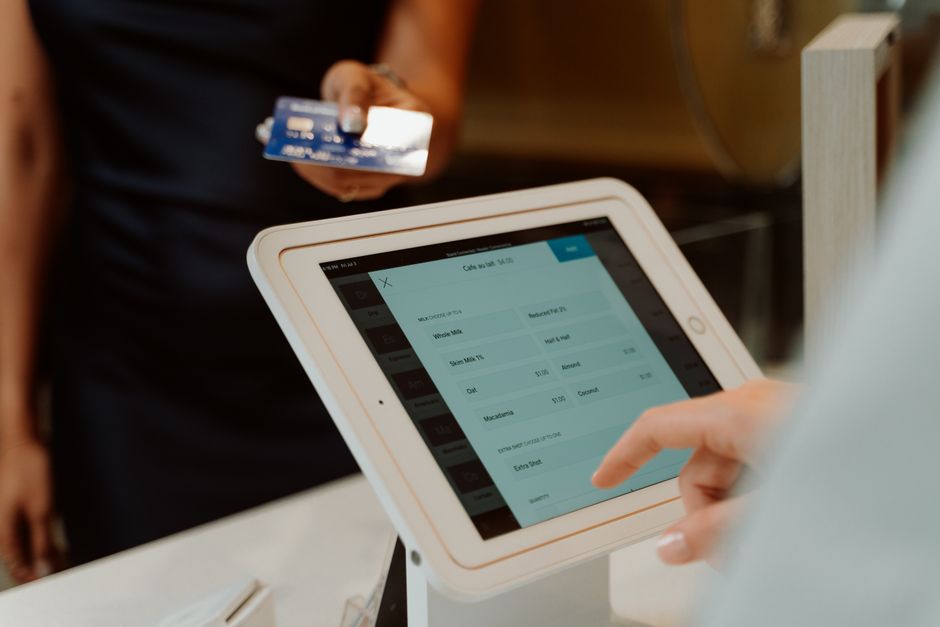
Compare the best retail POS systems of 2026. Side-by-side breakdown of Square, Shopify POS, and Lightspeed pricing, features, pros, and cons.
Choosing the right retail point of sale (POS) system can make or break your daily operations, inventory management, and profit margins. In the modern retail landscape of late 2026, business owners need hardware and software that bridges the gap between physical storefronts and digital e-commerce channels seamlessly. Whether you are running a boutique clothing store, a bustling multi-location retail chain, or a pop-up shop, your POS is the central nervous system of your enterprise.
The market features dozens of options, but three heavyweights consistently dominate the conversation: Square for Retail, Shopify POS, and Lightspeed Retail. Each platform approaches retail management with a distinct philosophy, pricing structure, and ecosystem. In this comprehensive comparison, we examine how these industry leaders stack up against one another in late 2026, helping you determine which system fits your operational workflows and growth trajectory.
To help you weigh your options at a glance, here is a breakdown of Square, Shopify POS, and Lightspeed Retail, highlighting their core pricing structures, ideal business types, and key pros and cons.
| Feature / Metric | Square for Retail | Shopify POS | Lightspeed Retail |
|---|---|---|---|
| Starting Software Price | Free basic tier; Paid plans from $35/location/month | $39/month (Shopify Basic plan) up to $399+/month | $89/month (Standard tier, billed annually) up to custom enterprise |
| In-Person Processing Fees | From 2.6% + $0.10 per transaction (custom rates available) | Starts at 2.4% + $0.0f to 2.7% + $0.0f depending on plan | Integrated via Lightspeed Payments (typically around 2.6% + $0.10) |
| Core Strength | Affordability, ease of use, hardware flexibility | Omnichannel syncing, online-to-offline integration | Advanced inventory, multi-location matrix management |
| Pros | No monthly fee option; incredibly intuitive; fast setup | Flawless ecommerce sync; powerful inventory tools; mobile checkout | Robust matrix item setups; deep vendor management; advanced reporting |
| Cons | Advanced features require paid tiers; limited deep customization | Requires a Shopify website subscription; hardware can be pricey | Steep learning curve; higher monthly baseline cost |
Let’s dive deep into each system to examine current pricing, software capabilities, hardware options, and ideal use cases as of late 2026.
Square remains a household name in the point-of-sale industry, largely due to its accessible entry point and user-friendly interface. Square for Retail is specifically tailored for merchants who want advanced inventory tracking without wading through complex menus or steep subscription fees. The free version of Square POS works for basic needs, but the dedicated Square for Retail Plus plan starts at $35 per location per month, unlocking advanced barcode scanning, purchase orders, vendor management, and low-stock alerts.
When it comes to hardware, Square offers unmatched flexibility. You can use standard iOS or Android tablets, or invest in dedicated hardware like the Square Register or Square Terminal. Transaction processing fees start at 2.6% plus $0.10 for in-person swipes, dips, and taps on standard plans, with custom interchange-plus pricing available for businesses processing over $250,000 annually. Square’s ecosystem shines for small to mid-sized retailers who value out-of-the-box simplicity and low upfront financial commitments.
Shopify POS is the undisputed champion for merchants who prioritize a unified omnichannel experience. If your business relies heavily on an online storefront alongside a physical shop, Shopify bridges the gap effortlessly. To use Shopify POS, you must subscribe to a Shopify ecommerce plan, which ranges from the Basic plan at $39 per month up to the Advanced plan at $399 per month. The POS Pro add-on costs an additional $89 per location per month if you need advanced features like granular staff permissions, omnichannel fulfillment, and stock transfers.
Shopify’s inventory management is exceptionally powerful, tracking stock levels across multiple warehouses, pop-up locations, and your online store in real time. In-person payment processing rates are competitive, starting as low as 2.4% with zero cents on higher plans, provided you use Shopify Payments. The hardware lineup includes sleek countertop stands, mobile card readers like the Shopify Tap & Chip, and comprehensive retail kits designed to integrate smoothly with Apple and Android devices.
Lightspeed Retail is engineered for complex, high-volume, and multi-location retail operations. It is a heavy-duty system favored by high-end boutiques, sporting goods stores, bike shops, and specialty retailers that manage intricate inventory matrices (tracking items by size, color, material, and season). Lightspeed’s pricing reflects its robust feature set, with the Standard plan beginning at $89 per month (when billed annually) and scaling up to Advanced and Enterprise tiers that easily cross hundreds of dollars monthly.
Lightspeed provides unmatched depth in vendor management, purchase order automation, historical sales forecasting, and custom reporting. In-person payments are handled seamlessly through Lightspeed Payments, which offers competitive rates that match industry standards. While Lightspeed has a steeper learning curve compared to Square, and requires a higher initial financial investment, it rewards growing businesses with the scalability and data granularity needed to manage hundreds of thousands of SKUs across multiple storefronts.
Selecting the ideal retail POS system in 2026 requires an honest assessment of your business model, transaction volume, and growth goals. Follow this framework to narrow down your choices:
First, evaluate your omnichannel needs. If the majority of your revenue comes from your ecommerce website and you want your physical store to act as an extension of that digital catalog, Shopify POS is the clear front-runner. Its unified backend ensures that inventory counts, customer profiles, and gift cards sync instantly without third-party integrations.
Second, consider your budget and transaction volume. If you are launching a new boutique, a seasonal pop-up, or a small brick-and-mortar shop with limited startup capital, Square for Retail offers the lowest barrier to entry. You can start with zero monthly software costs and scale up to the Plus tier only when you need advanced purchase orders and inventory matrices.
Third, examine the complexity of your inventory. If you sell specialized goods with thousands of variations, complex vendor relationships, and multi-warehouse fulfillment needs, Lightspeed Retail justifies its higher price tag. The depth of its matrix item management and custom reporting tools will save your staff countless hours of manual data entry.
Most modern retail POS systems require an active internet connection to process credit card transactions and sync real-time inventory. However, Square, Shopify, and Lightspeed all offer offline mode capabilities. This allows you to accept encrypted card swipes while disconnected, which then automatically process once your internet connection is restored.
Square and Shopify generally require you to use their native payment processing services (Square Payments and Shopify Payments) to get the best rates and seamless functionality. Lightspeed also heavily incentivizes using Lightspeed Payments, though certain enterprise plans offer flexibility to integrate third-party merchant accounts.
Migration difficulty depends on your current software, but all three platforms provide robust CSV spreadsheet import tools. Shopify and Lightspeed also offer dedicated migration support teams and specialized app integrations to help transfer customer lists, product catalogs, and sales histories smoothly.
Square hardware is generally proprietary and designed specifically for the Square ecosystem. Shopify supports a mix of proprietary card readers alongside standard third-party barcode scanners and receipt printers. Lightspeed supports a wide array of industry-standard hardware, giving you more freedom to source compatible receipt printers, cash drawers, and barcode scanners independently.
The best retail POS system of 2026 ultimately depends on your specific retail model. For small businesses, startups, and budget-conscious merchants looking for an intuitive, reliable system, Square for Retail is the ultimate winner. Its low entry barrier and stellar ease of use make everyday checkouts effortless.
If your retail strategy is built around a powerful online store that needs to connect flawlessly with physical foot traffic, Shopify POS stands out as the best overall omnichannel solution. Meanwhile, large enterprises and specialty shops managing complex inventories and multiple locations will find that the advanced reporting and matrix management of Lightspeed Retail justifies the investment.
Prices and features mentioned are accurate as of the date of publication. Always check the official provider website for the most current pricing and availability.




