Physical Address
304 North Cardinal St.
Dorchester Center, MA 02124
Physical Address
304 North Cardinal St.
Dorchester Center, MA 02124

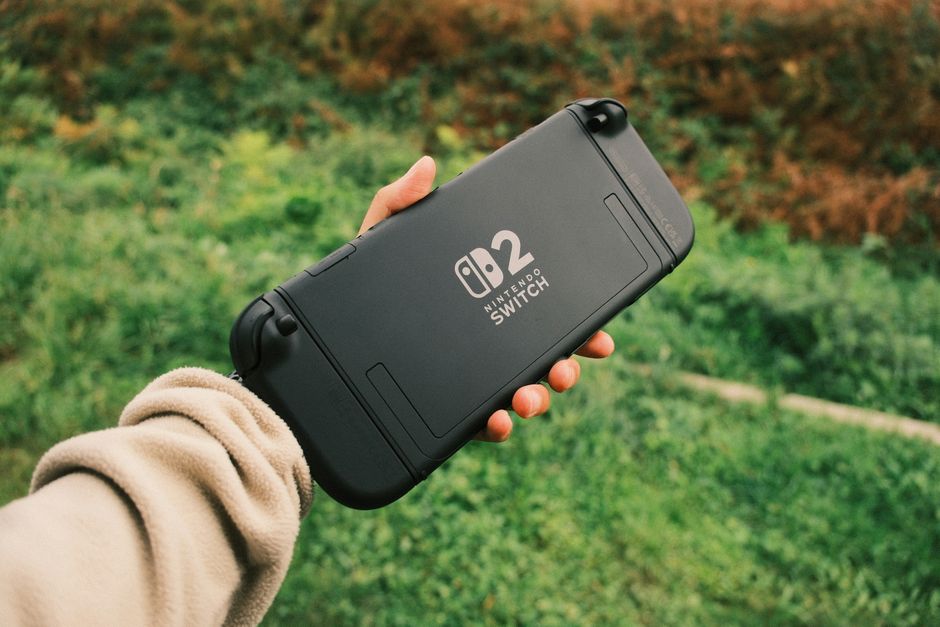
Our 2026 comparison of the ROG Xbox Ally X and Lenovo Legion Go 2. We analyze the Ryzen Z2 Extreme chips, OLED screens, battery life, and prices.
The handheld gaming PC landscape has evolved rapidly, and in 2026, these portable machines have officially entered the mainstream. No longer compromised devices meant only for light indie titles, today’s handhelds are fully-fledged gaming rigs. At the center of this revolution is AMD’s groundbreaking Ryzen AI Z2 series processors, which bring Zen 5 architecture and RDNA 3.5 graphics to the palm of your hand. For gamers looking to buy a high-end handheld in 2026, two devices stand head and shoulders above the rest: the ASUS ROG Xbox Ally X and the Lenovo Legion Go 2.
These two systems represent completely different design philosophies. ASUS has focused on refining and polishing a traditional gaming handheld, maximizing battery life and cooling while collaborating with Microsoft to bring a highly integrated Xbox software interface. Lenovo, on the other hand, has leaned into a luxury enthusiast experience, packing their device with a massive OLED screen, detachable controllers, and 32GB of RAM. Choosing between the travel-friendly Ally X and the gorgeous, versatile Legion Go 2 can be a daunting task, but this detailed comparison will help you decide.
While both devices share the same ultra-powerful AMD silicon, they diverge significantly in their secondary hardware specs. Lenovo has loaded the Legion Go 2 with premium features like an OLED screen, 32GB of RAM, and detachable controllers, but at a higher price. ASUS delivers a tightly optimized package that prioritizes everyday usability and battery life at a more approachable $999.99 price point.
| Feature | ASUS ROG Xbox Ally X | Lenovo Legion Go 2 (Z2 Extreme) |
|---|---|---|
| Starting Price | $999.99 | $1,349.99 |
| Processor (APU) | AMD Ryzen AI Z2 Extreme (8 Cores / 16 Threads) | AMD Ryzen AI Z2 Extreme (8 Cores / 16 Threads) |
| Graphics (iGPU) | AMD Radeon 890M (RDNA 3.5, 16 CUs) | AMD Radeon 890M (RDNA 3.5, 16 CUs) |
| Memory (RAM) | 24GB LPDDR5X-8000 | 32GB LPDDR5X-8000 |
| Display | 7-inch IPS, 1080p, 120Hz, VRR, 500 nits | 8.8-inch OLED, 2.8K, 144Hz, VRR, 500 nits |
| Storage | 1TB PCIe 4.0 NVMe M.2 2280 SSD | 1TB or 2TB PCIe 4.0 NVMe M.2 SSD |
| Battery | 80 Wh | 74 Wh |
| Controllers | Integrated, Hall Triggers, ALPS Sticks | Detachable TrueStrike, Hall Joysticks & Triggers |
| Weight | 715 grams | 850 grams |
The ASUS ROG Xbox Ally X is a masterclass in hardware iteration. Rather than starting from scratch, ASUS addressed every single pain point of the original model. The result is a highly polished, comfortable, and reliable handheld that represents the sweet spot of the market in 2026. The integration of Microsoft’s official Xbox branding has also helped streamline the user experience, providing an interface that feels closer to a console than a standard Windows desktop.
Powered by the AMD Ryzen AI Z2 Extreme processor, the Ally X utilizes Zen 5 cores and a Radeon 890M graphics engine to deliver performance that rivals budget gaming laptops. ASUS pairs this with 24GB of LPDDR5X memory running at a blistering 8000MHz. This memory configuration allows you to allocate 8GB of VRAM directly to the graphics chip while leaving a comfortable 16GB of system RAM, keeping modern games running smoothly without stutters.
One of the biggest triumphs of the Ally X is its incredible 80 Wh battery, which is double the capacity of the original model. Coupled with the highly efficient Z2 Extreme processor and a 7-inch 1080p IPS display, this device has the best battery life of any flagship Windows handheld in 2026. It easily manages over two and a half hours of heavy AAA gaming, and can run indie games or video playback for six to eight hours. ASUS has also redesigned the cooling system, lowering fan noise and improving thermal dissipation.
The physical ergonomics have also seen significant enhancements. The chassis features deeper, more rounded grips that make the device feel much lighter in the hands than its 715-gram weight suggests. ASUS also replaced the proprietary XG Mobile port with a standard USB4 port and a secondary USB 3.2 Gen 2 Type-C port, giving users vastly superior docking and accessory compatibility. Furthermore, the unit features full-sized M.2 2280 support, allowing for cheap and effortless storage upgrades.
The Lenovo Legion Go 2 is a bold statement of luxury and versatility. Lenovo has pushed the handheld PC concept to its absolute limits, creating a premium device that is as much a hybrid tablet-laptop replacement as it is a gaming console. Starting at $1,349.99 for the flagship Z2 Extreme model, it is undeniably expensive, but the high-end hardware packed into this machine makes it a dream device for enthusiasts.
The star of the show is the jaw-dropping 8.8-inch OLED display. Operating at a 2.8K resolution with a smooth 144Hz refresh rate and Variable Refresh Rate (VRR) support, this screen is the best display ever put on a handheld gaming device. The contrast ratio is infinite, colors are incredibly vibrant, and it supports full HDR for stunning lighting effects. It ensures that even when the frame rate dips, the gaming experience remains incredibly fluid and visually breathtaking.
To match this spectacular display, Lenovo has equipped the Legion Go 2 with 32GB of LPDDR5X-8000 RAM alongside the AMD Ryzen AI Z2 Extreme processor. This memory headroom is a massive advantage in 2026. Game engines have become incredibly demanding, and the extra RAM allows you to dedicate a massive 12GB of VRAM to the Radeon 890M GPU while still leaving 20GB of system memory. This eliminates the memory bottlenecks that can throttle performance on devices with less RAM.
The physical design remains the most versatile in the industry. The detachable TrueStrike controllers feature magnetic Hall-effect joysticks that are completely immune to stick drift. The right controller can be placed into a plastic base to enable ‘FPS Mode,’ transforming it into a precise vertical mouse perfect for shooters and RTS games. The built-in kickstand is incredibly robust, letting you prop the screen up on any flat surface while gaming comfortably with detached controllers.
To power these heavy-duty components, Lenovo has equipped the Legion Go 2 with a 74 Wh battery. This is a massive 50% increase over the original Legion Go’s 49.2 Wh battery, making portable gaming a much more practical reality. While the battery life is respectable, the high power draw of the massive 8.8-inch OLED panel means it still falls slightly short of the ROG Ally X’s runtime, though it easily outlasts older first-generation handhelds.
The ROG Xbox Ally X features a high-quality 7-inch 120Hz IPS panel, while the Legion Go 2 packs a massive 8.8-inch 144Hz OLED panel. While the Ally X’s screen is excellent and features VRR to keep gameplay smooth, it simply cannot compete with the Legion Go 2. The OLED technology on Lenovo’s handheld provides perfect black levels, stunning HDR highlights, and infinite contrast. Additionally, the larger 8.8-inch screen size provides a much more immersive experience, making the Legion Go 2 the absolute winner in the display category.
Both systems run on the same AMD Ryzen AI Z2 Extreme processor, but their memory configurations create a noticeable performance gap. The ROG Xbox Ally X features 24GB of LPDDR5X RAM, which is a great step up from standard 16GB systems. However, the Legion Go 2’s massive 32GB of LPDDR5X RAM takes performance and future-proofing to another level. In modern, heavy-hitting AAA titles, the ability to allocate 8GB or 12GB of VRAM to the GPU while still leaving ample system memory prevents micro-stutters. For future-proofing and running the most demanding games, the Legion Go 2 wins.
When it comes to actual portability, the ROG Xbox Ally X takes a commanding lead. Its 80 Wh battery is larger than the 74 Wh pack in the Legion Go 2, and it has a much smaller, more power-efficient 7-inch 1080p screen to drive. In real-world gaming, this translates to the Ally X lasting anywhere from 20% to 30% longer than the Legion Go 2 under similar workloads. The Ally X is also significantly lighter at 715 grams compared to the 850-gram Legion Go 2, and its smaller footprint makes it much easier to slide into a backpack. For pure on-the-go gaming, the Ally X is the undisputed champion.
The ROG Xbox Ally X is an incredibly comfortable device to hold, featuring refined, deep grips and premium-feeling integrated controllers. However, the Legion Go 2 offers unparalleled versatility. Its detachable TrueStrike controllers feature magnetic Hall-effect joysticks that completely prevent stick drift, a major advantage over the traditional ALPS sticks on the Ally X. Furthermore, the unique FPS Mode and built-in kickstand allow for multiple ways to play that the Ally X simply cannot replicate. If you want a device that can transition from a handheld into a desktop-like setup or a hybrid tablet, the Legion Go 2 is the clear choice.
Both systems run Windows 11 Home, giving you access to all major game launchers. However, their customized overlay software differs. ASUS’s Armoury Crate SE is highly refined, fast, and features close collaboration with Microsoft’s Xbox Game Bar, making the device feel incredibly cohesive and console-like. Lenovo’s Legion Space has seen massive improvements in 2026, but it still feels slightly more bloated and less intuitive than ASUS’s solution. ASUS wins the software round, offering a smoother, more polished user experience out of the box.
Deciding between these two top-tier handheld gaming PCs in 2026 comes down to your budget, your travel habits, and how you plan to use the device. Both machines offer spectacular performance, but they cater to very different priorities.
You should choose the ASUS ROG Xbox Ally X if you prioritize battery life, portability, and value. At $999.99, it is $350 cheaper than the flagship Legion Go 2, yet it offers the exact same core processing power. Its lighter weight and legendary 80 Wh battery make it the ultimate choice for commuters, frequent flyers, and anyone who wants a comfortable, traditional handheld that can handle hours of gaming away from an outlet.
You should choose the Lenovo Legion Go 2 if you want the absolute best display, maximum memory headroom, and unparalleled physical versatility. If you have the budget to spend $1,349.99 and want a gorgeous 8.8-inch OLED screen, 32GB of RAM, and detachable controllers with Hall-effect joysticks, the Legion Go 2 is a masterpiece. It is the perfect choice for enthusiasts who want a premium, future-proof device that can seamlessly double as a portable desktop replacement.
Q: Does the ROG Xbox Ally X support standard USB-C docks?
Yes. Unlike the original model, the ROG Xbox Ally X features a full USB4 port and a secondary USB 3.2 Gen 2 Type-C port. This allows you to easily connect standard third-party USB-C docking stations, external monitors, and high-speed storage drives without requiring proprietary accessories.
Q: Can I install SteamOS on the Lenovo Legion Go 2?
Yes. While the Legion Go 2 comes with Windows 11 Home out of the box, Lenovo has officially announced a dedicated SteamOS-powered version of the Legion Go 2. Alternatively, you can easily install third-party Linux-based operating systems like Bazzite to achieve a streamlined, console-like SteamOS experience.
Q: Do either of these handhelds have Hall-effect joysticks?
The Lenovo Legion Go 2 features magnetic Hall-effect joysticks on its detachable TrueStrike controllers, making them immune to stick drift. The ROG Xbox Ally X still uses traditional ALPS analog joysticks, though ASUS has upgraded their internal components to offer improved longevity compared to the original Ally.
Q: Which device is better for playing heavy AAA games like Cyberpunk 2077?
While both utilize the same Z2 Extreme chip, the Lenovo Legion Go 2 has a slight edge due to its 32GB of RAM. This allows the system to allocate more VRAM to the GPU without choking the system memory. However, the ROG Xbox Ally X is still exceptionally capable and will run these games beautifully at 1080p, especially with AMD FSR frame generation.
Choosing a single winner is incredibly difficult because both of these devices represent the absolute pinnacle of handheld PC gaming in 2026. However, when looking at the overall package of performance, price, and practicality, the ASUS ROG Xbox Ally X is our recommended winner for the vast majority of gamers.
At $999.99, the Ally X offers an unbeatable value proposition. It delivers the same bleeding-edge AMD Ryzen AI Z2 Extreme performance as its competitor, but pairs it with superior battery life, lighter portability, and highly polished software. It is a highly focused, extremely comfortable handheld that manages to feel like a complete, polished product rather than an experimental piece of hardware.
That being said, if you are an enthusiast with a flexible budget, the Lenovo Legion Go 2 is a stunning piece of engineering. Its massive 8.8-inch OLED display is the best screen we have ever seen on a handheld, and the 32GB of RAM provides unmatched future-proofing. If you prioritize visual brilliance and hardware versatility over battery life and price, the Legion Go 2 is well worth the splurge.
Prices and features mentioned are accurate as of the date of publication. Always check the official provider website for the most current pricing and availability.