Physical Address
304 North Cardinal St.
Dorchester Center, MA 02124
Physical Address
304 North Cardinal St.
Dorchester Center, MA 02124

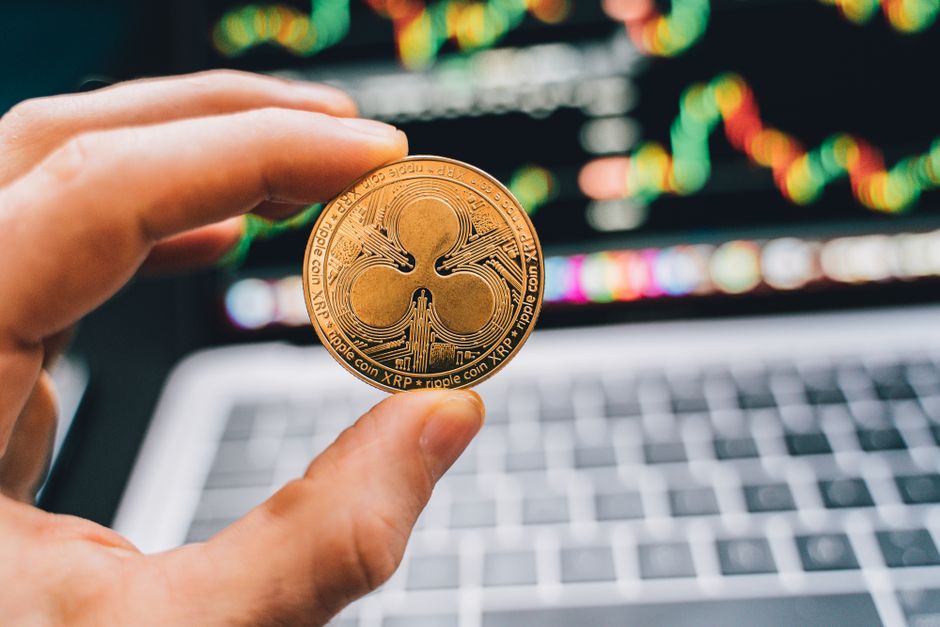
Compare the top XRP wallets for self-custody and exchange storage in 2026. Understand security, fees, and control to make the best choice for your Ripple holdings.
As we navigate the dynamic landscape of digital assets in September 2026, XRP, often referred to as Ripple, remains a pivotal cryptocurrency for cross-border payments and remittances. Whether youâre a seasoned XRP holder or just beginning your journey, securing your assets is paramount. The fundamental choice boils down to two primary methods: maintaining custody of your XRP in a dedicated on-chain wallet or storing it on a centralized cryptocurrency exchange.
This decision isn’t merely about convenience; it profoundly impacts your security, control, and accessibility. With technological advancements and evolving regulatory frameworks, the distinctions between these storage options have become even more critical. This article from ComparisonMath will delve into the best XRP wallets for on-chain transactions and leading exchange storage solutions available in 2026, helping you make an informed decision tailored to your specific needs.
Understanding the nuances of each option is essential. On-chain wallets grant you full sovereignty over your private keys, making you the sole custodian of your funds. Exchange storage, while convenient for trading, means you entrust your assets to a third party. We will explore the pros and cons, highlight specific products and services, and provide a comprehensive guide to choosing the best option for your XRP in the current market.
Choosing between on-chain wallets and exchange storage involves weighing security, control, and convenience. Here’s a snapshot of the key advantages and disadvantages of each method for your XRP holdings in 2026.
| Feature | On-Chain Wallets (Self-Custody) | Exchange Storage (Custodial) |
|---|---|---|
| Security | High (You control keys, immune to exchange hacks) | Moderate (Vulnerable to exchange hacks, regulatory risks) |
| Control | Absolute (Full ownership, manage transactions directly) | Limited (Exchange controls keys, subject to exchange policies) |
| Convenience | Moderate (Setup, backup, transaction signing) | High (Instant trading, easy fiat on/off-ramps) |
| Fees | Low (Network fees only for transactions) | Higher (Trading fees, withdrawal fees, potential spread) |
| Accessibility | Requires physical device or app on personal device | Accessible from any device with internet access |
| Recovery | Possible with seed phrase (if lost, funds gone) | Account recovery services available (if exchange permits) |
| Use Case | Long-term HODLing, frequent on-chain transactions | Active trading, short-term holdings, quick conversions |
Navigating the best XRP storage solutions in 2026 requires an in-depth look at specific offerings. We’ve handpicked some of the most reliable on-chain wallets and prominent exchange storage options, evaluating them based on their security, features, and user experience.
On-chain wallets provide you with direct control over your XRP, meaning you hold the private keys. This method is often preferred by those prioritizing security and autonomy.
The Ledger Nano X (2026 Edition) remains a gold standard in hardware wallet security. Priced at approximately $169, this iteration boasts an enhanced secure element, certified CC EAL7, providing superior protection against sophisticated attacks. It features a larger, higher-resolution screen and offers up to 12 hours of active battery life via its upgraded internal cell. Connectivity is seamless with Bluetooth 5.0 and USB-C 3.0, ensuring fast and secure transaction signing.
Users can manage over 5,500 cryptocurrencies, including XRP, directly through the Ledger Live application. The 2026 update includes refined staking capabilities for a wider range of assets and improved integration with DeFi protocols, offering a holistic crypto management experience. For XRP holders, the Nano X provides unparalleled peace of mind, as your private keys never leave the device, even when transacting.
Trezorâs flagship, the Model T (2026 Pro), stands as another formidable contender in hardware security. Retailing for around $239, the 2026 Pro version features a brighter, more responsive touchscreen for intuitive navigation and transaction verification. It incorporates a faster ARM processor, significantly speeding up firmware updates and complex cryptographic operations. The physical security has been enhanced with tamper-evident seals and advanced internal components designed to resist side-channel attacks.
The Trezor Suite software offers a streamlined interface for managing XRP and thousands of other assets, with built-in exchange functionality for convenient swaps. The 2026 Pro model also introduces direct fiat on-ramp capabilities in select regions, allowing users to buy crypto directly into their secure wallet. For those prioritizing an open-source security model and robust functionality, the Trezor Model T (2026 Pro) is an excellent choice for self-custody of XRP.
Exodus Wallet continues its reign as one of the most user-friendly software wallets available in 2026. This multi-asset wallet supports XRP on both its desktop and mobile applications, offering a visually appealing interface that simplifies crypto management. Its built-in exchange feature, powered by leading swap providers, allows users to exchange XRP for other cryptocurrencies directly within the wallet, though exchange rates may include a spread.
Security features include password protection and seed phrase recovery. While it doesn’t offer the hardware-level security of Ledger or Trezor, Exodus provides a strong balance of accessibility and control for those comfortable with software-based self-custody. The 2026 version boasts improved portfolio tracking, integrated NFT gallery support for compatible chains, and enhanced privacy controls, making it a comprehensive solution for active users.
Trust Wallet, a mobile-first solution, remains immensely popular for its simplicity and broad asset support in 2026. Acquired by Binance, it offers a secure and intuitive way to store XRP and over 7 million other digital assets directly on your smartphone. The wallet is non-custodial, meaning you hold your private keys, which are encrypted and stored locally on your device. Its user interface is clean, making it ideal for beginners and casual users.
Beyond basic storage, Trust Wallet provides a dApp browser, allowing direct interaction with decentralized applications, and integrates with various staking and lending platforms. The 2026 update includes enhanced biometric authentication options, improved notification controls for price alerts, and broader integration with Web3 services. Transaction fees for XRP are minimal, consisting only of the network’s required gas fees, making it cost-effective for frequent mobile transactions.
Storing XRP on an exchange offers unparalleled convenience for trading and quick conversions. However, it involves entrusting your assets to a third party, which comes with its own set of risks.
Binance remains the world’s largest cryptocurrency exchange by trading volume in 2026, offering extensive XRP liquidity and a wide array of trading pairs. For XRP holders, Binance provides easy access to spot trading, futures, and other financial products. Security measures include robust two-factor authentication (2FA), advanced encryption, and a substantial Secure Asset Fund for Users (SAFU) that acts as an emergency insurance fund to protect user funds in extreme circumstances, currently valued at over $1.2 billion USD.
While storing XRP on Binance is convenient for active traders, users should be aware that the exchange holds the private keys. This means your funds are vulnerable to potential platform hacks or regulatory actions. Binance’s withdrawal fees for XRP typically range from 0.005 XRP to 0.02 XRP, varying with network congestion, and their trading fees are competitive, starting at 0.1% and decreasing with higher trading volumes or BNB holdings. The 2026 platform update features enhanced AI-driven fraud detection and even faster transaction processing.
Coinbase continues to be a leading regulated cryptocurrency exchange, particularly strong in the US market. Its user-friendly interface makes it an excellent choice for beginners to buy, sell, and store XRP. Coinbase employs industry-leading security practices, including storing a significant portion of user funds in cold storage, robust encryption, and FDIC insurance for USD balances (up to $250,000) held in linked bank accounts. It also offers multi-factor authentication and biometric logins for enhanced account security.
The convenience of instant fiat-to-XRP conversions and vice-versa comes with a trade-off: Coinbase holds your private keys, making it a custodial service. While highly secure, itâs not immune to all risks. Coinbase’s fees can be higher than some competitors, with a spread added to transactions and varying withdrawal fees for XRP, typically around 0.005 XRP. For new investors prioritizing ease of use and regulatory compliance, Coinbase is a reliable option for XRP storage and trading in 2026.
Kraken maintains its reputation in 2026 as one of the most secure and reputable cryptocurrency exchanges, catering to both retail and institutional traders. It offers robust security protocols, including extensive cold storage for 95% of client assets, full reserve audits, advanced encryption, and comprehensive penetration testing programs. Kraken also provides highly customizable 2FA options and a “Global Settings Lock” feature to prevent unauthorized changes to account settings.
Like other exchanges, Kraken is a custodial service, meaning you don’t control your private keys. However, its long-standing commitment to security and transparency makes it a preferred choice for many. Kraken’s trading fees are competitive, typically ranging from 0% to 0.26% depending on volume, with minimal XRP withdrawal fees, often around 0.005 XRP. The 2026 platform enhances its compliance frameworks and introduces more sophisticated trading tools, solidifying its position as a secure trading and storage option for XRP.
Selecting the best XRP storage method in 2026 depends heavily on your individual needs, risk tolerance, and intended use of your digital assets. Consider these factors when making your decision.
Firstly, assess your primary goal. If you are a long-term holder (HODLer) with no immediate plans to trade your XRP, a hardware wallet like the Ledger Nano X or Trezor Model T offers the highest level of security and control. They protect against exchange hacks, malware, and other online threats by keeping your private keys offline.
Secondly, consider your trading frequency. If you actively trade XRP, exchange storage on platforms like Binance, Coinbase, or Kraken provides unmatched liquidity and convenience. Moving funds between an on-chain wallet and an exchange for frequent trades can be cumbersome and incur additional transaction fees and time delays. Remember, however, that convenience often comes at the cost of ultimate security control.
Thirdly, evaluate your technical comfort level. Hardware wallets require a greater understanding of seed phrases, backups, and secure handling. Software wallets like Exodus or Trust Wallet offer a middle ground, providing self-custody with a more user-friendly interface. Exchange accounts are generally the easiest to set up and manage, akin to traditional online banking.
Finally, think about the amount of XRP you hold. For significant holdings, the added cost and complexity of a hardware wallet are a small price to pay for superior security. For smaller amounts or for those who prioritize immediate access for transactions, software wallets or exchange storage might be acceptable, provided you implement strong passwords and two-factor authentication.
A: An on-chain wallet (like Ledger or Trust Wallet) gives you full control over your private keys, meaning you are the sole owner and custodian of your XRP. Exchange storage (like Binance or Coinbase) means the exchange holds your private keys, and you trust them to secure and manage your assets on your behalf.
A: Some exchanges, like Binance with its SAFU fund, have insurance or emergency funds to cover user losses in certain situations, such as a platform hack. However, these are not universal, and the terms and coverage limits vary significantly. It’s crucial to check each exchange’s specific policies, as standard bank deposit insurance (like FDIC) typically does not apply to crypto holdings.
A: Yes, you can send XRP directly from your hardware wallet to your XRP deposit address on any cryptocurrency exchange. The transaction will be an on-chain transfer, and you will incur the standard XRP network fee. Ensure you double-check the recipient address to avoid permanent loss of funds.
A: As of September 2026, the XRP Ledger still maintains a base reserve requirement of 10 XRP to activate a new wallet address. This minimum balance is not a fee but a mechanism to prevent spam and is held within the wallet. Any transactions you make will also incur a small network fee, typically less than 0.00001 XRP.
A: Software wallets like Exodus and Trust Wallet offer reasonable security for daily transactions and moderate holdings. However, they are generally considered less secure than hardware wallets because they are connected to the internet and susceptible to malware on your device. For large amounts or long-term storage, hardware wallets are the recommended option.
In September 2026, the choice between on-chain XRP wallets and exchange storage ultimately boils down to your priority: absolute security and control versus unparalleled convenience and trading access. For most XRP holders, particularly those looking to safeguard significant holdings for the long term, **on-chain wallets, specifically hardware wallets, are the unequivocal winner.**
The **Ledger Nano X (2026 Edition)** and **Trezor Model T (2026 Pro)** offer the highest level of security, insulating your private keys from online threats and exchange vulnerabilities. While they require an initial investment and a slightly steeper learning curve, the peace of mind derived from true self-custody is invaluable. For those seeking a blend of self-custody and ease of use, software wallets like **Exodus** and **Trust Wallet** serve as excellent secondary options for smaller amounts or frequent mobile transactions.
Exchange storage on platforms like Binance, Coinbase, and Kraken remains indispensable for active traders and those who prioritize quick fiat conversions. These platforms have significantly invested in security protocols by 2026, but they fundamentally operate on a trust model. The inherent risk of not holding your own keys means that your assets are always subject to the exchangeâs security posture and potential regulatory actions. For large, long-term holdings, the risk often outweighs the convenience.
Therefore, for the optimal balance of security, control, and peace of mind in 2026, we strongly recommend securing your XRP in a reputable hardware wallet for the majority of your holdings, using exchange storage primarily for amounts actively being traded.
Prices and features mentioned are accurate as of the date of publication. Always check the official provider website for the most current pricing and availability.