Physical Address
304 North Cardinal St.
Dorchester Center, MA 02124
Physical Address
304 North Cardinal St.
Dorchester Center, MA 02124

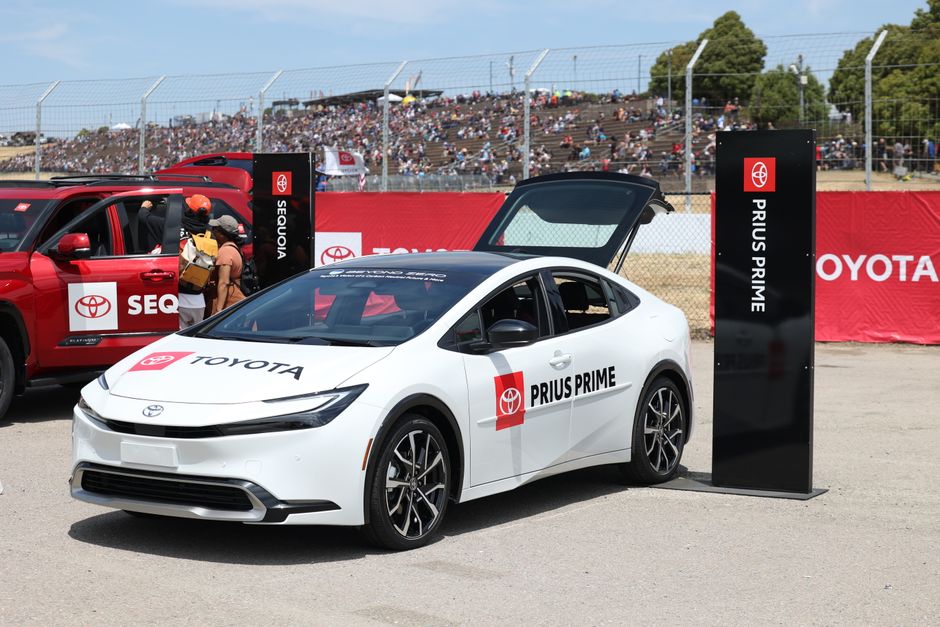
Compare the 2026 Honda Civic Hybrid and 2026 Toyota Corolla Hybrid. Get detailed specs, pricing, fuel economy, and expert recommendations for your next efficient sedan.
As we navigate the mid-2020s, the automotive landscape continues its rapid evolution towards electrification and efficiency. For drivers seeking a practical, eco-conscious, and budget-friendly daily driver, the hybrid compact sedan segment remains fiercely competitive. Today, we’re pitting two titans against each other: the refreshed 2026 Honda Civic Hybrid and the equally compelling 2026 Toyota Corolla Hybrid.
These two vehicles have long dominated their respective categories, consistently offering reliability, strong resale value, and impressive fuel economy. With their latest iterations, both Honda and Toyota have refined their hybrid offerings, integrating cutting-edge technology, enhanced safety features, and improved driving dynamics. This comparison will help you decipher which one truly aligns with your driving needs and priorities as of September 2026.
Choosing between a Honda Civic Hybrid and a Toyota Corolla Hybrid isn’t merely about horsepower or MPG; it’s about understanding the subtle nuances that define their character and user experience. From interior comfort and infotainment systems to the driving feel and long-term ownership costs, every detail matters. Let’s dive deep into what makes these 2026 models stand out.
| Feature | 2026 Honda Civic Hybrid (EX-L) | 2026 Toyota Corolla Hybrid (SE) |
|---|---|---|
| Starting MSRP | $29,850 | $27,200 |
| Combined Horsepower | 192 hp | 145 hp |
| Combined Fuel Economy (EPA est.) | 49 MPG | 52 MPG |
| Engine | 2.0L DOHC i-VTEC + Electric Motors | 1.8L Atkinson-Cycle + Electric Motors |
| Transmission | E-CVT (Electronic Continuously Variable Transmission) | Electronically Controlled CVT |
| 0-60 mph (est.) | 7.1 seconds | 8.8 seconds |
| Cargo Volume | 14.8 cu ft | 13.1 cu ft |
| Infotainment Screen | 9.0-inch Touchscreen | 8.0-inch Toyota Audio Multimedia |
| Key Standard Safety | Honda Sensing 360 | Toyota Safety Sense 4.0 |
| Highlight Feature | Sporty driving dynamics, refined interior | Class-leading fuel economy, proven reliability |
The 2026 Honda Civic Hybrid builds upon the already excellent 11th-generation Civic platform, enhancing its appeal with a robust hybrid powertrain. Honda has positioned the Civic Hybrid as a more engaging and premium option in the compact hybrid segment. It’s available in several trims, with the EX-L and Touring being the most popular, offering a blend of efficiency and upscale features.
Under the hood, the 2026 Civic Hybrid features Honda’s refined 2.0-liter DOHC i-VTEC Atkinson-cycle engine paired with two electric motors. This system delivers a combined output of 192 horsepower and 232 lb-ft of torque. This substantial power allows the Civic Hybrid to accelerate from 0 to 60 mph in an estimated 7.1 seconds, making it one of the quickest hybrids in its class. The power is managed by an E-CVT (Electronic Continuously Variable Transmission) that provides smooth and responsive acceleration.
Fuel economy for the 2026 Civic Hybrid is impressive, with EPA estimates reaching 49 MPG combined (48 MPG city/50 MPG highway) for the EX-L trim. While not the absolute leader, this figure is highly competitive and offers significant savings at the pump. The driving experience is characteristically Honda – nimble handling, responsive steering, and a well-tuned suspension provide a comfortable yet sporty ride that many drivers appreciate.
Inside, the Civic Hybrid continues to impress with its sophisticated and user-friendly cabin. The material quality feels a step above its rivals, with soft-touch surfaces and a clean, minimalist design. The standard 9.0-inch touchscreen infotainment system, now with improved voice recognition and seamless wireless Apple CarPlay and Android Auto, is intuitive to use. Higher trims like the Touring add a 10.2-inch digital instrument cluster and a premium Bose sound system.
Safety remains a paramount concern for Honda, and the 2026 Civic Hybrid is equipped with the comprehensive Honda Sensing 360 suite as standard. This advanced package includes adaptive cruise control, lane-keeping assist, road departure mitigation, blind-spot monitoring with rear cross-traffic alert, and a new intersection collision mitigation system. These features work cohesively to provide an extra layer of protection on every journey.
Cargo space is generous for the class, with 14.8 cubic feet in the trunk, making it practical for daily errands or weekend getaways. Passenger comfort is also a highlight, with ample legroom and headroom for both front and rear occupants. The starting MSRP for the 2026 Honda Civic Hybrid EX-L is $29,850, while the top-tier Touring trim starts at $33,995, reflecting its premium features and performance.
The 2026 Toyota Corolla Hybrid continues to uphold its reputation as the benchmark for efficiency and reliability in the compact segment. Toyota’s approach with the Corolla Hybrid focuses on maximizing fuel economy, providing rock-solid dependability, and offering exceptional value. It’s a no-nonsense vehicle designed to get you from point A to B with minimal fuss and cost.
The heart of the 2026 Corolla Hybrid is its updated 1.8-liter Atkinson-cycle four-cylinder engine combined with Toyota’s well-proven electric motor system. This powertrain generates a combined 145 horsepower, which, while lower than the Civic Hybrid, is perfectly adequate for urban and highway driving. Power is routed through an electronically controlled continuously variable transmission (eCVT), known for its smooth operation and efficiency. The 0-60 mph sprint is estimated at 8.8 seconds.
Where the Corolla Hybrid truly shines is its fuel economy. The 2026 model boasts an outstanding EPA-estimated 52 MPG combined (53 MPG city/50 MPG highway) for the LE and SE grades, making it one of the most fuel-efficient non-PHEV vehicles on the market. This class-leading efficiency translates to fewer trips to the gas station and significant long-term savings.
The driving experience of the Corolla Hybrid prioritizes comfort and efficiency over sporty dynamics. It offers a smooth and quiet ride, absorbing road imperfections with ease, ideal for daily commuting. Steering is light, making it easy to maneuver in tight city spaces. While it won’t thrill enthusiasts, its predictable and stable handling provides confidence to the driver.
The interior of the 2026 Corolla Hybrid is practical and well-appointed, though perhaps not as aesthetically adventurous as the Civic. The standard 8.0-inch Toyota Audio Multimedia touchscreen is responsive and includes wireless Apple CarPlay and Android Auto. Higher trims offer a larger digital gauge cluster and an improved JBL sound system. Seating is comfortable, and visibility is excellent, contributing to a stress-free driving experience.
Toyota’s commitment to safety is evident in the inclusion of Toyota Safety Sense 4.0 as standard across all Corolla Hybrid trims. This suite features a pre-collision system with pedestrian detection, lane departure alert with steering assist, dynamic radar cruise control, automatic high beams, and a new proactive driving assist feature that helps with gentle braking and steering in curves. These systems enhance driver confidence and reduce the risk of accidents.
The Corolla Hybrid offers 13.1 cubic feet of trunk space, which is slightly less than the Civic Hybrid but still ample for most needs. Rear passenger space is decent, suitable for average-sized adults on shorter trips. The 2026 Toyota Corolla Hybrid starts at a highly competitive MSRP of $27,200 for the LE trim, with the sportier SE trim at $28,450 and the fully loaded XLE at $30,500, making it an excellent value proposition.
Deciding between the 2026 Honda Civic Hybrid and the 2026 Toyota Corolla Hybrid ultimately comes down to your personal priorities and driving style. Both are exceptional vehicles, but they cater to slightly different preferences.
If you prioritize a more engaging and spirited driving experience, the Honda Civic Hybrid is likely the better choice. Its 192 horsepower hybrid powertrain delivers noticeably quicker acceleration and a sportier feel. The Civic’s refined interior, premium materials, and larger infotainment screen also contribute to a more upscale ambiance. It’s ideal for drivers who appreciate a car that feels a bit more dynamic and luxurious without sacrificing significant fuel economy.
Conversely, if your primary goal is maximizing fuel efficiency and overall long-term value, the Toyota Corolla Hybrid is an unbeatable option. Its 52 MPG combined rating sets the standard, translating to fewer stops at the pump and lower running costs. The Corolla Hybrid’s bulletproof reliability, historically excellent resale value, and lower starting price make it a strong contender for budget-conscious buyers who value practicality and peace of mind above all else. It’s an excellent choice for city commuters and those who rack up a lot of miles.
Consider your daily commute: If you frequently drive on highways and appreciate responsive power for merging and passing, the Civic Hybrid’s extra horsepower will be a significant advantage. If your driving is primarily urban or suburban, where extreme acceleration is less critical, the Corolla Hybrid’s efficiency will shine brightest in stop-and-go traffic.
Budget is another key factor. The Corolla Hybrid typically starts at a lower price point and offers exceptional value, making it more accessible for some buyers. While the Civic Hybrid commands a slightly higher premium, it justifies this with its performance, interior refinement, and advanced features. Long-term maintenance costs are generally low for both, but Toyota often has a slight edge in perceived longevity and simple, affordable parts.
Finally, technology and comfort play a role. Both vehicles offer excellent safety suites and modern infotainment. The Civic’s larger screen and more modern interior design might appeal to tech enthusiasts, while the Corolla’s tried-and-true system and comfortable, if less flashy, cabin will satisfy practical users. Test drive both to truly feel the difference in seating comfort, driver ergonomics, and overall cabin environment.
The 2026 Toyota Corolla Hybrid generally offers superior fuel economy, with an EPA-estimated 52 MPG combined (53 city/50 highway) for most trims. The 2026 Honda Civic Hybrid comes in slightly lower at an EPA-estimated 49 MPG combined (48 city/50 highway). The Corolla Hybrid is the choice for absolute maximum efficiency.
The 2026 Honda Civic Hybrid offers significantly better performance. Its 192 combined horsepower allows it to accelerate from 0-60 mph in an estimated 7.1 seconds. The 2026 Toyota Corolla Hybrid, with 145 combined horsepower, is slower, completing the 0-60 mph sprint in approximately 8.8 seconds. If quick acceleration and a sportier feel are important, the Civic Hybrid is the clear winner.
Both vehicles come standard with comprehensive safety suites. The 2026 Honda Civic Hybrid features Honda Sensing 360, while the 2026 Toyota Corolla Hybrid includes Toyota Safety Sense 4.0. Both systems offer advanced driver-assistance features like adaptive cruise control, lane-keeping assist, and pre-collision braking. They are both top-tier in terms of safety technology for their class.
As of September 2026, the 2026 Toyota Corolla Hybrid starts at a more accessible MSRP of $27,200 for the LE trim. The 2026 Honda Civic Hybrid starts higher, with the EX-L trim beginning at $29,850. The Corolla Hybrid generally offers a lower entry point into the hybrid market.
Both Honda and Toyota have stellar reputations for reliability and strong resale values. Historically, Toyota often holds a slight edge in perceived long-term durability and lower cost of ownership, particularly with its hybrid systems. However, Honda also offers excellent reliability and robust resale value, making both safe bets. Factors like maintenance history and condition will play a larger role in individual vehicle depreciation.
After a thorough examination of the 2026 Honda Civic Hybrid and the 2026 Toyota Corolla Hybrid, it’s clear that both are outstanding compact hybrid sedans. Each car excels in its specific niche, offering compelling reasons for purchase depending on driver priorities.
For the buyer who desires a more dynamic driving experience, a refined and slightly more upscale interior, and a stronger punch of power without sacrificing significant fuel economy, the 2026 Honda Civic Hybrid emerges as the superior choice. Its 192 horsepower and sophisticated cabin make daily commutes feel more engaging and comfortable, justifying its slightly higher price point.
However, for the pragmatic driver whose absolute top priority is class-leading fuel efficiency, legendary reliability, and maximum value for money, the 2026 Toyota Corolla Hybrid is the undeniable victor. Its 52 MPG combined rating is unmatched, and its lower starting MSRP makes it an incredibly cost-effective option for eco-conscious commuters. It’s the quintessential sensible choice.
In conclusion, neither car is objectively ‘better’ in all aspects. The Civic Hybrid offers a premium, sportier package, while the Corolla Hybrid delivers ultimate efficiency and proven dependability. Your ideal hybrid sedan for 2026 will be the one that best aligns with your personal driving style, budget, and priorities on the road.
Prices and features mentioned are accurate as of the date of publication. Always check the official provider website for the most current pricing and availability.




