Physical Address
304 North Cardinal St.
Dorchester Center, MA 02124
Physical Address
304 North Cardinal St.
Dorchester Center, MA 02124

Decide between mid-drive and hub motor e-bikes for 2026. Our expert comparison reviews current models, specs, and prices to help you choose the best electric bike for your ride.
The electric bicycle market is booming in 2026, offering an unprecedented array of choices for commuters, adventurers, and casual riders alike. With advanced battery technology and sophisticated motor systems, e-bikes are more capable and accessible than ever before. However, one of the most critical decisions prospective buyers face is choosing between a mid-drive motor and a hub motor. This fundamental difference significantly impacts ride feel, performance, and price.
As of September 2026, both motor types have seen substantial refinements. Mid-drive systems boast improved integration and torque delivery, while hub motors offer enhanced efficiency and smarter controls, even in budget models. Understanding the nuances of each system is paramount to selecting the electric bicycle that best suits your specific needs and riding style. This comprehensive guide from ComparisonMath will break down the latest advancements and help you make an informed decision.
| Feature | Mid-Drive Motor (2026) | Hub Motor (2026) |
|---|---|---|
| Location | Crankset/Bottom Bracket | Front or Rear Wheel Hub |
| Power Delivery | Through Drivetrain (Leverages Gears) | Directly to Wheel |
| Ride Feel | Natural, Balanced, Smooth | Direct, Push/Pull Sensation |
| Hill Climbing | Excellent, Utilizes Bike’s Gears | Good, but Can Struggle on Steep Gradients |
| Efficiency | Generally More Efficient (Especially on Hills) | Good on Flat Terrain, Less so on Hills |
| Weight Distribution | Centralized, Balanced | Unbalanced (Wheel-Specific) |
| Maintenance | More Complex, Drivetrain Wear | Simpler, Easier Wheel Swaps (Harder Flat Repair) |
| Price Point | Typically Higher ($3,000 – $10,000+) | Typically Lower ($800 – $3,500) |
| Sound Level | Often Quieter, More Integrated | Can Be More Audible, Whirring Sound |
| Versatility | Ideal for Diverse Terrain, Sporty Riding | Great for Commuting, Casual Rides, Conversions |
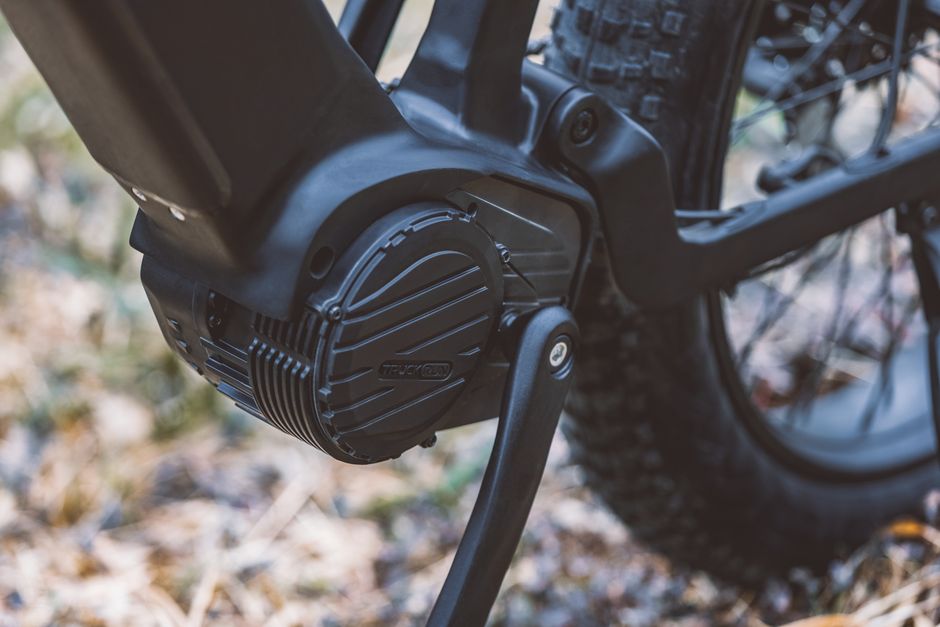
Mid-drive motors, positioned centrally at the bicycle’s bottom bracket, integrate directly with the bike’s drivetrain. This design allows the motor to leverage the bicycle’s gears, significantly enhancing torque and efficiency. When you shift gears, the motor benefits, just like your legs do, making them incredibly effective for tackling steep inclines and varying terrains. The central placement also contributes to a more balanced ride feel, mimicking the natural weight distribution of a traditional bicycle.
The latest 2026 mid-drive systems, such as the Bosch Performance Line CX Gen 5 and the Shimano EP801, offer impressive torque figures, typically ranging from 75 Nm to 90 Nm. These motors are known for their smooth power delivery, advanced sensors that respond intuitively to your pedaling input, and sophisticated software that optimizes battery usage. While they generally come at a higher price point due to their complexity and performance, their natural ride feel and robust hill-climbing capabilities make them a favorite among serious riders and those seeking a premium experience.
Hub motors are simpler in design, directly housed within the hub of either the front or rear wheel. They propel the wheel independently of the bike’s chain and gears. This direct drive system typically results in a more immediate, ‘push’ or ‘pull’ sensation, depending on its placement. Rear hub motors are more common, providing a natural push, while front hub motors offer a unique pulling sensation and can be found on some entry-level models or those designed for easy conversions.
The primary advantages of hub motors lie in their cost-effectiveness and ease of integration, making them prevalent in budget-friendly and entry-level e-bikes. Since they don’t interact with the drivetrain, they impose less wear on the chain, cassette, and derailleur. However, their performance on steep hills can be less efficient than mid-drives, as they cannot leverage the bike’s gearing. Weight distribution can also be a minor issue, as the motor adds unsprung weight to one end of the bike.
Choosing between a mid-drive and a hub motor in 2026 depends heavily on your specific priorities, budget, and intended use. Consider these key factors to narrow down your options:
By honestly assessing these factors against your personal preferences, you can make a well-informed decision that will lead to greater satisfaction with your 2026 electric bicycle purchase.
Mid-drive motors are unequivocally superior for climbing steep hills. Because they integrate with your bike’s gearing, they can multiply their torque output through lower gears, much like a car shifting down. This allows them to maintain efficiency and power on even the most challenging ascents.
Generally, yes. Hub motor e-bikes tend to be more budget-friendly due to their simpler design and manufacturing process. As of 2026, you can find excellent hub motor bikes for under $2,000, while quality mid-drive options typically start closer to $3,000.
Mid-drive motors consistently provide a more natural and integrated riding experience. Their central placement and interaction with the bike’s gears create a balanced feel, making the assist feel like an extension of your own pedaling power rather than an external force.
While battery capacity (Wh) is the primary determinant of range, mid-drive motors can often offer better efficiency, particularly on varied terrain and hills. By utilizing the gears, they operate within their optimal RPM range more effectively, potentially leading to slightly longer real-world range for a given battery size compared to a hub motor under similar conditions.
Converting a regular bicycle is significantly easier and more common with hub motors. Conversion kits for hub motors are widely available and relatively straightforward to install. Mid-drive conversion kits exist but are more complex, often requiring specific frame geometries and expertise for proper installation.
As of September 2026, the choice between a mid-drive and a hub motor electric bicycle remains a nuanced one, with both systems excelling in different scenarios. There isn’t a single ‘best’ motor for everyone; rather, it’s about finding the best motor for *your* ride.
For riders prioritizing a premium, natural cycling experience, superior hill-climbing capabilities, and balanced handling on diverse terrain, the **mid-drive motor** is the clear winner. If your budget allows for an investment in the $3,000+ range, a mid-drive e-bike will deliver unparalleled performance and integration, making it ideal for serious commuters, trail enthusiasts, and those seeking the most refined ride.
However, if affordability, simplicity, and straightforward power delivery are your primary concerns, the **hub motor** offers exceptional value. For urban commuting, leisurely rides on flat to moderately hilly terrain, or if you’re looking for a reliable e-bike under $2,500, hub motor models like the Aventon Pace 500.4 or Lectric XP 3.0 are excellent choices. They provide a robust and enjoyable e-bike experience without breaking the bank.
Ultimately, the advancements in both mid-drive and hub motor technologies in 2026 mean that no matter your choice, you’re investing in a capable and exciting mode of transport. Evaluate your needs, consider your budget, and ideally, take a test ride to feel the difference for yourself before making your final decision.
Prices and features mentioned are accurate as of the date of publication. Always check the official provider website for the most current pricing and availability.