Physical Address
304 North Cardinal St.
Dorchester Center, MA 02124
Physical Address
304 North Cardinal St.
Dorchester Center, MA 02124

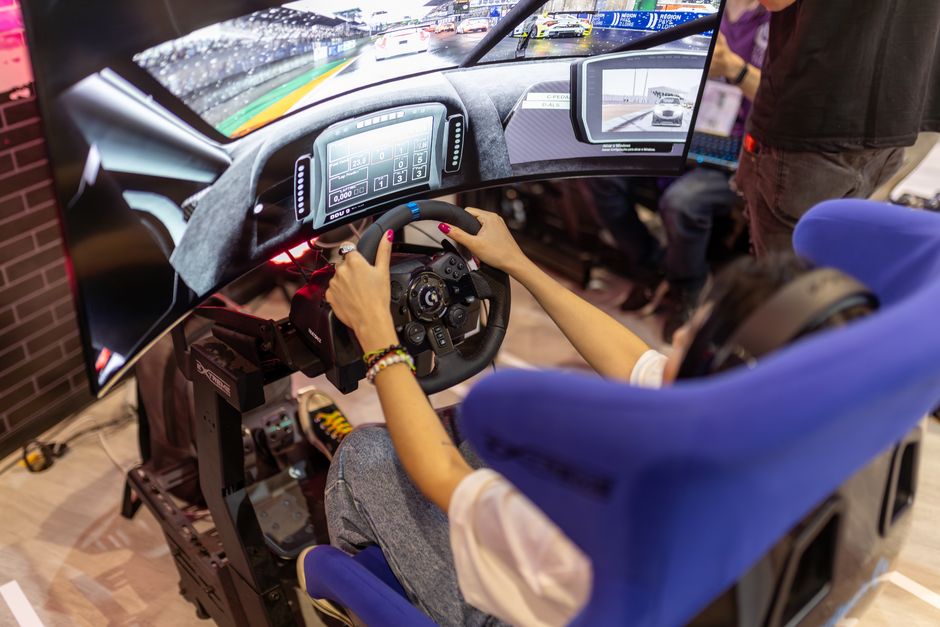
Compare the best sim racing cockpits of 2026. In-depth review of Next Level Racing, Playseat, and Sim-Lab rigs for high-end force feedback setups.
Sim racing has evolved from a niche hobby into a hyper-realistic motorsport simulation that demands serious hardware. With the widespread adoption of high-torque direct drive wheelbases and load cell pedal sets generating massive forces, your cockpit is no longer just a chair—it is the foundation of your entire driving experience. Choosing the right sim racing cockpit in 2026 is critical if you want to eliminate flex, ensure long-term comfort, and faithfully translate every nuance of the track surface straight to your body.
When looking at the current market landscape, three titan brands dominate the conversation: Next Level Racing, Playseat, and Sim-Lab. Each brand approaches cockpit engineering with a completely different philosophy. Next Level Racing focuses on versatility, modular ecosystems, and accessible heavy-duty rigs. Playseat leans heavily into licensed branding, sleek living-room-friendly designs, and quick-folding convenience. Sim-Lab remains the gold standard for ultra-rigid aluminum profile industrial construction, catering to hardcore enthusiasts and professional esports drivers alike.
At ComparisonMath, we have rigorously analyzed the current lineup from these three manufacturers to help you make an informed investment. Whether you are stepping up from a desk mount or upgrading an aging entry-level rig, this comprehensive comparison breaks down specs, build quality, pricing, and usability. By the end of this guide, you will know exactly which ecosystem deserves a spot in your gaming room or home office.
Before diving into the granular details, use this at-a-glance comparison table to evaluate how Next Level Racing, Playseat, and Sim-Lab stack up against each other across critical purchasing factors like build materials, rigidity, price point, and target user.
| Brand & Flagship Model | Primary Material | Rigidity (Flex Control) | Price Range (2026) | Best Suited For |
|---|---|---|---|---|
| Next Level Racing F-GT Elite | Heavy-duty Carbon Steel & Aluminum | Very High | $799 – $999 USD | Drivers who want dual Formula and GT seating positions without severe flex. |
| Playseat Trophy | Powder-coated Steel & Microfiber | High (for tube-frame) | $599 – $649 USD | Sim racers seeking a lightweight, premium seat-integrated chassis for direct drive wheels. |
| Sim-Lab P1X Pro | Anodized Aluminum Extrusion (8020) | Maximum (Zero Flex) | $999 – $1,299 USD | Hardcore enthusiasts running high-torque direct drive bases and hydraulic pedals. |
To truly understand which brand reigns supreme, we must evaluate their flagship offerings and structural engineering. Let us examine Next Level Racing, Playseat, and Sim-Lab individually to see how their 2026 lineups perform under intense race conditions.
Next Level Racing has built its stellar reputation on offering feature-rich cockpits that often cater to multiple racing disciplines. Their flagship aluminum profile and hybrid steel rigs, such as the F-GT Elite, bridge the gap between customizability and out-of-the-box ease of use. The F-GT Elite allows users to seamlessly switch between Formula, GT, and hybrid seating positions. Constructed with thick carbon steel and custom extruded aluminum slots, it easily handles up to 25 nm direct drive wheels and aggressive load cell pedals without structural twisting. Pricing generally hovers around $799 to $999 USD, making it a competitive mid-to-high-end option that includes integrated seat brackets and motion platform compatibility.
Playseat takes a drastically different approach, focusing heavily on minimalist aesthetics, ergonomic comfort, and official motorsport partnerships with brands like Red Bull Racing and Porsche. The Playseat Trophy, a standout model in their catalog, abandons traditional heavy steel skeletons in favor of an open-tubular frame combined with a frameless, breathable ActiFit material seat that hugs the driver’s body. Priced competitively at around $599 to $649 USD, the Trophy is remarkably lightweight yet structurally sound enough to support mid-range direct drive wheelbases up to 15 nm. It lacks the infinite adjustability of industrial aluminum rigs, but its sleek profile makes it a favorite for gamers who share a living space and value modern furniture design.
Sim-Lab represents the pinnacle of rigid simulation hardware. Utilizing heavy-duty industrial 8020 aluminum profile extrusion, the Sim-Lab P1X Pro is engineered specifically for uncompromising virtual racers. There are no proprietary weak points or plastic joints; every mounting plate, pedal deck, and wheel upright is secured with heavy-gauge gusset brackets and steel bolts. This design philosophy guarantees absolute zero flex, even when paired with heavy-duty commercial hydraulic pedal sets and high-torque direct drive motors pushing past 30 nm. Retailing between $999 and $1,299 USD (often excluding the seat, which must be purchased separately), Sim-Lab demands a higher initial investment and a bit more patience during assembly, but it is effectively a lifetime purchase.
Selecting the ideal sim racing cockpit requires balancing your budget, available physical space, hardware ecosystem, and long-term performance goals. When navigating your options among Next Level Racing, Playseat, and Sim-Lab, ask yourself the following critical questions.
First, evaluate your force feedback hardware. If you are running an entry-level belt-driven wheel or a low-power direct drive base under 10 nm, almost any reputable rig will suffice. However, if you are upgrading to heavy-duty professional gear exceeding 15 nm of torque or utilizing stiff load cell pedals, you must prioritize rigidity. For maximum stiffness, Sim-Lab’s aluminum extrusion architecture is unmatched. If you want a robust hybrid setup that balances multi-position racing with solid reinforcement, Next Level Racing is your best bet.
Second, consider your spatial constraints and aesthetic preferences. Sim racing rigs are notoriously large and heavy. Sim-Lab cockpits have a massive industrial footprint and look right at home in a dedicated man cave or simulator room, but they are difficult to move. Playseat models, particularly the Trophy, feature a much sleeker, lighter profile that blends into modern home decor without dominating the entire room. Next Level Racing sits comfortably in the middle, offering heavy-duty performance while maintaining relatively compact footprints on their GT-style chassis.
Finally, factor in your budget and assembly patience. Sim-Lab kits require careful assembly using metric fasteners and T-nuts, taking a few hours to put together. Playseat units typically ship with streamlined instructions for faster setup. Next Level Racing provides comprehensive hardware kits with clearly labeled components. Ensure you calculate the total cost of ownership, remembering that while brands like Playseat include the seat in the base price, modular systems from Sim-Lab often require purchasing a bucket seat separately.
Do I need an aluminum profile rig like Sim-Lab, or is a tube-frame cockpit enough?
It depends entirely on your wheel and pedal force. If you use high-end direct drive wheelbases and load cell pedals, an aluminum profile rig like Sim-Lab or Next Level Racing’s Elite series eliminates flex completely. Tube-frame designs like the Playseat Trophy are plenty rigid for casual to enthusiast setups, but heavy professional gear can introduce minor chassis resonance.
Are racing seats usually included with these cockpits?
It varies by brand and model. Playseat almost always includes their proprietary cloth or leatherette seats in the package price. Next Level Racing often bundles sliding seat brackets and specific bucket or reclining seats with their mid-to-high tier rigs. Sim-Lab typically sells their chassis as a standalone frame, meaning you will need to purchase a compatible bucket or recliner seat separately.
Can I mount motion platforms to Next Level Racing, Playseat, and Sim-Lab rigs?
Next Level Racing and Sim-Lab both offer extensive ecosystems specifically designed to support motion actuators and traction loss platforms. Playseat cockpits are generally engineered as static structures and are not natively optimized for heavy commercial motion add-ons.
How difficult is it to assemble an 8020 aluminum profile cockpit?
Assembling an aluminum profile rig requires basic tools, patience, and following instructions carefully. While it takes more time than unfolding a pre-welded tube frame, the modular nature of 8020 framing makes future upgrades, shifter additions, and peripheral mounts infinitely easier.
Choosing a winner among Next Level Racing, Playseat, and Sim-Lab ultimately depends on what kind of sim racer you are, as all three brands excel in their respective domains.
For the lifestyle gamer and space-conscious enthusiast who values quick setup, gorgeous aesthetics, and comfortable endurance racing without sacrificing direct drive capability, the Playseat Trophy stands out as the best lifestyle choice.
For the versatile racer who demands solid multi-position seating (GT and Formula) with robust build quality and excellent out-of-the-box value, Next Level Racing takes the crown with their stellar F-GT Elite lineup.
However, if your goal is absolute, uncompromising performance, zero flex under extreme force feedback loads, and infinite upgrade potential, the clear overall winner is Sim-Lab. Their P1X Pro and aluminum profile ecosystem represent the gold standard of modern sim racing engineering, making it our top recommendation for serious 2026 competitors.
Prices and features mentioned are accurate as of the date of publication. Always check the official provider website for the most current pricing and availability.




