Physical Address
304 North Cardinal St.
Dorchester Center, MA 02124
Physical Address
304 North Cardinal St.
Dorchester Center, MA 02124
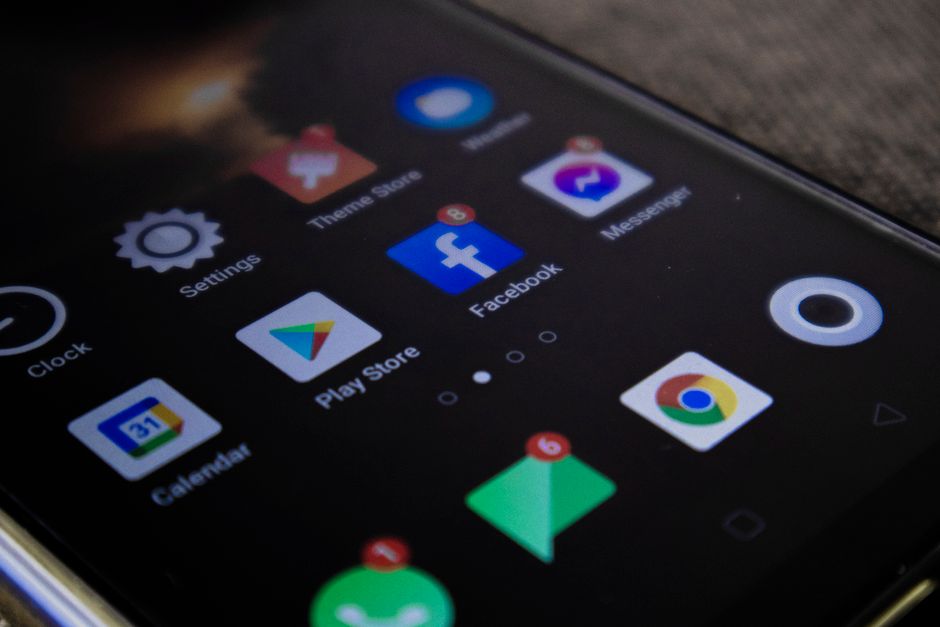
Explore the best Android alternative app stores in 2026 for more choice, better privacy, and unique apps. Our comparison includes F-Droid, Aptoide, APKPure, and more.
In 2026, the Android ecosystem continues to thrive, offering unparalleled flexibility to its users. While Google Play remains the default gateway to millions of applications, a growing number of users are exploring alternative app stores. These alternatives offer unique advantages, from enhanced privacy and open-source software to regional exclusives and competitive pricing models.
The landscape of digital distribution is evolving rapidly, with increasing scrutiny on data privacy, developer fees, and app censorship. For many, seeking an alternative to the dominant Google Play Store isn’t just about finding new apps; it’s about exercising greater control over their device, supporting independent developers, and accessing content that might otherwise be unavailable. This comprehensive comparison will guide you through the best Android alternative app stores available in August 2026, helping you make an informed choice that aligns with your digital lifestyle.
| App Store | Pros | Cons | Key Feature |
|---|---|---|---|
| F-Droid | Privacy-focused, FOSS only, community-audited, no tracking. | Smaller catalog, fewer mainstream apps, manual updates. | Exclusively Free and Open Source Software (FOSS). |
| Aptoide | Vast library, older app versions, blockchain integration for payments, community curation. | Security concerns (unverified sources), ads, inconsistent update frequency. | Decentralized app distribution with user-uploaded content. |
| APKPure | Massive global catalog, geo-unrestricted apps, faster updates for new releases. | Contains ads, some potential security risks from unofficial sources, lacks rigorous vetting. | Access to region-locked apps and early beta releases. |
| Aurora Store | Anonymous access to Google Play, bypasses geo-restrictions, no Google account needed. | Relies on Google Play backend, potential for breaking changes, not truly independent. | Privacy-preserving proxy for Google Play Store content. |
| Amazon Appstore | Seamless Fire device integration, ‘Free App of the Day’ deals, curated game selection. | Limited selection outside Fire OS, requires Amazon account, less diverse app categories. | Integrated with Amazon ecosystem, often offers paid apps for free. |
| Samsung Galaxy Store | Optimized for Samsung devices, exclusive apps/themes, enhanced gaming features. | Only for Samsung users, smaller general catalog, promotions focused on Samsung services. | Specific optimizations and exclusive content for Samsung Galaxy devices. |
F-Droid stands out as the premier repository for Free and Open Source Software (FOSS) on Android. As of August 2026, it hosts over 5,000 meticulously audited applications, prioritizing user privacy, security, and transparency. Every app on F-Droid is compiled from source code and verified, ensuring there are no hidden trackers or proprietary blobs.
Key Features include automatic background updates for installed F-Droid apps, full version history for every application, and a robust community-driven security audit process. Users can confidently download tools that respect their data, from secure messaging clients like Signal (version 7.1.0) to privacy-focused browsers and utilities. Its user interface is clean, functional, and devoid of intrusive advertisements.
Pros of F-Droid are its unwavering commitment to privacy and security, completely free access to all applications, and a strong ethical stance against proprietary software. It’s an ideal choice for users deeply concerned about data collection and seeking alternatives to corporate-controlled ecosystems. There are no developer fees, as the platform is sustained by donations.
However, F-Droid’s Cons include a significantly smaller app catalog compared to mainstream stores, an absence of popular commercial applications, and a user experience that can feel less polished for those accustomed to Google Play. App updates, while automatic, sometimes lag behind official releases if the developer isn’t actively contributing to F-Droid’s repository. Compatibility is broad, supporting Android 5.0 (Lollipop) and newer.
Aptoide positions itself as a decentralized, community-driven alternative app store. By 2026, it has grown to host over 1 million unique applications, some of which are not available on Google Play due to regional restrictions or specific content policies. Aptoide distinguishes itself by allowing users to manage their own ‘stores’ within the platform, fostering a vibrant ecosystem of independent developers and distributors.
Key Features include the ability to easily revert to older app versions, a robust content recommendation engine, and a focus on emerging markets where standard app store access might be limited. Aptoide has also integrated blockchain technology for secure in-app purchases and developer monetization, allowing developers to earn up to 85% of their revenue directly, compared to Google’s standard 70% cut for most developers.
Aptoide’s Pros include its enormous and diverse catalog, the flexibility to access regionally restricted apps, and a developer-friendly revenue share model. Its decentralized nature means less central control, potentially leading to more innovative or niche applications. Pricing for paid apps is set by individual developers, often reflecting regional market dynamics.
On the flip side, Aptoide’s Cons revolve primarily around security concerns. While Aptoide employs malware detection, the open nature of its platform means that not all uploaded apps undergo the same rigorous vetting as Google Play, leading to a higher potential for unverified or modified APKs. Users may encounter more advertisements than in other stores. It supports Android 4.4 (KitKat) and newer devices.
APKPure has established itself as a leading global platform for downloading APKs, providing access to millions of Android applications and games, including many that are region-locked or not yet officially released in some territories. As of August 2026, it boasts over 1.5 million unique applications, ranging from mainstream titles to obscure indie games and utility tools.
Its Key Features include immediate access to new game releases, the ability to download OBB data directly, and support for installing apps that might be incompatible with specific device models through its XAPK installer. APKPure acts as an aggregator, often providing faster updates for popular apps before they officially roll out to all regions on Google Play. It maintains a clean interface, with focus on app discovery.
The primary Pros of APKPure are its vast, globally accessible library and the speed at which it provides updates and new releases. It’s particularly popular among mobile gamers looking for early access or region-specific versions of titles like ‘Genshin Impact 7.1’ or ‘Call of Duty: Mobile Season 26’. All apps are free to download, with monetization primarily through in-app purchases or ads within the apps themselves.
However, APKPure’s Cons include the presence of advertisements within its own client and the inherent security risks associated with downloading APKs from unofficial sources. While APKPure claims to verify app integrity, the lack of direct developer control means there’s always a slight chance of malicious or tampered files. It supports Android 4.1 (Jelly Bean) and above, making it highly compatible with older devices.
Aurora Store offers a unique proposition: anonymous and privacy-friendly access to the Google Play Store’s vast catalog without needing a Google account or running Google Play Services. For users who want the breadth of Google Play’s offerings but with enhanced privacy, Aurora Store has become an essential tool in 2026. It leverages Google Play’s public APIs to fetch app listings.
Key Features include spoofing device information to bypass regional restrictions, a clean and modern user interface, and the option to log in anonymously (via a throwaway account managed by Aurora) or with your own Google account (though this defeats the privacy purpose). It also offers automatic updates for installed apps and provides detailed information about app trackers and permissions.
The significant Pros of Aurora Store are its ability to access almost the entire Google Play library privately, its capacity to download region-locked applications, and its focus on user anonymity. It empowers users to access mainstream apps like ‘TikTok 33.2’ or ‘Microsoft Teams 1.5’ without feeding data directly into Google’s ecosystem via their device’s Play Store client. All app downloads are free, as it mirrors Google Play’s free app structure.
However, Aurora Store’s Cons include its reliance on Google Play’s backend, meaning any changes to Google’s APIs could temporarily break the client. While generally stable in 2026, it’s not a truly independent app ecosystem. Users may also encounter captchas or temporary rate limits if using anonymous logins extensively. It requires Android 5.0 (Lollipop) or higher for full functionality.
The Amazon Appstore is Amazon’s official alternative, primarily designed for its Fire tablets and Fire TV devices but also available for any Android smartphone. In 2026, it continues to be a strong contender, especially for users invested in the Amazon ecosystem. It features a curated selection of apps and games, often with exclusive deals and promotions.
Key Features include seamless integration with Amazon Prime services, often offering ‘Free App of the Day’ promotions where paid apps become temporarily free, and a strong focus on popular games and entertainment applications. The store also integrates Amazon Coins for in-app purchases, providing a loyalty program for frequent buyers. Developers typically pay a 30% revenue share, similar to Google Play.
Amazon Appstore’s Pros are its reliability, strong curation (reducing security risks), and exclusive deals, particularly for paid applications and in-app items. It’s an excellent choice for users with Amazon Fire devices or those who frequently purchase digital content from Amazon. Its family-friendly content filter is also robust, making it suitable for parental controls.
The main Cons are its significantly smaller app selection compared to Google Play or APKPure, and its clear bias towards Amazon’s own services and devices. Many niche or utility Android apps might be missing. Users also need an Amazon account to download apps. It’s compatible with Android 5.0 (Lollipop) and later, and highly optimized for Fire OS.
Exclusive to Samsung devices, the Samsung Galaxy Store is deeply integrated into the Galaxy ecosystem. By 2026, it has become a sophisticated alternative, offering device-specific optimizations, exclusive content, and a strong focus on gaming and customization for Samsung smartphone and tablet users, including the latest Galaxy S27 Ultra and Z Fold 6 models.
Key Features include exclusive apps and themes designed specifically for Samsung’s One UI interface, enhanced gaming features like Game Booster Plus, and promotions on premium apps and in-app content. Developers benefit from a 15% revenue share for in-app purchases made with Samsung Wallet, significantly lower than the standard 30% from other major stores, incentivizing developers to offer exclusive content.
The Pros for Samsung users are substantial: perfectly optimized apps for their specific hardware, unique customization options (fonts, AOD themes), and exclusive gaming titles or in-game bonuses. The lower developer cut attracts high-quality exclusive content. The store also offers early access to Samsung beta programs and updates.
However, the obvious Con is its exclusivity; only Samsung device owners can utilize the Galaxy Store. Its general app catalog, while growing, is still much smaller than Google Play for non-Samsung-specific applications. Users will also find advertisements for Samsung services within the store interface. It runs on all modern Samsung devices, typically Android 10 and above.
Choosing the best Android alternative app store in 2026 depends heavily on your individual priorities and device usage. Consider these key factors before making your decision.
Security and Privacy: If privacy is paramount, F-Droid is your top choice due to its FOSS-only policy and rigorous community audits. For privacy-focused access to mainstream apps, Aurora Store offers an excellent proxy solution. App stores like Aptoide and APKPure carry a higher, albeit manageable, risk due to their open nature and less stringent vetting processes.
App Selection and Availability: For the broadest range of applications, including region-locked or older versions, APKPure and Aptoide are unparalleled. If you need mainstream apps with a privacy layer, Aurora Store is ideal. Users of Amazon Fire devices or Samsung Galaxy devices will find their respective dedicated stores offer tailored content and optimizations.
Open Source vs. Commercial: Those committed to the open-source movement should exclusively use F-Droid. If you’re looking for commercial apps, games, and specific deals, Amazon Appstore or Samsung Galaxy Store (if you own a Samsung device) will be more suitable. For a mix of independent and commercial without Google, Aptoide and APKPure bridge the gap.
Monetization and Developer Support: If you want to support developers directly with a better revenue share, Aptoide’s blockchain integration or the Samsung Galaxy Store’s lower fees are appealing. For free apps with no hidden costs, F-Droid remains the gold standard. Most alternative stores offer free app downloads for users, with developer fees affecting in-app purchases or paid titles.
User Experience and Updates: F-Droid and Aurora Store offer clean, ad-free experiences. Aptoide and APKPure, while functional, integrate more ads. Consider how frequently you need updates; some stores provide faster access to the latest versions, while F-Droid’s audited nature can sometimes mean a slight delay.
Are alternative Android app stores safe to use?
The safety varies significantly. F-Droid is highly secure due to its open-source and audited nature. Stores like Amazon Appstore and Samsung Galaxy Store are also generally safe as they curate their content. Aptoide and APKPure, due to their vast, user-contributed libraries, carry a higher risk of unverified or potentially malicious apps. Always enable ‘Unknown Sources’ with caution and use reputable stores.
Can I use multiple alternative app stores on my Android device?
Yes, absolutely. There’s no restriction on installing multiple app stores on your Android device. Many users opt for a combination, such as F-Droid for privacy-focused tools and Aurora Store for mainstream applications, or APKPure for games. However, managing updates across multiple stores can sometimes be a minor inconvenience.
Do alternative app stores offer paid apps?
Some do, while others focus solely on free content. The Amazon Appstore and Samsung Galaxy Store both feature robust selections of paid apps and games, often with exclusive deals. Aptoide also hosts paid apps, though the payment mechanisms can vary. F-Droid, by its nature, only offers free and open-source applications.
How do app updates work with alternative app stores?
Most alternative app stores offer their own update mechanisms, similar to Google Play. Once an app is installed via an alternative store, that store will typically notify you of available updates and manage the installation. F-Droid and Aurora Store, for instance, have built-in update features. For APKPure, you’ll manage updates through its client, which checks against its own repository.
Is it legal to use Android alternative app stores?
Yes, it is perfectly legal to download and use alternative app stores on your Android device. Android is designed as an open platform, allowing users to install apps from various sources. The only legal considerations arise if you download copyrighted paid applications for free from unauthorized sources, which would constitute piracy. Reputable alternative stores, however, do not facilitate such activities.
After a thorough evaluation of the best Android alternative app stores in 2026, our top recommendation for the majority of users is a nuanced one, depending on their primary needs. However, for a blend of vast selection, privacy, and community-driven innovation, Aptoide emerges as a highly versatile choice, especially for those who appreciate independence and unique content.
Aptoide’s massive catalog, support for older app versions, and its progressive blockchain-based monetization for developers give it a significant edge for a broad audience. While it requires users to be mindful of security due to its decentralized nature, its robust filtering and community reports often mitigate these risks. For users comfortable with a slightly more hands-on approach, Aptoide offers unparalleled freedom.
For the privacy-conscious, F-Droid remains the undisputed champion, ensuring every app is free, open-source, and thoroughly vetted. It’s the best choice for securing your digital life. Meanwhile, for those seeking Google Play’s breadth without Google’s tracking, Aurora Store provides an excellent and stable bridge in 2026. Samsung and Amazon device owners will naturally gravitate towards their respective first-party stores, which offer unparalleled integration and exclusive benefits. Ultimately, the best alternative app store is the one that best serves your specific Android experience.
Prices and features mentioned are accurate as of the date of publication. Always check the official provider website for the most current pricing and availability.