Physical Address
304 North Cardinal St.
Dorchester Center, MA 02124
Physical Address
304 North Cardinal St.
Dorchester Center, MA 02124

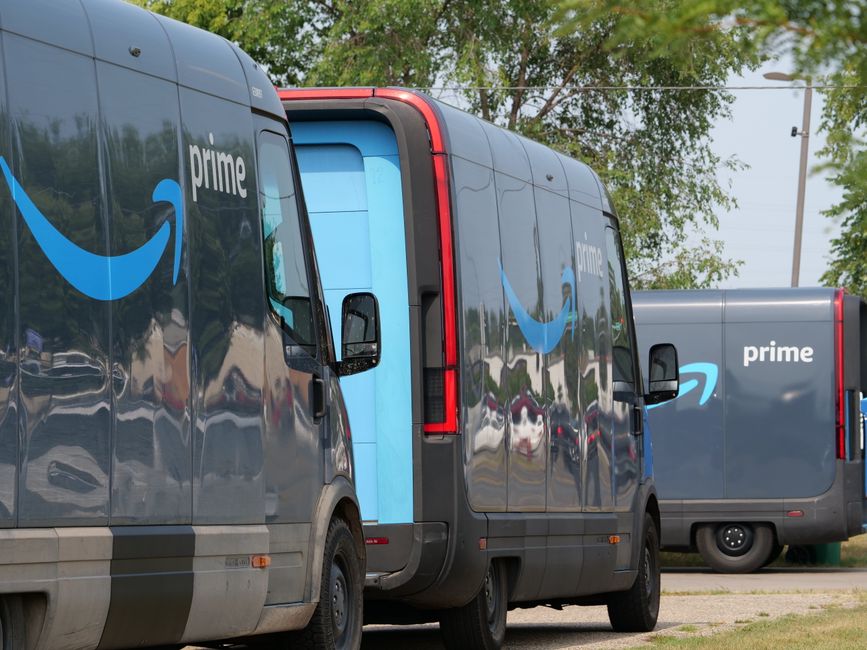
Compare the top electric cargo vans of 2026: Ford E-Transit, Mercedes eSprinter, and Rivian Commercial Van. Get detailed specs, pricing, and our expert recommendation for your business needs.
The landscape of commercial transportation is undergoing a rapid, electrifying transformation. As of October 2026, businesses across all sectors are increasingly evaluating electric cargo vans not just for their environmental credentials, but for their compelling operational cost savings and enhanced fleet efficiency. The shift away from traditional internal combustion engine vehicles is no longer a distant future; it’s a present-day imperative.
For companies engaged in last-mile delivery, field service, or urban logistics, selecting the right electric cargo van is a strategic decision that impacts everything from driver satisfaction to bottom-line profitability. With range anxiety diminishing and charging infrastructure expanding, the focus has shifted to payload, cargo volume, advanced telematics, and total cost of ownership. This comprehensive comparison dives into three of the most prominent contenders in the 2026 electric cargo van market: the Ford E-Transit, the Mercedes eSprinter, and the Rivian Commercial Van, providing the insights you need to make an informed choice.
| Feature | Ford E-Transit (2026) | Mercedes eSprinter (2026) | Rivian Commercial Van (2026) |
|---|---|---|---|
| Base Price (Estimated) | $56,500 | $71,000 | $82,000 |
| Usable Battery Capacity | 89 kWh | 113 kWh | 135 kWh |
| Estimated Range (EPA) | 165 miles | 225 miles | 190 miles |
| Max Payload (Estimated) | 4,000 lbs | 2,800 lbs | 3,200 lbs |
| Max Cargo Volume (Estimated) | 487 cu ft | 470 cu ft | 900 cu ft (EDV 900) |
| DC Fast Charging (15-80%) | ~38 minutes | ~32 minutes | ~45 minutes |
| Key Pros | Extensive dealer network, multiple configurations, competitive pricing, Pro Power Onboard. | Premium interior, strong safety features, superior range, robust build quality. | Purpose-built EV, massive cargo volume, advanced tech, excellent ergonomics, high sales volume. |
| Key Cons | Mid-tier range, interior less refined than rivals, less purpose-built EV feel. | Higher initial cost, slightly lower payload than E-Transit, fewer body options. | Highest initial cost, charging speed can be slower, limited configurations for general market. |
The 2026 Ford E-Transit continues to build on its legacy as a reliable and versatile workhorse, adapting seamlessly to electric propulsion. Ford has leveraged its immense commercial vehicle expertise, offering the E-Transit in a variety of configurations including cargo van, cutaway, and chassis cab variants to suit diverse business needs. For 2026, the E-Transit maintains its focus on fleet integration and low total cost of ownership, making it a highly attractive option for businesses already familiar with the Ford ecosystem.
Powering the 2026 E-Transit is an enhanced 89 kWh usable battery, delivering an EPA-estimated range of up to 165 miles on a single charge. While this might seem modest compared to some rivals, it remains perfectly adequate for the vast majority of urban and suburban delivery routes. Charging capabilities are robust, with DC fast charging allowing a 15-80% top-up in approximately 38 minutes, minimizing downtime during busy operational hours. The E-Transit’s electric motor provides a healthy 266 horsepower and 317 lb-ft of torque, ensuring capable performance even when fully loaded.
One of the E-Transit’s standout features is its impressive payload capacity, reaching up to 4,000 lbs in certain configurations. Its spacious cargo area, offering up to 487 cubic feet in the high-roof, extended-length model, ensures ample room for packages, tools, and equipment. Inside, the SYNC 4 infotainment system with a 12-inch touchscreen comes standard, offering intuitive control and connectivity. The Ford Pro ecosystem further enhances its appeal, providing integrated telematics, charging solutions, and service support that simplifies fleet management.
Priced competitively, with the base model starting around $56,500 before incentives, the 2026 E-Transit represents strong value. Its extensive dealer network and established service infrastructure provide peace of mind, making it a dependable choice for businesses looking for a straightforward, capable electric cargo van without venturing too far from conventional fleet management practices. The optional Pro Power Onboard system, offering up to 2.4 kW of exportable power, remains a valuable utility for job sites and mobile operations.
The 2026 Mercedes eSprinter elevates the electric cargo van experience with its premium design, advanced technology, and refined driving dynamics. Building on the second generation of its electric powertrain, the eSprinter addresses previous range limitations, positioning itself as a strong contender for businesses seeking a more sophisticated and longer-range electric solution. Mercedes-Benz has invested heavily in ensuring the eSprinter delivers both efficiency and the brand’s signature comfort and safety standards.
For 2026, the eSprinter is equipped with a significantly upgraded 113 kWh usable battery, providing an impressive EPA-estimated range of up to 225 miles. This extended range makes it suitable for a wider variety of routes, including those extending beyond typical urban centers. The electric motor delivers up to 201 horsepower and 295 lb-ft of torque, ensuring smooth acceleration and ample power for hauling. Its DC fast charging capability is among the best in class, replenishing the battery from 10-80% in approximately 32 minutes, optimizing operational efficiency.
The eSprinter maintains its reputation for robust build quality and a driver-centric cabin. The MBUX infotainment system with a large touchscreen is standard, offering seamless smartphone integration and voice control. Mercedes-Benz’s suite of advanced driver-assistance systems (ADAS) comes standard, enhancing safety with features like active brake assist, lane keeping assist, and blind-spot assist. While offering slightly fewer body configurations than the E-Transit, the high-roof, extended-length model provides up to 470 cubic feet of cargo space and an estimated payload capacity of around 2,800 lbs, ideal for demanding cargo tasks.
Starting at an estimated price of $71,000, the eSprinter commands a premium, reflecting its advanced technology, superior range, and luxurious interior appointments. This makes it particularly appealing to businesses that prioritize driver comfort, brand image, and cutting-edge safety features. Its meticulous engineering and comprehensive service support from Mercedes-Benz’s commercial network ensure a high level of reliability and resale value, making it a strategic investment for the long term.
The 2026 Rivian Commercial Van, specifically the EDV (Electric Delivery Van) series, has rapidly established itself as a disruptive force in the electric commercial vehicle market. Bolstered by its initial partnership with Amazon, the Rivian EDV has demonstrated unparalleled market penetration, notably outselling its rivals combined by 70% in the first half of 2026 according to recent industry reports. This success stems from its ground-up electric design, innovative features, and a clear focus on the needs of last-mile delivery operations.
Available in various sizes, the EDV 700 and EDV 900 are the most prominent models for 2026. The larger EDV 900 boasts an enormous cargo volume of up to 900 cubic feet, setting a new benchmark for capacity in its class. Power comes from a 135 kWh usable battery pack, providing an EPA-estimated range of approximately 190 miles, optimized for multi-stop routes. Its powerful electric motor delivers over 200 horsepower and substantial torque, ensuring quick acceleration and confident handling even with heavy loads. DC fast charging allows a 10-80% charge in about 45 minutes, a competitive but slightly slower rate than the eSprinter.
What truly sets the Rivian Commercial Van apart is its intelligent design and advanced technology. The interior is meticulously engineered for driver comfort and efficiency, featuring a large central touchscreen for infotainment and fleet management tools, and superior ergonomics. A comprehensive suite of safety features, including a 360-degree camera system and Rivian’s robust Driver+ ADAS package, comes standard, significantly enhancing operational safety. The unique low step-in height and walk-through cabin design further streamline driver ingress/egress and package handling, directly improving delivery efficiency.
With an estimated starting price of $82,000 for the EDV 700, the Rivian Commercial Van is the highest-priced entry in this comparison. However, its purpose-built EV architecture, massive cargo capacity, and integrated technology often justify the investment, particularly for large-scale delivery fleets seeking optimized performance and long-term operational savings. While initially exclusive, Rivian has steadily expanded its availability to a broader range of commercial customers, capitalizing on its strong market momentum and proven performance.
Choosing the best electric cargo van for your business in 2026 requires a careful evaluation of your specific operational needs, budget, and priorities. Each of these three excellent vehicles caters to slightly different market segments, offering distinct advantages.
If **cost-effectiveness and a familiar ecosystem** are your primary concerns, the **Ford E-Transit** is an outstanding choice. Its competitive pricing, extensive dealer network for service and support, and multiple body configurations make it incredibly versatile for diverse applications, from plumbing services to general freight. It’s an ideal fit for businesses with existing Ford fleets or those prioritizing a strong, reliable value proposition for urban routes.
For businesses that demand **premium quality, superior range, and advanced driver comfort and safety**, the **Mercedes eSprinter** stands out. Its enhanced battery and impressive range make it suitable for longer routes or operations where range anxiety must be completely eliminated. Companies looking to elevate their brand image and provide a top-tier experience for their drivers will find the eSprinter’s sophisticated features and luxurious interior highly appealing, despite its higher upfront cost.
Finally, for companies focused on **maximizing cargo volume, embracing cutting-edge EV technology, and optimizing last-mile delivery efficiency**, the **Rivian Commercial Van** is the undisputed leader. Its purpose-built design, massive cargo space, and driver-centric ergonomics directly address the pain points of high-volume delivery operations. While it comes with the highest price tag, its innovative features and proven market success make it a compelling choice for forward-thinking fleets aiming for maximum productivity and long-term operational gains.
Q1: What is the typical range of electric cargo vans in 2026?
A: As of 2026, the typical real-world range for most electric cargo vans designed for commercial use falls between 150 to 225 miles on a single charge. This range is generally sufficient for the vast majority of urban and suburban delivery routes, which average well under 100 miles per day.
Q2: Are electric cargo vans cheaper to operate than gasoline vans?
A: Yes, in most cases, electric cargo vans are significantly cheaper to operate over their lifespan. They benefit from lower fuel costs (electricity is cheaper per mile than gasoline), reduced scheduled maintenance (no oil changes, spark plugs, etc.), and often qualify for government incentives. However, their upfront purchase price is typically higher than comparable gasoline vans.
Q3: What kind of charging infrastructure do I need for an EV fleet?
A: For optimal fleet operation, a combination of Level 2 (240V) chargers for overnight charging at your depot and strategic deployment of DC fast chargers for rapid top-ups during the day is often recommended. A thorough assessment of your daily routes and available grid capacity is crucial for planning your charging infrastructure.
Q4: How long do electric van batteries typically last?
A: Modern electric vehicle batteries, including those in cargo vans, are designed for longevity. Manufacturers typically provide warranties covering 8 years or 100,000 miles for the battery pack, guaranteeing a certain percentage of its original capacity. In practice, many EV batteries are expected to last 10-15 years or beyond, maintaining sufficient capacity for vehicle operation.
As of October 2026, the electric cargo van market is robust, with compelling options for every business need. The Ford E-Transit, Mercedes eSprinter, and Rivian Commercial Van each present a strong case, but one stands out as the frontrunner for its groundbreaking design and market impact.
The Ford E-Transit continues to be the pragmatic champion, offering an unbeatable combination of value, configurability, and an established service network. It’s the ideal choice for businesses transitioning to EV fleets that prioritize affordability and widespread support. The Mercedes eSprinter, on the other hand, carves out its niche as the premium option, delivering superior range, luxurious comfort, and advanced safety features, perfect for companies seeking to elevate their brand and driver experience.
However, considering its purpose-built advantages, innovative driver experience, and undeniable market performance, the **Rivian Commercial Van** earns our top recommendation as the best electric cargo van of 2026. Its design from the ground up as an EV yields unmatched cargo volume, superior ergonomics, and integrated technology that directly translates into operational efficiencies for last-mile delivery. The recent news of Rivian’s electric van outselling its rivals by a significant margin underscores its effectiveness and growing acceptance in demanding commercial applications. For businesses looking to future-proof their operations with a cutting-edge, high-capacity, and driver-focused electric solution, the Rivian Commercial Van is the clear winner.
Prices and features mentioned are accurate as of the date of publication. Always check the official provider website for the most current pricing and availability.




