Physical Address
304 North Cardinal St.
Dorchester Center, MA 02124
Physical Address
304 North Cardinal St.
Dorchester Center, MA 02124

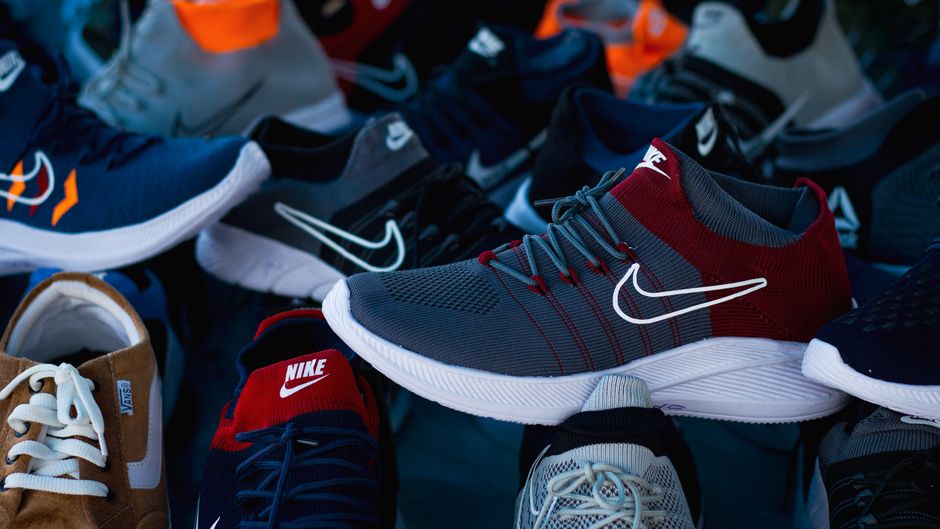
Compare 2026's top winter sneaker brands: On Running, Hoka, and Salomon. Discover waterproof tech, grip, cushioning, and pricing in our in-depth review.
Winter training and cold-weather commuting used to mean sacrificing athletic performance for bulky, heavy insulated boots. As of late 2026, the footwear market has completely evolved. Premium athletic brands now engineer winterized sneakers that combine advanced waterproof membranes, thermal lining, and aggressive rubber compounds with the lightweight responsive cushioning of top-tier running shoes.
Whether you are tackling slush-covered city sidewalks, frozen asphalt, or icy mountain trails, selecting the right winter sneaker is critical for maintaining traction, staying dry, and preventing joint fatigue. Three powerhouse brands lead the market in 2026: Swiss innovator On Running, maximum-cushion pioneer Hoka, and French mountain heritage legend Salomon.
While all three manufacturers offer weatherized lineups equipped with GORE-TEX and high-friction outsoles, their design philosophies, fit profiles, and ride dynamics cater to distinctly different runners and walkers. In this comprehensive 2026 guide, we break down On Running, Hoka, and Salomon across price, technical specifications, weatherproofing, and overall performance to help you decide which brand deserves a place in your winter rotation.
The table below provides an at-a-glance comparison of the headline winter sneaker models from each brand for the late 2026 winter season.
| Brand & Featured Model | Price (USD) | Waterproofing Tech | Outsole Rubber | Cushion Level | Weight (Men’s 10) | Best For |
|---|---|---|---|---|---|---|
| On Running Cloudsurfer Trail WP |
$180 | 100% Recycled Waterproof Membrane | Missiongrip™ Rubber | Moderate / Plush (Helion™) | 10.3 oz (292g) | Urban Commutes & Light Slush |
| Hoka Speedgoat 6 GTX |
$170 | GORE-TEX Invisible Fit | Vibram® Megagrip (5mm lugs) | Maximum (CMEVA) | 10.9 oz (310g) | Long-Distance Comfort & Hard Packed Snow |
| Salomon Speedcross 6 GTX |
$170 | GORE-TEX Waterproof Bootie | Mud Contagrip® (5mm chevrons) | Moderate / Firm (EnergyCell™+) | 11.6 oz (328g) | Deep Snow, Ice & Aggressive Trails |
On Running continues its aggressive expansion into all-weather performance footwear in 2026. Known for its distinct CloudTec® cushioning soles and minimalist Swiss design language, On has refined its winter offerings by integrating dense, windproof uppers alongside its proprietary 100% recycled waterproof membranes. Key models for winter 2026 include the Cloudsurfer Trail Waterproof ($180) and the rugged Cloudroamer Waterproof ($220).
Core Winter Technologies: On relies heavily on its Helion™ superfoam paired with CloudTec Phase® midsole geometry. This design delivers smooth, rolling heel-to-toe transitions even in sub-zero temperatures where traditional EVA foams stiffen up. Weather protection comes via a multi-layer membrane that prevents water penetration up to the gusseted tongue while maintaining solid breathability. Outsoles utilize Missiongrip™ rubber with multi-directional lug shapes to handle damp urban surfaces and packed paths.
Performance & Comfort: On sneakers are prized for their immediate step-in comfort and sleek aesthetic that transitions effortlessly from morning runs to workday commuting. The Cloudsurfer Trail Waterproof features an 8mm heel drop and weighs roughly 10.3 ounces, making it remarkably agile. However, while Missiongrip™ performs admirably on cold asphalt, wet timber, and light slush, it lacks the raw, aggressive biting depth required for steep, soft mud or unplowed packed snow.
Pros:
Cons:
Hoka remains the undisputed king of high-stack, plush shock absorption. For winter 2026, the brand has expanded its weatherized lineup, introducing updated GORE-TEX Invisible Fit builds across its most popular platforms. The flagship Speedgoat 6 GTX ($170) and road-to-trail Challenger 7 GTX ($160) are prime examples of Hoka’s commitment to high-mileage winter comfort.
Core Winter Technologies: Hoka integrates GORE-TEX Invisible Fit technology directly into the upper material. Unlike traditional floating booties, Invisible Fit bonds the waterproof membrane directly to the outer textile, eliminating pressure points, reducing weight, and preventing liquid absorption in the upper mesh. Underfoot, massive CMEVA foam midsoles provide up to 38mm of heel stack height, insulating the runner’s feet from frozen ground thermal drain.
Performance & Comfort: High-volume cushioning makes Hoka the preferred choice for runners recovering from joint fatigue or those tackling long distance runs on frozen asphalt. The Speedgoat 6 GTX features a Vibram® Megagrip outsole with Traction Lug technology—micro-features on the 5mm rubber lugs that increase surface area by 50%. With a low 4mm heel-to-toe drop, it promotes a natural midfoot strike. The wide footbed creates inherent stability, balancing out the high stack height on uneven icy ruts.
Pros:
Cons:
Originating in the French Alps, Salomon approaches winter sneaker design with a pure focus on harsh environmental protection and technical traction. In 2026, models like the iconic Speedcross 6 GORE-TEX ($170) and the high-cushion Genesis GTX ($180) dominate technical trail running and heavy snow environments.
Core Winter Technologies: Salomon’s winter supremacy rests on two main components: Mud Contagrip® rubber and the Sensifit™ upper structure. Contagrip utilizes specific rubber density compounds combined with deep, widely spaced chevron lugs designed to shed sticky snow and bite deep into frozen terrain. Weatherproofing is handled by full GORE-TEX bootie linings, reinforced with anti-debris mesh and ripstop textile uppers.
Performance & Comfort: The Speedcross 6 GTX is built like an all-terrain vehicle for your feet. Featuring a steep 10mm drop and aggressive 5mm lugs, it cuts through slush, ice-covered mud, and loose powder effortlessly. The brand’s signature Quicklace® system allows single-pull tightening that won’t absorb water or freeze into solid knots like traditional cotton/nylon laces. While the ride is firmer and narrower than Hoka or On, the precise foothold prevents any foot sliding inside the shoe when navigating frozen ruts.
Pros:
Cons:
Choosing between On Running, Hoka, and Salomon depends on your local winter climate, typical running terrain, and personal foot mechanics. Consider these key factors before making your purchase in 2026:
If your winter routines consist mainly of plowed city streets, rain-soaked pavement, and mild winter commutes, On Running offers the best balance of weather protection, sleek style, and light weight. If you deal with frozen hardpack roads and long urban miles where impact shock causes joint pain, Hoka is the superior pick. If you routinely encounter unplowed trails, deep slush, mud, or steep frozen incline, Salomon delivers unmatched bite and security.
All three brands offer high-end waterproofing, but implementation varies. Hoka’s use of GORE-TEX Invisible Fit offers the most seamless, flexible fit that feels like a standard road shoe. Salomon uses full GORE-TEX booties paired with heavy-duty ripstop, prioritizing total impermeability and durability over maximum breathability. On uses proprietary recycled membranes, which keep out light snow and water while offering top-notch breathability, though they may feel slightly less impervious under full submersion.
Footwear feel changes drastically in sub-zero conditions as foam hardens. Hoka uses high-volume EVA foam that maintains plush comfort even when cold. On utilizes Helion™ superfoam, designed specifically to resist temperature fluctuation, delivering a firm, responsive push-off. Salomon opts for a firmer, closer-to-the-ground feel with its EnergyCell™+ formulation, prioritizing agility and stability over soft cushioning.
Rubber chemistry matters enormously in winter. Vibram Megagrip (used on select Hoka models) and Mud Contagrip (Salomon) stay pliable in sub-freezing temperatures, allowing the rubber to mold slightly against ice patches for maximum friction. On’s Missiongrip™ uses flatter surface contact areas that work best on wet stone and asphalt rather than deep powder or slick mud.
Modern 2026 waterproof membranes, such as GORE-TEX Invisible Fit and On’s climate membranes, are vastly more breathable than legacy waterproof linings. However, because they trap body heat to prevent cold wind penetration, your feet will run warmer than in standard summer mesh shoes. They are ideal for temperatures below 45°F (7°C), but may cause excessive sweating in milder weather.
No non-studded rubber compound completely eliminates slipping on smooth, wet black ice. However, Salomon’s Mud Contagrip and Hoka’s Vibram Megagrip outsoles perform best due to softer cold-weather rubber compounds that stay pliable in extreme freeze. For severe continuous black ice, runners should consider adding aftermarket microspikes or choosing carbide-studded winter running shoes.
If you plan to wear thick, heavy Merino wool winter socks, it is generally recommended to size up by half a size. Hoka and On tend to fit standard true-to-size, so half a size up provides ample toe box room. Salomon features a narrower performance fit by default; wide-footed runners or those wearing heavy socks should strongly consider ordering half a size up or selecting Salomon’s designated ‘Wide’ fits.
Winter sneakers typically last between 350 to 500 miles, similar to standard performance running shoes. However, if you wear aggressive winter trail shoes like the Salomon Speedcross 6 on dry, un-snowed asphalt roads, the deep rubber chevrons will wear down significantly faster due to friction against rough concrete.
Each of these three market leaders excels in specific winter conditions, making the final choice a matter of matching your shoe to your environment:
Prices and features mentioned are accurate as of the date of publication. Always check the official provider website for the most current pricing and availability.




