Physical Address
304 North Cardinal St.
Dorchester Center, MA 02124
Physical Address
304 North Cardinal St.
Dorchester Center, MA 02124

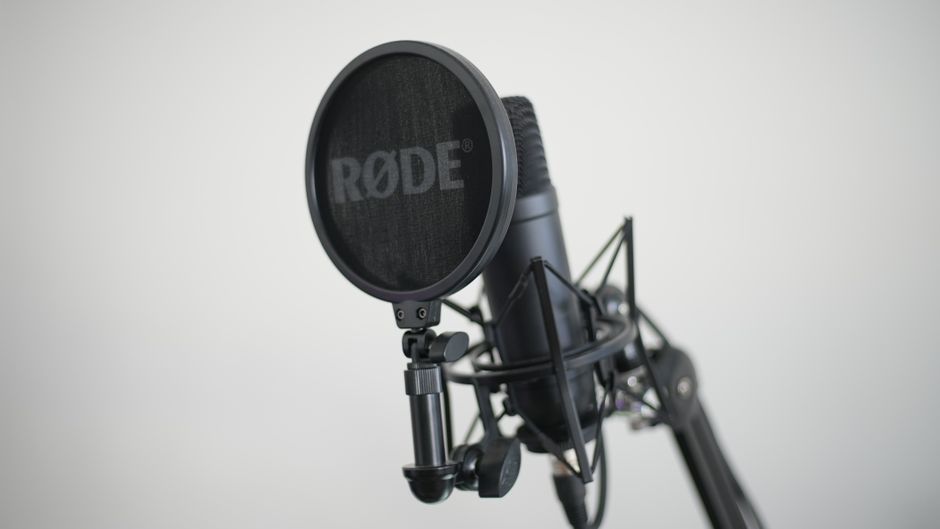
Compare the best XLR gaming microphones of 2026. In-depth review of Shure, Rode, and Elgato hardware, specs, and pricing for streamers.
Stepping up your audio game from a standard USB microphone to an XLR setup is one of the most impactful upgrades you can make for streaming, podcasting, and competitive gaming. In 2026, the audio landscape has evolved drastically, offering studio-grade sound quality paired with software ecosystems that make professional audio accessible to everyone. Gone are the days when setting up an XLR chain required massive audio interfaces, complex routing matrices, and an engineering degree.
Today, content creators are spoiled for choice with high-end, dedicated XLR solutions designed specifically for creators. Three powerhouse brands dominate the gaming and streaming audio space: Shure, Rode, and Elgato. Each brand brings a unique philosophy to the table, whether it is Shure’s legendary broadcast-standard durability, Rode’s unmatched audio processing innovation, or Elgato’s genius integration with software mixing suites like Wave Link. Choosing the right XLR setup depends heavily on your budget, desk space, and how much you want to rely on hardware versus software.
This comprehensive comparison will break down the top contenders from Shure, Rode, and Elgato as of September 2026. We will look at current pricing, technical specifications, standout features, and how these microphones handle real-world gaming environments, keyboard clatter, and voice isolation. By the end of this guide, you will know exactly which XLR microphone ecosystem fits your broadcast style and budget.
Here is a quick look at how the leading XLR gaming microphones and interfaces compare across price points, polar patterns, and key features:
| Brand & Model | Type | Polar Pattern | Price (USD) | Standout Feature |
|---|---|---|---|---|
| Shure SM7dB | Dynamic XLR | Cardioid | $499 | Built-in active preamp with +28dB clean gain |
| Rode PodMic USB | Dynamic Hybrid (XLR/USB) | Cardioid | $199 | Revolution Preamp built-in, DSP processing |
| Elgato Wave XLR MK.2 | Audio Interface + Mic Ecosystem | N/A (Interface) | $179 | Clipguard technology, capacitive mute, Wave Link software |
| Shure MV7+ | Dynamic Hybrid (XLR/USB) | Cardioid | $279 | Customizable LED touch panel, auto-level mode |
To truly understand which setup is right for your stream or gaming session, we must examine each product’s specifications, build quality, and real-world performance. Let us dive deep into the current offerings from Shure, Rode, and Elgato.
Shure remains the gold standard for broadcast audio, and their 2026 lineup continues to dominate professional streams. The Shure SM7dB takes the legendary acoustic design of the classic SM7B and adds a revolutionary built-in active preamp, co-developed with FetHead. Priced at $499, it eliminates the need for an external cloudlifter or booster, delivering up to +28dB of clean, transparent gain directly from your audio interface or mixer’s 48V phantom power. This makes it significantly easier for gamers to drive the mic without introducing noise floor hiss.
For creators looking for a more versatile, hybrid solution, the Shure MV7+ ($279) offers both USB-C and XLR connectivity. The MV7+ features a stunning customizable LED touch panel that acts as a live meter or aesthetic accent. Shure’s updated MOTIV Mix desktop software provides advanced DSP features, including a digital pop filter, real-time denoiser, and auto-level mode that automatically adjusts your voice volume in real-time. Whether you choose the flagship SM7dB or the flexible MV7+, Shure microphones excel at rejecting background keyboard noise and room echo, making them ideal for untreated gaming rooms.
Rode has aggressively targeted the gaming and streaming market with innovations that bridge the gap between traditional XLR workflows and modern USB convenience. The Rode PodMic USB ($199) is a masterclass in value, offering a broadcast-quality dynamic capsule equipped with both standard XLR outputs and a digital USB-C connection featuring Rode’s ultra-low-noise Revolution Preamp.
When operating in XLR mode, the PodMic delivers a warm, rich low-end and crisp highs that rival microphones twice its price. Furthermore, Rode’s integration with the Rodecaster ecosystem allows users to apply studio-grade APHEX processing—including compression, aural exciter, and big bottom enhancement—directly to the hardware chain. The build quality is rugged all-metal construction designed to withstand the rigors of daily streaming, competitive rage-gaming, and travel.
While Elgato is renowned for its stream decks and capture cards, their audio ecosystem has become an industry favorite. The Elgato Wave XLR MK.2, launched recently with refined features, is an ultra-compact USB audio interface designed to connect any traditional XLR microphone to your PC. Priced at $179, the MK.2 brings proprietary hardware and software integration that changes the game for live streamers.
One of the standout features of the Wave ecosystem is that Elgato now makes its advanced mic and output mixing software available for free use with any hardware device, a massive win for the creator community. The interface itself features Elgato’s patented Clipguard technology, which automatically redistributes audio peaks into a lower-volume channel if you scream or raise your voice suddenly, preventing digital clipping entirely. Combined with capacitive touch mute buttons and seamless Wave Link software control, Elgato provides the absolute best digital routing experience for managing Discord, game audio, music, and microphone channels independently.
Selecting the best XLR gaming microphone setup requires balancing your budget, technical expertise, and desktop ergonomics. Here is a step-by-step guide to making the right choice.
First, consider your budget for the complete audio chain. An XLR microphone requires either an audio interface (like the Elgato Wave XLR MK.2 or Focusrite Scarlett) or a mixer, plus cables and a boom arm. If you want an all-in-one package, hybrid microphones like the Shure MV7+ or Rode PodMic USB give you the flexibility to start via USB-C and upgrade to a dedicated XLR audio interface later.
Second, evaluate your room acoustics. Dynamic microphones, such as the Shure SM7dB and Rode PodMic, are naturally less sensitive to background noise than condenser microphones, making them superior for typical gaming rooms with mechanical keyboards and PC fan noise. However, they require you to keep the microphone close to your mouth (about 2 to 4 inches) for optimal tonal warmth.
Third, think about software control. If you love fine-tuning your stream audio, managing multiple virtual audio channels, and applying real-time VST plugins, Elgato’s software ecosystem is unmatched. If you prefer a pure hardware sound that requires zero software bloatware to sound incredible, a Shure dynamic mic paired with a clean preamp is the way to go.
Yes, traditional XLR microphones output an analog signal that cannot plug directly into a computer’s USB port. You will need an audio interface (like the Elgato Wave XLR) or a mixer to convert the analog signal to digital. However, hybrid microphones like the Rode PodMic USB feature both XLR and USB-C ports, giving you the best of both worlds.
What is the advantage of an XLR microphone over a USB microphone?
XLR microphones offer superior upgradeability, professional-grade components, and longer cable runs without signal degradation. If a component breaks, you only replace that specific piece (cable, interface, or mic), whereas a broken USB mic requires replacing the entire unit. XLR setups also provide cleaner preamps and advanced hardware routing.
Does Elgato’s audio software work with non-Elgato hardware?
Yes. Elgato has expanded its software ecosystem to allow creators to use its powerful mic and output mixing software with various audio devices and setups, making it one of the most flexible digital mixing platforms available for live streamers in 2026.
How do I stop my mechanical keyboard from showing up on stream?
Choosing a dynamic XLR microphone (like the Shure SM7dB or Rode PodMic) significantly reduces background noise compared to condenser mics. Additionally, placing the microphone close to your mouth, pointing it away from your keyboard, and utilizing software noise suppression (such as Elgato’s digital denoiser or NVIDIA Broadcast) will eliminate keyboard clatter entirely.
Choosing the best XLR gaming microphone setup in 2026 ultimately depends on your workflow priorities, but clear category winners have emerged. For uncompromising broadcast quality and the absolute warmest vocal presence, the Shure SM7dB remains the premier choice for professional content creators who want zero hassle with external gain boosters.
If you are looking for exceptional value and incredible hybrid versatility, the Rode PodMic USB delivers studio-grade sound and dual connectivity at a highly competitive price point of $199. However, for the ultimate modern streaming setup, our top recommendation goes to pairing your favorite XLR microphone with the Elgato Wave XLR MK.2 and its industry-leading software ecosystem. With features like Clipguard protection and intuitive multi-channel routing, Elgato provides the smoothest, most foolproof audio control center for gaming and live broadcasting today.
Prices and features mentioned are accurate as of the date of publication. Always check the official provider website for the most current pricing and availability.