Physical Address
304 North Cardinal St.
Dorchester Center, MA 02124
Physical Address
304 North Cardinal St.
Dorchester Center, MA 02124

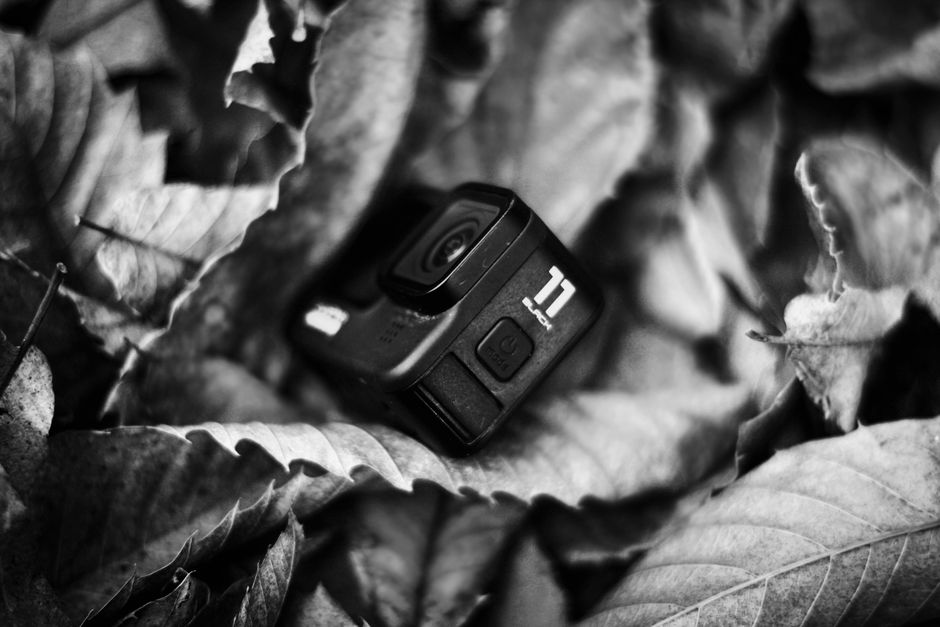
Compare 2026 flagship action cameras: GoPro Mission 1 Pro vs DJI Osmo Action 6. Discover prices, 8K specs, variable aperture, and our final verdict.
For more than a decade, the action camera market followed a predictable, highly choreographed rhythm. GoPro would release its annual HERO iteration with incremental improvements, and competitors like DJI would scramble to match or slightly edge out those specs. However, 2026 has completely shattered this cycle. The traditional boundaries of what an action camera can be have dissolved, leaving us with two radically different design philosophies fighting for dominance.
In one corner stands the GoPro Mission 1 Pro, a monumental pivot for the brand. Unveiled at the NAB Show in April 2026, the Mission series represents a deliberate step away from the rugged sportbox archetype of the HERO line and toward a modular, high-end compact cinema format. Retailing at a premium price of $699, it is designed for filmmakers and creators who demand absolute cinematic quality. GoPro has equipped this device with a massive 1-inch 50MP sensor, an advanced GP3 processor, and 8K Open Gate recording capabilities.
In the other corner is the DJI Osmo Action 6, priced at a highly competitive $436 for the Standard Combo. DJI has chosen not to chase raw 8K resolution but instead to solve real-world shooting pain points. The Osmo Action 6 introduces the world’s first variable aperture in an action camera (f/2.0 to f/4.0) alongside an innovative 1/1.1-inch square sensor. It is a run-and-gun powerhouse designed to make vlogging, vertical social media content, and audio integration completely effortless.
This is no longer a battle over minor frame-rate bumps. This is a fundamental clash between GoPro’s high-resolution cinematic vision and DJI’s user-centric, versatile workflow. In this comprehensive comparison, we will break down the real-world performance, design changes, and unique capabilities of both flagships to help you decide which deserves a spot in your gear bag in 2026.
To give you an immediate view of how these two heavyweights match up, here is a detailed breakdown of their key technical specifications, pricing, and standout features side by side.
| Specification | GoPro Mission 1 Pro | DJI Osmo Action 6 |
|---|---|---|
| Launch Price | $699 | $436 (Standard Combo) |
| Image Sensor | 1-inch CMOS (50MP) | 1/1.1-inch Square CMOS (38MP) |
| Lens / Aperture | f/2.0 (Fixed), Ultra-Wide | Variable f/2.0 to f/4.0, 155° FOV |
| Max Video Resolution | 8K Open Gate (7680×4320 @ 30fps) | 4K @ 120fps (8K still photos) |
| Slow Motion | Up to 4K240, 1080p960 | Up to 4K120, 1080p240 |
| Internal Storage | None (MicroSD Card only) | 50GB Built-in Storage + MicroSD |
| Waterproofing | 20m (66 feet) without housing | IP68, 20m (65.6 feet) without housing |
| Battery Life | Up to 5 hours (Enduro 2 battery) | Up to 4 hours (Extreme Battery Plus) |
| Dual Touchscreens | No (Single Rear Touchscreen) | Yes (1.46-inch Front, 2.5-inch Rear OLED) |
| Best For | High-end cinema, cropping, maximum detail | Run-and-gun vlogging, multi-aspect content |
To fully grasp what makes each of these cameras tick, we must look beyond the spec sheets. Both GoPro and DJI have fully updated their core hardware for 2026, delivering unique features that fundamentally alter how we shoot, edit, and share video content. Let us examine each flagship in depth.
For several years, tech reviewers and enthusiasts accused GoPro of relying on minor, incremental updates. The GoPro Mission 1 Pro is the company’s loud, proud response. Abandoning the old nomenclature, the Mission series represents a pro-level leap. The hardware changes are immediately apparent: the Mission 1 Pro features a premium, robust build that houses a massive 1-inch 50MP sensor with a 3.2-micron pixel pitch—a specification previously reserved for dedicated compact cameras.
The core of this cinematic beast is the next-generation GP3 processor. This chip entirely neutralizes the thermal bottlenecks and overheating issues that plagued older HERO models. Thanks to a much-improved thermal architecture and highly efficient processing, the Mission 1 Pro can record continuously in 8K Open Gate (7680×4320 @ 30fps) without shutting down. Open Gate recording captures the sensor’s entire 8:7 aspect ratio, allowing creators to crop their footage into 16:9 widescreen, 9:16 vertical, or 4:3 square in post-production with virtually zero loss in quality.
Low-light performance is another area where GoPro has leaped ahead. By leveraging its massive sensor to perform 12MP pixel binning, the camera delivers clean, low-noise footage in dimly lit environments. Furthermore, it pushes frame-rate limits to a staggering 960fps at 1080p and 240fps at 4K, giving slow-motion enthusiasts unprecedented creative freedom.
The battery technology has also received a massive upgrade. Using the new Enduro 2 battery, the Mission 1 Pro boasts up to 5 hours of runtime on a single charge. Crucially, the camera remains backward-compatible with HERO13 Black Enduro batteries. At $699, it is a significant investment, but for those seeking raw image quality and professional cinematic control, it represents the absolute gold standard of 2026.
While GoPro went all-in on cinematic resolution, DJI aimed directly at usability and workflow efficiency. The DJI Osmo Action 6 is a masterclass in practical design. Retailing at $436, it undercuts the GoPro by more than $260, offering top-tier technology for a significantly lower price. It may not record in 8K, but its 4K UHD video (up to 120fps) is incredibly sharp, backed by a class-leading 13.5 stops of dynamic range.
The crown jewel of the Osmo Action 6 is its industry-first variable aperture lens (f/2.0 to f/4.0). Historically, action cameras used a fixed aperture, forcing creators to swap physical ND filters in changing lighting conditions. The Osmo Action 6 changes this; when you transition from dark woods to a bright trail, the physical aperture adjusts dynamically to maintain natural motion blur and optimal exposure. At f/2.0, you can even achieve a natural depth of field that separates your subject from the background.
DJI has also integrated a unique 1/1.1-inch square CMOS sensor. Because it is nearly square, you can film in custom high-resolution square modes and output to horizontal or vertical platforms without physically rotating the camera. The dual-OLED touchscreen design features a 1.46-inch front display and a 2.5-inch rear display pushing up to 800-1000 nits of peak brightness, making outdoor framing incredibly easy.
DJI addresses logistical headaches beautifully with 50GB of built-in internal storage—a lifesaver if your microSD card fails or is forgotten. Furthermore, its audio integration is unparalleled. Utilizing DJI’s OsmoAudio ecosystem, the Action 6 connects directly to up to two DJI Mic transmitters wirelessly, eliminating bulky physical receivers. US buyers should note that due to regulatory hurdles in 2026, many units sold online are grey-market imports, so purchasing from authorized vendors with solid return policies is highly recommended.
Choosing between these flagships comes down to identifying your primary shooting style, your workflow priorities, and your budget.
Q1: Is the GoPro Mission 1 Pro worth the extra $263 compared to the DJI Osmo Action 6?
A1: Yes, but only if you need professional cinematic features. The extra cash buys you a true 1-inch sensor, 8K Open Gate recording, superior slow-motion frame rates, and the next-generation GP3 processor. If you are an editor or commercial filmmaker, the editing flexibility justifies the cost. For casual creators and vloggers, the DJI Osmo Action 6 offers a far better value-to-performance ratio.
Q2: Can I use the DJI Osmo Action 6 without a MicroSD card?
A2: Yes! The DJI Osmo Action 6 features 50GB of built-in high-speed internal storage. Depending on your video settings, this is enough to record between 1.5 to 2 hours of sharp 4K footage. While you will eventually want a MicroSD card (expandable up to 1TB) for longer trips, the internal storage is a fantastic safety net.
Q3: How do these cameras compare in low-light performance?
A3: The GoPro Mission 1 Pro uses its massive 1-inch sensor to perform 12MP pixel binning, delivering clean, noise-free images in low-light conditions with impressive dynamic range. However, the DJI Osmo Action 6 punches above its weight class with a highly efficient SuperNight mode and its physical variable aperture that opens up to a bright f/2.0. Both cameras perform incredibly well, but the GoPro maintains slightly better raw detail in deep shadows.
Q4: Why are there warranty warnings for the DJI Osmo Action 6 in the United States?
A4: In 2026, DJI has faced complex regulatory, customs, and tariff hurdles in the US market. While major retailers stock the Osmo Action 6, many units circulating online are grey-market imports. DJI’s US support team may refuse to service these units under warranty. If you purchase the Action 6 in the US, buy from authorized vendors and consider third-party protection plans.
Both the GoPro Mission 1 Pro and the DJI Osmo Action 6 represent the absolute pinnacle of action camera engineering in 2026. However, they are targeted at entirely different audiences. If we must crown a single, definitive winner for the title of ‘Best Flagship Action Camera,’ the award goes to the DJI Osmo Action 6.
The DJI Osmo Action 6 wins because of its brilliant balance of innovation, practicality, and cost. DJI chose to solve the actual day-to-day problems that plague creators: changing light (solved by the variable aperture), forgotten memory cards (solved by 50GB of internal storage), clunky audio gear (solved by receiverless Mic pairing), and multi-aspect editing (solved by the square sensor). Delivering all of this for $436 makes it the smartest buy of the year.
That said, the GoPro Mission 1 Pro is an absolute powerhouse. If you are a professional cinematographer, an action sports athlete demanding 960fps slow-motion, or someone who simply refuses to compromise on 8K resolution and 1-inch sensor depth, the Mission 1 Pro is a cinematic tool that has no equal. It is the best action camera money can buy—provided you are willing to spend the premium.
Prices and features mentioned are accurate as of the date of publication. Always check the official provider website for the most current pricing and availability.




