Physical Address
304 North Cardinal St.
Dorchester Center, MA 02124
Physical Address
304 North Cardinal St.
Dorchester Center, MA 02124

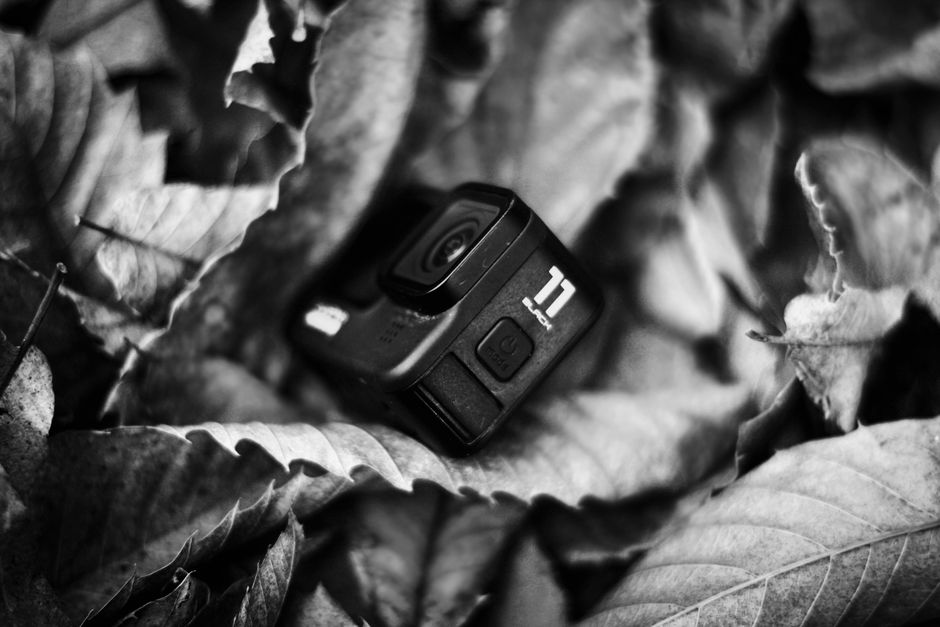
Our in-depth comparison of the GoPro Mission 1 Pro vs DJI Osmo Action 6. Find out which 2026 action camera wins on sensor size, 8K video, and overall value.
In 2026, the action camera landscape has shifted dramatically from rugged novelty items to full-fledged pocket cinema cameras. No longer just for capturing muddy bike trails, these devices now serve as primary tools for vloggers, commercial videographers, and social media professionals. The race for dominance has culminated in two distinct philosophies: raw resolution and computational power versus optical innovation and creator-focused versatility. Representing the former is GoPro’s monumental release, the GoPro Mission 1 Pro. Shifting away from its traditional ‘HERO’ brand, GoPro designed the Mission 1 Pro as an uncompromised image-quality powerhouse built around a massive 1-inch sensor and the next-generation GP3 processor.
On the other side of the ring is DJI with the Osmo Action 6. Standing strong as DJI’s flagship throughout 2026, the Osmo Action 6 disrupts the industry with mechanical and optical ingenuity. Instead of chasing extreme resolution specs alone, DJI introduced a world-first variable physical aperture and a native square image sensor. This design allows creators to shoot once and crop for any platform without sacrificing quality. For anyone trying to capture high-stakes adventures or build a digital brand in 2026, choosing between these two giants requires looking past simple marketing hype. This deep-dive comparison will analyze their real-world capabilities, technical specifications, and overall value to determine the best action camera of the year.
Before analyzing each camera in-depth, here is an at-a-glance comparison of their technical specifications and real-world advantages in 2026.
| Feature | GoPro Mission 1 Pro | DJI Osmo Action 6 |
|---|---|---|
| Sensor Size | 1-inch (1.0-type) CMOS | 1/1.1-inch Square CMOS |
| Max Resolution & Frame Rate | 8K at 60fps / 8K Open Gate (4:3) at 30fps | 8K at 30fps / 4K Custom (1:1) at 60fps |
| Max Slow-Motion | 4K at 240fps / 1080p at 960fps | 4K at 120fps / 1080p at 240fps |
| Lens & Aperture | Fixed f/2.8 lens with removable hood | Variable f/2.0 to f/4.0 physical aperture |
| Onboard Storage | None (microSD card only) | 50GB High-Speed Built-In Storage |
| Battery Life | Up to 3 hours (4K30); 74 mins (8K60 with airflow) | Up to 4 hours (1080p); highly cold-resistant |
| Waterproofing | 20 meters (66 feet) without case | 20 meters (65.6 feet) without case |
| Weight | 207 grams (214g with lens hood) | 150 grams |
| MSRP / Standard Price | $699.99 (currently around $599.99) | $439.00 Standard Combo |
The GoPro Mission 1 Pro represents a critical pivot point for the action camera pioneer, launching in late May 2026 with a premium $699.99 price tag (frequently found discounted to $599.99 during summer promotions). Abandoning the classic HERO nomenclature, GoPro built this camera to appeal directly to cinematic purists. The camera is built around a massive 1-inch (1.0-type) 50-megapixel sensor. This is a dramatic step up in physical surface area compared to previous-generation action cameras. When paired with GoPro’s state-of-the-art GP3 system-on-chip, the camera delivers an unprecedented amount of detail and processing speed.
The primary advantage of the Mission 1 Pro lies in its raw recording capabilities. It is the only mainstream action camera capable of recording 8K video at up to 60fps in a standard 16:9 aspect ratio, alongside an incredibly versatile 8K Open Gate (4:3) mode at up to 30fps. For professional videographers, this means you can capture highly detailed landscape shots and have immense freedom to crop, stabilize, and reframe in post-production. Furthermore, sports videographers will find its high-speed slow-motion modes class-leading: the camera captures native 4K at 240fps and 1080p at up to 960fps, turning rapid, high-impact movements into cinematic, buttery-smooth slow-motion sequences.
GoPro has also addressed historical weaknesses in low-light performance. The GP3 chip utilizes dual AI engines to run advanced, hardware-level denoising algorithms. Combined with the 1-inch sensor’s larger individual pixels, the Mission 1 Pro captures clean, vibrant footage at dusk or in dark forests where older models failed. The introduction of GP-Log2 and HLG HDR color profiles offers a rich 10-bit palette with excellent dynamic range, satisfying professional colorists. To power these demanding features, GoPro introduced its new Enduro 2 battery system, offering over three hours of continuous 4K30 recording and finally adding fast-charging support. However, this extra capability results in a heavier footprint, with the camera weighing in at 207 grams and running noticeably hot in 8K mode without active airflow.
While GoPro went all-in on raw resolution, DJI targeted real-world workflow efficiency, launching the Osmo Action 6 at a highly competitive $439.00 Standard Combo price. Holding strong as a market favorite, the Osmo Action 6 focuses on optical innovations that directly solve the daily headaches of modern content creators. It achieves this with two revolutionary physical designs: a variable physical aperture and a native square image sensor.
The Osmo Action 6 features an all-new 1/1.1-inch square CMOS sensor that captures images at a 38-megapixel resolution with massive 2.4μm pixels. By utilizing a square format, DJI introduced a custom 4K mode that records in a perfect 1:1 aspect ratio (3840×3840 pixels) at up to 60fps. This is a massive boon for multi-platform creators. Instead of having to choose between shooting a horizontal vlog for YouTube or mounting the camera vertically for TikTok, you can record a single square file and extract both a native 4K 16:9 clip and a 9:16 vertical video in post-production without any loss of quality. The optical excellence continues with its variable aperture, which can mechanically adjust from f/2.0 to f/4.0. In bright daylight, closing the aperture to f/4.0 lets creators maintain a cinematic shutter speed without needing ND filters, while opening it up to f/2.0 in ‘SuperNight’ mode pulls in massive amounts of light for clear, noise-free low-light performance.
DJI has also mastered the convenience factor. The Osmo Action 6 is equipped with 50GB of high-speed built-in storage, a lifesaver for times you forget to pack a microSD card. It weighs a nimble 150 grams, making it comfortable to wear on chest mounts or helmets during high-speed action sports. Its 1,950mAh Extreme Plus battery delivers up to four hours of runtime and remains highly reliable in extreme temperatures down to -20°C. While it initially launched with a focus on 4K, DJI quickly rolled out a post-release firmware update that unlocked 8K recording at up to 30fps. Combined with its rock-solid RockSteady 4.0 stabilization and native dual-mic wireless integration (OsmoAudio), the Osmo Action 6 is an exceptionally polished and practical everyday tool.
Choosing the best action camera in 2026 depends on your specific creative requirements, budget, and where you intend to mount the device.
1. Image Quality and Post-Production Crop: If you are a professional filmmaker who demands ultimate image quality, the GoPro Mission 1 Pro is the superior choice. Its native 8K/60fps and 8K Open Gate modes provide unparalleled sharpness and room to reframe shots. Furthermore, if your style involves dramatic slow-motion, GoPro’s ability to record 4K at 240fps and 1080p at 960fps is a massive technical advantage that DJI cannot match. However, if your focus is quick, multi-platform publishing, DJI’s square 1:1 sensor and custom 4K mode offer a seamless, single-file workflow for both vertical and horizontal platforms.
2. Optical Control vs AI Denoising: For daytime shooters who hate carrying physical ND filters, the DJI Osmo Action 6 is revolutionary. Its variable physical aperture (f/2.0 to f/4.0) behaves like a traditional camera lens, giving you manual or automatic control over exposure and motion blur. GoPro relies on fixed f/2.8 optics, meaning you still need to use physical ND filter packs in bright conditions. However, in extreme low-light situations, GoPro’s GP3 processor uses superior AI denoising engines to recover cleaner shadows than the DJI, making it highly effective for dusk or evening urban shoots.
3. Physical Weight and Mount Stability: Weight is often overlooked until you are wearing a camera on your head for three hours. The DJI Osmo Action 6 is a featherweight 150 grams, meaning it stays stable and comfortable on helmets, chest straps, or lightweight FPV drones. The GoPro Mission 1 Pro is a hefty 207 grams. This added weight can cause minor mount sagging or camera shake during intense, high-vibration sports like downhill mountain biking, and requires sturdier mounts.
4. Ecosystem and Everyday Convenience: If you value plug-and-play simplicity, the Osmo Action 6 wins. Its 50GB of built-in storage, magnetic quick-release mounting system, and native dual-transmitter wireless mic support make it incredibly fast to deploy. GoPro, while offering excellent professional tools like GP-Log2, remains a more complex system that relies entirely on high-speed external cards and has a steeper learning curve for its menu systems.
Q1: Does the GoPro Mission 1 Pro overheat in 8K mode?
A1: Because the GP3 chip and 1-inch sensor require substantial power, the Mission 1 Pro can run hot. In static environments with no airflow, it will typically overheat and shut down after 35–37 minutes of continuous 8K recording. However, during active sports (like cycling or skiing) where there is constant airflow, its thermal management keeps it running for up to 74 minutes in 8K/60fps.
Q2: Is the DJI Osmo Action 6 waterproof without a case?
A2: Yes, the DJI Osmo Action 6 is highly rugged and waterproof up to 20 meters (65.6 feet) directly out of the box without requiring any external dive housing. This matches the 20-meter rating of the GoPro Mission 1 Pro base and Pro models.
Q3: Can I use older GoPro HERO lenses on the Mission 1 Pro?
A3: No. Because of the larger 1-inch sensor and redesigned lens chassis, older GoPro HERO 13 lenses and lens mods are not compatible with the Mission 1 Pro. GoPro has launched a dedicated series of Mission 1 lens accessories and ND filters to fit the new wider physical lens housing.
Q4: Why does the DJI Osmo Action 6 use a square sensor?
A4: The square 1/1.1-inch sensor allows creators to film in a perfect 1:1 aspect ratio. This captures the maximum vertical and horizontal visual data. During editing, you can crop the exact same video file into a 16:9 widescreen format or a 9:16 vertical format at native 4K, eliminating the need to record separate takes for different social media networks.
Both the GoPro Mission 1 Pro and the DJI Osmo Action 6 represent monumental technical achievements in 2026, but they serve two distinct categories of users.
The GoPro Mission 1 Pro is the undisputed champion of raw cinematic performance and high-speed action capture. If you are a commercial filmmaker, a professional athlete, or a creator who demands the absolute sharpest 8K footage and the highest slow-motion frame rates (4K/240fps), the Mission 1 Pro’s GP3 processor and 1-inch sensor make it the ultimate choice, despite its higher price tag and heavier physical build.
However, for the vast majority of creators, sports enthusiasts, and daily vloggers, the DJI Osmo Action 6 is the overall winner. By pairing a world-first variable aperture with a highly innovative square sensor, DJI has created a camera that directly simplifies your workflow. Combined with 50GB of built-in storage, a lightweight 150-gram chassis, superior battery efficiency, and a far more appealing $439 price tag, the Osmo Action 6 stands as the most versatile, practical, and creator-friendly action camera of 2026.
Prices and features mentioned are accurate as of the date of publication. Always check the official provider website for the most current pricing and availability.