Physical Address
304 North Cardinal St.
Dorchester Center, MA 02124
Physical Address
304 North Cardinal St.
Dorchester Center, MA 02124

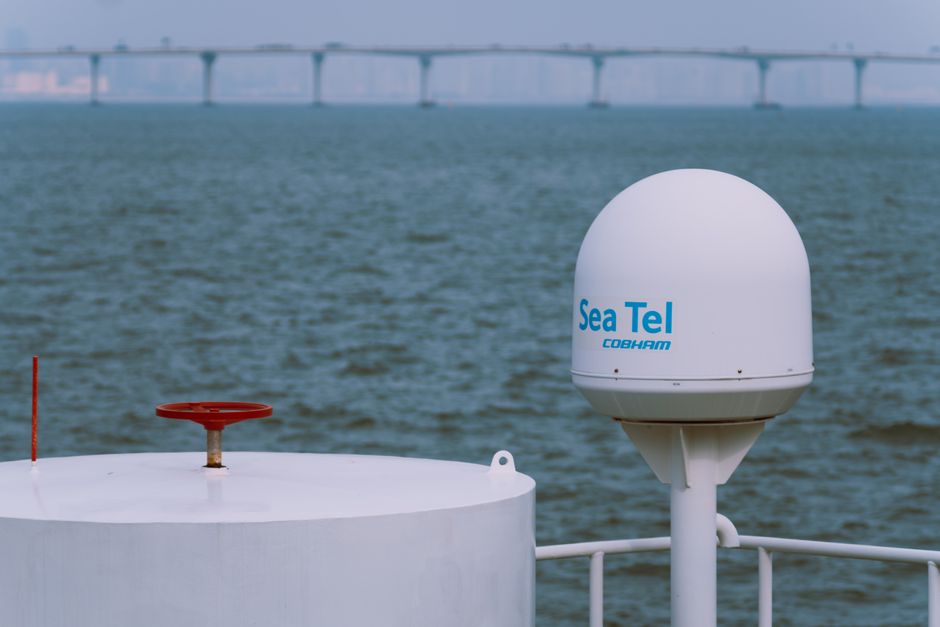
Compare Starlink Maritime, OneWeb, and Iridium Certus for marine satellite communication in 2026. Find the best satcom provider for your vessel.
In 2026, staying connected at sea is no longer a luxury; it’s a necessity. For commercial vessels, recreational boaters, and offshore operations, reliable satellite communication is crucial for safety, operational efficiency, and crew welfare. The marine satcom landscape has undergone a dramatic transformation in recent years, driven by the emergence of new LEO (Low Earth Orbit) constellations alongside established GEO (Geostationary Orbit) and MEO (Medium Earth Orbit) services. This article dives deep into the leading contenders for the title of ‘Best Marine Satcom Provider 2026’: SpaceX’s Starlink Maritime, OneWeb, and the latest iteration of Iridium Certus. We’ll explore their capabilities, performance, pricing, and suitability for various maritime needs, helping you navigate the complex choices and select the provider that best fits your operational demands.
The stakes are high. Whether it’s for real-time navigation updates, seamless communication with shore-based operations, crew morale through internet access, or critical safety alerts, a robust satcom solution is paramount. Understanding the nuances between Starlink’s high-speed, low-latency offering, OneWeb’s enterprise-focused global coverage, and Iridium Certus’s unique all-weather reliability is key to making an informed decision. This comparison aims to provide clarity in a rapidly evolving market, ensuring you have the most up-to-date information to secure your vessel’s connectivity for years to come.
| Provider | Starlink Maritime | OneWeb | Iridium Certus |
|---|---|---|---|
| Constellation Type | LEO | LEO | LEO |
| Primary Strengths | High speeds, low latency, competitive pricing for data | Global coverage, high throughput, enterprise focus | True global coverage (including poles), weather resilience, voice quality |
| Typical Speeds (Down/Up) | Up to 500 Mbps / 20 Mbps (may vary by plan/location) | Up to 195 Mbps / 32 Mbps (typical) | Up to 704 Kbps (Certus 700), lower speeds for Certus 200/100 |
| Latency | Very Low (~25-50 ms) | Low (~100-150 ms) | Moderate (~600-700 ms) |
| Hardware Cost (Est.) | $2,500 – $5,000 (Standard/High Performance) | $3,000 – $7,000 (depending on antenna) | $2,000 – $10,000+ (depending on terminal) |
| Monthly Service Cost (Est.) | $250 – $5000+ (data plans vary greatly) | $100 – $2000+ (data plans vary greatly) | $150 – $1,500+ (airtime and data plans vary) |
| Coverage | Expanding global, some gaps remain (e.g., polar regions) | Full global coverage planned/active, including poles | True global coverage, including all oceans and poles |
| Key Use Cases | High-speed internet for leisure and commercial, video streaming, real-time applications | Enterprise connectivity, IoT, remote operations, fleet management | Critical communications, safety, voice, remote asset tracking, all-weather operations |
SpaceX’s Starlink Maritime continues its aggressive expansion and performance upgrades in 2026. Utilizing a vast constellation of LEO satellites, it offers unparalleled speeds and remarkably low latency, making it a game-changer for applications requiring high bandwidth and responsiveness. The Starlink Maritime hardware, specifically the High Performance dish, is designed for the demanding marine environment, offering higher speeds and a wider field of view compared to the standard dish.
As of October 2026, Starlink Maritime offers several data plans. The standard plan typically provides download speeds up to 350 Mbps and upload speeds up to 20 Mbps, with latency around 25-50 ms. For those needing more, the priority access plans can push downloads to 500 Mbps. These plans come with various data caps, though prioritized data usage is generally significantly higher than older generations. Data costs can range from around $250 per month for limited data plans to $5,000+ per month for unlimited, high-priority data, making it essential to match your usage to the plan. Hardware costs for the High Performance Maritime dish are typically in the $2,500 to $5,000 range, with installation being an additional cost. Coverage is now extensive across most major shipping lanes and populated coastal areas, though full polar coverage is still developing.
The primary advantage of Starlink Maritime is its raw speed and low latency, which enables high-definition video conferencing, smooth streaming, rapid data transfer, and a vastly improved user experience compared to traditional maritime VSAT services. Its main drawback remains potential for brief connectivity interruptions in areas where satellite handoffs are less seamless or coverage is still building out, particularly in extreme latitudes. However, SpaceX is continuously launching new satellites and upgrading ground infrastructure to mitigate these issues.
OneWeb, an MEO/LEO hybrid system (though primarily LEO-focused with its current generation), targets enterprise and government users, offering robust global connectivity with a strong emphasis on reliability and high throughput. Their network architecture is designed to provide seamless coverage across the planet, including the polar regions, which is a significant advantage for certain maritime operations. OneWeb’s service is delivered through various terminal providers, allowing for tailored solutions.
In 2026, OneWeb delivers speeds typically reaching up to 195 Mbps download and 32 Mbps upload, with latency generally in the 100-150 ms range, lower than traditional GEO but higher than Starlink. This is more than adequate for most business-critical applications, including fleet management, remote sensing, and reliable crew internet access. OneWeb’s service plans are often structured for business users, with data packages ranging from lower-tier plans suitable for basic communication to high-volume plans for extensive data usage. Monthly service costs can vary significantly based on data volume and service level agreements (SLAs), often starting from around $100 for basic plans and potentially exceeding $2,000 per month for high-usage, guaranteed performance tiers. Hardware costs for OneWeb terminals, which include stabilized antennas, typically range from $3,000 to $7,000, depending on the model and vendor.
OneWeb’s strength lies in its commitment to providing truly global, high-capacity coverage, especially its robust polar coverage, making it ideal for Arctic shipping routes or research vessels operating in extreme latitudes. Its focus on enterprise-grade solutions means higher reliability and dedicated support. However, its speeds and latency are generally not as cutting-edge as Starlink Maritime’s, and the cost can be higher for equivalent data volumes if you don’t require the full global footprint or specific enterprise features.
Iridium Certus represents the next generation of Iridium’s satellite communication services, built upon its unique LEO constellation of 66 interconnected satellites. Unlike Starlink and OneWeb, Iridium’s core strength lies in its truly global coverage, including the North and South Poles, and its exceptional resilience to adverse weather conditions. Iridium Certus offers multiple service tiers, with Certus 700 providing the highest bandwidth available through the network.
As of October 2026, Iridium Certus 700 can deliver speeds up to 704 Kbps for both download and upload, with latency typically around 600-700 ms. While these speeds are significantly lower than those offered by Starlink or OneWeb, they are more than sufficient for critical voice communications, IoT data, email, weather routing, and basic web browsing. Certus 700 also supports multiple high-quality voice lines. Lower tiers, such as Certus 200 (352 Kbps) and Certus 100 (100 Kbps), are also available for less data-intensive applications. Service costs are varied, with plans often priced based on airtime minutes and data usage. Monthly costs can range from approximately $150 for lower tiers with limited data to $1,500+ for higher bandwidth and greater data allowances, often bundled with hardware leases or purchases. Hardware for Certus terminals, which are designed to be compact and robust, can range from $2,000 to over $10,000 depending on the terminal manufacturer and features (e.g., multiple lines, Wi-Fi capabilities).
Iridium Certus’s undeniable advantage is its unparalleled global coverage and reliability, especially in extreme weather and remote locations where other satellite systems might struggle. It is the gold standard for safety-critical communications and voice services. However, its lower data speeds and higher latency make it unsuitable for bandwidth-intensive applications like high-definition video streaming or large file transfers, which Starlink and OneWeb excel at. It often serves as a vital backup or primary solution for those prioritizing coverage and reliability over raw speed.
Selecting the best marine satcom provider in 2026 hinges on understanding your specific needs and priorities. The first step is to define your primary use case. Are you a recreational boater seeking reliable internet for navigation, entertainment, and staying in touch? Or are you managing a commercial fleet where real-time operational data, crew welfare, and constant connectivity are mission-critical?
Consider your typical operating area. If your voyages take you across the poles or into extremely remote regions where consistent coverage is non-negotiable, Iridium Certus remains the undisputed champion due to its truly global, all-weather reach. For operations in major shipping lanes and most developed coastal areas, Starlink Maritime offers the best combination of speed, low latency, and potentially lower cost for high data consumption. If your business requires guaranteed enterprise-level service, high throughput across all latitudes, and robust support, OneWeb presents a strong, globally consistent option.
Cost is, of course, a significant factor. Evaluate not only the monthly service fees and data plans but also the upfront hardware investment. Starlink Maritime often has a lower initial hardware cost than some enterprise-grade OneWeb or Iridium terminals. However, compare the total cost of ownership over several years. Also, consider data caps and prioritization. If you anticipate heavy data usage, plans with higher data allowances or unlimited prioritized data (like those potentially offered by Starlink or OneWeb for businesses) might be more cost-effective than pay-per-gigabyte plans or lower-tier services.
Finally, factor in the required performance metrics. If smooth video calls, streaming, and fast web browsing are essential, prioritize low latency and high download speeds, pointing towards Starlink Maritime. If voice quality and the ability to maintain a connection in any condition are paramount, Iridium Certus is the safest bet. For a balance of speed, global coverage, and enterprise features, OneWeb offers a compelling middle ground.
For the fastest speeds and lowest latency, enabling high-definition streaming and seamless video conferencing, Starlink Maritime is generally the top choice in 2026. Its LEO constellation delivers download speeds that can exceed 350 Mbps, with latency often below 50 ms.
Iridium Certus offers true global coverage, including the North and South Poles, and is renowned for its reliability in harsh weather and remote environments. While OneWeb is also expanding its polar coverage and offers global service, Iridium’s network has historically been the most robust for these specific challenging regions.
Hardware costs vary significantly based on the specific terminal model and its capabilities. Generally, Starlink Maritime’s High Performance dish can be found for $2,500-$5,000. OneWeb terminals might range from $3,000-$7,000, often through service partners. Iridium Certus terminals can range from $2,000 for basic models up to $10,000+ for advanced, multi-line terminals. Installation costs are additional for all providers.
Absolutely. While Starlink and OneWeb offer higher speeds and lower latency, Iridium Certus remains critically relevant due to its unmatched global coverage (especially polar regions), superior weather resilience, and proven reliability for voice and critical data. It serves as a vital primary or backup solution for users who cannot afford to lose connectivity, regardless of location or conditions.
In the dynamic marine satcom market of 2026, the “best” provider is highly dependent on user requirements. However, for the broadest appeal encompassing speed, cost-effectiveness for high data users, and improving global coverage, **Starlink Maritime** emerges as the leading option for many. Its high-speed, low-latency performance fundamentally changes the maritime internet experience, making it ideal for both leisure and demanding commercial operations in well-covered areas.
For enterprises and governments requiring guaranteed global coverage, including the poles, and robust, reliable performance for mission-critical applications, **OneWeb** presents a compelling and increasingly dominant solution. Its focus on enterprise-grade service and expanding network capacity makes it a strong contender, particularly for fleets operating worldwide.
**Iridium Certus**, while offering lower speeds, remains indispensable for its unparalleled global coverage, especially in polar regions, and its exceptional reliability in all weather conditions. It is the definitive choice for safety-critical communications and for users who prioritize absolute connectivity assurance above all else, often serving as a critical backup to faster services.
Ultimately, Starlink Maritime offers the most transformative performance leap for the majority of users needing high-speed internet. OneWeb provides a more globally comprehensive and enterprise-focused alternative. Iridium Certus continues to be the trusted choice for absolute reliability and coverage in the most extreme environments. Thoroughly assess your operational footprint, data needs, and budget to make the optimal choice.
Prices and features mentioned are accurate as of the date of publication. Always check the official provider website for the most current pricing and availability.