Physical Address
304 North Cardinal St.
Dorchester Center, MA 02124
Physical Address
304 North Cardinal St.
Dorchester Center, MA 02124

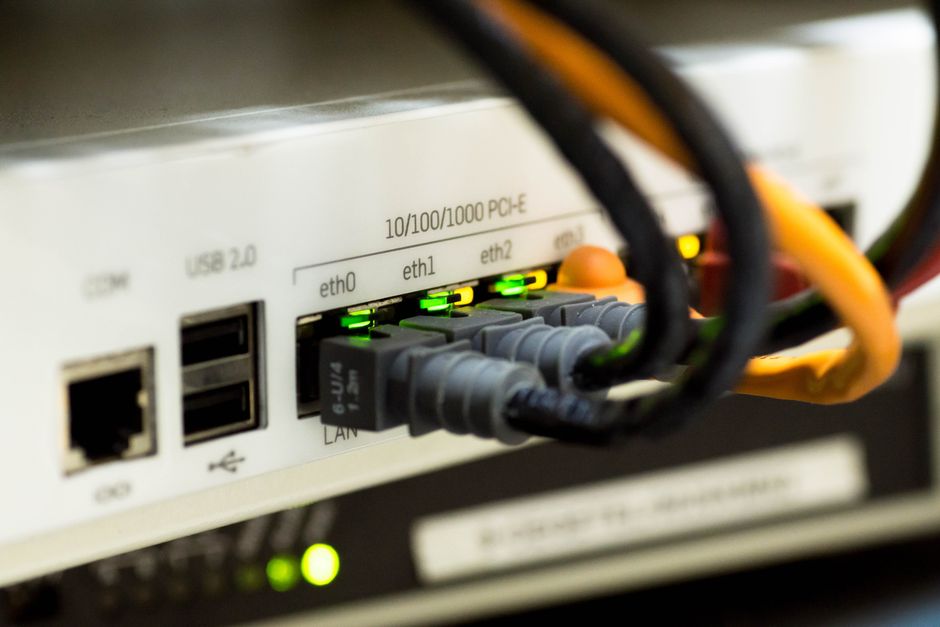
Compare Municipal Broadband and Incumbent ISPs in 2026. Find the best internet service for your local community, with current specs, pricing, and expert recommendations.
In 2026, the quest for reliable, affordable, and high-speed internet continues to be a critical issue for local communities across the United States. As reliance on digital connectivity deepens for education, remote work, healthcare, and commerce, the debate between publicly-owned municipal broadband networks and traditional, privately-owned incumbent Internet Service Providers (ISPs) has intensified. This comparison is more vital than ever, impacting everything from economic development to digital equity within towns and cities.
Incumbent ISPs, often large corporations like Comcast (Xfinity), Charter Communications (Spectrum), and AT&T, have historically dominated the market, leveraging existing infrastructure. However, many communities have found their services lacking in speed, reliability, or affordability. This has led to a growing movement towards municipal broadband, where local governments or public entities build and operate their own internet networks, often prioritizing service to underserved areas and offering more competitive pricing.
This article delves into the current landscape of municipal broadband and incumbent ISP offerings as of October 2026. We will break down their strengths, weaknesses, and typical offerings, helping residents and local leaders understand which model best serves the unique needs of their communities. By examining real-world examples, current technologies, and pricing structures, we aim to provide a clear picture of the options available in 2026 and guide you toward the best internet solution.
| Feature | Municipal Broadband (Typical 2026) | Incumbent ISPs (Typical 2026) |
|---|---|---|
| Infrastructure | Often fiber-optic, built with public investment, focus on equity | Mixed (DSL, Cable, some Fiber), often prioritized in profitable areas |
| Speed (Download/Upload) | Symmetrical speeds common (e.g., 500/500 Mbps, 1 Gbps/1 Gbps) | Asymmetrical speeds common (e.g., 300/20 Mbps, 1 Gbps/35 Mbps), fiber offerings improving |
| Pricing | Often more competitive, lower cost for comparable speeds, transparent billing | Varies widely, often tiered pricing with introductory offers, potential for hidden fees |
| Customer Service | Local focus, potentially more responsive but can be limited in resources | Large call centers, variable quality, can be difficult to resolve local issues |
| Availability | Growing but geographically limited, concentrated in specific towns/regions | Widespread in most populated areas, but may have limited options in rural/underserved zones |
| Pros | Affordability, high symmetrical speeds, local control, digital equity focus, competition driver | Widespread availability, established infrastructure, wider range of service tiers |
| Cons | Limited availability, potential for political hurdles, slower build-out in some cases | Higher costs, often slower upload speeds, less local control, potential for poor customer service |
In 2026, the internet landscape is characterized by evolving technologies and a persistent divide in service quality. Municipal broadband networks and incumbent ISPs represent two distinct approaches to providing this essential service, each with its own set of advantages and challenges.
Municipal broadband refers to internet service provided by a local government entity or a publicly owned utility. These networks are often built using fiber-optic technology, which offers superior speed, reliability, and lower latency compared to older technologies like DSL or coaxial cable. The motivation behind municipal broadband is typically to address perceived shortcomings of incumbent providers, such as high prices, slow speeds, inadequate customer service, or lack of service in certain areas.
As of October 2026, hundreds of municipalities across the US operate their own broadband networks. Examples include the rapidly expanding network in Vienna, Maine, which aims to serve its residents with affordable, high-speed internet, and initiatives like the one debated in Longmeadow, Massachusetts, highlighting the ongoing local control and community-driven efforts. These projects often receive support from federal and state grants, such as those available through the BEAD program, to bridge the digital divide.
Technology and Speeds: Most new municipal builds in 2026 are all-fiber networks. This means symmetrical upload and download speeds are standard. Common plans offered include:
Pricing and Value: A key advantage of municipal broadband is its competitive pricing. By cutting out the profit motive of a private corporation and leveraging public investment, these networks can often offer faster speeds at a lower cost than incumbent ISPs. Transparency in billing is also a common feature, with fewer hidden fees or abrupt price hikes after introductory periods.
Customer Service: Customer service is typically handled locally. While this can mean more personalized attention and faster resolution of local infrastructure issues, the scale of municipal operations can sometimes mean fewer support staff compared to large national ISPs.
Availability: This remains the biggest hurdle for municipal broadband. While expanding, these networks are geographically limited to the specific towns or regions that have invested in building them. Projects can take years to plan, fund, and construct, meaning immediate access is not always possible.
Incumbent ISPs are the large, established companies that have historically provided internet access. The major players in 2026 include Comcast (Xfinity), Charter Communications (Spectrum), AT&T, Verizon, and others. These companies utilize a mix of technologies, primarily cable (coaxial) and DSL, with an increasing deployment of fiber-to-the-home (FTTH) in many areas.
The landscape for incumbent ISPs is evolving. While they still hold a dominant market share, they face increasing pressure from municipal networks and smaller regional providers. Companies like Clearfield, a provider of fiber optic infrastructure solutions, are playing a role in enabling these deployments, whether for public or private entities. Incumbents are also responding to competition by upgrading their networks and expanding fiber footprints.
Technology and Speeds: Incumbents offer a range of technologies, leading to varied performance:
Pricing and Value: Incumbent ISP pricing is notoriously complex. Introductory offers often provide attractive rates for the first 12-24 months, after which prices can jump significantly. Bundling services (internet, TV, phone) can offer perceived savings but may lock customers into plans they don’t fully utilize. Hidden fees for equipment rental, installation, and data caps (though less common for higher tiers) can further complicate the total cost.
Typical pricing as of October 2026:
Customer Service: Customer service experiences with large ISPs can be highly variable. While they maintain large support teams, navigating automated systems and reaching a knowledgeable representative can be frustrating. Issues are often handled through national call centers, which may lack understanding of local network specifics.
Availability: Incumbent ISPs have the broadest availability, reaching most urban, suburban, and many rural areas. However, choice is often limited to one or two providers, and service quality can degrade significantly in less profitable or harder-to-reach locations.
Selecting the best internet service for your community involves weighing several key factors. The choice between municipal broadband and an incumbent ISP often hinges on availability, speed requirements, budget, and the long-term vision for your area’s digital infrastructure.
1. Check Availability: This is the absolute first step. Does your specific address have access to municipal fiber? If so, what speeds and pricing are offered? Simultaneously, check which incumbent ISPs serve your area and what their advertised plans and prices are. Resources like the FCC Broadband Map (though often imperfect) can provide a starting point, but direct verification is crucial.
2. Define Your Needs: Consider the typical household usage. Are you a single user with basic browsing needs, or is your household a busy hub for remote work, online learning, streaming 4K content, and competitive online gaming? For multiple users and high-demand activities, symmetrical upload and download speeds offered by fiber (common in municipal networks) are highly advantageous.
3. Compare Speeds and Technology: Don’t just look at download speeds. Upload speeds are critical for video conferencing, uploading large files, and live streaming. If a municipal fiber network offers 500 Mbps symmetrical for $70, it’s likely a superior value for demanding users compared to an incumbent’s 1 Gbps download / 35 Mbps upload for $85, especially if the municipal network is reliable.
4. Evaluate Pricing and Contracts: Look beyond introductory offers. What is the price after the first year? Are there data caps? What are the fees for equipment and installation? Municipal broadband often offers simpler, more transparent pricing structures without long-term contracts. Incumbents may require 1-2 year agreements, and early termination fees can be substantial.
5. Consider Customer Service and Reliability: Research local reviews and community feedback on both municipal and incumbent providers. While large ISPs have vast resources, their customer service can be impersonal. Municipal networks, being local, may offer more accessible support, but their capacity can be a factor.
6. Think Long-Term: Municipal broadband represents a public investment in future-proof infrastructure. While initial build-out can be slow, fiber networks offer longevity and scalability. Incumbent ISPs are also investing in fiber, but their deployment strategies may prioritize profit over universal access. For communities seeking to ensure long-term digital equity and economic competitiveness, investing in or supporting municipal broadband can be a strategic decision.
Q1: What is the main difference between municipal broadband and incumbent ISP fiber offerings?
A1: The primary difference lies in ownership and operational goals. Municipal broadband is typically publicly owned and operated, often with a mandate to provide affordable, high-speed, and equitable internet access. Incumbent ISP fiber is privately owned, with profit maximization as a key objective, which can influence deployment areas, pricing, and service tiers. Both can offer high-speed fiber, but the underlying philosophy and community benefit can differ significantly.
Q2: Are municipal broadband networks always cheaper?
A2: Generally, municipal broadband networks tend to offer more competitive pricing for comparable speeds, especially symmetrical speeds, due to lower overhead and a focus on service rather than profit. However, “always” is a strong word. Some municipal projects may face higher initial build-out costs or operational inefficiencies that could affect pricing. It’s crucial to compare specific plans in your area. As of 2026, many municipal plans for 500 Mbps symmetrical or 1 Gbps symmetrical are often priced $10-$30 lower than equivalent plans from incumbents.
Q3: How can my community get municipal broadband if one doesn’t exist yet?
A3: Getting municipal broadband usually involves community advocacy, political will, and securing funding. This can include lobbying local government officials, forming community groups, researching feasibility studies, and leveraging state and federal grants (like those from the BEAD program). Public-private partnerships can also be an avenue, though they require careful structuring to ensure community benefits. It’s a process that often takes several years from conception to service deployment.
Q4: Is municipal broadband reliable enough for businesses?
A4: Yes, for many businesses, especially those that have access to municipal fiber, the service is highly reliable and often more so than cable internet. The symmetrical speeds are particularly beneficial for businesses that upload large files, host servers, or rely heavily on cloud services. Reliability also depends on the specific network’s maintenance and management, but fiber infrastructure itself is inherently robust. Businesses should still inquire about service level agreements (SLAs) if mission-critical uptime is a primary concern.
As of October 2026, the choice between municipal broadband and incumbent ISPs is increasingly clear for many communities seeking optimal internet service. For residents and businesses prioritizing speed, affordability, and equitable access, municipal broadband often emerges as the superior option, provided it is available.
The widespread adoption of symmetrical gigabit fiber by municipal networks offers a technological advantage, particularly for modern internet use cases like remote work, high-definition video conferencing, and cloud computing, where upload speeds are just as critical as download speeds. The often more transparent and competitive pricing structures further enhance their value proposition, freeing consumers from the cycle of escalating rates and complex contracts common with incumbent providers.
Incumbent ISPs, while offering broader availability and a wider array of service tiers (including DSL for the most remote areas), frequently lag in offering symmetrical speeds on their non-fiber plans and can be more expensive for comparable performance once introductory periods expire. Their fiber offerings are improving, but availability remains a key differentiator, often favoring denser, more profitable areas.
Ultimately, the best internet for a local community in 2026 is one that meets its specific needs. However, the trend indicates that communities investing in and supporting municipal broadband initiatives are positioning themselves for better digital futures, fostering greater competition, and ensuring that essential internet connectivity is treated as a public utility, accessible and affordable for all.
Prices and features mentioned are accurate as of the date of publication. Always check the official provider website for the most current pricing and availability.