Physical Address
304 North Cardinal St.
Dorchester Center, MA 02124
Physical Address
304 North Cardinal St.
Dorchester Center, MA 02124

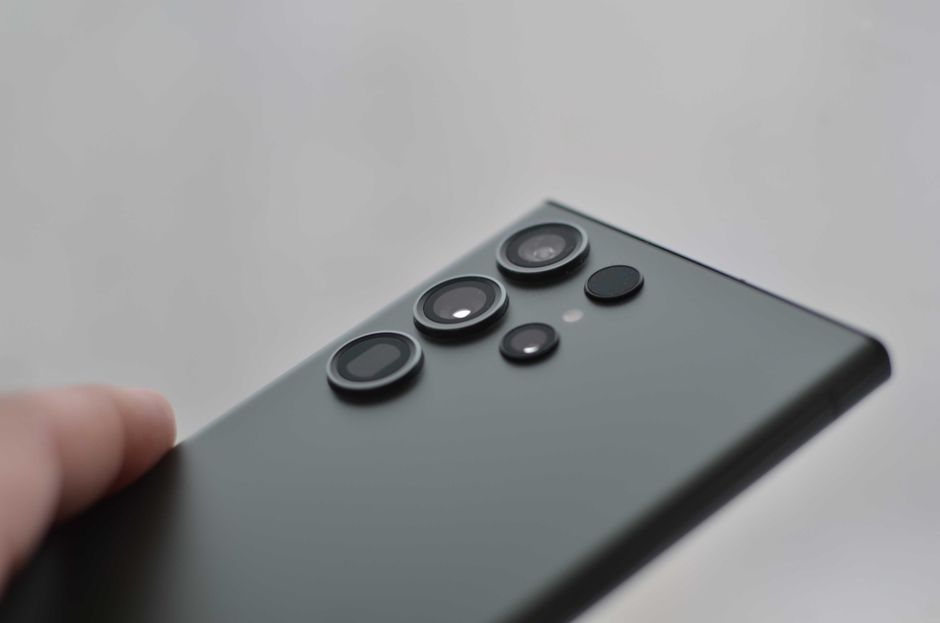
An in-depth 2026 comparison between the Google Pixel 11 Pro XL and Samsung Galaxy S26 Ultra. Explore specs, prices, cameras, performance, and more.
The premium smartphone landscape of 2026 has reached a thrilling peak, offering users unprecedented performance and intelligence. In March, Samsung delivered a powerful statement with the release of the Galaxy S26 Ultra, showcasing raw computational dominance through its customized Snapdragon 8 Elite Gen 5 processor, an expansive 6.9-inch display, and its signature built-in S Pen stylus. However, Google has launched a direct counter-offensive with the late-August release of the Pixel 11 Pro XL. Packing Google’s highly anticipated 2nm Tensor G6 chip, an incredibly bright 3,600-nit screen, and native Android 17 with advanced Gemini Intelligence, this device challenges Samsung’s claim to the flagship crown.
For power users, mobile photographers, and tech enthusiasts alike, choosing between these two $1,299 giants is no longer a simple matter of brand loyalty. It is a choice between two distinct philosophies: Google’s AI-first, computational realism versus Samsung’s productivity-focused, raw hardware muscle. This head-to-head comparison evaluates which premium smartphone rules 2026.
To help you see how these two flagship devices compare at a glance, we have compiled their key specifications, pricing, and hardware configurations in the table below.
| Feature | Google Pixel 11 Pro XL | Samsung Galaxy S26 Ultra |
|---|---|---|
| Release Date | August 20, 2026 | March 11, 2026 |
| Starting Price | $1,299 (256GB) | $1,299.99 (256GB) |
| Display | 6.8-inch Super Actua OLED (Up to 3,600 nits) | 6.9-inch QHD+ Dynamic AMOLED 2X with Privacy Display |
| Processor | Google Tensor G6 (2nm node) | Snapdragon 8 Elite Gen 5 for Galaxy (3nm node) |
| Memory (RAM) | 12GB (256GB storage) / 16GB (512GB & 1TB) | 12GB / 16GB LPDDR5X |
| Rear Cameras | 50MP main, 48MP ultrawide, 48MP telephoto (120x Super Res Zoom) | 200MP main, 50MP ultrawide, 50MP + 10MP dual telephoto (100x Space Zoom) |
| Front Camera | 42MP wide-angle | 12MP wide-angle |
| Battery & Charging | 5,115 mAh battery; 45W wired, 25W Qi2.2 wireless | 5,000 mAh battery; 60W Super Fast charging, 25W wireless |
| Stylus | No native stylus | Built-in Bluetooth S Pen |
| OS & Support | Android 17; 7 years of OS and security updates | Android 16 (One UI 8.5); 7 years of updates |
Samsung continues to champion maximum screen real estate with the Galaxy S26 Ultra. Its massive 6.9-inch QHD+ Dynamic AMOLED 2X display is a productivity marvel, sporting a thinner 7.9mm profile and weighing a more manageable 214g—a pleasant decrease from its predecessor. The true showstopper, however, is its new Privacy Display technology. Utilizing an advanced optical filter integrated into Corning Gorilla Armor 2, the S26 Ultra automatically narrows viewing angles when sensitive content is on screen, preventing visual hacking from onlookers on a subway or at a café. Additionally, the flat screen is paired with an integrated S Pen, making it an excellent canvas for note-taking.
The Google Pixel 11 Pro XL goes for maximum visibility instead. While its 6.8-inch Actua screen is slightly smaller, Google has cranked the peak brightness to an astonishing 3,600 nits. This means absolute readability even in direct, midday sunlight. Google has also redesigned the camera bar on the rear, making it slightly slimmer with a matte, all-black aesthetic that looks incredibly refined. At 226g and 8.5mm thick, it feels sturdier and slightly heavier in the hand than the S26 Ultra, which might deter some, but its premium build quality is undeniable.
Under the hood, we see two entirely different approaches to processing power. The Galaxy S26 Ultra relies on Qualcomm’s Snapdragon 8 Elite Gen 5 for Galaxy. This customized 3nm chipset is the undisputed performance king of 2026. For heavy multitasking, elite-tier mobile gaming, and handling complex media files, the S26 Ultra flies without breaking a sweat, registering benchmark scores that easily outclass Google. It is built for raw speed and sustained heavy graphics processing.
However, Google has closed the gap significantly this year. The Pixel 11 Pro XL features the Google Tensor G6, built on a highly anticipated 2nm node from TSMC, which represents a monumental leap in power efficiency. Historically, Tensor chips suffered from thermal throttling and battery drain under sustained loads. The 2nm architecture of the Tensor G6 solves these legacy issues, offering a thermally stable experience that handles daily workloads with ease. Combined with the Titan M3 security coprocessor and an upgraded MediaTek M90 5G modem, the Pixel 11 Pro XL delivers seamless, highly secure connectivity and stellar battery management.
For years, Samsung has brandished its high-megapixel count as a badge of honor. The Galaxy S26 Ultra features a 200MP wide-angle primary sensor with an f/1.4 aperture, paired with a 50MP ultrawide and a dual telephoto setup (50MP + 10MP). The main camera excels at capturing massive detail, allowing you to crop in on photos without losing clarity. However, some professional reviews note that the telephoto transitions can feel slightly jarring compared to past models, even though the 5x and 100x Space Zoom capabilities remain spectacular for capturing distant landmarks.
Google takes a smarter, AI-assisted path with its camera configuration. The Pixel 11 Pro XL matches its 50MP main camera with a 48MP ultrawide and a 48MP telephoto. Thanks to the Tensor G6’s upgraded TPU and complex machine learning algorithms, Google’s camera system achieves up to 120x Super Res Zoom. In real-world shooting, Google’s computational realism often outclasses Samsung. Skin tones look more natural, low-light night photography processes faster with virtually zero noise, and the 42MP selfie camera produces vastly superior results compared to Samsung’s 12MP front sensor.
With a physically larger 5,115 mAh battery, the Google Pixel 11 Pro XL holds a slight edge in raw cell capacity. When combined with the ultra-efficient 2nm Tensor G6, Google’s flagship easily cruises through a day and a half of heavy usage. Charging has also received a long-awaited boost, now supporting 45W wired speeds and 25W Qi2.2 wireless charging. It is a highly reliable device that takes the anxiety out of battery life.
Samsung counters with superior charging speeds. The Galaxy S26 Ultra’s 5,000 mAh battery supports 60W Super Fast Charging, allowing you to replenish 75% of your battery in about 30 minutes. It also matches the Pixel with 25W wireless charging. While the S26 Ultra’s 3nm chip is highly optimized, the massive 6.9-inch display and active S Pen drawing drain the battery slightly faster than the Pixel during active productivity sessions. However, the faster wired charging easily compensates for this minor gap.
The software experience is where these ecosystems truly diverge. The Pixel 11 Pro XL ships with Android 17 out of the box, delivering a clean, bloat-free Pixel UI. Gemini Intelligence is deeply integrated into the operating system, allowing you to draft emails, summarize massive documents, and manipulate photos with real-time vocal prompts. Google’s promise of 7 years of OS updates remains the gold standard, ensuring the phone stays fresh until 2033 with immediate updates on day one.
The Galaxy S26 Ultra runs One UI 8.5 on top of Android 16. It offers unparalleled multitasking features, including split-screen layouts, pop-up windows, and Samsung DeX for desktop-like productivity. Galaxy AI provides similar translation, note summarization, and photo editing tools to Gemini. However, the interface is far busier than Google’s clean UI. Samsung also guarantees 7 years of support, keeping its premium device secure and up-to-date for years to come.
Deciding between these two incredible flagships comes down to your personal priorities and daily workflow. Here is a quick guide to help you choose the right device:
In raw synthetic benchmarks, the Snapdragon 8 Elite Gen 5 in the Galaxy S26 Ultra is faster, particularly for graphics processing and sustained heavy gaming. However, because the Tensor G6 is manufactured on a cutting-edge 2nm process, it offers incredible thermal efficiency and easily handles daily tasks, local AI processes, and UI animations smoothly without heating up.
The Privacy Display uses an integrated optical layer in the Corning Gorilla Armor 2 cover glass. When activated, it limits the viewing angles of the display, making the screen appear dark or illegible to anyone looking at it from the side. This is highly useful for protecting banking apps, emails, and private data in public spaces.
The Google Pixel 11 Pro XL fully supports the Qi2.2 wireless charging standard, enabling magnetic alignment and faster 25W wireless speeds. The Galaxy S26 Ultra supports fast 25W wireless charging but does not feature magnetic Qi2 alignment natively out of the box.
While the Galaxy S26 Ultra offers dual telephoto lenses (50MP + 10MP) and a powerful 200MP main sensor for cropping, the Google Pixel 11 Pro XL utilizes advanced AI Super Res Zoom up to 120x. In real-world scenarios, Google’s computational zoom produces cleaner, less noisy photos at extreme distances, making it highly competitive with Samsung’s legendary zoom capabilities.
The battle of the 2026 flagships is incredibly close, but a clear pattern emerges. If your smartphone usage revolves around heavy productivity, mobile gaming, and multi-window multitasking, the Samsung Galaxy S26 Ultra remains the ultimate champion. Its raw processing dominance, S Pen support, and innovative Privacy Display justify its $1,299.99 price tag.
However, for the vast majority of consumers, the Google Pixel 11 Pro XL is the superior everyday device. By moving to a 2nm Tensor G6 chip, Google has eliminated its historical battery and thermal weaknesses. Combined with an unmatched 3,600-nit display, beautiful design refinements, cleaner Android 17 software, and a more natural, point-and-shoot camera experience, the Pixel 11 Pro XL offers a more cohesive, user-friendly flagship experience at $1,299. For most buyers in 2026, the Pixel 11 Pro XL is the phone to beat.
Prices and features mentioned are accurate as of the date of publication. Always check the official provider website for the most current pricing and availability.