Physical Address
304 North Cardinal St.
Dorchester Center, MA 02124
Physical Address
304 North Cardinal St.
Dorchester Center, MA 02124

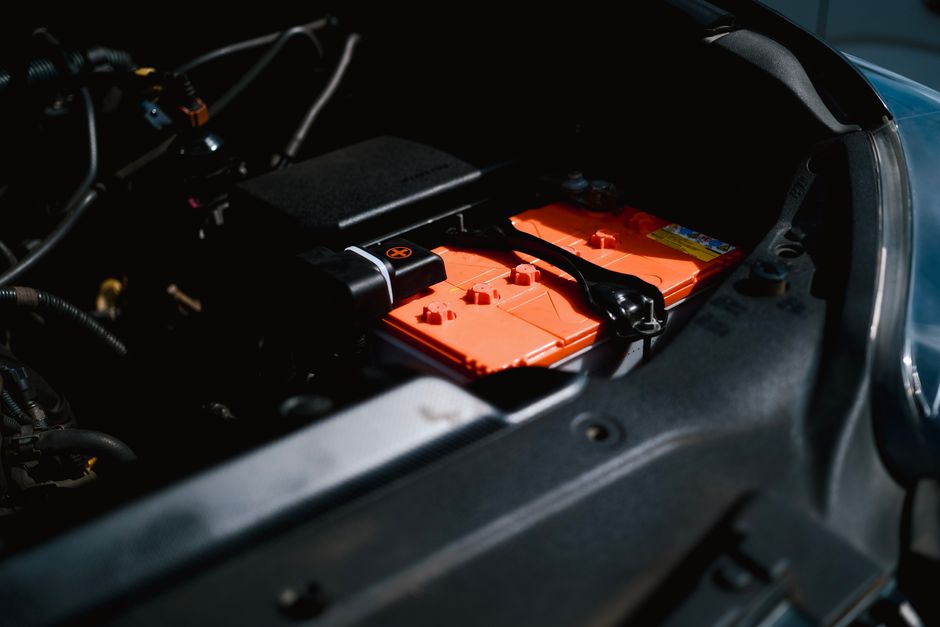
Compare solid-state and lithium-ion EV batteries in 2026. Explore range, charging, safety, and cost for the latest electric vehicles. Make an informed buying decision.
The electric vehicle (EV) revolution is accelerating at an unprecedented pace, and at its heart lies the battery â the powerhouse dictating range, charging speed, and overall vehicle performance. As of October 2026, the EV market stands at a pivotal juncture. Lithium-ion batteries, long the industry standard, are now facing a formidable challenger: solid-state battery technology, which is finally making its anticipated commercial debut.
For any prospective EV buyer or enthusiast, understanding the nuances between these two battery titans is more crucial than ever. This comprehensive buyer’s guide from ComparisonMath dives deep into the current landscape of solid-state versus lithium-ion EV batteries in 2026, providing you with the up-to-date facts, specs, and market insights needed to make an informed decision about your next electric ride.
We’ll examine their capabilities, weigh their pros and cons, assess their availability and cost in today’s market, and help you navigate the exciting but complex world of EV battery technology. The future of electric mobility is here, and choosing the right power source is key to unlocking its full potential.
| Feature | Lithium-Ion Batteries (Current Market) | Solid-State Batteries (Emerging 2026 Market) |
|---|---|---|
| Energy Density (Wh/kg) | 200-300 Wh/kg (NMC, LFP) | 350-450 Wh/kg (Early models, future higher) |
| Typical Range (Miles) | 250-400 miles on a full charge | 400-650+ miles (Early premium models) |
| Charging Speed (10-80%) | 18-30 minutes (DC fast charging) | Potentially 8-15 minutes (with optimized infrastructure) |
| Cycle Life | 1,000-1,500 cycles (8-10 years warranty) | 1,500-2,500+ cycles (Longer lifespan expected) |
| Safety Profile | Good, but thermal runaway risk (liquid electrolyte) | Excellent, non-flammable solid electrolyte; reduced risk |
| Cost (per kWh, 2026) | $90-$110 per kWh | $180-$300 per kWh (High initial cost) |
| Availability (2026) | Widespread in all EV segments | Limited to premium EVs, niche applications; early adopter market |
| Key Manufacturers | CATL, LG Energy Solution, Panasonic, Samsung SDI, SK On | BYD (impending), QuantumScape, Toyota (future), Solid Power |
| Weight/Volume | Relatively heavier/larger for given capacity | Lighter and more compact for equivalent capacity |
As of October 2026, lithium-ion batteries remain the undisputed workhorse of the electric vehicle industry. Their widespread adoption is due to a compelling balance of energy density, power output, cost-effectiveness, and established manufacturing processes. They power the vast majority of EVs currently on our roads, from compact city cars to long-range SUVs and electric trucks.
Two primary chemistries dominate the lithium-ion landscape in 2026: Nickel Manganese Cobalt (NMC) and Lithium Iron Phosphate (LFP). NMC cells offer higher energy density, typically found in premium, longer-range vehicles like the Tesla Model 3 Long Range (boasting around 340 miles EPA range) and the Hyundai Ioniq 6 (up to 361 miles). These batteries typically deliver energy densities in the range of 250-300 Wh/kg, allowing for impressive range and power.
LFP batteries, on the other hand, are celebrated for their lower cost, enhanced safety, and longer cycle life, albeit with slightly lower energy density (typically 200-220 Wh/kg). Vehicles such as the standard range Tesla Model 3 and BYD Atto 3 extensively use LFP cells, offering excellent value and durability. In 2026, the average price for lithium-ion battery packs has stabilized around $90-$110 per kilowatt-hour (kWh), making EVs increasingly accessible to a broader consumer base.
Charging speeds for modern lithium-ion EVs are remarkably fast, with many vehicles capable of replenishing 10% to 80% of their charge in under 25 minutes using DC fast chargers delivering 250 kW or more. Brands like Porsche with the Taycan, Lucid with the Air, and Kia with the EV6 continue to push these boundaries, offering some of the quickest charging times available. The cycle life for these batteries typically ranges from 1,000 to 1,500 full charge-discharge cycles, corresponding to a lifespan of 8 to 10 years, often backed by manufacturers’ warranties.
After years of anticipation, solid-state batteries are finally transitioning from the laboratory to commercial reality in 2026, marking a significant milestone in EV technology. Unlike their lithium-ion counterparts, solid-state batteries replace the flammable liquid electrolyte with a solid material, promising a host of revolutionary benefits. This fundamental change addresses several key limitations of current battery technology, paving the way for superior performance.
The most immediate and talked-about advantage is energy density. Leading the charge, Chinese manufacturers and innovators like BYD are making headlines. BYD, which has been reported to be leading the solid-state battery race, has confirmed its first EV with this new technology is almost here, potentially initiating limited production by late 2026 ahead of its 2027 full-scale rollout. Their dual-electrolyte design is targeting an impressive 400 Wh/kg, with ambitious plans to reach 450 Wh/kg in future iterations. This increased density translates directly into significantly longer driving ranges, with early solid-state equipped premium EVs projected to achieve 400 to over 650 miles on a single charge, surpassing anything currently available from mass-market lithium-ion vehicles.
Safety is another major triumph. The solid electrolyte eliminates the risk of thermal runaway and fires associated with liquid electrolytes, making solid-state batteries inherently safer. This enhanced safety profile could lead to lighter, less complex battery pack designs, further improving vehicle efficiency. Charging speeds are also set to be dramatically faster; with the absence of dendrite formation issues, these batteries can accept higher charging rates, potentially reaching 10-80% charge in a mere 8-15 minutes, provided the charging infrastructure can deliver the immense power required.
However, in October 2026, solid-state batteries are still very much in their nascent commercial phase. Their availability is highly limited, primarily confined to high-end, premium EV models or specialized applications where performance outweighs cost. Companies like QuantumScape, which has seen its stock climb on production milestones and customer billings in 2026, are providing early samples to automotive partners for testing and integration. The initial cost per kWh for solid-state technology remains substantially higher, estimated between $180-$300 per kWh for these early market offerings, making them a premium feature for discerning buyers. While BYD aims to bring costs down to $70/kWh by 2027, this indicates that affordability will be a gradual process.
Selecting between an EV powered by a lithium-ion battery and one with emerging solid-state technology in 2026 depends heavily on your priorities, budget, and driving habits. Both options present compelling advantages for different types of buyers.
For the vast majority of consumers, **lithium-ion batteries** remain the practical and cost-effective choice. If your daily commute and occasional long trips fall within the 250-400 mile range, a lithium-ion EV offers more than sufficient performance. The established charging infrastructure, proven reliability, and competitive pricing (with vehicles like the Tesla Model Y or Hyundai Ioniq 5 offering excellent value) make them an intelligent investment. Furthermore, the extensive range of models ensures there’s a lithium-ion EV to fit almost every budget and lifestyle.
Conversely, if you are an early adopter, prioritize cutting-edge technology, demand the absolute maximum range, or require the fastest possible charging times, a **solid-state battery EV** might be for you. Be prepared for a higher purchase price, as these vehicles will primarily occupy the premium and luxury segments in 2026. The advantages in safety, projected lifespan, and sheer performance (e.g., a BYD-powered EV promising 600+ miles range) could justify the premium for those who desire the pinnacle of current EV innovation and are willing to invest in the future.
Consider your charging access: while solid-state offers faster theoretical charging, ensure local infrastructure can support ultra-high power delivery. Lastly, think about longevity. While solid-state promises extended cycle life, lithium-ion batteries already offer substantial durability, typically outlasting vehicle ownership for many drivers. Your choice ultimately reflects a balance between proven performance and forward-looking potential.
While solid-state batteries are making their initial commercial appearances in 2026, widespread availability in mass-market EVs is still several years away. Experts predict that it will take until the late 2020s or early 2030s for solid-state technology to become a common feature across all price segments, as manufacturers work to scale production and reduce costs significantly.
Yes, solid-state batteries are generally considered inherently safer. By replacing the flammable liquid electrolyte with a non-combustible solid material, the risk of thermal runaway and subsequent fires is substantially reduced. This fundamental design change eliminates a major safety concern associated with traditional lithium-ion technology.
It’s unlikely that solid-state batteries will completely replace lithium-ion technology in the foreseeable future. Instead, a complementary relationship is more probable. Lithium-ion batteries, especially LFP variants, will likely continue to dominate the affordable and mid-range EV segments due to their established cost-efficiency and performance. Solid-state will target premium, long-range, and high-performance applications, coexisting with, rather than fully supplanting, lithium-ion.
In 2026, there’s a significant cost disparity. Lithium-ion battery packs average around $90-$110 per kWh, making EVs with this technology relatively affordable. Solid-state batteries, being a nascent technology, currently command a much higher price, estimated between $180-$300 per kWh for initial deployments. This premium contributes to the higher overall cost of early solid-state enabled EVs.
As of October 2026, the EV battery market presents an exciting dichotomy. For the vast majority of EV buyers, **lithium-ion batteries** remain the clear champion. They offer a mature, reliable, and increasingly affordable solution with excellent range, fast charging, and proven longevity. Vehicles like the Tesla Model Y, Hyundai Ioniq 6, and BYD Seal continue to deliver exceptional performance and value, making lithium-ion the practical choice for everyday driving and beyond.
However, for a select group of forward-thinking consumers and those in the premium segment, **solid-state batteries** represent the future, available today in limited, high-end applications. If you prioritize groundbreaking range exceeding 600 miles, revolutionary charging speeds, and unparalleled safety, and are prepared to pay the premium for cutting-edge innovation, a solid-state equipped EV is an enticing proposition. Companies like BYD are on the cusp of delivering these next-generation vehicles, offering a glimpse into the ultimate potential of electric mobility.
Ultimately, there’s no single “winner” for everyone. Your ideal battery choice depends on your specific needs, budget, and willingness to embrace early adoption. Both technologies are rapidly advancing, ensuring an electrifying future for personal transportation.
Prices and features mentioned are accurate as of the date of publication. Always check the official provider website for the most current pricing and availability.