Physical Address
304 North Cardinal St.
Dorchester Center, MA 02124
Physical Address
304 North Cardinal St.
Dorchester Center, MA 02124

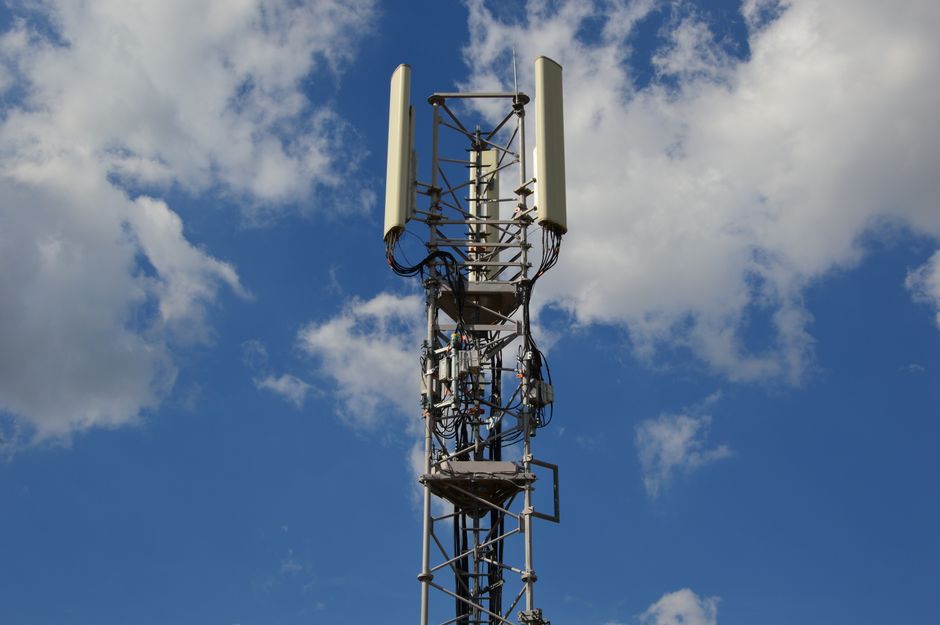
Starlink vs Amazon Leo in 2026. Compare pricing, download speeds, and terminal specs to find the absolute best satellite internet provider.
For more than half a decade, SpaceX’s Starlink has enjoyed an absolute monopoly on the low Earth orbit (LEO) satellite internet market. Since its commercial launch, Starlink has transformed from a niche connectivity option for off-grid tech enthusiasts into a massive global utility. Today, in 2026, Starlink boasts over 4 million subscribers across more than 100 countries, delivering high-speed, low-latency broadband to areas where traditional cable and fiber will never reach.
However, the era of Starlink’s uncontested dominance is officially coming to an end. Amazon’s highly anticipated space-broadband initiative, formerly codenamed Project Kuiper, was permanently rebranded as Amazon Leo in late 2025. Moving aggressively into its commercial deployment phase, Amazon has launched nearly 400 production satellites and opened limited commercial beta waitlists in key countries. The space race is no longer just about rocket launches; it is now about who can deliver the fastest, most reliable, and most affordable internet connection directly to your home or business.
For consumers, this emerging rivalry is the best news in years. Satellite internet has historically suffered from high latency, data caps, and exorbitant costs. With Starlink and Amazon Leo going head-to-head, we are witnessing a rapid evolution in hardware, a decline in equipment prices, and the introduction of highly competitive tiered pricing. In this comprehensive comparison, we break down everything you need to know about Starlink and Amazon Leo in 2026 to help you decide which provider deserves a spot on your roof.
To give you an immediate overview of how these two satellite giants stack up, we have compiled their key technical specifications, pricing models, and service tiers side-by-side.
| Feature / Specification | Starlink (SpaceX) | Amazon Leo (Amazon) |
|---|---|---|
| Active Satellites (2026) | Over 10,900 | Approximately 396–399 |
| Max Authorized Constellation | 12,000 (Authorized) / 42,000 (Applied) | 3,236 (Gen 1) / 7,727 (Gen 1 + Gen 2 Total) |
| Standard Download Speeds | 100–200 Mbps (Real-world) | Up to 400 Mbps (Targeted) |
| Maximum Download Speeds | Up to 400+ Mbps (Residential MAX) | Up to 1 Gbps (Leo Ultra terminal) |
| Average Latency | 25–60 ms | 20–30 ms (Projected) |
| Core Hardware Kits | Standard Kit, Starlink Mini, High Performance | Leo Nano, Leo Pro, Leo Ultra |
| Standard Hardware Price | $349–$499 (Rental available at $10/mo) | TBD (Leo Pro manufacturing cost under $400) |
| Standard Monthly Plan Price | $55/mo (100 Mbps) to $130/mo (Residential MAX) | TBD (Expected to undercut Starlink; Prime bundles likely) |
| Global Availability | Fully operational globally (100+ countries) | Beta waitlist open (US, CA, UK, FR, DE) |
To truly understand how these two systems compare, we have to look beneath the surface. While both providers utilize low Earth orbit constellations, their technical architectures, hardware philosophies, and commercial strategies differ significantly.
Starlink’s greatest strength is its massive head start. With over 10,900 active satellites in orbit as of late 2026, SpaceX has created an incredibly mature mesh network. By utilizing optical laser links (OISL) on all newer satellites, Starlink can transmit data directly across space, reducing the reliance on local ground stations and improving speeds in ultra-remote regions and oceanic zones.
In 2026, Starlink shifted its service plans to a highly competitive tiered pricing model designed to prevent network congestion. Instead of a single flat rate, residential users can choose between three main plans:
Starlink has also made strides in hardware accessibility. The standard Gen 3 kit retails between $349 and $499, but in low-congestion geographic regions, SpaceX has cut hardware prices to as low as $89 to attract new customers. Additionally, residential users can now opt for a $10 per month hardware rental fee, vastly lowering the initial barrier to entry. For on-the-go users, the ultra-portable Starlink Mini has seen a massive price cut to just $249, making it a favorite for RVers and campers. SpaceX is also rolling out its next-generation Starlink V5 kit in select markets, featuring an even smaller footprint, better power efficiency, and peak speeds surpassing 375 Mbps.
Though Amazon Leo (rebranded from Project Kuiper in November 2025) is late to the party, it is entering the market with some of the most advanced consumer space-hardware ever designed. Rather than rushing to deploy simple satellites, Amazon spent years perfecting its proprietary technology. Each Amazon Leo satellite is powered by a custom ‘Prometheus’ baseband processor capable of routing up to 1 Tbps of data per satellite. Additionally, the entire constellation is built with 100 Gbps infrared laser cross-links from day one, allowing for an incredibly fast and secure private network architecture.
While Amazon’s FCC license originally required 1,618 satellites to be in orbit by July 2026, launch vehicle delays forced the company to request an extension. The FCC officially waived the July 2026 deadline in June, allowing Amazon to scale its constellation responsibly. Amazon has contracted a record-breaking 102 launches across major providers—including United Launch Alliance (ULA), Arianespace, Blue Origin, and even SpaceX—ensuring a steady deployment cadence through 2026 and 2027.
Amazon Leo’s consumer strategy revolves around three distinct, highly optimized customer terminals:
While official monthly pricing has not yet been finalized, Amazon Leo is currently running extensive beta testing and enterprise previews in the United States, Canada, the United Kingdom, France, and Germany. The company is expected to leverage its massive e-commerce and cloud infrastructure by offering discounted service bundles to Amazon Prime members and seamless private-cloud routing through Amazon Web Services (AWS).
Choosing between Starlink and Amazon Leo in 2026 comes down to immediate availability, portability requirements, and your technological ecosystem.
If you need high-speed internet today, the decision is made for you. Starlink is a fully mature, globally active network with 99% coverage across the United States and over 100 countries. You can order a Starlink kit today and have it active within days. Amazon Leo, by contrast, is still in its limited commercial rollout phase. While the beta waitlist is open for residents in the US, Canada, UK, France, and Germany, wide-scale consumer availability is not expected until late 2026. If you are in a remote area with zero internet options, Starlink is your immediate lifesaver.
If you are a digital nomad, van-life traveler, or frequent camper, portability is paramount. Both companies have introduced phenomenal compact terminals. The Starlink Mini, now priced at an attractive $249, is incredibly light and easy to pack. However, Amazon’s Leo Nano is even smaller (7 x 7 inches) and lighter, making it highly competitive. If you want a backup internet option that easily fits inside a backpack, wait to see if the Leo Nano becomes available in your region. If you need mobile coverage now, Starlink’s Roam plans (starting at $55/mo for 100GB of data) are incredibly robust.
Starlink’s 2026 tiered pricing has made the service much more affordable, with entry-level home plans starting at just $55/mo. Hardware costs have also dropped, with options to rent equipment for $10/mo or buy the Standard kit for as low as $89 in certain low-congestion rural markets. While Amazon Leo’s exact retail pricing remains under wraps, Jeff Bezos has historically used aggressive undercutting to capture market share. If you are highly price-sensitive and can afford to wait, holding out for Amazon Leo’s commercial launch could reward you with cheaper monthly fees, especially if they offer an Amazon Prime discount.
Amazon Leo is designed from the ground up to integrate natively with AWS. For enterprise clients, remote job sites, and small businesses that rely heavily on cloud architecture, this is a massive selling point. It allows for private, secure routing that bypasses the public internet entirely. Additionally, Amazon will undoubtedly integrate Leo into its massive smart home ecosystem, potentially making it the ultimate backbone for Ring cameras, Alexa devices, and Echo networks in rural regions.
Is Amazon Leo available to the public in 2026?
Amazon Leo is currently running limited commercial trials and enterprise previews. A limited consumer beta waitlist is open for residents in five countries: the United States, Canada, the United Kingdom, France, and Germany. A wider commercial rollout is projected for late 2026 and throughout 2027.
Can I use Amazon Leo on the go like Starlink Mini?
Yes. Amazon has designed the Leo Nano specifically for mobile, portable, and IoT use. Measuring only 7 x 7 inches and weighing just 2.2 pounds, the Leo Nano is designed to deliver up to 100 Mbps in an ultra-portable form factor, directly rivaling the Starlink Mini.
Does Starlink still have data caps in 2026?
No, Starlink’s standard residential plans do not impose hard data caps. However, speeds on the lower-tier $55/mo and $85/mo plans can be temporarily deprioritized during peak hours in heavily congested areas. Users who require guaranteed maximum speeds should opt for the Residential MAX tier ($130/mo).
Will Amazon Leo require an Amazon Prime subscription?
An Amazon Prime subscription is not strictly required to use Amazon Leo. However, industry analysts widely expect Amazon to offer exclusive discounts or bundled packages for Prime members to encourage adoption, similar to how they bundle Prime Video and Prime Music.
Which provider offers lower latency?
Both providers utilize low Earth orbit (LEO) satellites, which inherently offer much lower latency than traditional geostationary satellites. Starlink’s latency typically averages between 25 and 60 milliseconds. Amazon Leo claims its advanced 100 Gbps laser links and orbital architecture will deliver latencies as low as 20 to 30 milliseconds once fully operational.
In 2026, the clear and indisputable winner of this satellite matchup is Starlink. With a constellation of over 10,900 active satellites, immediate global availability, mature mobile roaming plans, and a highly accessible $10/month hardware rental option, Starlink is a fully realized product. SpaceX’s decision to drop the hardware price of the popular Starlink Mini to $249 and introduce a $55/month entry-level home tier makes it incredibly hard to beat right now.
However, Amazon Leo is the most formidable threat Starlink has ever faced. By integrating the high-speed Prometheus chip, developing the ultra-fast Leo Ultra terminal (reaching speeds up to 1 Gbps), and planning highly competitive Prime-bundled pricing, Jeff Bezos is laying the groundwork to steal massive market share. If you do not need internet today and live in a beta-eligible country, keep a very close eye on Amazon Leo. But if you need reliable, high-speed internet in a remote area right now, Starlink remains the absolute best choice in 2026.
Prices and features mentioned are accurate as of the date of publication. Always check the official provider website for the most current pricing and availability.