Physical Address
304 North Cardinal St.
Dorchester Center, MA 02124
Physical Address
304 North Cardinal St.
Dorchester Center, MA 02124

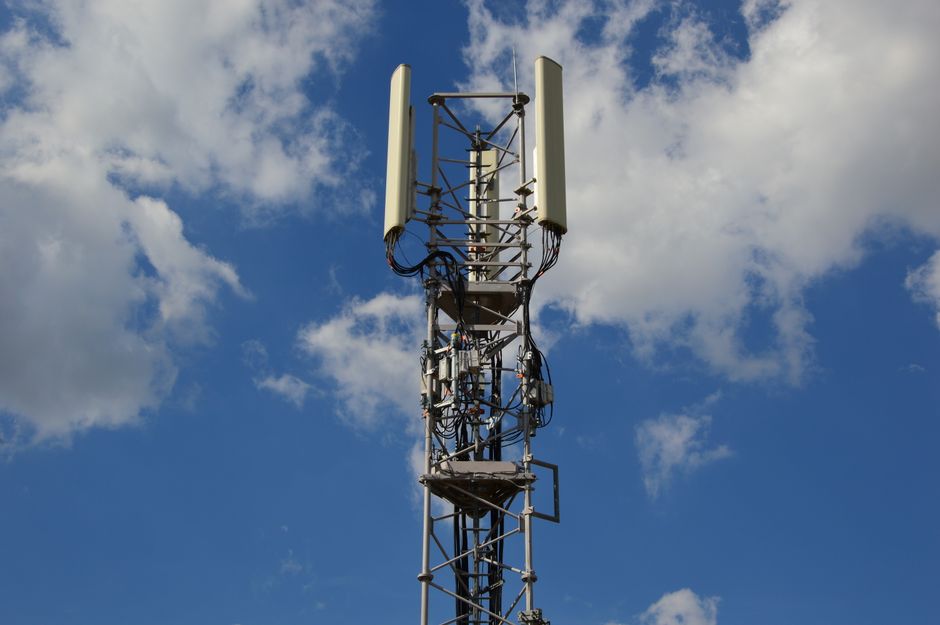
Compare T-Mobile, Verizon, and AT&T 5G home internet plans in 2026. Find the best pricing, speeds, Wi-Fi 7 hardware, and bundling deals for your home.
In 2026, the high-speed internet landscape has undergone a massive transformation. Traditional cable providers, long notorious for hidden fees, mandatory contracts, and localized monopolies, are facing a formidable challenge from 5G Fixed Wireless Access (FWA). Once an experimental option for rural areas, 5G home internet has matured into a mainstream, powerhouse solution. Today, millions of American households are cutting the cord completely, choosing to power their homes with cellular signals from the industry’s big three carriers: T-Mobile, Verizon, and AT&T.
Each provider has spent years densifying its mid-band and millimeter-wave (mmWave) networks. In 2026, the results are clear: incredibly stable connections, brand-new Wi-Fi 7 hardware, and tiered pricing structures tailored to different consumer budgets. T-Mobile has completely revamped its offerings with a new three-tier plan system. Verizon has refined its premium tiered lineup to include massive entertainment perks like NFL Sunday Ticket. AT&T is expanding its Internet Air coverage to capture markets where its fiber network has not yet reached, integrating it with flexible mobile bundling. If you want to escape rising cable bills, choosing between these three giants is the most important decision you will make for your home network this year.
To help you see how these services compare at a glance, here is a breakdown of their standard costs, bundled pricing, typical speeds, and unique features for 2026. Keep in mind that bundling with a matching mobile phone plan is the key to unlocking the absolute lowest monthly rates across all three networks.
| Provider & Plan | Standalone Price (w/ AutoPay) | Bundled Price (w/ Mobile Plan) | Typical Download Speeds | Price Guarantee | Key Included Perk |
|---|---|---|---|---|---|
| T-Mobile Rely | $50/month | $35/month | 75 – 245 Mbps | 5-Year Price Lock | Basic 5G Gateway, T-Mobile Tuesdays |
| T-Mobile Amplified | $60/month | $45/month | 134 – 415 Mbps | 5-Year Price Lock | Wi-Fi 7 Gateway |
| T-Mobile All-In | $70/month | $55/month | 134 – 415 Mbps | 5-Year Price Lock | Wi-Fi 7 Gateway & Extender, Hulu (w/ ads), Paramount+ |
| Verizon 5G Home | $60/month | $35/month | 85 – 300 Mbps | 3-Year Price Lock | Standard Gateway, $100 Amazon Gift Card Promo |
| Verizon 5G Home Plus | $70/month | $45/month | 85 – 300 Mbps | 4-Year Price Lock | Standard Gateway, Unlimited Premium Data |
| Verizon 5G Home Ultimate | $85/month | $60/month | 300 – 1,000 Mbps | 5-Year Price Lock | Whole-Home Wi-Fi Extender, NFL Sunday Ticket (2026 Season) |
| AT&T Internet Air | $55/month | $35/month | 90 – 300 Mbps | No Price Hike at 12 Mos | All-Fi Hub, No Equipment Fees |
While the raw numbers paint a clear picture, the true value of each service lies in network prioritization, the hardware supplied, and the signal quality at your specific address. Let us break down each provider in detail.
T-Mobile has long been a market leader in 5G home internet adoption. In 2026, they have structured their service into three distinct plans: Rely, Amplified, and All-In. This tiered approach allows users to pay for exactly what they need, rather than a one-size-fits-all model.
The entry-level Rely plan costs $50 per month standalone or $35 per month when bundled with an eligible T-Mobile phone line. It uses a standard gateway that delivers speeds up to 245 Mbps. It is a solid choice for smaller households, though T-Mobile applies network prioritization to this tier during high congestion, particularly if your home exceeds 1.2 TB of data usage in a billing cycle.
The mid-tier Amplified plan ($60 standalone, $45 bundled) steps things up by offering T-Mobile’s latest Wi-Fi 7 gateway. This cutting-edge hardware captures wider wireless bands, resulting in median download speeds between 134 and 415 Mbps and upload speeds of 12 to 55 Mbps. It offers the ideal sweet spot of speed and reliability for multi-device households.
For power users, the top-tier All-In plan ($70 standalone, $55 bundled) is a feature-packed option. It includes the same Wi-Fi 7 gateway but adds a Wi-Fi 7 mesh extender to eliminate dead zones in larger homes. Additionally, it bundles in streaming subscriptions for Hulu (with Ads) and Paramount Plus, provides 24/7 technical video support, and guarantees a free hardware upgrade after three years. All plans come with a strong 5-year price guarantee and zero equipment fees.
Verizon continues to offer incredibly stiff competition, relying on its award-winning 5G Ultra Wideband (UW) network. For 2026, Verizon’s lineup is split into three options: 5G Home, 5G Home Plus, and 5G Home Ultimate.
The standard 5G Home plan is priced at $60 standalone but drops to a highly competitive $35 per month if you have an active Verizon mobile plan. It offers typical download speeds ranging from 85 to 300 Mbps, which is more than enough for streaming and standard remote work. This plan features a 3-year price guarantee.
Upgrading to 5G Home Plus ($70 standalone, $45 bundled) extends your price guarantee to 4 years and unlocks unlimited premium data. While standard 5G Home might see some minor prioritization during heavy local network congestion, the Plus tier ensures your connection remains steady and fast no matter how busy the tower gets. Both the Home and Plus tiers include a standard, highly reliable Wi-Fi 6 router.
For those living in areas with mature mmWave or C-band 5G coverage, the 5G Home Ultimate plan ($85 standalone, $60 bundled) is an absolute powerhouse. Under ideal conditions on Verizon’s Ultra Wideband network, download speeds can reach a blistering 1,000 Mbps (1 Gbps). The Ultimate tier includes Verizon’s Whole-Home Wi-Fi mesh extender system, a 5-year price guarantee, and a free router upgrade after three years. To sweeten the deal, Verizon is offering massive 2026 promotions for this tier, including a choice between a $400 Samsung Best Buy credit or a full subscription to NFL Sunday Ticket for the 2026 season.
AT&T’s approach to 5G home internet, known as AT&T Internet Air, is focused strictly on simplicity. Unlike its competitors, AT&T does not offer multiple performance tiers. Instead, they provide a single, straightforward plan designed to replace aging DSL connections or serve as a reliable alternative where AT&T Fiber has not yet been deployed.
AT&T Internet Air costs $55 per month standalone. However, in mid-2026, AT&T expanded its modular “Build-A-Plan” cellular service. If you combine Internet Air with a qualifying AT&T mobile line, the price drops to just $35 per month. AT&T provides its sleek “All-Fi Hub” gateway at no extra charge, and they guarantee there are no equipment fees or hidden price hikes after your first year of service.
In terms of performance, AT&T Internet Air delivers typical download speeds between 90 and 300 Mbps, with upload speeds sitting between 8 and 30 Mbps. While it does not offer the hyper-fast gigabit speeds of Verizon’s Ultimate tier, it excels in stability and ease of use. The All-Fi Hub is incredibly smart at searching for the strongest local signal, utilizing AT&T’s extensive low-band and mid-band 5G networks to maintain a rock-solid connection. AT&T purposefully limits availability to specific residential zones to prevent network congestion, making it an exceptionally reliable performer where offered.
Finding the best 5G home internet provider in 2026 requires looking beyond the advertised pricing. Since fixed wireless relies on cell towers, performance can vary dramatically from one street corner to the next. Here are the key factors you should evaluate:
1. Address Availability and Signal Quality: Before anything else, input your exact address into the coverage checkers for T-Mobile, Verizon, and AT&T. Just because a provider has excellent 5G cell reception on your phone does not mean they have open capacity for home internet at your house. Carriers limit the number of home internet slots per tower to ensure everyone gets decent speeds.
2. Your Current Mobile Carrier: If you want to get the best possible value, choose the home internet provider that matches your mobile phone service. Getting T-Mobile, Verizon, or AT&T home internet for just $35 per month via a bundle discount represents the absolute cheapest high-speed broadband option in the country today. If you are open to switching phone carriers, bundling your home internet and mobile lines together can save you hundreds of dollars annually.
3. Household Size and Internet Demands: Your daily usage habits should dictate which tier or provider you choose. If you live alone and primarily stream video and browse the web, AT&T Internet Air, T-Mobile Rely, or Verizon’s base 5G Home plan will be more than sufficient. However, if you have a larger family, work from home, or game online, you should invest in T-Mobile’s Wi-Fi 7 tiers (Amplified or All-In) or Verizon’s 5G Home Ultimate plan.
4. Price Guarantees and Contracts: One of the best aspects of 5G home internet in 2026 is the complete absence of annual contracts. However, look closely at the price guarantees. T-Mobile offers a 5-year price lock across all plans, Verizon scales theirs from 3 to 5 years depending on the plan, and AT&T promises no immediate price hikes but lacks a formal multi-year price lock contract.
Yes, but with some minor caveats. In 2026, 5G home internet is highly capable of supporting online multiplayer gaming. However, because it is a wireless connection, your latency (ping) will be slightly higher and less consistent than a physical fiber-optic connection. If you are a casual gamer playing cooperative games or standard multiplayer matches, you will have a flawless experience. If you are a highly competitive esports player who relies on sub-15ms response times, fiber remains the superior choice.
No, you do not. All three carriers offer their 5G home internet services as standalone products to anyone living in an eligible coverage area. However, signing up without a matching mobile phone plan means you will pay the standard standalone price, which is typically $15 to $25 more per month. If you want the ultra-low $35/month pricing, you must bundle the service with an eligible postpaid phone plan.
None of these three providers enforce hard data caps, meaning you will never be charged overage fees for using too much data, and your service will not be cut off. However, they do utilize soft network management. For example, T-Mobile’s base Rely plan may deprioritize your traffic during peak hours if you exceed 1.2 TB of data in a month. AT&T and Verizon may also temporarily slow speeds on their standard plans during times of extreme local network congestion, though Verizon’s Plus and Ultimate plans offer “unlimited premium data” to bypass this restriction.
Generally, no. Standard T-Mobile, Verizon, and AT&T home internet gateways are geofenced to your specific registered home address. The carrier monitors the cell towers your gateway connects to, and moving the device to a different location can result in service suspension. If you need a wireless internet solution for travel, T-Mobile offers a dedicated “AWAY” travel plan, and AT&T and Verizon sell dedicated mobile hotspots with separate data packages.
The battle for 5G home internet supremacy in 2026 is incredibly tight, but the right provider ultimately depends on your location, your budget, and your current mobile carrier. That said, when comparing these services head-to-head on a national level, we have identified clear winners for different types of users.
For the overall best value, equipment, and perks, T-Mobile 5G Home Internet takes the crown. Their decision to introduce Wi-Fi 7 gateways on their Amplified and All-In plans is a massive win for consumers, providing future-proof hardware that handles modern smart homes beautifully. When you add in their generous 5-year price guarantee across all tiers, standard unlimited data, and excellent entertainment perks like Hulu and Paramount Plus on the All-In plan, T-Mobile offers the most complete and consumer-friendly broadband package on the market.
For the absolute best raw performance and speed, Verizon 5G Home Internet is the undisputed champion—assuming you have strong Verizon 5G Ultra Wideband coverage. Verizon’s 5G Home Ultimate plan is the closest wireless equivalent to true fiber internet, offering speeds up to 1,000 Mbps, unlimited premium data, and a top-tier Whole-Home Wi-Fi extender. If you are a power user and want premium promotions like NFL Sunday Ticket, Verizon is well worth the investment.
Finally, AT&T Internet Air is the perfect choice for simplicity and rural/DSL transitions. While it does not boast the blazing speeds of Verizon or the advanced Wi-Fi 7 hardware of T-Mobile, it is an incredibly stable, reliable service that seamlessly integrates into AT&T’s modular Build-A-Plan mobile service for an affordable $35 per month. Whichever you choose, 5G home internet in 2026 has officially proven that cable is no longer the only game in town.
Prices and features mentioned are accurate as of the date of publication. Always check the official provider website for the most current pricing and availability.