Physical Address
304 North Cardinal St.
Dorchester Center, MA 02124
Physical Address
304 North Cardinal St.
Dorchester Center, MA 02124

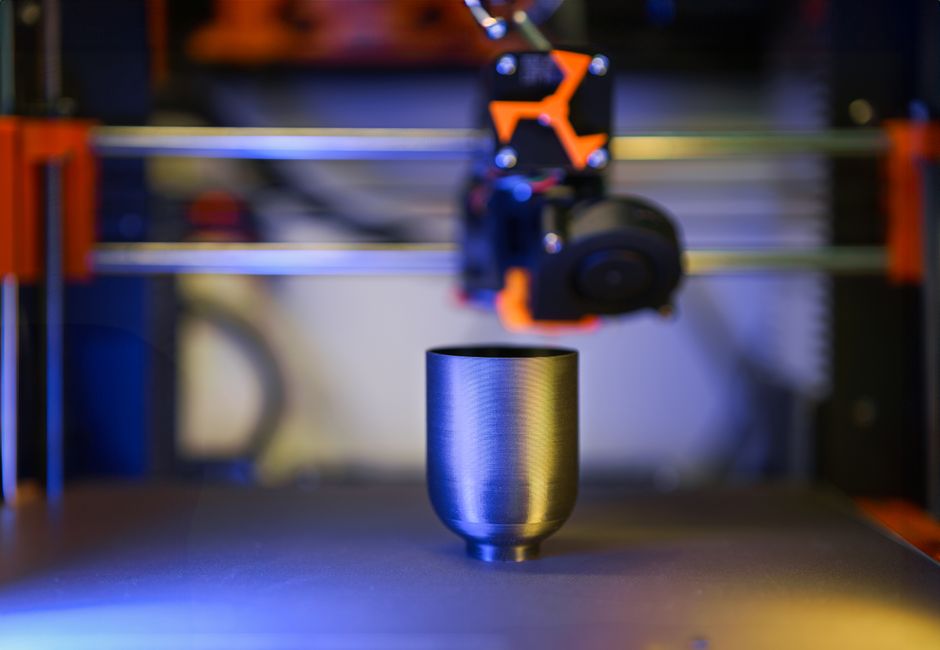
Compare the best advanced 3D printing filaments of 2026: carbon fiber vs. metal-infused. Find the ideal material for your high-performance projects.
The landscape of 3D printing is evolving at an unprecedented pace, with material innovation leading the charge. As we navigate 2026, hobbyists and professionals alike are pushing the boundaries of what’s possible, demanding materials that offer superior strength, durability, and aesthetic appeal. Two contenders consistently rise to the top for high-performance applications: carbon fiber-infused filaments and metal-infused filaments. Both promise to elevate your prints beyond basic plastics, but they achieve this through fundamentally different compositions and offer distinct advantages. Understanding the nuances between them is crucial for selecting the right material for your specific project, whether it’s functional prototypes, end-use parts, or intricate, eye-catching models. This comparison will delve into what makes each filament stand out in 2026, helping you make an informed decision for your next advanced 3D printing endeavor.
| Feature | Carbon Fiber-Infused Filaments | Metal-Infused Filaments |
|---|---|---|
| Strength/Stiffness | Excellent; high tensile strength, superior rigidity. | Good to Excellent; can be dense and strong, but often brittle. |
| Weight | Very Lightweight; often lighter than base polymer. | Heavy; significantly denser than base polymer. |
| Aesthetics | Matte finish, subtle carbon fiber texture. Can look premium. | Metallic sheen, can mimic real metal appearance (brushed, polished). |
| Printability | Moderate to Difficult; abrasive, requires hardened nozzle, potential clogging. | Moderate to Difficult; abrasive, requires hardened nozzle, can be brittle during printing, prone to warping. |
| Post-Processing | Minimal; often looks great raw. Sanding can reveal fibers. | Extensive; sanding, polishing, tumbling to achieve desired metallic look. Can be chemically treated. |
| Cost (Typical Spool 1kg) | $50 – $100+ USD | $60 – $150+ USD |
| Common Applications | Aerospace components, automotive parts, drone frames, high-performance tools, sporting goods. | Jewelry, decorative items, functional prototypes with metallic feel, tooling inserts. |
| Wear on Nozzle | High; requires hardened steel or ruby nozzle. | High; requires hardened steel or similar abrasion-resistant nozzle. |
In 2026, the market offers a sophisticated array of advanced filaments. Carbon fiber-infused options have matured significantly, offering predictable performance gains, while metal-infused filaments continue to innovate in appearance and density. Let’s examine some leading examples and their current standing.
Carbon fiber filaments are typically standard polymers like PLA, ABS, PETG, or Nylon, mixed with finely chopped carbon fiber strands. These strands significantly enhance the mechanical properties of the base plastic. In 2026, manufacturers are focusing on consistency and improved printability. For instance, MatterHackersâ PRO Series Carbon Fiber PLA, priced around $75 for a 1kg spool, offers a high concentration of short-cut carbon fibers. This filament boasts a tensile strength increase of up to 40% and a flexural modulus increase of up to 50% over standard PLA. Its matte black finish and subtle texture lend a professional, high-tech look straight off the print bed, often eliminating the need for extensive post-processing for aesthetic purposes. However, its abrasive nature necessitates a hardened steel nozzle, typically costing $10-$20 for a replacement, and careful print settings to avoid nozzle wear and clogs. Layer adhesion can also be a challenge, requiring higher print temperatures, often around 220-240°C for PLA bases, and a heated bed set to 60-70°C. The stiffness it imparts is exceptional, making it ideal for parts that need to resist bending under load. Another strong contender in 2026 is Polymaker’s PolyLite⢠CF, available in PLA, PETG, and PC variants. The PolyLite⢠CF PETG, costing approximately $65 per kg, provides excellent impact resistance alongside stiffness, making it suitable for functional parts exposed to moderate stress. Its consistent fiber dispersion ensures reliable mechanical properties across prints. Users report that while it requires a hardened nozzle, it generally prints with less brittleness than some competitors, offering a good balance for demanding applications. Expect to pay between $50 and $100+ for a kilogram of quality carbon fiber-infused filament in 2026, depending on the base polymer and brand.
Metal-infused filaments, often called “metal-fill” or “metal-composite” filaments, consist of a polymer base (usually PLA, sometimes ABS or Nylon) blended with fine metal powder â common metals include stainless steel, bronze, copper, and even aluminum. These filaments are prized for their weight and metallic appearance, which can be dramatically enhanced through post-processing. In 2026, the realism and variety of these filaments have seen significant leaps. For example, ProtoPasta’s Stainless Steel PLA, retailing for around $80 for a 750g spool, offers a density close to that of actual steel after extensive polishing. Straight off the printer, it has a dull grey appearance, but with meticulous sanding, buffing, and even tumbling, it can achieve a mirror-like finish. The printability is similar to other abrasive filaments; a hardened nozzle is mandatory, and print temperatures generally range from 200-220°C. A key consideration is the weight â a 3D printed part from this filament will feel significantly heavier than its plastic counterpart, adding to the perception of authenticity. ColorFabb’s CopperFill, available at about $70 for a 750g spool, is another popular choice. It contains around 80% copper powder by weight, giving prints a substantial heft and a distinct metallic luster. After sanding and applying a patina solution (often available from the same manufacturers), prints can develop a realistic aged copper look, appealing for artistic and decorative projects. The main challenge with metal-infused filaments, beyond nozzle wear, is the potential for brittleness and the labor-intensive post-processing required to achieve the desired aesthetic. Warping can also be more pronounced due to the higher thermal conductivity of the metal particles. Despite these challenges, their unique tactile and visual properties make them a standout choice for applications where a true metal feel or appearance is paramount.
Selecting between carbon fiber-infused and metal-infused filaments in 2026 hinges on your project’s primary goals. If superior mechanical performance â strength, stiffness, and reduced weight â is your top priority, carbon fiber is likely the better choice. Consider carbon fiber for functional prototypes, end-use parts in demanding environments, or components where weight savings are critical, such as in drones or high-performance vehicles. Its inherent strength means you can often achieve desired performance with less material, further contributing to weight reduction. Look for filaments with higher carbon fiber content for maximum mechanical benefits, but be prepared for the increased abrasiveness and potential printing challenges.
Conversely, if the visual and tactile resemblance to real metal is your main objective, metal-infused filaments are the way to go. These are ideal for decorative pieces, architectural models, jewelry, or prototypes where the user experience emphasizes the feel and look of metal. The density these filaments add can create a substantial, premium feel that plastics alone cannot replicate. Be mindful that while they offer some strength improvements over standard PLA, they do not typically match the structural integrity of carbon fiber composites. Furthermore, the significant post-processing required to achieve a true metallic finish should be factored into your time and effort budget. If you’re aiming for a functional part that needs to look like metal, you might consider printing with a strong base like PETG or Nylon and then finishing it with a metallic paint or coating, which can be more cost-effective and less labor-intensive than some metal-infused options for pure aesthetics.
Consider your printer’s capabilities. Both filament types are abrasive and require a hardened steel nozzle, which is a non-negotiable upgrade for 2026 printing with these materials. If you don’t have one, factor in the $10-$30 cost. Ensure your printer’s hotend can reach the necessary temperatures, and your build plate provides good adhesion. For carbon fiber, ensure your design can benefit from increased stiffness without requiring extreme impact resistance. For metal-infused, assess your tolerance for intensive sanding, polishing, or tumbling processes. Brands like eSun, MatterHackers, Polymaker, and ProtoPasta are reputable sources in 2026, offering various blends and quality levels, often with detailed technical data sheets available on their websites.
Q1: Do I really need a hardened nozzle for these filaments?
A: Absolutely. Both carbon fiber and metal particles are highly abrasive. Using a standard brass nozzle will cause significant wear within hours of printing, leading to poor print quality and eventual nozzle failure. Always use a hardened steel, tungsten carbide, or ruby nozzle when printing with these advanced materials. A typical hardened steel nozzle costs between $10 and $25 in 2026.
Q2: Can I print carbon fiber or metal-infused filaments on any 3D printer?
A: While many modern 3D printers can handle these filaments technically, you need to ensure your printer meets specific requirements. These include having a hardened nozzle, a heated bed capable of reaching temperatures around 60-110°C (depending on the base polymer), and a hotend that can reach print temperatures of 200-260°C. Printers with direct drive extruders might offer better control for these materials compared to Bowden setups, especially for retraction tuning. Ensure your printer’s firmware and slicer settings are compatible with advanced materials.
Q3: How much heavier are metal-infused filaments compared to standard PLA?
A: Metal-infused filaments are significantly heavier. For instance, a 1kg spool of standard PLA typically has a volume of approximately 1130 cm³. A 1kg spool of metal-infused filament, such as ProtoPasta’s Stainless Steel PLA, might occupy a similar volume but feel much more substantial due to the high metal powder content (often 70-85% by weight). This added density contributes to a realistic metallic feel, but also means prints will weigh considerably more than their PLA counterparts.
Q4: Can I achieve a true metal finish with metal-infused filaments without extensive post-processing?
A: Generally, no. While some filaments offer a slight metallic sheen straight off the printer, achieving a convincing, smooth, or polished metal look typically requires considerable post-processing. This can involve extensive sanding with increasingly fine grits, buffing, tumbling, or even using chemical treatments to create patinas or enhance shine. The more effort you put into finishing, the more the part will resemble actual metal.
In 2026, the choice between carbon fiber-infused and metal-infused filaments boils down to your project’s primary objective: performance versus aesthetics and feel. For applications demanding exceptional strength, stiffness, and reduced weight, such as functional engineering parts or high-performance components, carbon fiber-infused filaments emerge as the superior choice. Their ability to dramatically enhance the mechanical properties of standard polymers makes them invaluable for creating durable, lightweight parts. While they require careful printing and a hardened nozzle, the performance gains are substantial and directly translate to superior functionality.
However, if your goal is to replicate the look, feel, and density of real metal for artistic creations, decorative items, or prototypes where appearance is key, metal-infused filaments are the clear winner. They offer a unique tactile experience and a visual appeal that standard plastics cannot match, especially after dedicated post-processing. The added weight and metallic luster provide a premium feel essential for many aesthetic applications.
Considering the core capabilities and typical use cases, for the most versatile *advanced* material offering that pushes the envelope of functional 3D printing in 2026, **carbon fiber-infused filaments** offer a more transformative impact on the end product’s performance. They represent a significant step up in mechanical engineering possibilities for desktop 3D printing.
Prices and features mentioned are accurate as of the date of publication. Always check the official provider website for the most current pricing and availability.