Physical Address
304 North Cardinal St.
Dorchester Center, MA 02124
Physical Address
304 North Cardinal St.
Dorchester Center, MA 02124

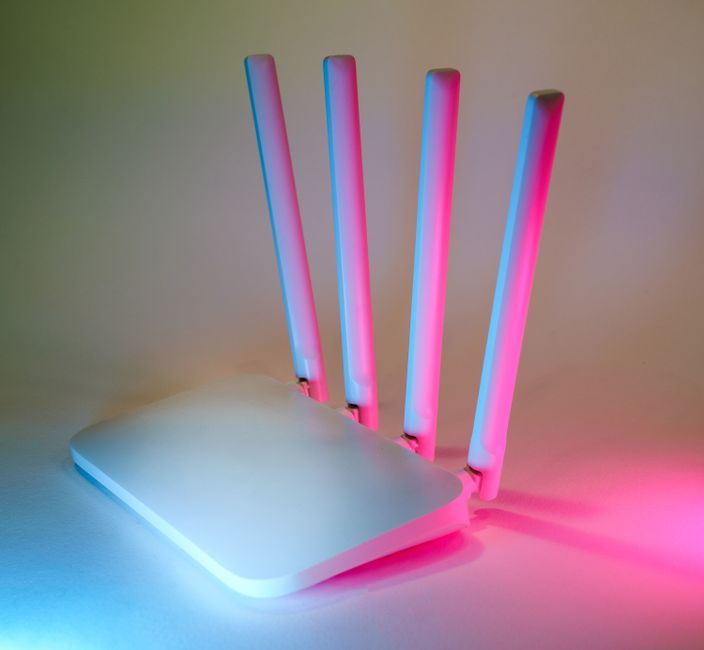
Compare Netgear Orbi 770, eero Max 7, and TP-Link Deco BE85 (Deco 7 Elite). Discover the best Wi-Fi 7 mesh system for your home in 2026 based on specs, speed, and price.
\n
Multi-gigabit fiber internet is no longer a luxury. In 2026, homes are packed with high-bandwidth devices, from VR headsets to 8K streaming displays, and the need for a robust, future-proof home network has never been more urgent. Wi-Fi 7 (802.11be) has fully matured, bringing massive upgrades over older standards, including wider 320 MHz channels, Multi-Link Operation (MLO) for simultaneous band usage, and 4K-QAM for blisteringly fast data transmission.
\n
If you are looking to blanket a large home with next-generation speeds, a mesh system is the ultimate solution. Three heavyweights dominate the premium Wi-Fi 7 landscape: the Netgear Orbi 770, the Amazon eero Max 7, and the TP-Link Deco BE85 (which was quietly renamed in early 2026 as the Deco 7 Elite BE85). This comparison will dive into how these devices stack up in terms of hardware, software, real-world speeds, and pricing to help you find the best Wi-Fi 7 mesh 2026.
\n\n
\n
Before diving into the detailed specs of each unit, let us look at how they compare side-by-side in terms of pricing, speeds, and physical connectivity.
\n
| Feature | Netgear Orbi 770 Series | Amazon eero Max 7 | TP-Link Deco BE85 |
|---|---|---|---|
| Wi-Fi Class | BE11000 (Tri-Band) | BE20800 (Tri-Band) | BE22000 (Tri-Band) |
| Max Throughput (Combined) | Up to 11 Gbps | Up to 4.3 Gbps (Wireless) / 9.4 Gbps (Wired) | Up to 22 Gbps |
| 10 GbE Ports (Per Node) | None (3x 2.5 GbE ports) | 2x 10 GbE ports (plus 2x 2.5 GbE ports) | 2x 10 GbE ports (1x SFP+/RJ45 Combo, 1x RJ45) plus 2x 2.5 GbE ports |
| Smart Home Integration | None (Standard Wi-Fi) | Built-in Zigbee, Matter, Thread border router | TP-Link Tapo/Kasa Onboarding |
| USB Port | None | None (USB-C is for power only) | 1x USB 3.0 Port per node |
| Approx. Price (3-Pack) | ~$699.99 | ~$1,699.99 | ~$1,199.99 – $1,299.99 |
\n\n
\n\n
\n
Netgear designed the Orbi 770 to bring premium Wi-Fi 7 technology into a slightly more affordable bracket. Positioned below the high-end Orbi 970, the Orbi 770 (BE11000) provides an impressive balance of coverage and speed. It handles up to 11 Gbps of combined theoretical throughput across its tri-band configuration (2.4 GHz, 5 GHz, and 6 GHz).
\n
Wired connectivity is solid, featuring three 2.5 Gbps Ethernet ports on both the router and satellite nodes. While it lacks 10 Gbps ports, the 2.5 Gbps bandwidth is more than enough for most multi-gig internet plans available today. A 3-pack covers up to 8,000 square feet, easily penetrating thick walls with Netgear's customized antenna design.
\n
On the software side, the Orbi 770 is managed via the Orbi app or a traditional web browser, giving users more flexibility than app-only competitors. It includes Netgear Armor (powered by Bitdefender) to secure your devices, though you only get a 30-day trial before needing a paid subscription.
\n
Pros: Excellent coverage up to 8,000 sq ft; full web-based administration console; sleek, unobtrusive design.
Cons: No 10 Gbps ports; expensive subscription for Netgear Armor after trial; no USB ports.
\n\n
\n
The eero Max 7 represents Amazon's flagship entry into the Wi-Fi 7 mesh space. It is a premium, high-performance powerhouse designed for maximum throughput and minimal latency. Operating on the BE20800 class, it offers wireless speeds up to 4.3 Gbps and is built to handle ISP speeds up to 10 Gbps.
\n
One of its biggest selling points is the incredible port selection. Each eero Max 7 node features two ultra-fast 10 Gbps Ethernet ports and two 2.5 Gbps Ethernet ports. This makes it an absolute dream for houses with wired Ethernet backhaul or multi-gig local NAS storage. It also stands out as a robust smart home hub, featuring built-in support for Zigbee, Matter, and Thread border routing.
\n
However, the eero experience has a few trade-offs. Configuration is done strictly through the mobile app, with no web interface available. Additionally, many fundamental routing features (such as advanced parental controls, ad-blocking, local DNS caching, and the built-in VPN) are locked behind the eero Plus subscription, which costs $9.99/month or $99/year.
\n
Pros: Phenomenal port selection (two 10 GbE, two 2.5 GbE); built-in smart home hub (Thread/Matter); robust metal chassis.
Cons: Extremely expensive 3-pack (~$1,699.99); many features require an eero Plus subscription; app-only management.
\n\n
\n
In early 2026, TP-Link renamed its premium Wi-Fi 7 lineup, calling the BE85 the Deco 7 Elite BE85. This beast of a system occupies the top of the Wi-Fi 7 tier with its tri-band BE22000 class, outputting up to 22 Gbps across 12 simultaneous streams.
\n
Hardware-wise, TP-Link spared no expense. Each node features one 10 Gbps Ethernet port, one 10 Gbps SFP+/RJ45 combo port (great for fiber input), and two 2.5 Gbps ports. Additionally, the Deco BE85 includes a USB 3.0 port on every unit, allowing you to easily set up local network-attached storage or media servers. A 3-pack covers an immense 9,600 square feet, using AI-driven algorithms to optimize backhaul roaming dynamically.
\n
Management is handled primarily via the Deco app, which is intuitive but lacks the comprehensive web interface power-users might crave. Basic security features and parental controls are included for free via TP-Link HomeShield, with an optional paid tier for more advanced network protections.
\n
Pros: Massively fast BE22000 class (12 streams); dual 10 Gbps ports including SFP+ combo; dedicated USB 3.0 port; largest coverage area.
Cons: Physical nodes are quite bulky; some advanced features require a HomeShield subscription; no full-featured web UI.
\n\n
\n
When selecting between these three premium mesh systems, several key variables should guide your decision.
\n
1. Internet Speeds and Wired Ports: If you have a 5 Gbps or 10 Gbps fiber internet connection, the choice narrows to the eero Max 7 and TP-Link Deco BE85. Both offer dual 10 Gbps ports, which are essential to prevent bottlenecks when routing multi-gig internet. On the other hand, if your ISP caps out at 2.5 Gbps or lower, the Netgear Orbi 770 is a far more economical choice that still handles multi-gig connections with ease.
\n
2. Backhaul Strategy: Mesh systems can communicate either wirelessly or through a wired Ethernet cable (wired backhaul). If you rely on wireless backhaul, the Deco BE85's massive 12-stream BE22000 throughput and the Orbi 770's dedicated tri-band architecture will perform incredibly well. If your home is pre-wired with Cat6a or Cat7 Ethernet, the eero Max 7’s dual 10 Gbps ports make it a breeze to establish a flawless 10-gigabit backhaul backbone.
\n
3. Software Control and Subscriptions: Do you prefer granular control? The Netgear Orbi 770 is the only option here that provides a traditional web-based interface alongside its mobile app. If you hate subscription fees, note that while all three systems push paid tiers, TP-Link's HomeShield provides the most generous set of free security and parental control features out of the box, whereas eero locks standard features like ad-blocking and historical data usage behind eero Plus.
\n
4. Smart Home Integration: For smart home enthusiasts, the eero Max 7 is a clear winner. By including Zigbee, Matter, and Thread border routing directly on the board, it eliminates the need to buy extra hubs for your smart lighting, locks, and sensors.
\n\n
\n
Q: What is the difference between the original TP-Link Deco BE85 and the 2026 Deco 7 Elite BE85?
A: They are structurally identical, but TP-Link rebranded the system in early 2026 to make their Wi-Fi 7 lineup easier to navigate. Top-tier systems like the BE85 received the \”7 Elite\” moniker.
\n
Q: Do these Wi-Fi 7 mesh systems work with older Wi-Fi 6 or Wi-Fi 5 devices?
A: Yes, Wi-Fi 7 is fully backward compatible. Your older phones, laptops, and smart plugs will connect without issue, though only Wi-Fi 7 compatible devices will benefit from the maximum speeds and advanced features like MLO.
\n
Q: Is it worth paying for the eero Plus or Netgear Armor subscription?
A: It depends on your household. If you need advanced parental controls, network-wide ad blocking, or active malware protection directly on your router, these subscriptions are convenient. However, tech-savvy users can often replicate these features using free alternatives like Pi-hole or AdGuard DNS.
\n
Q: Can I mix and match different brands of mesh routers?
A: No. While all these systems use standard Wi-Fi protocols to connect to your devices, their proprietary mesh coordination technologies (like Netgear's backhaul or Amazon's TrueMesh) are not cross-compatible. You must stick to the same brand and ecosystem for your mesh nodes to communicate.
\n\n
\n
In 2026, the premium mesh market is highly competitive, but each of these three Wi-Fi 7 systems appeals to a distinct type of user.
\n
If you want the absolute best value and do not need 10 Gbps wired ports, the Netgear Orbi 770 is the clear winner. At around $699.99 for a 3-pack, it delivers Wi-Fi 7 speeds, covers up to 8,000 square feet, and provides a level of stability that rivals systems costing twice as much.
\n
For smart home power users who want premium hardware and a low-friction setup, the Amazon eero Max 7 is unmatched. Despite its premium $1,699.99 price tag for a 3-pack and its reliance on the eero Plus subscription, its dual 10 Gbps ports and built-in Thread/Matter support make it a luxurious, future-proof option.
\n
However, the overall champion is the TP-Link Deco BE85 (Deco 7 Elite BE85). It strikes the perfect balance by offering raw BE22000 performance, an incredible selection of ports (including SFP+ and USB 3.0), massive coverage up to 9,600 sq ft, and a far more reasonable street price (~$1,199.99) than the eero Max 7. It is the ultimate powerhouse for anyone who wants to extract every drop of performance from their home network in 2026.
”
].”
.9].
Prices and features mentioned are accurate as of the date of publication. Always check the official provider website for the most current pricing and availability.