Physical Address
304 North Cardinal St.
Dorchester Center, MA 02124
Physical Address
304 North Cardinal St.
Dorchester Center, MA 02124

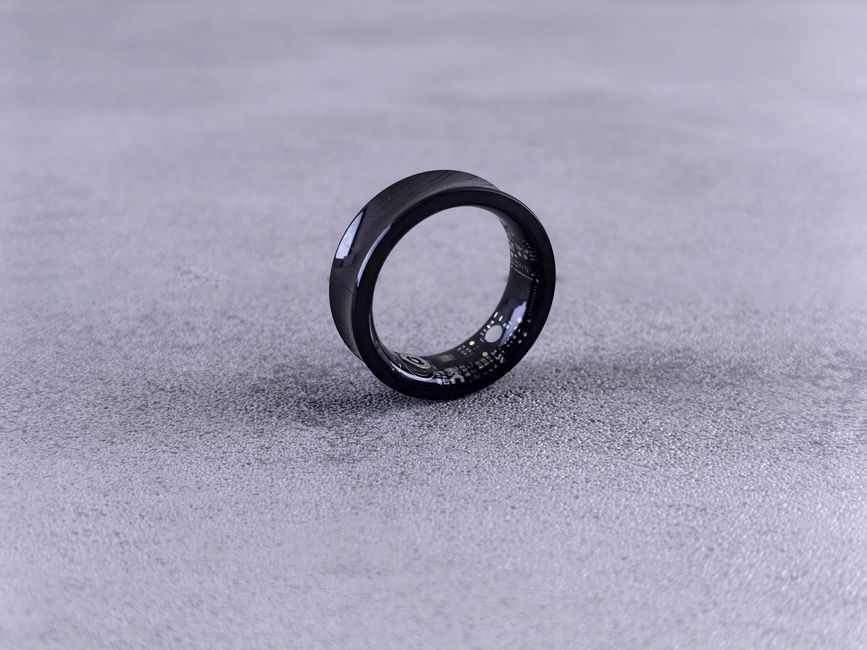
Discover the ultimate battle between the Oura Ring 4 and Samsung Galaxy Ring in 2026. Compare specs, prices, subscription models, and find your winner!
In 2026, the wearable technology landscape has shifted dramatically. Gone are the days when a bulky smartwatch was your only ticket to 24/7 health tracking. Today, smart rings have firmly claimed the spotlight, offering medical-grade biometrics tucked inside elegant, lightweight jewelry. If you are shopping for a premium smart ring right now, two giants stand taller than the rest: the Oura Ring 4 and the first-generation Samsung Galaxy Ring.
While Oura recently turned heads with the mid-2026 launch of its ultra-premium Oura Ring 5, and tech enthusiasts are whispering about Samsung’s delayed Galaxy Ring 2 (now pushed to 2027), the matchup between the Oura Ring 4 and the Samsung Galaxy Ring remains the primary battleground for everyday consumers. This comparison is particularly vital in 2026 because of how these two products have matured. Oura represents the refined, platform-agnostic pioneer, while Samsung brings the power of a tech giant with a deeply integrated, subscription-free health ecosystem. Choosing between them is no longer just about hardware specs; it is a choice of software ecosystems, ongoing costs, and lifestyle alignment.
In this comprehensive guide, we will break down how these two titans compare in design, comfort, data accuracy, battery life, and cost of ownership. By the end, you will know exactly which ring deserves a permanent spot on your finger.
| Feature | Oura Ring 4 | Samsung Galaxy Ring |
|---|---|---|
| Starting Price (2026) | $349 (Silver/Black) up to $499 (Gold/Rose Gold) | $399.99 (Often on sale for ~$299) |
| Monthly Subscription | Yes ($5.99/month or $69.99/year) | No Subscription (Free forever) |
| Compatibility | iOS and Android | Android Only (Optimized for Samsung Galaxy) |
| Battery Life | Up to 8 days | Up to 7 days |
| Material & Finish | Full Titanium (inner and outer); flat recessed sensors | Grade 5 Titanium; concave exterior to resist scratches |
| Sizing Options | Sizes 4 through 15 | Sizes 5 through 13 |
| Charging Style | Dedicated flat USB-C charging puck | Earbud-style portable charging case with built-in battery |
| Water Resistance | 10ATM (Water-resistant to 100 meters) | IP68 & 10ATM (Water-resistant to 100 meters) |
| Pros | Industry-leading sleep accuracy; iOS and Android support; flat, comfortable inner design; advanced cycle and menopause insights. | No monthly subscription fees; convenient portable charging case; lightweight (2.3–3.0g); scratch-resistant concave outer shell. |
| Cons | Mandatory $5.99/month subscription for full data; no portable charging battery in case. | Strictly Android-only (no iPhone support); basic sports tracking; some features exclusive to Samsung phones. |
The Oura Ring 4 represents the absolute pinnacle of Oura’s hardware refinement prior to the luxury-focused Gen 5. Released in late 2024, the Gen 4 successfully resolved the biggest complaint of its predecessor, the Gen 3: the three small, raised sensor bumps on the inner band. Instead, the Oura Ring 4 features a completely smooth inner titanium lining with recessed sensors. This design change dramatically improves all-day comfort, eliminating skin indentation and making the ring feel like traditional jewelry. The Oura Ring 4 is constructed out of non-allergenic titanium and comes in six different metallic finishes, including Silver, Black, Brushed Silver, Stealth, Gold, and Rose Gold.
At the core of the Oura Ring 4 is the company’s proprietary Smart Sensing platform. While older rings relied on static sensor locations, the Oura Ring 4 uses 18 signal pathways that dynamically adapt as the ring naturally rotates on your finger throughout the day and night. This technology ensures that even if the ring slips, you do not experience gaps in your sleep or heart rate data. This breakthrough health platform works alongside research-grade sensors measuring blood oxygen (SpO2), heart rate, heart rate variability (HRV), respiration rate, and skin temperature trends.
Speaking of data, Oura is the undisputed leader in sleep tracking. In 2026, the Oura app continues to offer the cleanest, most detail-rich analysis on the market. It breaks down your sleep into REM, deep, and light stages, tracks your sleep latency, and monitors your recovery. For female users, Oura’s cycle tracking, pregnancy monitoring, and newly updated menopause insights utilize highly accurate, continuous body temperature trends, making it an invaluable health companion. It also integrates seamlessly with over 40 wellness apps including Apple Health, Google Fit, and Strava.
The primary hurdle for the Oura Ring 4 remains its cost. The hardware itself starts at $349 for basic Silver and Black, rising to $499 for premium finishes like Gold and Rose Gold (though you can frequently find these on sale for $399 in 2026). However, to access any of your advanced health data beyond basic daily scores, you must pay a $5.99/month (or $69.99/year) subscription fee. This ongoing expense is a hard pill to swallow for many, especially when competitor rings do not charge extra, but the stream of continuous software updates keeps it highly competitive.
Samsung shook up the smart ring industry by launching its first-generation Samsung Galaxy Ring in mid-2024, and in 2026, it remains Samsung’s flagship ring option. The hardware has aged incredibly well. Crafted from Grade 5 titanium, the Galaxy Ring features a unique concave outer design. This slight inward curve is a brilliant piece of engineering, as it naturally deflects surfaces and keeps the face of the ring remarkably scratch-free, even after years of daily typing, gym workouts, and chores. It is also exceptionally lightweight, weighing a mere 2.3 to 3.0 grams depending on your ring size, making it significantly lighter than the Oura Ring 4‘s weight of 3.3 to 5.2 grams.
The Galaxy Ring’s biggest triumph over Oura is its business model: there are absolutely no subscription fees. Once you pay the retail price of $399.99 (which has routinely dipped to $299 at major retailers like Best Buy and Amazon in 2026), you gain lifetime access to all tracking metrics, AI analysis, and historical trends through the Samsung Health app. For buyers looking for a long-term commitment, this makes the Galaxy Ring a much more budget-friendly option over a two- or three-year period.
Furthermore, Samsung’s charging solution is vastly superior. Instead of a simple flat dock that must stay plugged into a wall, the Galaxy Ring comes with a stunning, translucent charging case similar to a pair of wireless earbuds. The case has its own built-in battery, allowing you to charge your ring on the go, making it a dream for travelers. On a full charge, the ring itself lasts up to seven days, and the portable case provides multiple additional charges before needing a plug.
On the health side, the ring integrates with Galaxy AI to deliver a daily Energy Score—a metric heavily inspired by Oura’s Readiness Score—alongside personalized wellness tips. If you wear both the Galaxy Ring and a Galaxy Watch, the Samsung Health app intelligently coordinates data from both devices to optimize battery life and improve tracking accuracy. It also includes fun, ecosystem-specific features like “Find My Ring” (which flashes a small green LED on the ring’s interior to help you locate it) and double-pinch hand gesture controls to trigger your phone’s camera or turn off an alarm. However, the Galaxy Ring has one fatal flaw: it is strictly Android-only. If you use an iPhone, the Galaxy Ring is a non-starter; it will not pair with iOS, forcing Apple users to look elsewhere.
To help you decide between the Oura Ring 4 and the Samsung Galaxy Ring in 2026, let us break down the core factors you must consider:
This is the easiest filter. If you use an iPhone, the Samsung Galaxy Ring is completely off the table. Oura is the only viable choice of the two, offering a flawless companion app on iOS that integrates seamlessly with Apple Health. If you are an Android user, both are great, but the Samsung Galaxy Ring offers unparalleled integration, especially if you already own a Samsung Galaxy device. If you use a Google Pixel or OnePlus, the Galaxy Ring still works incredibly well, though you will miss out on exclusive gesture controls and “Find My Ring” mapping features.
Do not just look at the shelf price. Let us do the 2026 math over three years of ownership in US dollars:
If you choose a premium Oura finish like Gold ($499), your three-year cost climbs to nearly $710. If you despise monthly fees and want a clear, one-time investment, Samsung is the undisputed winner.
Neither of these rings is a perfect replacement for a dedicated sports watch. Because rings fit tightly on fingers, rapid hand movements and grip changes during heavy lifting, running, or cycling can cause minor data gaps. However, for passive tracking, they excel. If your primary goal is deep, clinical-grade sleep analysis, stress tracking, and detailed cycle insights, Oura’s software algorithm is older, more mature, and universally regarded as more accurate. If you just want a passive step counter and general heart rate monitoring without the fuss, Samsung’s daily Energy Score is more than sufficient.
If you travel frequently, the Samsung Galaxy Ring’s charging case is a game-changer. You can throw the ring and its case into your bag and not worry about a wall outlet for up to three weeks. The Oura Ring 4, while boasting a slightly longer single-charge battery life (up to 8 days vs. Samsung’s 7 days), requires a proprietary flat puck that must be plugged into a USB-C cable, which can be annoying to pack.
A: No. Unlike Oura, Samsung does not lock any of your health data, sleep scores, or AI features behind a paywall. Once you purchase the hardware, all features in the Samsung Health app are 100% free with no monthly subscription required.
A: No. The Samsung Galaxy Ring is strictly compatible with Android devices running Android 11 or above. It does not support iOS, so iPhone users must opt for the Oura Ring 4 (or the newer Oura Ring 5) if they want a high-end smart ring experience.
A: Released in mid-2026, the Oura Ring 5 is Oura’s slimmest wearable to date, reducing the width to 6.09mm and thickness to 2.28mm, compared to the Oura Ring 4‘s 7mm width and 2.88mm thickness. The Oura Ring 5 also boosts battery life to 9 days. However, the Oura Ring 4 remains an exceptional, slightly wider alternative that tracks the same core health biometrics at a lower entry price.
A: Yes, both rings are highly durable. The Oura Ring 4 has a 10ATM rating (water-resistant up to 100 meters), making it perfectly safe for swimming, showering, and diving. The Samsung Galaxy Ring is rated IP68 and 10ATM, offering the same level of robust water resistance.
A: In real-world 2026 usage, the Oura Ring 4 typically lasts between 6 to 8 days on a single charge, depending on how often you track active workouts. The Samsung Galaxy Ring generally lasts between 5 to 7 days, with smaller ring sizes leaning toward 5 days due to smaller physical batteries.
Choosing the best smart ring in 2026 comes down to a battle of philosophy and phone compatibility.
If you are an iPhone user, the choice is made for you: the Oura Ring 4 is the undisputed champion. It offers unmatched sleep tracking accuracy, beautiful app insights, and a sleek, comfortable, bump-free design. Even with the monthly subscription fee, the level of detail and medical-grade accuracy you receive makes it the premier wellness wearable on the market.
However, if you are an Android user—and specifically a Samsung Galaxy phone owner—the Samsung Galaxy Ring is our top recommendation. For a flat fee of $399.99 (frequently discounted to $299), you get a brilliantly designed, scratch-resistant titanium ring with no subscription fees, a fantastic portable charging case, and seamless Galaxy AI integration. While Oura remains the king of raw data analysis, Samsung has successfully built the most convenient, user-friendly, and cost-effective smart ring for the Android ecosystem in 2026.
Prices and features mentioned are accurate as of the date of publication. Always check the official provider website for the most current pricing and availability.




