Physical Address
304 North Cardinal St.
Dorchester Center, MA 02124
Physical Address
304 North Cardinal St.
Dorchester Center, MA 02124

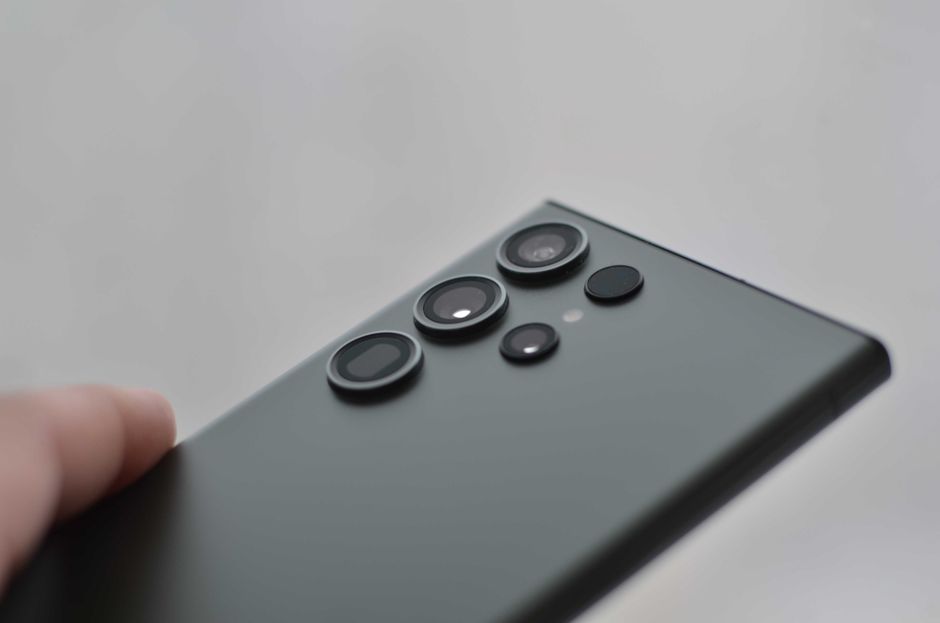
Compare the Samsung Galaxy S26 Ultra vs Google Pixel 10 Pro. Detailed analysis of specs, cameras, performance, and features of the top 2026 flagships.
The premium smartphone landscape of 2026 has reached its peak, delivering some of the most sophisticated mobile technology ever conceived. Leading the charge are two undisputed giants of the Android ecosystem: the Samsung Galaxy S26 Ultra and the Google Pixel 10 Pro. With Samsung’s early-2026 launch setting a blistering pace and Google’s established powerhouse proving its longevity, consumers are faced with a fascinating choice.
This comparison matters because these two devices represent fundamentally different philosophies of what a modern flagship should be. Samsung continues its legacy of extreme hardware dominance, packing in a built-in stylus, a world-first hardware privacy screen, and a jaw-dropping Snapdragon processor. Google, on the other hand, has finally shrugged off its hardware bottlenecks with its first-ever custom-built TSMC silicon, pairing it with the most advanced computational intelligence on the planet.
At ComparisonMath, we look beyond the marketing hype to evaluate how these flagships perform in the real world. Whether you are a multi-tasking power user who relies on desktop-grade performance or a mobile photographer seeking effortless point-and-shoot perfection, this head-to-head matchup will dissect every detail. Let us dive into the specs, real-world capabilities, and true cost of ownership to find your perfect match.
To give you an immediate overview of how these two elite Android devices stack up, we have compiled their essential specifications side-by-side.
| Feature | Samsung Galaxy S26 Ultra | Google Pixel 10 Pro / Pro XL |
|---|---|---|
| Release Date | March 11, 2026 | August 28, 2025 |
| MSRP Starting Price | $1,299 (256GB / 12GB RAM) | $999 (Pro, 128GB) / $1,199 (Pro XL, 256GB) |
| Display | 6.9″ QHD+ Dynamic AMOLED 2X, 120Hz, Gorilla Armor 2, Privacy Display | 6.3″ (Pro) / 6.8″ (Pro XL) Super Actua LTPO OLED, 120Hz, Gorilla Glass Victus 2 |
| Processor | Qualcomm Snapdragon 8 Elite Gen 5 (3nm) | Google Tensor G5 (Custom TSMC 3nm) |
| RAM & Storage | 12GB or 16GB RAM | 256GB / 512GB / 1TB UFS 4.0 | 16GB RAM | 128GB (Pro only) / 256GB / 512GB / 1TB |
| Rear Cameras | 200MP Main (f/1.4) + 50MP Ultrawide + 10MP (3x Zoom) + 50MP (5x Zoom) | 50MP Main (f/1.68) + 48MP Ultrawide + 48MP Telephoto (5x Zoom) |
| Front Camera | 12MP (f/2.2) | 42MP (f/2.2) |
| Battery & Charging | 5,000 mAh | 60W Wired, 25W Wireless | 4,870 mAh (Pro) / 5,200 mAh (Pro XL) | Up to 45W Wired, 15W/25W Qi2 Wireless |
| Unique Features | Built-in S Pen, Hardware-level Privacy Display, Samsung DeX | TSMC Custom Silicon, Pixelsnap Magnetic Charging, Magic Cue AI assistant |
The visual confrontation between these two giants highlights a massive divergence in display philosophy. The Samsung Galaxy S26 Ultra features a massive 6.9-inch Dynamic AMOLED 2X display with an incredibly sharp QHD+ resolution. The true showstopper, however, is Samsung’s revolutionary, hardware-based Privacy Display. Unlike messy plastic screen protectors, Samsung has engineered dual-mode subpixels directly into the OLED panel. At the toggle of a switch, the display restricts its viewing angles, completely blacking out the screen to onlookers on your left or right, while remaining crystal-clear to you.
Google counters with a highly praised two-tier strategy, offering the Pixel 10 Pro with a pocket-friendly 6.3-inch Super Actua display and the Pixel 10 Pro XL with an expansive 6.8-inch screen. These screens are incredibly bright, offering peerless color accuracy and outdoor visibility that easily rivals Samsung’s panel. Furthermore, Google has fully embraced a sleek flat-edge aesthetic with spacecraft-grade aluminum frames, giving the phone a remarkably comfortable, balanced grip. While it lacks the built-in privacy tricks of the S26 Ultra, Google has introduced native Qi2 magnetic support through “Pixelsnap,” allowing users to snap on magnetic chargers and wallets effortlessly.
Under the hood, the performance dynamic has shifted significantly. For years, Google’s Tensor chips lagged behind in benchmarks and suffered from thermal throttling because they were manufactured by Samsung Foundry. The Tensor G5 inside the Pixel 10 Pro series breaks this cycle, moving completely to TSMC’s state-of-the-art 3nm process. This transition delivers a massive 34% jump in CPU performance and a 60% boost in TPU (AI) capabilities. The Pixel 10 Pro runs cool under pressure, offering a stutter-free, highly efficient user experience that makes it Google’s most reliable smartphone yet.
Despite Google’s monumental leap, Samsung’s Galaxy S26 Ultra remains the undisputed performance champion. Powered by the customized Qualcomm Snapdragon 8 Elite Gen 5 (3nm) “for Galaxy,” the S26 Ultra dominates synthetic benchmarks and heavily demanding tasks. Whether you are running high-frame-rate 3D games, editing 8K video, or utilizing Samsung DeX to drive a full desktop monitor setup, the S26 Ultra does not break a sweat. It is a multitasking powerhouse that is built for longevity and pure brute force.
In the camera department, both devices produce breathtaking photos but approach photography differently. Samsung equips the Galaxy S26 Ultra with an upgraded 200MP main sensor boasting a wider f/1.4 aperture. This allows the lens to capture dramatically more light, fixing previous low-light complaints and producing richer natural depth. Supported by a dual telephoto setup (a 10MP 3x zoom and a 50MP 5x zoom), Samsung’s “Space Zoom” can push up to 100x magnification. It remains the most versatile camera package for capturing distant objects, sports, and extreme detail.
Google relies on its legendary computational intelligence, utilizing a triple-camera array consisting of a 50MP wide main sensor, a 48MP ultrawide with Macro Focus, and a 48MP telephoto with 5x optical zoom. The Pixel 10 Pro’s photos are characterized by their perfect skin tones, realistic contrast, and unmatched HDR processing. Where the Pixel truly shines is in its video capabilities and AI-assisted edits. Features like Magic Cue provide smart, contextual prompts to improve your framing, while the upgraded Magic Eraser and Video Boost turn dark, shaky clips into studio-quality footage with minimal effort.
Battery endurance is excellent on both devices, but their charging speeds tell different stories. The Samsung Galaxy S26 Ultra packs a 5,000 mAh battery that easily delivers over a day and a half of typical use. Samsung has finally bumped wired charging speeds up to 60W, allowing you to charge the massive cell to 80% in just about 30 minutes. It also supports 25W fast wireless charging.
The standard Pixel 10 Pro carries a 4,870 mAh battery, while the larger Pixel 10 Pro XL increases that capacity to 5,200 mAh. Due to the high efficiency of the TSMC-built Tensor G5, both models exhibit superb battery retention, frequently matching or exceeding Samsung in continuous screen-on time. Charging speeds are capped at 30W on the smaller Pro and 45W on the Pro XL. However, Google’s inclusion of the magnetic Pixelsnap system means wireless charging is more convenient, secure, and aligned with a growing ecosystem of accessories.
Both brands offer an industry-leading 7-year guarantee of operating system and security updates, meaning either phone will remain supported well into the 2030s. Samsung’s One UI 8.5 (built on Android 16) is highly customizable and packed with power-user utilities. It features deep integration with the included S Pen stylus, allowing for precision note-taking, translation, and air gestures. Galaxy AI has also matured, offering on-device real-time call translation, advanced photo editing, and automated note summarization.
Google’s Pixel 10 Pro runs a clean, visually elegant version of Android 16, utilizing the modern Material 3 Expressive UI. The software experience feels organic, fluid, and free of the bloatware often found on other platforms. Google’s Gemini AI is deeply woven into the fabric of the operating system, serving as an incredibly smart virtual assistant that can seamlessly draft emails, analyze files, and hold natural conversations. Google’s on-device AI tools, like automatic real-time voice translation in your own voice, make the Pixel feel like the smartest phone on the market.
Choosing between these two incredible flagships comes down to identifying your daily habits and budget. Here is how to decide which device deserves a place in your pocket.
Choose the Samsung Galaxy S26 Ultra if:
Choose the Google Pixel 10 Pro or Pro XL if:
Is the Tensor G5 finally as fast as the Snapdragon 8 Elite Gen 5?
No, the Snapdragon 8 Elite Gen 5 remains ahead in raw CPU and GPU benchmarks. However, because Google shifted Tensor G5 manufacturing to TSMC’s 3nm process, the gap has shrunk dramatically. The Pixel 10 Pro is now exceptionally smooth, highly efficient, and runs cool, making the benchmark differences unnoticeable in everyday use.
What is the Privacy Display on the Samsung Galaxy S26 Ultra?
It is an industry-first hardware feature integrated directly into the S26 Ultra’s display panel. When enabled, it disables specific subpixels that emit light at wide viewing angles. This prevents anyone looking from the side, top, or bottom from seeing what is on your screen, acting as a built-in privacy filter without the need for a physical plastic screen protector.
Does the Pixel 10 Pro support magnetic charging?
Yes! The Pixel 10 Pro and Pro XL feature native Qi2 magnetic charging, which Google brands as “Pixelsnap”. This allows you to use a wide array of magnetic accessories, including chargers, wallets, and car mounts, similar to Apple’s MagSafe system.
How long will these phones receive software updates?
Both Samsung and Google promise an outstanding 7 years of full operating system upgrades and security patches. This ensures both the Galaxy S26 Ultra and the Pixel 10 Pro series will remain fully supported and secure until at least 2033.
The battle for the best Android flagship of 2026 reveals two masterfully crafted devices, but we must crown a winner. The Google Pixel 10 Pro (and Pro XL) is our recommendation for the vast majority of buyers. By moving its Tensor G5 chip to TSMC, Google successfully eliminated its historical bottlenecks of thermal throttling and average battery life. When you combine this newfound efficiency with its beautiful Super Actua displays, unmatched point-and-shoot camera quality, handy Pixelsnap magnetic charging, and a much more accessible starting price, the Pixel 10 Pro represents the smartest, most cohesive Android experience on the market.
However, if budget is no barrier and you are a power user who demands the absolute limit of what mobile hardware can achieve, the Samsung Galaxy S26 Ultra remains a breathtaking achievement. With its built-in S Pen, unrivaled Snapdragon 8 Elite Gen 5 performance, and the incredibly innovative Privacy Display, it is a versatile workstation in your pocket. While it loses the crown of “best overall value,” it remains the ultimate power tool for the demanding professional.
Prices and features mentioned are accurate as of the date of publication. Always check the official provider website for the most current pricing and availability.